
To find the best solar tube lights for garden pathways and courtyards in the Philippines, you must look for fixtures that combine high weather resistance (at least IP65) to withstand tropical downpours, sufficient battery capacity to last through cloudy monsoon nights, and a diffused tubular design that prevents harsh glare. The unique tropical climate of the Philippines, characterized by intense sunlight followed by sudden, heavy rainfall and high humidity, requires outdoor lighting that is both highly efficient and exceptionally durable. Selecting the right fixture requires evaluating technical specifications, matching the light distribution to your specific landscape layout, and implementing proper installation and maintenance practices.
By choosing solar-powered options, you eliminate the need for complex underground wiring, reduce your household electricity consumption, and ensure your garden remains illuminated even during local power interruptions. However, because the market is filled with various designs and quality levels, understanding the key technical specifications is essential to making an investment that will last for years.
Understanding Solar Tube Lights for Outdoor Spaces
Solar tube lights are specialized outdoor fixtures characterized by their cylindrical, vertical, or tubular housing. Unlike standard solar path lights that typically cast a narrow, downward-facing hat of light, or spotlights that project a concentrated directional beam, tube lights distribute light evenly along their length or from a top-mounted light-emitting diode (LED) source through a diffused column. This design creates a soft, glowing pillar effect that serves as both a functional guide and an elegant architectural feature in your landscape.
Products mentioned in this guide
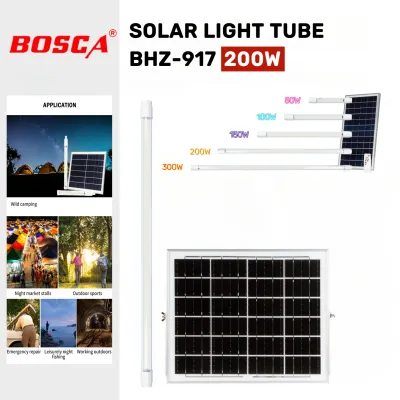
![[Free shipping]Solar Tube Light Outdoor Waterproof IP67 Rechargeable 120000W 80000W 60000W LED Solar Emergency Light Spotlight Outdoor Portable Automatic Lighting With Panel Remote Control](https://img.lazcdn.com/g/p/bd04ebc116180d92113f132c1ce5d8ea.png_400x400q80.png_.webp)
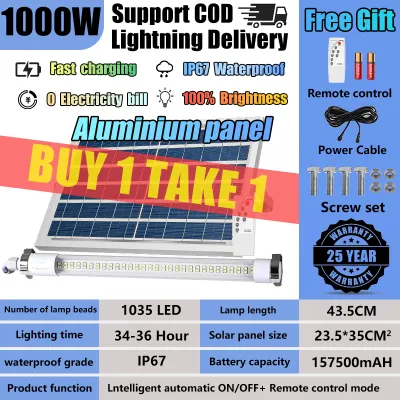
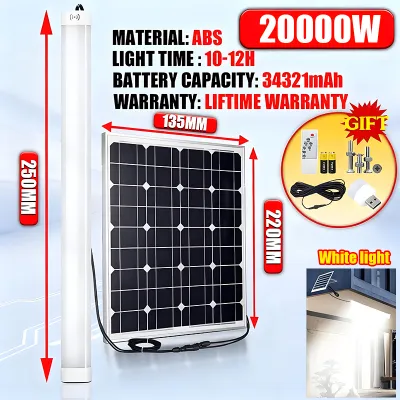
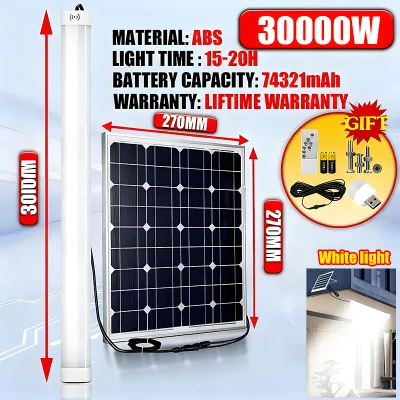
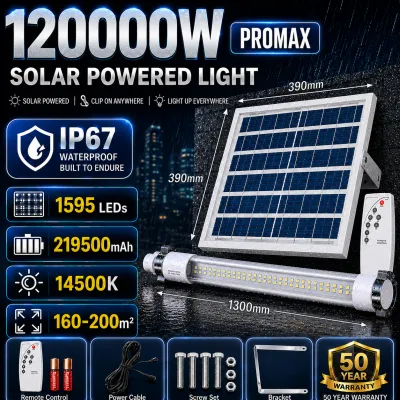
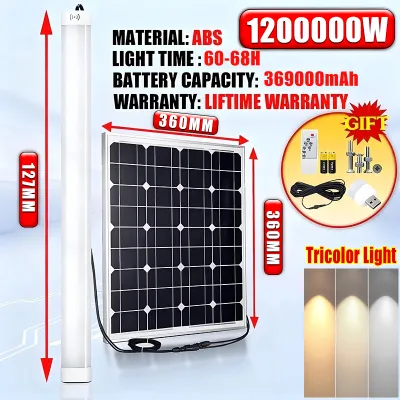
Prices are valid at publication and may change. Please refer to the product page for the latest price.
The basic mechanism of these fixtures relies on three core components: a solar panel, an internal rechargeable battery, and an LED light source. During the day, the integrated solar panel—usually mounted on the top cap of the tube—absorbs sunlight and converts it into electrical energy. This energy is stored in the internal battery, which is typically a lithium-ion or lithium iron phosphate (LiFePO4) cell. At dusk, a built-in photocell sensor detects the drop in ambient light and automatically switches on the LEDs, which then glow continuously until the battery is depleted or dawn arrives.
Using tube-style lighting offers distinct aesthetic and functional advantages over traditional path lights. Visually, their clean, vertical lines complement modern, tropical, and minimalist garden designs, acting as subtle sculptural elements during the day. Functionally, the 360-degree diffused light emission eliminates harsh shadows and blinding glare, creating a safer and more visually comfortable environment for navigating garden paths and enjoying outdoor seating areas at night.
Key Selection Criteria for Pathways and Courtyards
When shopping for solar tube lights on local ecommerce platforms or at home improvement stores, evaluating technical specifications is crucial to ensure the fixtures perform reliably in Philippine conditions.

First, assess the lumens and light distribution. For guiding footsteps along a narrow garden path, a soft ambient glow of 10 to 50 lumens per fixture is generally sufficient. For larger courtyard areas or active gathering spaces, look for higher-output tube lights that deliver 100 to 300 lumens. Frosted or ribbed diffusers help scatter the light evenly, whereas clear covers may project a brighter but more intense and potentially glaring light.
Second, verify the Ingress Protection (IP) rating. Given the heavy downpours and high humidity experienced during the Philippine wet season, a minimum rating of IP65 is highly recommended for fully exposed garden areas. This rating indicates that the light is completely dust-tight and can withstand low-pressure water jets from any direction. Avoid lower-rated fixtures, such as IP44, in open garden beds, as heavy tropical rains can easily breach their seals, leading to internal corrosion.
Third, evaluate the battery capacity and runtime. For reliable overnight illumination, look for fixtures equipped with batteries of at least 1200mAh to 2000mAh. A larger capacity ensures the light can store enough energy during sunny days to remain illuminated for 8 to 12 hours, which is particularly important during the monsoon season when daytime charging is limited by persistent cloud cover.
Fourth, compare the durability of the housing materials. Stainless steel (preferably 304 or 316 grade) offers excellent structural strength and a sleek modern look, though it must be maintained to prevent surface rust in highly humid environments. High-grade ABS plastic with UV-stabilizer additives is an excellent, rust-proof alternative that withstands intense tropical sun without becoming brittle. For the diffuser, high-impact polycarbonate or acrylic is often preferred over glass in active gardens due to their shatter-resistant properties.
Finally, always verify the electrical specifications and certifications of any solar lighting system you purchase. While most solar tube lights operate on low-voltage direct current (DC) and are inherently safe, some premium systems feature hybrid designs that allow for optional mains-voltage (AC) backup charging. If you choose a hybrid system or one that requires fixed wiring to a remote solar panel, ensure the system carries recognized electrical safety certifications. For any installation involving fixed AC wiring, damp environments, or work at heights, always isolate the power supply, follow the manufacturer’s detailed installation instructions, and consult a qualified professional.
Matching Light Types to Your Garden Layout
A successful landscape lighting design rarely relies on a single type of fixture. Different areas of your garden serve distinct functional and aesthetic purposes, meaning a one-size-fits-all approach to solar lighting will often result in uneven illumination or a disjointed visual effect.
By analyzing the specific layout of your outdoor space, you can select and position solar tube lights to maximize both safety and visual appeal. Let us explore how to tailor your lighting choices for narrow pathways versus open, expansive courtyards.
Illuminating Narrow Pathways
For narrow garden walkways, stepping stones, and boundary lines, the primary goal of lighting is to provide clear direction and prevent tripping hazards. The ideal height for pathway tube lights is typically between 30 to 60 centimeters. This height keeps the light source close to the ground, illuminating the walking surface directly while keeping the physical fixture below eye level to minimize glare.
Spacing is critical to achieving a balanced look along a path. Placing fixtures approximately 1.5 to 2.5 meters apart generally creates a continuous, overlapping path of light without leaving dark, unsafe gaps. Avoid placing them in a perfectly straight, symmetrical line on both sides of the path, as this can create a cold, institutional “runway” effect; instead, stagger the lights on alternating sides of the walkway for a more natural, organic flow.
When selecting the mounting style, consider your garden’s ground surface. Stake-mounted solar tube lights are highly versatile and ideal for soft soil, grass borders, and mulched garden beds, allowing you to easily adjust their positions as your plants grow. If your pathway consists of concrete, stone pavers, or wooden decking, look for surface-mounted tube lights that feature a flat base plate. These bases can be securely anchored using expansion bolts or screws, providing a stable installation that resists tipping from strong winds or accidental contact.
Lighting Open Courtyard Areas
Courtyards and outdoor patios serve as social gathering spaces, requiring a different lighting strategy that emphasizes ambiance, warmth, and broader spatial coverage. For these open areas, taller solar tube lights standing 80 to 120 centimeters high are highly effective. Their elevated height allows the light to cast a wider pool of illumination, making the entire space feel more open and secure.
Integrating these taller fixtures with your existing landscape features can dramatically enhance the depth of your courtyard. Position tube lights near the corners of seating areas, behind low-lying shrubs to create soft silhouetting, or adjacent to architectural features like stone walls or water fountains. This placement not only highlights the beauty of your garden but also helps define the boundaries of your outdoor living space.
The choice of color temperature plays a pivotal role in setting the mood of your courtyard, and this should be treated as a personal preference rather than a performance metric. Warm white light (2700K to 3000K) emits a soft, golden glow that mimics traditional indoor lighting, creating a cozy, relaxing, and intimate atmosphere perfect for evening conversations. Cool white light (5000K to 6500K) offers a bright, crisp, and modern aesthetic that maximizes visibility, which some homeowners prefer for security or high-traffic areas, though it can sometimes feel less inviting for casual gatherings.
Installation and Maintenance Best Practices
To maximize the lifespan and daily performance of your solar tube lights, proper installation and consistent maintenance are essential.
First, optimize the placement of your fixtures for maximum sun exposure. Solar panels require direct, unobstructed sunlight to charge their internal batteries efficiently. In the Philippines, position your lights where the integrated solar panels will receive at least 6 to 8 hours of direct sunlight daily. Be mindful of changing sun angles throughout the year, as well as growing foliage, tree canopies, and building shadows that can block the sun. If a desired pathway is permanently shaded, look for solar tube light systems that utilize a separate, remote solar panel; this allows you to mount the panel in a sunny location while running low-voltage cables to the fixtures in the shade.
Second, establish a routine cleaning schedule. Over time, dust, pollen, bird droppings, and mineral deposits from rain can accumulate on the surface of the solar panel, significantly reducing its ability to absorb sunlight. Once a month, gently wipe the solar panels and the light diffusers with a soft, damp microfiber cloth and a mild, non-abrasive soap solution. Avoid using harsh chemical cleaners, solvents, or abrasive scrubbing pads, as these can scratch the protective plastic coating of the solar panel or permanently cloud the light diffuser.
Third, monitor and maintain the internal batteries. Rechargeable batteries in solar lights typically have a lifespan of 1.5 to 3 years, depending on local temperatures and charge cycles. If you notice that your lights turn off after only a few hours of operation despite a full day of sunshine, the battery is likely reaching the end of its useful life. Refer to the manufacturer’s instructions to verify if the battery can be replaced. When replacing batteries, always use the exact chemistry, voltage, and capacity specified by the manufacturer, and ensure the rubber waterproof gasket of the battery compartment is perfectly seated during reassembly to prevent moisture ingress.
Finally, adapt your lighting setup for seasonal changes. During the heavy monsoon season, prolonged cloudy days will naturally limit the charging capacity of your solar lights. If your fixtures feature adjustable brightness settings or a dedicated power-saving mode, switch them to a lower lumen output during these months. This adjustment conserves battery power, ensuring that the lights can still provide essential illumination throughout the night rather than draining completely within a few hours.
Frequently Asked Questions (FAQ)
Do solar tube lights work during the rainy season in the Philippines?
Yes, solar tube lights will continue to function during the rainy season, but their overall runtime and brightness will be reduced. Solar panels do not require direct, bright sunlight to generate electricity; they can still harvest energy from diffused daylight on overcast or rainy days. However, because the charging efficiency drops significantly under heavy cloud cover, the internal battery may not fully charge. To maintain reliable performance during the wet season, it is best to select fixtures equipped with high-efficiency monocrystalline solar panels and intelligent power-saving modes that automatically dim the light output to conserve battery life.
Can I replace the batteries in solar tube lights myself?
Whether you can replace the batteries yourself depends entirely on the design of the specific fixture. Many high-quality solar tube lights are designed with accessible battery compartments secured by standard screws, allowing you to easily swap out degraded batteries with matching rechargeable cells. However, some budget-friendly or ultra-slim models are completely sealed during manufacturing to achieve a high waterproof rating, making battery replacement impossible without destroying the protective seals. Always consult the manufacturer’s manual and warranty guidelines before attempting to open the light housing to avoid compromising its water resistance.
How far apart should I space solar tube lights along a pathway?
For most residential garden pathways, spacing solar tube lights between 1.5 to 2.5 meters apart is highly recommended. The ideal spacing depends on the lumen output of your specific fixtures and the visual effect you wish to achieve. Low-output decorative lights (10 to 20 lumens) should be spaced closer together (around 1.5 meters) to create a continuous, guiding line of light. Higher-output fixtures (50 lumens or more) can be spaced further apart (up to 3 meters) while still providing safe, overlapping illumination. It is often helpful to temporarily place the lights using their ground stakes and test the layout at night before finalizing the installation.
Community discussion
Share your experience or ask a question. Comments are reviewed before publication.