
Finding the perfect sunset lamp for a compact condo in the Philippines requires balancing ambient style with the realities of limited square footage. In a cozy studio or one-bedroom unit, a poorly matched lamp can easily overwhelm the space with excessive glare or clutter valuable tabletop surfaces. By focusing on projection scale, physical footprint, and safe placement, you can transform a plain concrete wall into a warm, tropical sanctuary that mimics the country’s famous golden hours.
Calculating Projection Distance and Beam Coverage for Tight Spaces
In a compact condo bedroom or living area, every centimeter of wall space matters. Before purchasing, check the manufacturer’s specifications for throw distance and beam angle to understand how wide the light circle will expand.
A wide-angle lens placed too close to a wall might create a distorted, overly bright patch, while placing it too far back in a narrow room can cause the light to spill onto the ceiling or adjacent walls, disrupting the visual balance.
Products mentioned in this guide
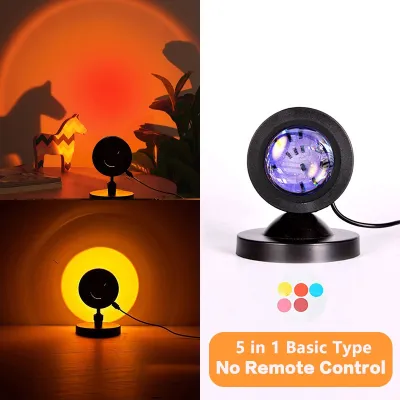
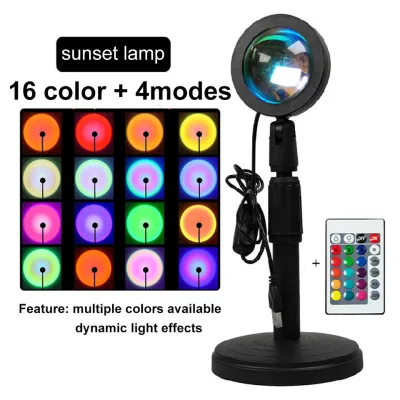
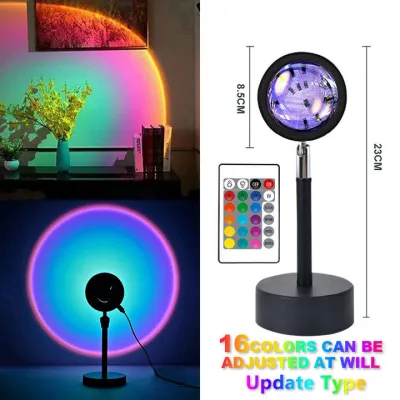
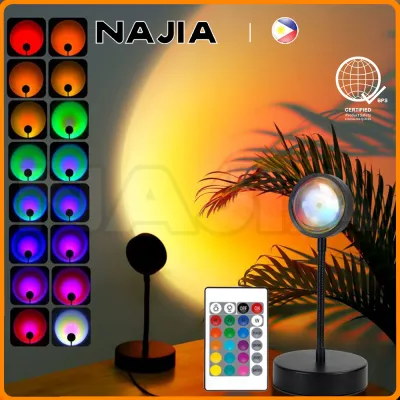
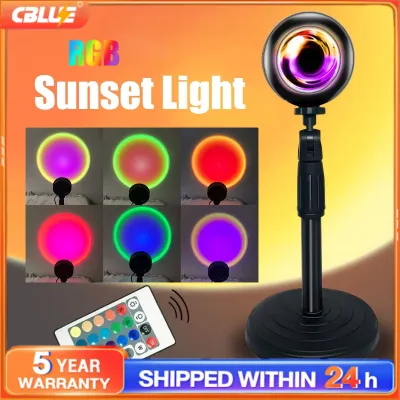
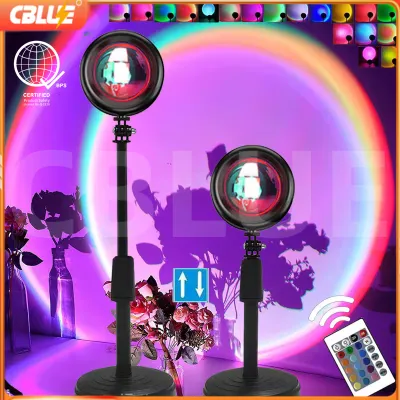
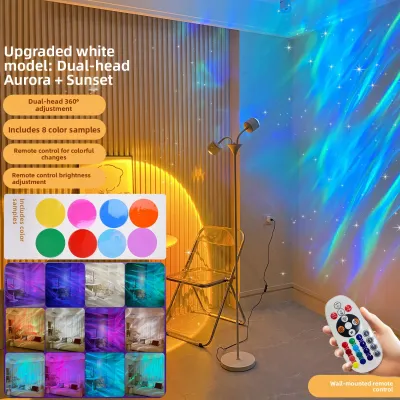
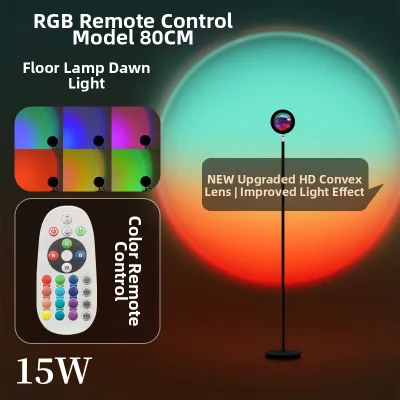
Prices are valid at publication and may change. Please refer to the product page for the latest price.
If your goal is a sharp, defined circle of light to frame a specific piece of decor, look for a lamp with a focused halo lens.
For a soft, sunset-like glow that mimics natural evening light across an entire corner, a wide gradient projection lens is more suitable, provided you have enough unobstructed wall clearance to let the colors blend naturally.
Matching the Lamp's Physical Footprint to Condo Furniture
Condo living requires maximizing vertical space and keeping flat surfaces clear of clutter. Measure the base diameter of any potential sunset lamp and compare it directly to the available surface area on your nightstand, floating shelf, or console table.
A heavy, stable base is essential to prevent the lamp from tipping over, especially if it is placed on a narrow shelf or near the edge of a desk.
Cord management is another critical factor in tight layouts where outlets may be limited or awkwardly positioned. Check the product specifications for cord length and verify if the power connection is USB-powered or uses a standard wall plug, allowing you to route the cable neatly behind furniture.
Tabletop models are generally the most versatile choice for small rooms, as they can be easily repositioned on existing furniture. Floor-standing models can work well if you have an empty corner, but they require dedicated floor space that might otherwise be used for storage or seating.
Selecting Brightness and Halo Styles for Compact Rooms
Excessive brightness in a small room can quickly turn a relaxing atmosphere into an uncomfortable glare. Look for sunset lamps that feature adjustable brightness levels or built-in dimming controls, which allow you to soften the illumination as you wind down for the evening.
The color temperature of the projection—ranging from deep, fiery oranges to soft, golden hour yellows—will interact directly with your condo’s wall paint. Neutral white or light beige walls reflect these warm tones beautifully, whereas dark or highly textured walls may absorb the light and alter the intended color effect.
Low ceilings, common in many high-rise developments, can limit how high you can project the light. Selecting a lamp with switchable projection modes, such as a half-halo or an adjustable head angle, helps you direct the beam precisely where you want it without creating harsh reflections on the ceiling.
Safe Placement and Heat Management in Small Layouts
Because sunset lamps use high-intensity LEDs, they can generate noticeable heat during extended use. Always ensure there is adequate clearance around the lamp head for heat dissipation, especially if you place the unit near curtains, bedding, or inside an enclosed shelving unit.
Position the lamp to avoid direct eye exposure, as staring directly into the projection lens can cause temporary discomfort. Be mindful of nearby mirrors, glass cabinet doors, or glossy television screens that might catch the beam and bounce distracting reflections back into your seating or sleeping areas.
Keep the power adapter and the lamp housing clear of high-traffic walkways where they could be tripped over, and ensure all cables are kept away from flammable materials to maintain a safe living environment.
Building Your Shortlist: Specs to Verify on E-commerce Platforms
When browsing online marketplaces or official brand stores, start by verifying the electrical specifications. Ensure the lamp is compatible with the standard 220V electrical system in the Philippines, or confirm that it uses a standard 5V USB interface that can safely run off a certified USB wall charger.
Compare the listed price in ₱ against your budget, keeping in mind that extremely cheap models may compromise on heat dissipation or lens quality. Check the seller’s ratings, return policies, and warranty terms to protect your purchase in case of defects.
Read through verified customer reviews to cross-reference the manufacturer’s claimed projection size with real-world performance. Look for user-uploaded photos that show the lamp in actual room settings, which will give you a more accurate idea of the color accuracy, brightness, and build quality before you make your final decision.
Frequently Asked Questions (FAQ)
Can a sunset lamp serve as the primary light source in a small bedroom?
No, a sunset lamp is designed strictly as an ambient accent light to create mood and visual interest. It does not provide the balanced, even illumination required for tasks like reading, working, or grooming. For a functional and comfortable space, layer your lighting by combining the sunset lamp with primary overhead lights and dedicated task lamps.
What is the ideal wall distance for a sharp halo effect?
The ideal distance depends entirely on the specific lens design and optical focus of your lamp. To find the best spot, place the lamp close to the wall and slowly move it backward until the edges of the projected circle reach your desired clarity. Refer to the manufacturer’s instructions for any recommended distance ranges to avoid overextending the beam and losing image sharpness.

Community discussion
Share your experience or ask a question. Comments are reviewed before publication.