
Task vs. Ambient: Understanding Your Core Lighting Needs
Lighting is more than a tool to banish darkness; it is a functional and physiological element that shapes how you interact with your home. To choose the right table lamp, you must first understand the distinct optical goals of task lighting versus ambient lighting. Task lighting is designed for visual acuity, providing a focused, high-contrast beam that minimizes shadows on a specific surface, such as the pages of a novel or a tablet. Ambient lighting, on the other hand, aims for spatial comfort and mood, wrapping a room in soft, diffused illumination that softens harsh angles and eliminates dark corners.
These different lighting types interact directly with your eyes and body. When you are reading, your eyes require sufficient localized brightness to contract your pupils slightly, which sharpens focus and reduces cognitive strain. Conversely, when you are winding down in your living area, softer and warmer light signals your brain to reduce cortisol production and transition into a state of rest. To find the perfect fixture, you must evaluate how a table lamp performs across four primary dimensions: brightness (measured in lumens), color temperature (measured in Kelvin), light distribution, and physical adjustability.
What to Look for in a Bedside Reading Lamp
Selecting a table lamp for your bedside table requires balancing your personal reading comfort with the comfort of anyone sharing your sleeping space. The ideal fixture provides clear, sharp illumination on your page while keeping the rest of the room relatively dark.
Products mentioned in this guide
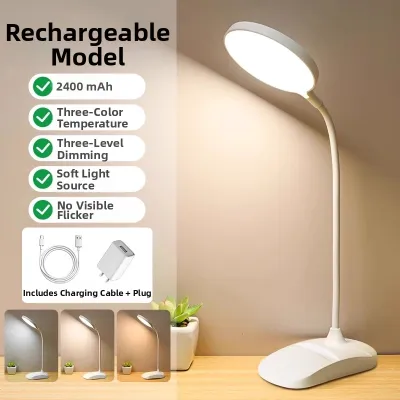
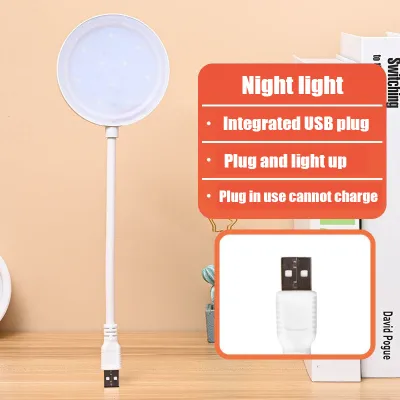
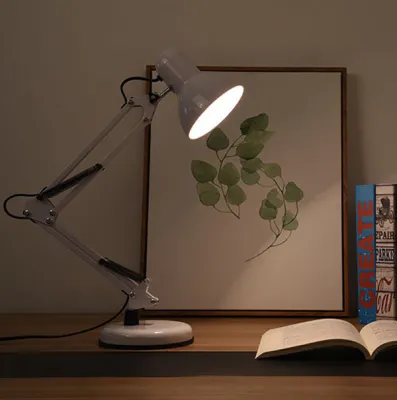

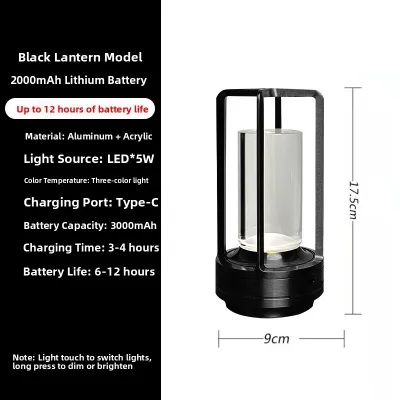
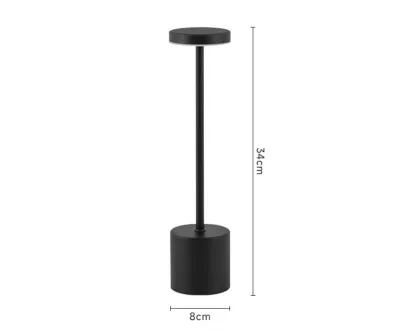
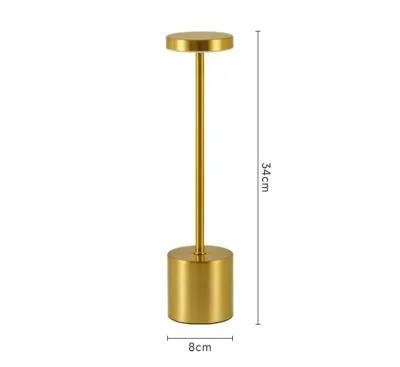
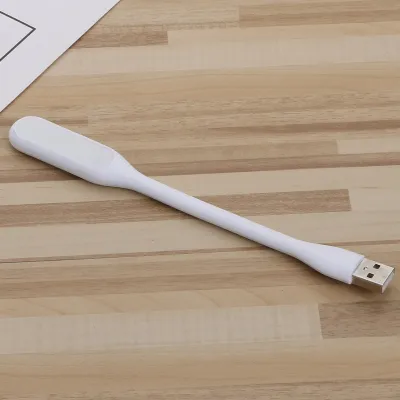
Prices are valid at publication and may change. Please refer to the product page for the latest price.

Brightness, Color Temperature, and Eye Comfort
For comfortable bedside reading, look for a bulb or integrated LED that delivers between 400 and 800 lumens. This range provides sufficient brightness for high-contrast reading without overwhelming your eyes in an otherwise dark room. If you primarily read on self-illuminated screens like tablets or e-readers, you can opt for the lower end of this range, around 400 lumens, to balance the screen’s native light.
Color temperature plays a vital role in sleep hygiene. Exposure to cool, blue-rich light in the evening suppresses melatonin production, making it harder to fall asleep. Therefore, a warm color temperature of 2700K to 3000K is highly recommended for evening reading. This spectrum provides a cozy, relaxing glow that mimics traditional incandescent bulbs while maintaining excellent legibility. If you also use your bedside lamp for daytime tasks, a slightly cooler white of up to 4000K can increase alertness, but keep it warm for nighttime reading.
When choosing a bulb, check the packaging for the Color Rendering Index (CRI). A high CRI of 90 or above (CRI 90+) ensures that colors look natural and the contrast between black text and white pages is sharp. This high level of color accuracy reduces the mental and physical effort required to read, preventing eye fatigue during extended reading sessions.
Adjustability, Shades, and Glare Control
The physical design of your bedside table lamp directly affects how well it directs light. Fixed, upright lamps often cast shadows or force you into uncomfortable reading postures. To avoid this, prioritize lamps with adjustable arms, goosenecks, or pivoting heads. These mechanisms allow you to position the light source precisely over your book or device, keeping your neck and back in an ergonomic position.
The lamp shade is your primary defense against glare and unwanted light spill. For bedside reading, avoid translucent fabric or glass shades that allow light to escape horizontally. Instead, choose opaque, metal, or dark-lined shades. These materials block lateral light bleed, keeping your partner’s side of the bed in darkness while focusing a clean, downward beam directly onto your reading material.
Because bedside tables are often narrow and crowded with water glasses, phones, and books, stability is a critical safety consideration. An adjustable lamp with an extended arm shifts its center of gravity when moved. Ensure your chosen lamp has a heavy, weighted base—ideally with a non-slip silicone or felt pad on the bottom—to prevent the fixture from tipping over during adjustments.
Choosing the Perfect Living Room Ambient Lamp
In the living room, table lamps serve as decorative accents that contribute to a layered lighting scheme. Rather than focusing light on a single task, these lamps should wash the room in soft, glare-free illumination that enhances the overall atmosphere.
Light Diffusion and Warmth
For ambient living room lighting, lower individual brightness is preferred, typically between 200 and 400 lumens per lamp. Instead of relying on one bright light source, position multiple low-lumen lamps around the room to eliminate dark corners and create a balanced, inviting environment.
To foster a relaxing, cozy atmosphere, choose warm color temperatures between 2200K and 2700K. This amber-toned light mimics candlelight and golden hour sun, softening the room’s textures and encouraging relaxation. It is a conditional preference that works exceptionally well for winding down after a long day.
To achieve this soft, scattered light, the shade material is crucial. Opt for translucent shades made of linen, cotton, textured paper, or frosted glass. These materials diffuse the light as it passes through, eliminating harsh shadows and hiding the bare bulb from direct view. Ensure the shade is deep enough to completely cover the bulb from your line of sight when you are seated on the sofa.
Style, Scale, and Decorative Impact
Living room table lamps are prominent design elements that should complement your home’s aesthetic. The base material and finish offer an opportunity to express your style. For example, a ceramic or textured stoneware base fits beautifully into rustic, bohemian, or Japandi interiors. In contrast, polished brass, matte black metal, or sculptural glass bases suit modern, minimalist, or traditional spaces. In humid tropical environments, look for powder-coated metals or treated woods to prevent rust and warping over time.
Scale and proportion are essential for visual balance. A massive lamp will overwhelm a small side table, while a tiny lamp will look lost on a large console. As a general rule, the lamp’s height should be proportional to the furniture it sits on. For a standard side table next to a sofa, a lamp height of 24 to 34 inches (including the shade) is usually ideal.
Before purchasing, measure the depth and width of your table surface. The lamp base should fit comfortably within the middle third of the table, leaving plenty of room for a cup of coffee, remote controls, or books without hanging over the edge or creating a cluttered appearance.
Can One Table Lamp Handle Both Reading and Ambiance?
If you live in a studio apartment or have a multi-purpose room where a single table lamp must serve both reading and ambient duties, you can achieve this flexibility with modern lighting technology.
The most effective option is a table lamp with built-in stepless dimming and adjustable color temperature, often called a tunable white LED lamp. These fixtures allow you to transition from a bright, focused 4000K daylight setting for reading or working, down to a soft, warm 2200K amber glow for evening relaxation. Look for models with touch-sensitive controls on the base for seamless adjustments.
Alternatively, you can install a compatible smart LED bulb into a standard lamp fixture with an E27 screw base. Through a mobile app or smart home system, you can program custom lighting scenes. For instance, you can set a “Reading” scene that boosts the bulb to 600 lumens at 3000K, and an “Ambiance” scene that dims it to 200 lumens at 2200K.
However, keep in mind the physical and optical limitations of the fixture itself. A highly decorative ambient lamp with a wide, translucent fabric shade will never be able to focus light as precisely as a dedicated reading lamp with an adjustable arm. Even with a smart bulb, a translucent shade will still bleed light sideways, which might strain your eyes during long reading sessions or disturb someone sitting nearby. If you must use one lamp for both, look for a hybrid design, such as an ambient lamp that includes a small, separately switched, adjustable reading arm attached to the main stem.
Final Sizing, Usability, and Safety Checks
Before purchasing any table lamp, perform a few practical checks to ensure it is convenient, safe, and fully compatible with your home.
First, evaluate the switch type and its placement. For a bedside lamp, an inline cord switch that hangs behind the nightstand can be frustrating to find in the dark. Instead, look for a touch-activated base, a rotary socket switch, or a pull chain that you can easily reach without sitting up. For a living room lamp placed on a console table behind a sofa, an inline foot switch on the floor cord can be highly convenient.
Second, double-check the height alignments. When sitting upright in bed against your headboard, the bottom of the bedside lamp’s shade should be roughly at eye level. If the lamp is too tall, the bare bulb will shine directly into your eyes; if it is too short, the light will cast a shadow over your book. For the living room, sit on your sofa and measure the height from the floor to your eyes. The bottom of the lamp shade on an adjacent side table should align with or sit slightly below this eye level to prevent glare while you relax.
Finally, prioritize electrical safety. The electrical system in the Philippines operates on a standard voltage of 220V at a frequency of 60Hz. Many imported lamps, especially those sourced from online marketplaces or international retailers, are designed for 110V/50Hz systems. Connecting a 110V lamp directly to a 220V outlet without a proper step-down transformer can destroy the fixture, blow a fuse, or present a serious fire hazard.
Always verify that the lamp’s electrical cord, socket, and plug are rated for 220V/60Hz and carry local safety certifications, such as the Philippine Standard (PS) mark or Import Commodity Clearance (ICC) sticker. If you are using smart bulbs or LED adapters, ensure they are compatible with 220V to prevent flickering or premature failure. For any hardwired fixtures or complex smart home setups, always consult a qualified professional electrician to ensure safe installation.
Frequently Asked Questions (FAQ)
What is the best color temperature for reading in bed?
For evening reading in bed, the optimal color temperature is between 2700K and 3000K. This warm, soft white light provides excellent contrast for reading printed text or e-paper screens while minimizing blue light exposure. This warm spectrum helps signal your brain to produce melatonin, promoting a natural transition into restful sleep. Cooler light temperatures, such as 4000K or higher, are best reserved for daytime study or highly detailed tasks, as they can disrupt your circadian rhythm if used late at night.
How tall should a living room table lamp be?
A living room table lamp should generally stand between 24 and 34 inches tall from the base to the top of the shade. To prevent glare, the bottom of the lampshade should align roughly with your eye level when you are seated on the sofa or armchair. This placement ensures that the bare bulb remains hidden from direct view while allowing the diffused ambient light to spread comfortably across your seating area and side tables.
Community discussion
Share your experience or ask a question. Comments are reviewed before publication.