
Finding the ideal waterproof plug-in fairy lights for your outdoor garden in the Philippines means balancing beautiful aesthetics with rigorous safety standards. Our tropical climate brings intense heat, high humidity, and torrential monsoon rains, which can quickly degrade poorly insulated outdoor lighting. While battery-operated or solar options exist, plug-in fairy lights remain the preferred choice for homeowners seeking consistent, bright, and reliable illumination throughout the night. To make a safe and lasting investment, you must look beyond generic “waterproof” marketing claims and evaluate technical specifications such as Ingress Protection (IP) ratings, wire insulation materials, and plug safety.
Decoding Waterproof Ratings and Weather Resistance
When shopping for outdoor lighting, the term “waterproof” is often used loosely by manufacturers. To understand how well a set of fairy lights will actually perform under heavy tropical downpours, you must look for its Ingress Protection (IP) rating. This rating consists of two numbers: the first indicates protection against solid objects like dust and insects, while the second measures resistance to moisture. For outdoor garden lights, a minimum rating of IP44 is required for basic splash resistance, but IP65 or IP67 is highly recommended for areas fully exposed to heavy rain.
An IP44 rating means the lights can handle splashes of water from any direction, making them suitable for semi-covered areas like patios, verandas, or under roof eaves. However, if you plan to drape the lights across open garden beds, wrap them around exposed tree trunks, or hang them along fences, you should opt for IP65 or higher. IP65-rated lights are dust-tight and can withstand direct water jets, ensuring they remain safe and functional even during severe monsoon storms. IP67-rated lights offer even greater protection, allowing the string to survive temporary submersion in shallow water, which is highly beneficial for low-lying pathway borders where water might pool during sudden downpours.
Products mentioned in this guide
Prices are valid at publication and may change. Please refer to the product page for the latest price.
A common pitfall for homeowners is assuming that the entire lighting product shares the same waterproof rating. In reality, the light string itself might be rated IP65, but the plug and the step-down transformer—which converts the high-voltage mains power to a safer low voltage—are often only rated IP44 or even IP20, which is strictly for indoor use. Before installation, inspect the product labels carefully. If the transformer is only IP44, it must never be left exposed to direct rain; it must be plugged into a weatherproof outdoor socket enclosure or kept under a covered porch.
Always prioritize products that display certified IP ratings printed directly on the product tag, transformer housing, or user manual. Avoid generic marketing terms that promise absolute weatherproofing without providing these standardized ratings. Verifying these specifications ensures that your garden setup remains safe and that you do not inadvertently introduce electrical hazards into your outdoor living space.
Essential Electrical and Physical Specifications
Operating outdoor electrical appliances in a tropical environment requires strict adherence to local electrical standards. In the Philippines, the standard residential voltage is 220V at a frequency of 60Hz. When purchasing plug-in fairy lights, verify that the transformer is designed specifically for this voltage range. Standard plugs in the country typically feature Type A (two flat parallel prongs) or Type B (two flat prongs with a grounding pin) configurations. Ensure that your outdoor outlets match the plug type directly to avoid using loose adapters, which can create gaps where moisture can easily enter and cause a short circuit.

The physical material of the wire is just as critical as its electrical compatibility. Thin copper wires coated in micro-plastic are popular for their delicate, nearly invisible appearance, but they are highly vulnerable to physical damage and UV degradation under the intense tropical sun. For permanent or long-term outdoor garden installations, heavy-duty rubberized cables, such as rubber-insulated or thick PVC-jacketed wires, are far superior. These robust materials resist cracking from prolonged UV exposure, prevent moisture from seeping into the conductors, and can withstand the physical tension of being strung between trees or along fences.
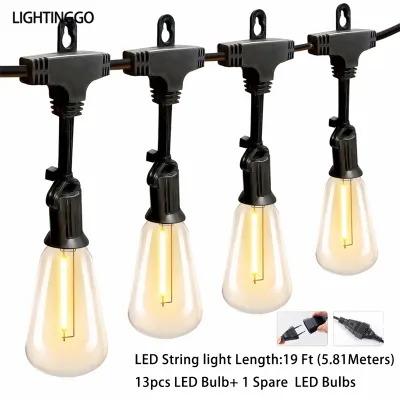
Bulb technology is another key factor in determining the durability and efficiency of your garden lights. Light Emitting Diode (LED) bulbs are highly recommended over traditional incandescent bulbs. LEDs consume up to 90% less energy, emit virtually no heat—which protects delicate garden foliage from burning—and have a significantly longer operational lifespan. Additionally, you must choose between integrated (sealed) and replaceable bulbs. Sealed LED strings offer superior water resistance because there are no socket gaps where moisture can seep in, but if a single bulb fails, the entire string might need to be replaced. Replaceable bulbs, such as G40 or S14 style strings, allow you to swap out individual broken bulbs easily, but they require tight, high-quality rubber gaskets around each socket to prevent water ingress.
Before making a purchase, measure the perimeter of your garden beds, the height of the trees, or the length of the patio beams you plan to decorate. Always allow for a 10% to 15% slack factor so the wires are not pulled taut, which can strain the connections. When budgeting, consider both the initial purchase price in ₱ and the long-term operating costs. While high-quality, IP65-rated rubberized LED strings have a higher upfront cost in ₱ compared to cheap, unrated alternatives, they save money over time by avoiding frequent replacements and keeping electricity bills low due to their minimal wattage draw.
Matching Light Design and Color to Your Garden
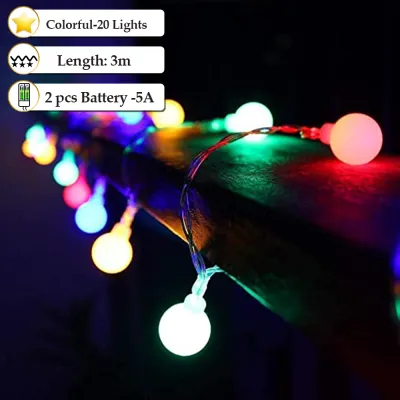
The design and color of your fairy lights play a significant role in shaping the nighttime ambiance of your outdoor space. Color temperature is measured in Kelvin (K) and dictates the warmth or coolness of the light. Warm white (typically 2700K to 3000K) creates a cozy, inviting, and romantic atmosphere, making it perfect for residential gardens, dining areas, and quiet patios. Cool white (5000K to 6500K) provides high visibility and a modern, crisp look, which is highly useful for security lighting or highlighting specific architectural features. Multicolor (RGB) options are excellent for festive occasions, holidays, and lively outdoor gatherings, allowing you to change the mood instantly.
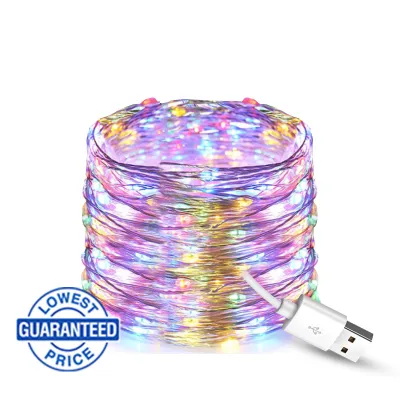
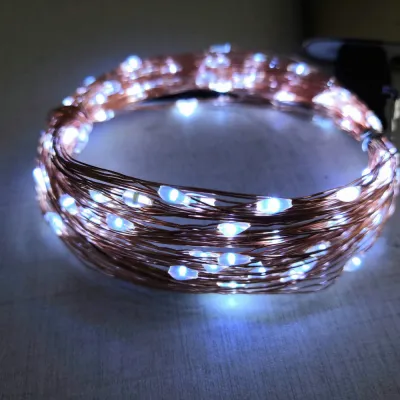
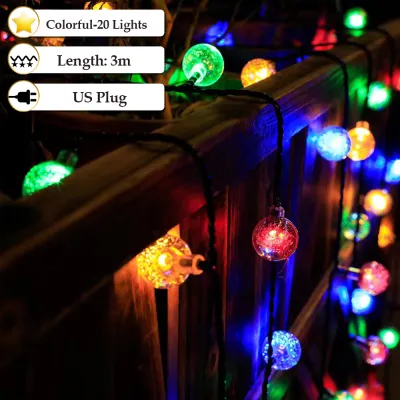
Bulb shapes also influence the visual impact of your lighting design. Micro-fairy lights, which feature tiny dewdrop LEDs on thin wires, are best wrapped tightly around tree trunks or woven through dense shrubs for a subtle, magical glow. Larger globe bulbs, such as G40, or classic Edison-style teardrop bulbs, such as S14, create a timeless bistro or cafe aesthetic when draped overhead across open spaces or along fences.
To achieve a professional look, plan your layout carefully before hanging the lights. To prevent sagging, especially over wide spans, avoid stretching the light string itself to support its own weight. For spans longer than a few meters, install a guide wire—such as a tensioned stainless steel cable—and attach the fairy lights to it using outdoor-rated zip ties. This relieves physical stress on the electrical wire, prevents wind damage during stormy weather, and ensures a clean, straight hang.
Safe Installation and Powering Practices
Safety must be your top priority when installing plug-in fairy lights outdoors. Always plug outdoor lights into a Ground Fault Circuit Interrupter (GFCI) outlet. GFCI outlets are designed to instantly shut off power if they detect an electrical leak, preventing severe shocks and electrical fires. Use outdoor-rated extension cords that match or exceed the wattage requirements of your light strings. Ensure all outdoor connections are protected by weatherproof, heavy-duty plastic socket covers to keep rain, morning dew, and sprinkler water out of the plugs.
When mounting your lights, never use metal nails, staples, or tacks. These sharp fasteners can easily pierce the protective wire insulation over time, exposing live wires and creating severe short circuits, electrical fires, or shock hazards. Instead, use insulated plastic cable clips, outdoor-rated adhesive hooks, or UV-resistant nylon zip ties. When wrapping trees, leave enough slack to accommodate the natural growth of the branches over time, preventing the wire from strangling the tree or snapping as the tree grows.
While hanging pre-assembled plug-in lights is a straightforward DIY project, any permanent electrical work must be handled by a qualified professional. If you need to install new outdoor GFCI outlets, run underground conduit through your garden, or mount heavy lighting fixtures on high, damp structural surfaces, stop and hire a licensed electrician. Working with 220V mains power in wet outdoor environments carries significant risk if not done to code, and professional installation ensures your system is fully grounded and safe.
Routine Maintenance and Off-Season Storage
Regular maintenance is essential to extend the lifespan of your outdoor fairy lights and ensure they remain safe to use. Perform routine visual checks of your garden lighting setup at least once a month. Look for signs of wear such as cracked bulb casings, frayed wire insulation, or rust on the metal plug prongs. Check the inside of the weatherproof plug covers for any signs of moisture accumulation, dirt buildup, or insect nesting, which can compromise the electrical connections.
Over time, dust, pollen, and water spots will accumulate on the bulbs, dimming their brightness. To clean them safely, isolate the power by unplugging the system completely from the outlet. Wipe the bulbs and wires gently with a damp microfiber cloth. Never submerge any electrical components, plugs, or transformers in water, and allow the entire string to dry completely before plugging it back in.
If you take your lights down during the typhoon season or after the holidays, proper storage is crucial. Wind the strings carefully around a plastic spool or a piece of cardboard to prevent tight kinks and tangles, which can break the internal copper conductors. Store the lights in a cool, dry, pest-free indoor environment, away from direct sunlight and extreme humidity, which can degrade the plastic and rubber components over time.
Frequently Asked Questions (FAQ)
Can I connect multiple plug-in fairy light strings together?
Yes, many plug-in fairy lights are designed with end-to-end connectors, but you must strictly follow the manufacturer’s limits. Check the product label for the maximum wattage or the maximum number of connectable strings (often limited to 3 or 5 strings for heavy-duty lines, or more for low-wattage LEDs). Overloading the primary plug or exceeding the maximum run length can overheat the wires, melt the insulation, and create a serious fire hazard. Never mix different brands or models on the same run unless explicitly permitted by the manufacturer.
What should I do if the plug-in transformer gets wet during a storm?
If you suspect the transformer or plug has been compromised by water, prioritize safety. Do not touch the wet components or attempt to unplug them while standing on wet ground. Go directly to your home’s main electrical panel and shut off the circuit breaker powering that outdoor outlet. Once the power is completely isolated, unplug the transformer. Inspect it for water ingress; if water has penetrated a non-waterproof housing, the unit may be permanently damaged. Allow it to dry completely in a warm, dry place for several days, or consult a professional electrician to test it before attempting to use it again. If in doubt, discard and replace the transformer.
Are solar-powered alternatives better than plug-in lights for gardens?
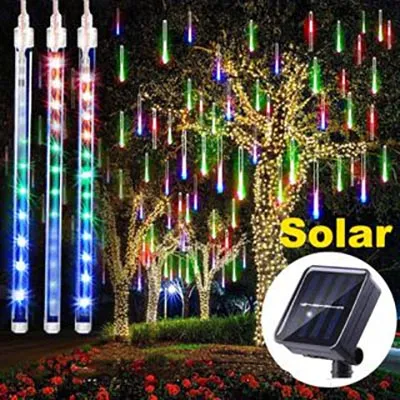
It depends on your garden’s layout and your lighting goals. Solar-powered lights offer excellent placement flexibility since they do not require proximity to an electrical outlet, and they incur zero operating costs. However, they rely heavily on direct sunlight to charge, which can be inconsistent during the rainy season in the Philippines. Plug-in fairy lights provide consistent, reliable brightness regardless of the weather, do not suffer from runtime limitations, and are generally much brighter than solar alternatives. For reliable, year-round garden illumination, plug-in lights remain the superior choice.
Community discussion
Share your experience or ask a question. Comments are reviewed before publication.