
To ensure your cherry blossom led light survives the intense outdoor conditions in the Philippines, you must look past generic “waterproof” marketing claims and select a specific Ingress Protection (IP) rating. For fully exposed areas like open gardens, lawns, or tree branches, an IP65 rating is the recommended minimum to withstand heavy tropical downpours and wind-driven rain. For semi-sheltered spaces like covered porches, balconies, or deep eaves, an IP44 rating may suffice, provided the power source and connectors are fully protected from moisture. While the decorative style, perceived color temperature, and spatial effects of these floral displays are a matter of personal preference, their ability to withstand the elements is a strict technical requirement that determines how long your investment will last.
Decoding IP Ratings on Cherry Blossom LED Lights
When shopping for a cherry blossom led light on an ecommerce platform or at a local home improvement store, you will often see the term “waterproof” printed on the packaging. However, this term is highly subjective and does not guarantee that the product can withstand a tropical storm. To understand the actual water and dust resistance boundaries of your lights, you must decode the Ingress Protection (IP) rating, which is a standardized classification system defined by international electrical standards.
The IP rating consists of two digits. The first digit, ranging from 0 to 6, indicates the level of protection against solid particles, such as dust, dirt, and accidental contact. A rating of 5 means the enclosure is protected against harmful dust deposits, while a rating of 6 indicates the unit is completely dust-tight. For outdoor lighting, a high solid protection rating is essential to prevent fine dust, soil, and small insects from entering the light housing and causing short circuits.
Products mentioned in this guide
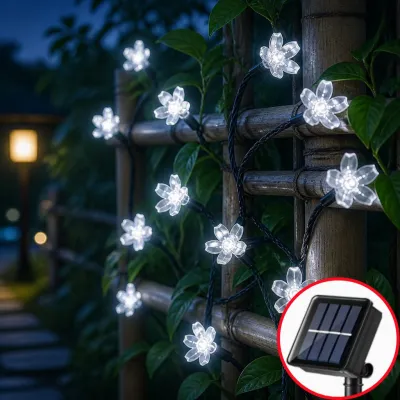
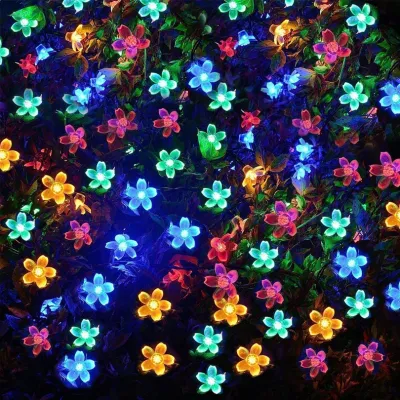
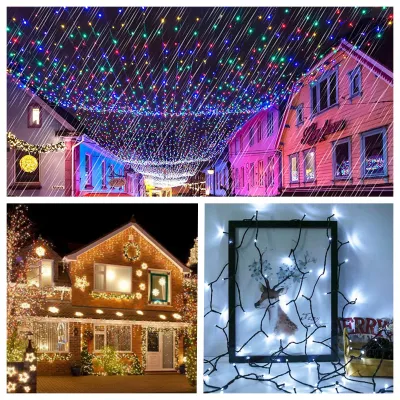
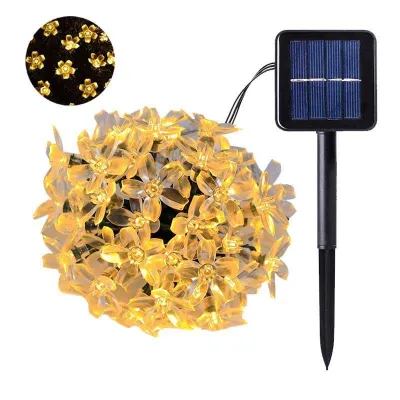
![[BUY 1 TAKE 1] Solar Flower Strings Lights Christmas Light Outdoor Waterproof Solar Fairy Lights 5M/7M Cherry Blossoms String Lights Solar Led String Lights For Outdoor Home Lawn Wedding Patio Party And Holiday Decorations In In Ubester](https://img.lazcdn.com/g/p/812a417ff252980790136f69e763ca88.jpg_400x400q80.jpg_.webp)
Prices are valid at publication and may change. Please refer to the product page for the latest price.
The second digit, ranging from 0 to 9, indicates the level of protection against liquid ingress. This is the most critical number to look for when planning an outdoor holiday or event display. A liquid protection digit of 4 means the light can withstand splashing water from any direction. A digit of 5 indicates protection against low-pressure water jets, while a digit of 6 protects against high-pressure water jets. A digit of 7 means the product can survive temporary immersion in water up to one meter deep for a limited time.
Understanding these specific definitions helps you avoid common purchasing mistakes. For instance, a light string rated IP44 is splash-proof and suitable for sheltered outdoor areas, but it is not designed to be submerged or subjected to direct, high-pressure water streams. By looking for the exact IP code rather than relying on vague marketing terms, you can make an informed decision that matches your specific installation environment.
Matching the IP Rating to Your Installation Spot
Choosing the right waterproof rating requires a careful assessment of where you plan to hang your cherry blossom led light. Outdoor spaces are rarely uniform; some areas are completely open to the elements, while others benefit from architectural shielding. By matching the IP rating to the specific physical location and overhead cover of your intended display, you can balance cost, safety, and durability.

Fully Exposed Areas Like Yards and Open Trees
Yards, open lawns, pathways, and tree branches offer absolutely no protection from the elements. In these fully exposed zones, your cherry blossom led light will face the full force of direct rainfall, splashing water from the ground, and environmental debris. During heavy downpours, water can pool around the base of the lights or run down the branches, putting constant pressure on the seals.
For these open areas, you should select lights with a minimum rating of IP65. This level of protection ensures that the internal electrical components are shielded from dust and can withstand water projected by a nozzle from any direction. This is particularly important during intense tropical storms where rain is driven horizontally by strong winds, mimicking high-pressure water jets.
When installing lights in fully exposed areas, remember that a light string is only as waterproof as its weakest link. The connectors, end caps, and power adapters must also match or exceed the string’s primary IP65 rating. If you connect multiple strings together, the joint connections must be tightly sealed with waterproof connectors or wrapped in specialized weather-resistant enclosures to maintain system integrity and prevent water from seeping into the electrical contacts.
Semi-Covered Areas Like Porches and Eaves
Semi-covered areas, such as porches, verandas, balconies, and deep roof eaves, provide a physical barrier against direct vertical rainfall. Because these overhead structures reduce the direct impact of water, you may be able to use cherry blossom led light strings with a lower liquid protection rating, such as IP44, under calm weather conditions.
However, you must still account for the persistent risk of wind-blown rain and ambient humidity. In the Philippines, tropical storms often bring strong winds that blow rain sideways, easily reaching under porches and eaves. Furthermore, the high humidity levels characteristic of a tropical climate mean that moisture is constantly present in the air, which can slowly condense inside the decorative cherry blossom flower caps.
Therefore, even in semi-sheltered spots, a basic level of moisture resistance is non-negotiable. An IP44 rating ensures the lights are protected against splashing water from any angle, making them resilient enough to handle occasional wind-blown droplets and high humidity. If your porch is highly exposed to coastal winds or frequent driving rain, upgrading to IP65 is a safer choice to ensure long-term reliability.
Navigating the Philippine Wet Season and Humidity
The tropical climate of the Philippines presents unique environmental challenges that go beyond standard laboratory testing conditions. Standard IP ratings are determined in controlled environments with clean water and short exposure times. They do not fully account for the prolonged, intense wet seasons, high relative humidity, and frequent typhoons that characterize the local climate.
During the monsoon season, heavy rains can persist for days, subjecting outdoor decorations to continuous moisture exposure. This prolonged wetness can exceed the limits of lower IP-rated lights, as water slowly finds its way through microscopic gaps in the seals. To counter this, choosing lights with a higher IP rating than theoretically required provides a crucial safety margin that protects your investment from premature failure.
High year-round humidity is another silent threat to electrical components. Moisture in the air can slowly penetrate control boxes, battery compartments, and electrical contacts, leading to corrosion, rust, and eventual short circuits. When purchasing cherry blossom led lights, look for models that feature fully sealed control boxes and corrosion-resistant copper wiring to withstand the humid tropical air.
Additionally, the intense tropical sun that follows heavy rain can be highly destructive. Ultraviolet (UV) radiation degrades plastic casings, wire insulation, and silicone seals over time, causing them to become brittle, yellow, and cracked. Once the outer insulation or bulb seals crack, water can easily enter the system during the next rainstorm. It is highly recommended to check manufacturer specifications for UV-resistant or UV-stabilized materials to ensure the lights do not degrade under the harsh sun.
Safe Installation and Electrical Boundary Checks
Installing outdoor lighting requires strict adherence to safety protocols to prevent electrical hazards, short circuits, or fire risks. Before beginning any installation, you must verify the technical specifications of your cherry blossom led light, including the operating voltage, base or interface type, wattage limits, physical dimensions, and electrical certifications. In the Philippines, look for products that carry valid safety certifications, such as the Philippine Standard (PS) mark or the Import Commodity Clearance (ICC) sticker.
One of the most critical safety rules is to keep power adapters, transformers, and control boxes dry. Even if the light string itself is rated IP65, the plug and the controller box are often rated lower, sometimes only IP20 (indoor use only) or IP44. These components must be plugged into an outdoor-rated, weatherproof electrical outlet box (such as an IP56 or IP66 enclosure) or kept in a fully sheltered, dry location. Never leave a standard indoor plug exposed to the rain.
Before hanging your lights, perform a thorough physical inspection. Unroll the string and check the wire insulation for any cuts, fraying, or exposed copper. Inspect the silicone cherry blossom petals to ensure they are securely attached and that the seals around the LED bulbs are intact. Check the connector joints and ensure that the rubber O-rings are properly seated inside the screw-on connectors to prevent water ingress.
Always isolate the power by turning off the circuit breaker or unplugging the system before hanging, adjusting, or cleaning the lights. If you are planning a permanent outdoor installation, working at significant heights, installing lights in highly damp areas, or setting up a high-load system with multiple connected strings, do not attempt to do it yourself. Consult a qualified professional electrician to ensure the wiring complies with local electrical codes and can safely handle the electrical load.
Maintenance and Typhoon Season Storage
Proper maintenance and seasonal care are essential to prolonging the lifespan of your cherry blossom led light and ensuring safe operation year after year. While high-quality outdoor lights are designed to withstand rain, they are not indestructible. Taking proactive steps during extreme weather events and performing regular cleaning will protect your decor from damage.
During severe weather warnings or typhoon season, the safest course of action is to unplug and take down your outdoor lights. Strong winds can whip the light strings against tree branches or building structures, causing physical tearing, broken wires, and shattered decorative petals. Furthermore, the extreme wind pressure during a typhoon can force water past even high-quality IP65 seals, leading to internal water damage.
Regular cleaning is also important for maintaining the integrity of the seals. Over time, dirt, dust, pollen, and organic debris can accumulate on the silicone cherry blossom shapes and around the bulb housings. This debris can trap moisture against the seals, accelerating the degradation of the plastic and silicone materials. To clean the lights, ensure they are completely unplugged, and gently wipe them down with a damp cloth. Avoid using harsh chemical cleaners that could degrade the waterproof coatings.
If you take the lights down for storage, ensure they are completely dry before packing them away. Any moisture trapped inside the storage container can lead to mold growth, musty odors, and corrosion of the electrical contacts. Store the lights in a cool, dry, and well-ventilated indoor space, away from direct sunlight and pests, so they are ready for safe use during the next festive season.
Frequently Asked Questions (FAQ)
Can I Leave Cherry Blossom LED Lights Outside All Year?
While high-quality outdoor cherry blossom led lights with an IP65 rating are designed to withstand rain and dust, leaving them outside permanently is not recommended in a tropical climate. Continuous exposure to intense UV radiation, high temperatures, and constant humidity will accelerate the degradation of the plastic insulation, silicone petals, and waterproof seals. Over time, the wires may become brittle and crack, and the plastic may yellow, compromising both safety and appearance. It is best to use them seasonally and perform periodic inspections for wire brittleness, yellowing, and seal integrity to determine when they need to be replaced.
What to Do If Water Enters the LED Bulbs?
If you notice condensation, water droplets, or pooling water inside the decorative cherry blossom bulb housings, you must take immediate action. First, isolate the power by unplugging the light string from the electrical outlet; never touch wet wires or bulbs while the system is energized. Water inside the bulb indicates that the waterproof seal has failed. Do not attempt to use the compromised section of the lights. It is highly recommended to replace the damaged segment or the entire string, as internal moisture leads to rapid corrosion of the electrical contacts, which cannot be reliably reversed and poses a serious short-circuit or shock hazard.
Community discussion
Share your experience or ask a question. Comments are reviewed before publication.