
Selecting the ideal Wellmax ceiling fan with light for your home requires balancing cooling performance, illumination quality, and room-specific safety requirements. In a tropical climate like the Philippines, where high humidity and warm temperatures persist year-round, these dual-purpose fixtures serve as essential tools for maintaining indoor comfort. Finding the right model involves evaluating the physical dimensions of each room, checking the structural integrity of your ceilings, and understanding the specific lighting needs of your household. By matching the technical specifications of Wellmax fixtures to the unique demands of your living spaces, you can ensure efficient airflow and optimal lighting throughout your home.
Calculating Room Size and Lighting Requirements
Before purchasing any fixture, you must measure the square footage of the target room to determine the appropriate fan blade span. For small spaces under 100 square feet, a blade span of 30 to 48 inches is generally sufficient. Medium-sized rooms up to 225 square feet typically require a blade span between 48 and 54 inches, while larger communal areas benefit from spans of 56 inches or wider. Choosing a blade span that is too small forces the motor to run continuously at high speeds, increasing wear and energy consumption without providing adequate cooling.
Ceiling height dictates the mounting configuration of your ceiling fan. Standard rooms with ceilings around 8 to 9 feet high are best suited for standard downrod mounts, which position the fan blades at the optimal height of 7 feet from the floor. For low ceilings under 8 feet, a flush-mount or “hugger” configuration is necessary to maintain safe clearance. Conversely, high or vaulted ceilings require extended downrods to lower the fan to a level where its breeze can actually be felt. Additionally, check the physical dimensions of the fixture, including its overall drop from the ceiling, to ensure it does not obstruct doors or tall furniture.
Products mentioned in this guide
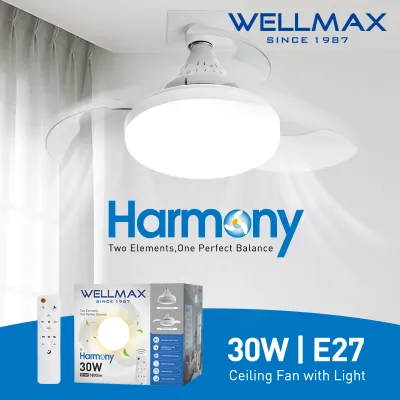
Prices are valid at publication and may change. Please refer to the product page for the latest price.
You must also identify the primary lighting function of the fixture based on how the room is used daily. Ambient lighting provides general illumination, while task lighting focuses bright, directed light on specific work areas. Finally, verify that your existing ceiling junction box is structurally rated to support the weight and dynamic motion of a combined fan-light fixture. Standard electrical boxes designed solely for lightweight light fixtures cannot handle the vibrations and weight of a spinning fan, making it necessary to upgrade to a heavy-duty, fan-rated junction box.
Matching Fan Specifications to Living and Dining Spaces
Communal areas like living and dining rooms serve multiple purposes, requiring versatile fixtures that adapt to changing activities. For open-concept living rooms, prioritize models with wider blade spans and higher lumen outputs to ensure air and light reach every corner. Because these rooms host everything from bright daytime gatherings to relaxed evening movie nights, look for Wellmax fixtures that feature adjustable color temperatures. This allows you to switch from a cool white light during active hours to a warm, cozy glow when winding down.

In the dining area, the placement of the ceiling fan directly over the dining table requires careful planning. You must verify the structural support and weight limits of the ceiling structure to ensure it can safely hold a larger, more decorative fixture. The airflow should be adjustable so that it provides a gentle, cooling breeze without cooling down hot meals too quickly or causing napkins and lightweight table decor to blow away.
Additionally, consider selecting models equipped with reversible motor functions. While the primary need in the Philippines is cooling, reversing the rotation of the fan blades can be highly beneficial for distributing air gently without creating a direct downward draft. This upward airflow pattern helps circulate air throughout the room during cooler rainy-season evenings, maintaining a comfortable, even temperature without making the dining or seating areas feel chilly.
Prioritizing Quiet Operation and Comfort in Bedrooms
For bedrooms, the primary considerations are quiet operation and customizable lighting that supports healthy sleep cycles. When browsing Wellmax models, check the product specifications for DC motor options, which operate much more quietly and consume less energy than traditional AC motors. A quiet motor prevents the low-frequency humming or clicking sounds that can easily disrupt light sleepers during the quietest hours of the night.
The lighting component of a bedroom ceiling fan should offer dimming capabilities and warm color temperature settings. Exposure to bright, cool blue light in the evening can interfere with your body’s natural sleep preparation, making warm, dimmable LED options ideal for bedroom environments. Look for fixtures that allow you to lower the light intensity gradually as you prepare for bed, creating a relaxing atmosphere that promotes rest. Be sure to verify the specific dimming method, such as triac or digital dimming, to ensure compatibility with your existing wall switches.
Airflow patterns must also be managed carefully to avoid creating harsh, direct drafts over the bed, which can cause dry eyes or throat irritation overnight. Positioning the fan slightly offset from the bed or utilizing lower speed settings can help maintain a gentle, indirect breeze that cools the room comfortably. Furthermore, ensure the integrated light diffuser is designed to minimize harsh glare, protecting your eyes from direct exposure to bright light sources when you are lying down.
Checking Moisture Resistance for Kitchens and Utility Areas
Kitchens and utility areas present unique environmental challenges, including high heat, steam, and airborne grease. Before installing a ceiling fan with light in these spaces, or in semi-outdoor areas like covered patios, you must verify the product’s IP rating or specific damp-location certifications. Standard indoor fans are not sealed against moisture, which can lead to electrical shorts, motor corrosion, and premature failure when exposed to humid conditions.
Blade material is another critical factor in high-humidity environments. Avoid natural wood blades, which can warp, sag, or split over time when exposed to steam from cooking or the natural humidity of the Philippine climate. Instead, opt for durable synthetic materials, specially treated metals, or ABS plastic blades that maintain their shape and balance despite frequent temperature and moisture fluctuations.
If the ceiling fan is intended to serve as the primary light source over a kitchen island or food preparation area, ensure the integrated light provides sufficient task lighting. Bright, high-color-rendering illumination is essential for safe food preparation and cooking. Finally, check the manufacturer’s cleaning guidelines to ensure the fixture’s surfaces and light diffuser can withstand regular wiping and mild degreasing agents, as kitchen fans accumulate grease and dust more quickly than those in other rooms.
Verifying Electrical Compatibility and Structural Support
Ensuring a safe installation requires a thorough review of your home’s electrical system and structural capacity. Verify that the voltage of the Wellmax fixture matches the standard 220V-240V electrical supply used in the Philippines. Additionally, check the wiring configuration; some models require separate physical wall switches for the fan and the light, while others rely on a single power source paired with an internal receiver for remote control operation. Always verify the bulb base or integrated LED interface, along with the maximum wattage limits, to prevent overloading the circuit.
Never mount a ceiling fan to a standard plastic or lightweight metal electrical box. You must confirm that the ceiling mounting bracket is securely anchored to a structural joist or a heavy-duty, fan-rated metal junction box capable of supporting dynamic loads of at least 35 to 50 pounds. This prevents the fixture from wobbling, vibrating, or detaching from the ceiling over time, which poses a severe safety hazard. Ensure the product carries recognized electrical safety certifications before proceeding with the installation.
While replacing an existing light fixture with a simple flush-mount fan can sometimes be a straightforward task, any installation involving new wiring, running lines through concrete ceilings, or modifying your home’s electrical panel must be handled by a licensed electrician. Prioritize safety by isolating the power at the main circuit breaker before touching any wires, and plan for the safe disposal of your old fixtures in accordance with local environmental guidelines.
Frequently Asked Questions (FAQ)
Can I install a Wellmax ceiling fan with light on a sloped ceiling?
Yes, many ceiling fans can be installed on sloped ceilings, but you must check the manufacturer’s specifications for the maximum allowable slope angle, which is typically around 15 to 30 degrees. If your ceiling exceeds this angle, you will need to purchase a specialized angled mounting bracket and an extended downrod to ensure the fan blades have sufficient clearance from the sloped surface.
Do Wellmax fans with lights include remote control compatibility?
Many modern Wellmax ceiling fans with lights come equipped with dedicated remote controls or are compatible with universal remote kits and wall-mounted regulators. These controls allow you to adjust fan speeds and light settings independently. Always verify if the remote receiver must be wired inside the fan canopy during installation and check the battery requirements.
How do I clean the fan blades without damaging the integrated light?
To clean the fixture safely, first turn off the power at the wall switch and allow the light diffuser to cool completely. Use a dry or slightly damp microfiber cloth to wipe dust from the blades, avoiding harsh chemical sprays or excessive moisture near the integrated light housing. Never pull down hard on the blades, as this can bend the brackets and cause the fan to wobble.
Community discussion
Share your experience or ask a question. Comments are reviewed before publication.