
Selecting the correct christmas lights wire for outdoor holiday displays requires balancing electrical safety, physical distance, and environmental resilience. For most residential outdoor setups, a heavy-duty 14-gauge or 16-gauge outdoor-rated extension cord is ideal for running power from your main outlet to your display area, while the light strings themselves typically feature integrated 18-gauge to 22-gauge wires. Choosing the right combination depends on the total wattage of your lights, the distance from your power source, and local climate conditions. In the tropical climate of the Philippines, where high humidity, sudden monsoon downpours, and warm temperatures are common during the festive season, understanding these specifications is essential to prevent electrical hazards and ensure your display remains safe and bright.
Understanding Wire Gauge (AWG) and Power Capacity
The American Wire Gauge (AWG) system measures the physical thickness of electrical conductors, where a lower AWG number indicates a thicker wire capable of handling higher currents. For example, a heavy-duty 14-AWG extension cord is thicker and carries more electrical load safely than a standard 16-AWG or 18-AWG cord. Using a wire that is too thin for your electrical load causes resistance to build up, leading to dangerous heat generation and potential fire hazards.
Always prioritize the manufacturer’s explicitly stated maximum wattage or amperage ratings on the packaging over raw AWG numbers. Safety is determined by insulation quality, plug design, and integrated fuses alongside copper thickness. Before installing, verify the product’s voltage compatibility—which must align with the standard 220-volt electrical system in the Philippines—and its maximum rated wattage limit. Never exceed these specified limits, regardless of wire thickness.
Products mentioned in this guide
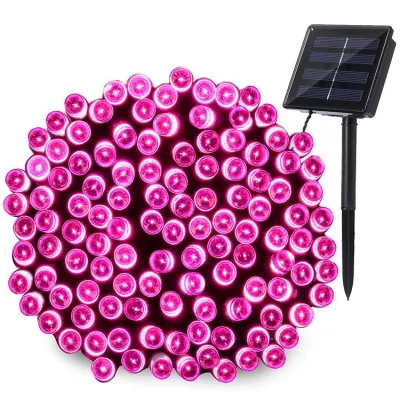
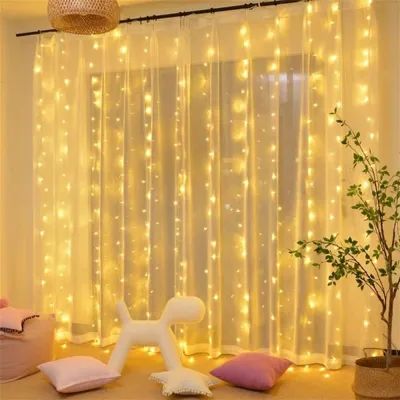
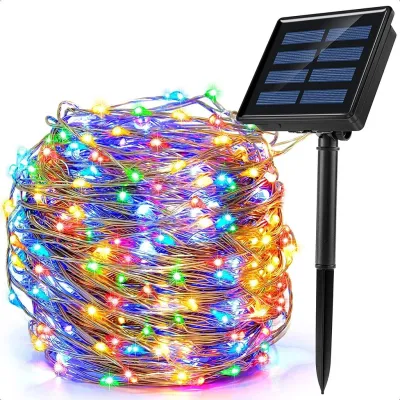
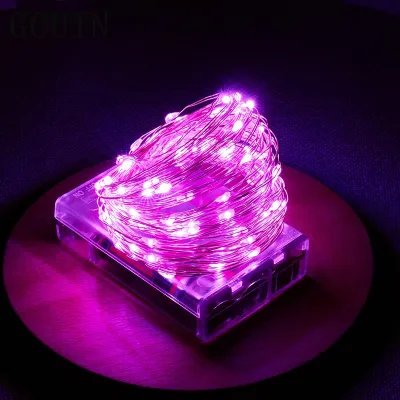
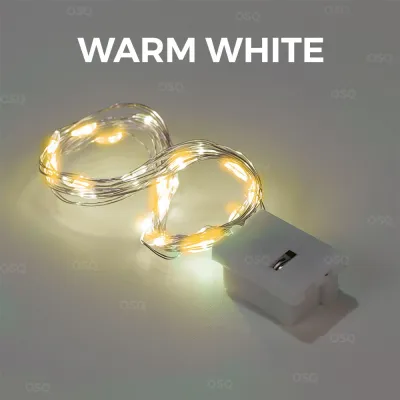
Prices are valid at publication and may change. Please refer to the product page for the latest price.
Differentiate between the thin wires integrated into decorative light strings and the heavy-duty extension cords used to supply power. The delicate wires running between bulbs on a light string are typically 18-AWG to 22-AWG, designed solely for that string’s low current. To safely bridge the distance from your outdoor electrical outlets to your decorating area, use dedicated, heavy-duty extension cords rather than daisy-chaining light strings across long distances.
Look for “outdoor-rated” or “heavy-duty” designations on extension cords, such as SJTW, which feature a hard-service, thermoplastic, weather-resistant jacket. These robust jackets are engineered to withstand physical wear, UV exposure from intense tropical sunlight, and continuous moisture. Standard indoor extension cords lack this protection and will quickly deteriorate when exposed to the elements, posing severe shock and short-circuit risks.
Planning Wire Length and Physical Layout
Accurate physical planning is essential for a safe and visually appealing outdoor holiday display. Before buying any christmas lights wire or extension cords, map out your yard or exterior walls and measure the exact paths your wires will take. Always add a buffer of 10% to 15% to your total measured length to account for vertical drops, wrapping around tree trunks or pillars, and natural draping effects.

Avoid stretching electrical wires taut between anchor points. When a wire is pulled tight, wind-induced movement, thermal expansion, and physical vibrations place mechanical tension on the internal copper conductors and outer insulation. This tension can pull wire splices apart, damage plugs, or compromise waterproof seals, exposing live copper to rain and humidity. Leaving a slight, relaxed slack in every run ensures that the wires can sway naturally without structural stress.
To maintain electrical efficiency and minimize voltage drop, use a single, appropriately gauged outdoor extension cord to run power from your main outlet directly to your decorating zone. This long-transit strategy ensures that the heavy-duty, low-resistance wire handles the bulk of the distance. Keep the actual light strings confined strictly to the areas where they are meant to be seen, rather than using them as makeshift extension lines.
Manage excess wire length safely by securing it loosely in wide, flat loops along a wall or fence line. Never tightly coil active extension cords or bunch them together under doormats, planters, or decorative displays. Tight coiling restricts airflow around the cord, trapping the natural heat generated by the electrical current and potentially melting the protective plastic insulation, which can lead to short circuits or electrical fires.
Managing Connections and Maximum Run Limits
Connecting multiple light strings allows you to cover large areas, but it requires strict adherence to electrical limits. Most outdoor holiday lights utilize end-to-end (daisy chain) connectors or stackable male plugs, allowing you to plug one string directly into another. While this design is highly convenient, it routes all the electrical current for the entire chain through the first wire plug in the sequence. Consequently, the total power draw must never exceed the capacity of that first string’s integrated wire and fuse.
To prevent overloading, always check the manufacturer’s “maximum connectable sets” limit printed on the product tag. This limit varies significantly based on whether you are using traditional incandescent bulbs or modern LED lights, as well as the specific gauge of the light string’s wire. Because LED lights consume far less wattage than incandescent bulbs, you can typically connect many more LED strings together in a single run. However, never mix LED and incandescent strings on the same electrical run to avoid damaging the bulbs or blowing safety fuses.
Another critical factor in long series runs is voltage drop. As electrical current travels down a long wire, resistance causes the voltage to gradually decrease, making bulbs at the far end of the chain appear noticeably dimmer. If you notice this dimming effect, or if your layout demands a run that exceeds the manufacturer’s maximum limit, switch to a parallel wiring configuration. You can achieve this by using a heavy-duty, outdoor-rated multi-outlet splitter or running separate extension cords back to your main power source.
When joining light strings or plugging them into extension cords, ensure all connections are fully seated and firmly locked. Loose plugs create high-resistance contact points that can generate localized heat, cause electrical arcing, or allow moisture to penetrate. If your light strings feature screw-lock collars or locking clips at the plugs, engage them fully, or use specialized outdoor cord safety covers to keep the plugs physically joined and protected.
Weatherproofing and Electrical Safety Outdoors
Installing electrical decorations in wet, humid, or coastal environments requires specialized weatherproofing protocols. Before installing any lighting component, inspect the packaging to verify its Ingress Protection (IP) rating or look for explicit “Suitable for Wet Locations” or “Outdoor Use” labels. For outdoor holiday displays exposed to rain, wind, and high humidity, look for light strings and cords rated at least IP44 or higher.
Practical physical protection is your next line of defense. Use weather-resistant plastic connection boxes or rubber gasket covers to seal every plug-to-plug connection. Always elevate these connection points off the ground by securing them to stakes, fences, or tree branches to prevent them from sitting in pooling water during heavy tropical downpours. For added protection against high humidity, apply a thin layer of non-conductive dielectric grease to the metal prongs of your plugs before joining them to repel moisture and prevent corrosion.
Safety boundaries must be strictly maintained to protect your home and family. Always plug your outdoor holiday lighting into a Ground Fault Circuit Interrupter (GFCI) or Residual Current Device (RCD) protected outlet. These safety devices monitor the balance of electrical current and will instantly cut off power if they detect a leakage or ground fault. Before performing any installation, maintenance, or adjustments to your display, isolate the power supply by turning off the circuit breaker.
Know when to step back and call a professional. While hanging low-level string lights is a manageable DIY task, consult a qualified electrician if you need to install permanent outdoor outlets, mount lights along high rooflines, or if your home’s circuit breaker frequently trips. Working at heights or modifying your electrical panel carries safety risks. A certified professional can assess your home’s electrical capacity and safely install dedicated outdoor circuits to handle your display.
Frequently Asked Questions (FAQ)
Can I use indoor Christmas light wires outside if they are under a covered roof?
No, you should never use indoor-rated Christmas light wires outside, even if they are placed under a covered porch, awning, or roof. Covered outdoor areas are still subject to high ambient humidity, blowing rain, wind-driven moisture, and temperature fluctuations that cause condensation to form on the wires. Indoor light strings lack the UV-resistant outer jackets and specialized moisture-sealed sockets required to withstand these environmental conditions. Using them outdoors can lead to rapid insulation degradation, short circuits, and severe shock hazards.
What happens if I connect too many light strings together?
Connecting more light strings than the manufacturer’s recommended limit overloads the wire gauge of the first string in the sequence, which must carry the combined electrical current of the entire chain. This excessive load causes the wire to overheat, which can melt the protective plastic insulation and create a direct fire hazard. Additionally, overloading will likely blow the tiny safety fuses integrated into the light string’s plug or trip your home’s main circuit breaker, shutting down the entire display and indicating an unsafe electrical setup.
Community discussion
Share your experience or ask a question. Comments are reviewed before publication.