
Creating a comfortable reading corner at home requires a thoughtful balance of functional illumination, physical ergonomics, and aesthetic warmth. While a reading nook is often defined by a cozy chair and a stack of books, the quality of light in that space directly dictates how long and how comfortably you can read. A wood floor lamp serves as an excellent centerpiece for this setup, combining the organic texture of natural materials with targeted task lighting. However, finding the right lamp involves looking beyond visual appeal to evaluate technical specifications, material durability, and spatial compatibility.
The ideal wood floor lamp should provide focused, glare-free light that prevents eye strain while physically fitting into your designated corner without creating safety hazards. Because reading habits and seating arrangements vary, there is no single lamp that suits every home. Instead, selecting the perfect fixture requires analyzing how its design, adjustability, and light output align with your personal reading posture and the physical constraints of your room. By focusing on key structural and electrical details, you can select a high-quality lamp that enhances both your reading experience and your interior decor.
Essential Lighting Features for Comfortable Reading
To establish a highly functional reading environment, you must first understand the specific light quality required for close-up visual tasks. Reading for extended periods demands focused illumination that minimizes eye fatigue, which is heavily influenced by brightness, color temperature, and light direction. When browsing wood floor lamps, checking the manufacturer’s specifications for these lighting characteristics is the first step toward ensuring a comfortable setup.
Products mentioned in this guide
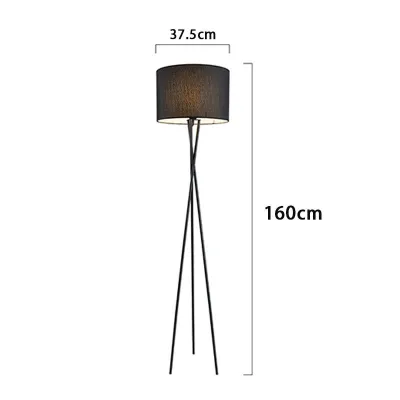
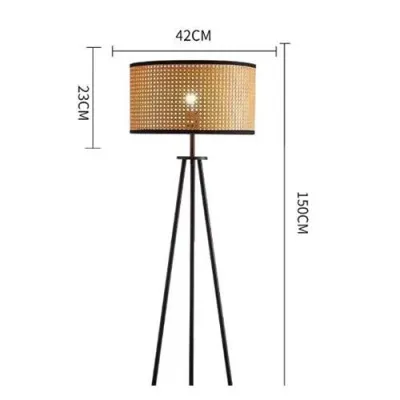
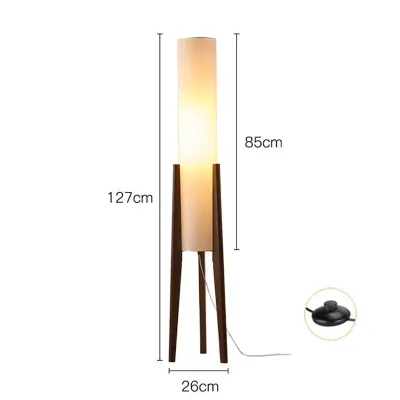
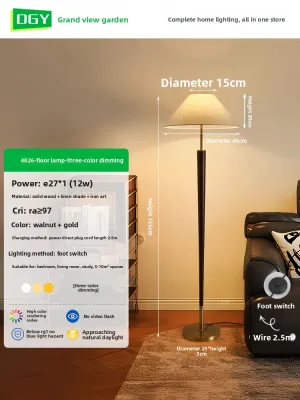
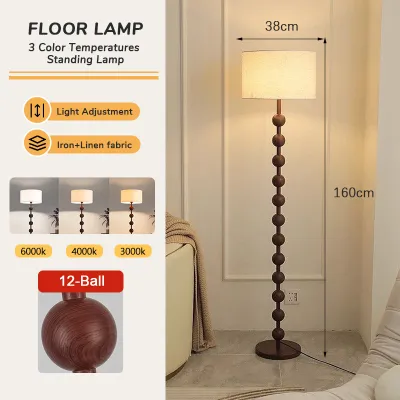
Prices are valid at publication and may change. Please refer to the product page for the latest price.
Brightness is measured in lumens, which indicates the total amount of visible light emitted by a source. For dedicated reading tasks, look for lamps that support bulbs or feature integrated LEDs offering between 450 and 800 lumens. This range provides sufficient brightness to clearly distinguish text without causing excessive glare on white paper or digital screens. To prevent glare, pay close attention to the design of the lamp shade. A deep, opaque shade made of fabric, metal, or wood veneer will direct light downward onto your page while shielding your eyes from the direct glare of the bulb.
Color temperature, measured in Kelvin (K), determines the warmth or coolness of the light and significantly impacts visual comfort. For a cozy, relaxing reading corner, warm white light ranging from 2700K to 3000K is highly recommended. This temperature mimics the soft glow of traditional incandescent bulbs, creating an inviting atmosphere that is gentle on the eyes, particularly during evening reading sessions. However, if you frequently read fine print or require high visual contrast, a neutral white light of 3500K to 4000K may be preferable, as it provides sharper clarity without the clinical feel of cool daylight.
Adjustability is another critical feature that separates standard decorative lamps from effective task lights. A high-quality reading lamp should allow you to direct light precisely where it is needed. Look for wood floor lamps featuring adjustable joints, flexible goosenecks, or swiveling heads. These mechanisms enable you to position the light source directly over your shoulder or book, preventing shadows cast by your head or body. Additionally, check if the lamp includes a built-in dimmer switch or supports dimmable LED bulbs, which allows you to adjust the brightness levels based on the time of day and your ambient lighting needs.
Wood Floor Lamp Styles and Their Reading Ergonomics
The physical shape and style of a wood floor lamp dictate how well it integrates with your reading furniture and how effectively it delivers light to your page. Different lamp designs offer distinct ergonomic advantages depending on the depth of your seating and the layout of your reading corner. Understanding these styles helps you choose a lamp that supports healthy reading postures.

Arc and overhanging wood floor lamps feature a curved arm that extends the light source outward from the main vertical post. This design is exceptionally useful for deep-seated armchairs, recliners, or corner sectionals where a standard straight lamp cannot get close enough to cast light directly overhead. Because the light suspends over the seating area, it provides excellent overhead task lighting. When evaluating arc lamps, it is crucial to verify the base weight and dimensions in the product specifications. A heavy, substantial base is necessary to counterbalance the extended arm and prevent the lamp from tipping over, especially in homes with pets or active households.
Straight-pole and tripod styles are classic options that work well in more compact reading corners. A straight-pole wood lamp has a minimal footprint, allowing it to slide easily into tight spaces beside a side table or behind a chair. Tripod lamps, which feature three angled wooden legs, offer outstanding stability and serve as a prominent design statement, though they require a larger floor area. For both straight and tripod designs, you must check the height of the shade relative to your seated eye level. To avoid looking directly into an exposed bulb, select a lamp where the bottom of the shade sits at or slightly below your eye level when you are seated in your reading chair.
Torchiere lamps with integrated reading arms offer a highly versatile, dual-purpose lighting solution. The main upward-facing light bounces off the ceiling to provide soft, indirect ambient illumination for the entire room, while the lower, adjustable arm provides focused task lighting specifically for reading. This style is ideal if your reading corner is part of a larger, multi-functional living space. When choosing a torchiere with a reading arm, ensure that the task light can be operated independently of the main ambient light, allowing you to create a focused, low-distraction environment when you want to concentrate on a book.
Evaluating Wood Materials and Build Quality
The materials and construction of a floor lamp determine its durability, aesthetic appeal, and long-term stability. Because wood is a natural material, its quality can vary significantly depending on how it is sourced, processed, and finished. Carefully reviewing product descriptions and images will help you assess the build quality of a wood floor lamp before making a purchase.
Solid wood lamps, crafted from timber such as rubberwood, ash, oak, or walnut, offer superior structural integrity, natural grain patterns, and excellent longevity. These lamps are generally heavier, which contributes to their overall stability, but they also tend to carry a higher price tag. Engineered wood, such as medium-density fiberboard (MDF) finished with a natural wood veneer, is a common and cost-effective alternative. While engineered wood is highly resistant to warping caused by temperature fluctuations, it may not possess the same weight or long-term durability as solid wood. Checking the product specifications will clarify whether the lamp is constructed from solid timber or veneered composites.
The finish applied to the wood is particularly important in tropical environments where high humidity levels can affect natural materials. Untreated or poorly sealed wood can absorb moisture from the air, leading to swelling, warping, or the development of mold over time. Look for lamps that feature a protective lacquer, varnish, or oil finish. A well-sealed surface not only protects the wood from moisture and humidity but also makes it much easier to dust and clean. A smooth, consistent finish across all wooden components is a strong indicator of high-quality manufacturing.
Additionally, inspect the joints and hardware that connect the wooden segments of the lamp. The points where wood meets metal, or where different wooden sections screw together, are subject to mechanical stress. High-quality lamps utilize robust metal threaded inserts and heavy-duty brackets to secure these connections. Avoid designs that rely on simple wood screws driven directly into the timber or thin plastic connectors, as these can easily strip or loosen over time, resulting in a wobbly, unstable lamp. If purchasing online, zoom in on product photos to evaluate the sturdiness of these connection points.
Space Planning and Electrical Safety Checks
Integrating a new floor lamp into your home requires careful space planning and a thorough review of electrical safety standards. A reading corner should be a safe, relaxing haven, free from physical hazards and electrical risks. Taking a few precise measurements and verifying technical compatibility before your purchase will ensure a seamless and safe installation.
Begin by measuring the physical footprint of your designated reading corner. Ensure the floor space can comfortably accommodate both your reading chair and the lamp’s base without crowding the area or blocking walkways. Pay close attention to cord management; a loose power cord stretching across a high-traffic area poses a significant tripping hazard. Plan to route the cord along the baseboards or behind furniture, and consider using low-profile cord covers or adhesive clips to keep it secure and tidy.
Electrical compatibility is another critical safety factor to verify. Always check the lamp’s maximum wattage rating, which is typically indicated on a label near the bulb socket. Exceeding this wattage limit can cause excessive heat buildup, potentially damaging the socket, wiring, or the lamp shade itself. Ensure the lamp’s socket type (such as the widely used E27 base) matches the bulbs you plan to use, and verify that the fixture is rated for the standard local voltage of 220V. Using incompatible bulbs or voltage levels can lead to premature bulb failure, flickering, or electrical hazards.
Heat dissipation is particularly important for lamps featuring wood or fabric shades, as these materials can be sensitive to high temperatures. To minimize heat risks, it is highly recommended to use LED bulbs rather than traditional incandescent or halogen options. LEDs operate at much lower temperatures, converting most of their energy into light rather than heat. Regardless of the bulb type you choose, ensure there is adequate clearance between the bulb and the inner surface of the shade to allow warm air to rise and escape safely, preventing any risk of scorching or heat damage.
Building Your Shortlist: Pre-Purchase Verification
Before finalizing your purchase on an e-commerce platform or at a local lighting showroom, compiling a shortlist of your top choices allows you to make a well-informed decision. Comparing your options systematically ensures that the lamp you select meets all your functional, aesthetic, and safety requirements within your desired budget.
Start by establishing a realistic budget in Philippine Pesos (₱). Entry-level wood floor lamps, often made of engineered wood or simple straight-pole designs, typically range from ₱1,500 to ₱3,000. Mid-range options featuring solid wood components and basic adjustability generally cost between ₱3,000 and ₱6,000, while premium designer models with solid hardwood frames, brass hardware, and advanced articulation can exceed ₱8,000. Setting a clear budget helps you focus on options that offer the best value in terms of material quality and essential features.
Next, cross-reference the listed dimensions of your shortlisted lamps with the actual measurements of your reading space. Compare the lamp’s height with the height of your reading chair to ensure the light source will be positioned correctly. Verify that the base diameter fits comfortably in your corner and that the power cord is long enough to reach the nearest wall outlet without tension.
Finally, review the seller’s return policies and warranty terms to protect your investment against shipping damage or manufacturing defects. Confirm whether the lamp requires assembly and if all necessary hardware and instructions are included in the package. If you plan to integrate the lamp into a smart home system, double-check its compatibility with smart bulbs and automated switches before checking out.
Frequently Asked Questions (FAQ)
Can I use a smart bulb in a standard wood floor lamp?
Yes, you can use a smart bulb in a standard wood floor lamp, provided the bulb’s base matches the lamp’s socket type (typically E27) and its wattage does not exceed the fixture’s maximum limit. However, you must check the lamp’s switch mechanism before installing a smart bulb. If the lamp features a built-in physical dimmer switch, using a standard smart bulb can cause flickering, buzzing, or damage to the bulb’s internal electronics. For lamps with physical dimmers, you should stick to compatible dimmable bulbs or ensure your smart bulb is explicitly rated for use with external dimmers. If the lamp has a simple on/off switch, smart bulbs will work perfectly, allowing you to control brightness and color temperature via your smartphone or voice assistant.
How do I clean and maintain the wood finish on my floor lamp?
Proper maintenance is essential to preserve the natural beauty of your wood floor lamp and protect it from environmental wear. For routine cleaning, dust the wooden components weekly using a dry, soft microfiber cloth to prevent dust buildup without scratching the surface. Avoid using harsh chemical cleaners, abrasive scrubbing pads, or excessive water, as these can strip the protective sealant and penetrate the wood grain, leading to swelling or warping. For deeper cleaning, use a slightly damp cloth to wipe away smudges, followed immediately by a dry towel to remove any residual moisture. Always consult the manufacturer’s care instructions to determine if a specific wood polish or wax is recommended for your lamp’s particular finish.
Community discussion
Share your experience or ask a question. Comments are reviewed before publication.