
To withstand the severe typhoons and relentless monsoon rains characteristic of the Philippine climate, outdoor solar lighting must meet strict engineering standards. Standard retail fixtures often fail during extreme weather because they rely on basic weatherproofing claims rather than verified ingress protection and structural wind-load ratings. For a solar street light or lawn light to survive these conditions, it must feature at least an IP66 waterproof rating for elevated fixtures, an IP67 rating for ground-level pathway lights, a die-cast aluminum or UV-stabilized housing, and robust mounting systems anchored in concrete. Selecting the right fixtures requires moving past generic marketing and examining specific technical specifications, material properties, and installation methods.
Why Standard Solar Lights Fail During Philippine Typhoons
The Philippine climate presents a dual threat to outdoor electrical installations through high-velocity winds and prolonged, heavy monsoon rains, locally known as the habagat. During a severe tropical storm, precipitation is rarely vertical; instead, wind-driven rain is forced horizontally at high pressure against every seal of an outdoor light fixture. At the same time, ambient humidity remains near saturation levels for weeks, accelerating the degradation of any vulnerable internal components.
Standard, low-tier solar lights commonly fail at several predictable points under these conditions. Water ingress is the most frequent culprit, quickly bypassing weak seals to reach the battery compartment and control circuitry, which leads to short circuits, rapid corrosion, and permanent failure. Additionally, the physical stress of high winds can cause solar panel delamination—where the protective outer layers peel away from the photovoltaic cells—and can easily snap lightweight plastic lawn stakes or bend weak mounting brackets.
Products mentioned in this guide
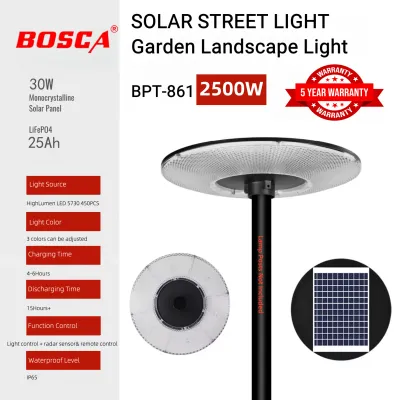
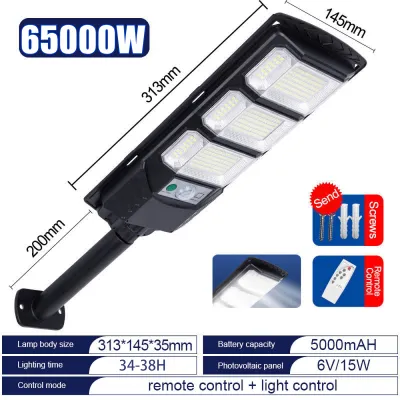
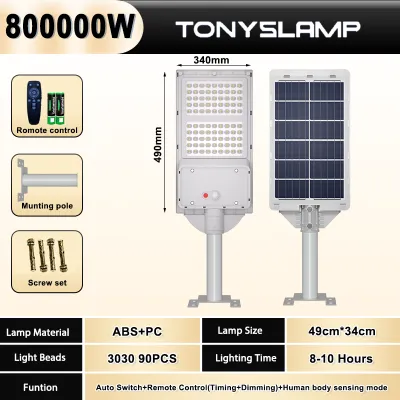
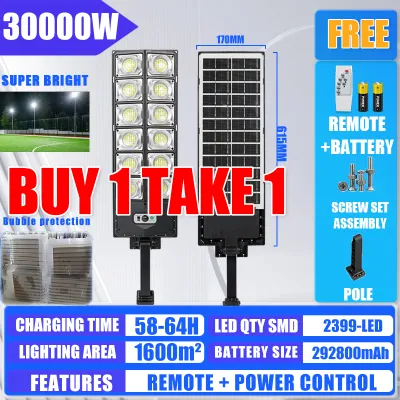
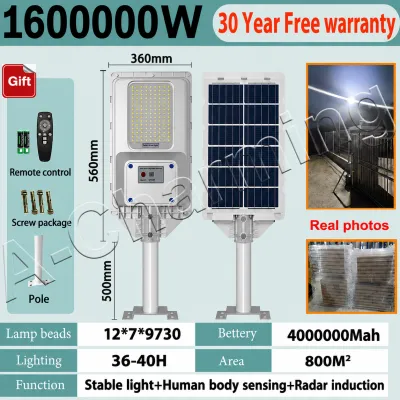
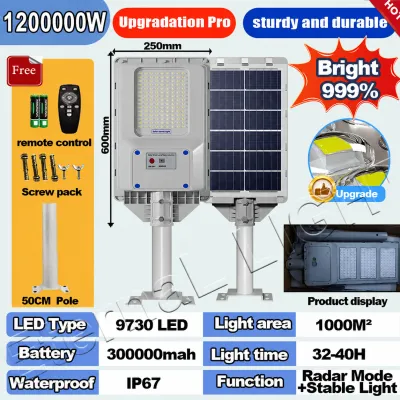
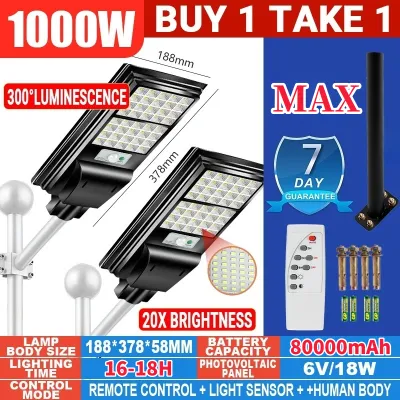
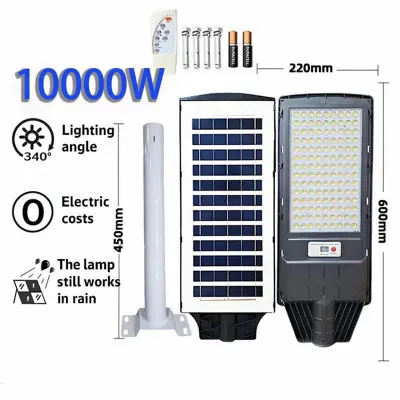
Prices are valid at publication and may change. Please refer to the product page for the latest price.
Generic marketing terms such as “weatherproof,” “water-resistant,” or “heavy-duty” carry no standardized engineering definitions and offer no guarantee of survival during a typhoon. These labels often mask cheap construction materials and inadequate sealing methods that are only suitable for light, vertical drizzles. To ensure long-term durability, you must bypass promotional descriptions and evaluate fixtures based on standardized engineering metrics, such as Ingress Protection (IP) ratings and material wind-load capacities.
Selecting a reliable outdoor lighting system requires a systematic decision framework. You must evaluate the fixture’s IP rating to ensure water exclusion, analyze the physical housing and bracket materials to resist wind forces, and assess the battery chemistry to guarantee operation through extended periods of overcast skies. By focusing on these core technical dimensions, you can avoid premature product failures and secure a resilient lighting setup.
Decoding IP Waterproof Ratings for Heavy Monsoon Rains
The Ingress Protection (IP) rating system is an international standard that defines how effectively an electrical enclosure seals against solids and liquids. The rating consists of two digits: the first digit (ranging from 0 to 6) measures protection against solid objects like dust and dirt, while the second digit (ranging from 0 to 9) measures protection against water penetration. For outdoor solar fixtures in storm-prone regions, the second digit is the critical metric to analyze.

Many standard outdoor lights carry ratings like IP44 or IP54, which are sufficient for mild weather but highly vulnerable during tropical storms. An IP54 rating, for example, only protects against light water splashes from any direction, meaning that driving, wind-whipped typhoon rain can easily force its way past the seals. Understanding the exact threshold of each rating level allows you to match the fixture’s sealing capability to the severity of the local environment.
Before purchasing any solar street light, always verify the IP rating on the manufacturer’s official specification sheets or physical product labels. Be cautious of product listings on online marketplaces that claim high waterproof capabilities in the title but fail to provide a certified IP rating in the technical specifications. Genuine manufacturers will readily display their testing certifications, often referencing international standards such as IEC 60529.
IP65 vs. IP66 vs. IP67: What the Numbers Actually Mean
An IP65 rating indicates that the fixture can withstand low-pressure water jets projected by a nozzle from any direction. While this is acceptable for standard rain, IP65 fixtures can still fail during a typhoon when horizontal, wind-driven rain mimics the force of high-pressure water jets.
An IP66 rating means the enclosure protects against high-pressure, heavy water jets from any direction, making it the recommended minimum standard for an elevated solar street light. This level of protection ensures that even when winds force sheets of water directly against the seams of the light head, the internal electronics remain completely dry.
An IP67 rating signifies that the fixture can be fully submerged in water up to one meter deep for 30 minutes without any liquid ingress. This rating is highly recommended for low-profile lawn lights and pathway fixtures, which are frequently subjected to temporary puddling, localized flash flooding, or heavy mud accumulation during intense downpours.
Verifying Waterproof Claims and Sealing Integrity
To ensure a fixture actually meets its rated IP claim, inspect its physical construction details before installation. High-quality waterproof fixtures utilize thick, continuous silicone or synthetic rubber gaskets along all joining seams, rather than cheap foam seals that degrade rapidly in tropical heat. Additionally, look for sealed, screw-tightened cable glands where the wiring enters the housing, as well as robust metal screws holding the casing together instead of simple snap-fit plastic tabs.
Avoid relying solely on retail descriptions, which frequently exaggerate product capabilities. Requesting the manufacturer’s technical data sheet allows you to confirm the exact materials used in the seals and check for independent laboratory test reports. If a manufacturer cannot provide these documents, the product’s waterproof claims should be treated with caution.
Evaluating Wind Resistance and Structural Durability
Wind resistance is a critical factor for any elevated solar street light, as the surface area of both the light head and the integrated solar panel acts as a sail during a typhoon. High-velocity winds exert immense kinetic energy against these flat surfaces, creating severe bending forces (torque) at the mounting brackets, joints, and the base of the pole. If these components are structurally weak, the entire assembly can buckle, snap, or be torn from its mount.
Evaluating structural durability requires assessing the thickness and quality of the mounting brackets, the diameter of the pole, and the overall aerodynamic profile of the fixture. A durable light must be engineered to distribute wind loads safely down to its foundation without bending or cracking. This structural integrity depends heavily on selecting high-grade materials and implementing correct installation depths.
Ultimately, a solar light’s ability to survive a typhoon is a balance of material strength, aerodynamic design, and secure anchoring. While a high waterproof rating keeps the electronics dry, only superior structural engineering prevents the fixture from being physically destroyed by violent wind gusts. Focus on robust physical construction to ensure your investment remains standing after the storm clears.
Housing Materials: Die-Cast Aluminum vs. ABS Plastic
For heavy-duty solar street lights, die-cast aluminum is the premier housing material due to its high tensile strength, excellent impact resistance, and superior heat dissipation. Aluminum housings easily withstand the impacts of wind-blown debris, such as branches and small stones, and they do not warp or degrade under the intense tropical sun. Furthermore, efficient heat dissipation is vital for preserving the lifespan of the internal lithium battery in hot climates.
In contrast, many budget-friendly lawn and street lights use ABS (Acrylonitrile Butadiene Styrene) or polycarbonate plastics. While high-grade ABS is rust-proof and lightweight, standard plastics degrade and become brittle over time when exposed to constant tropical UV radiation. If you choose plastic fixtures, ensure the specifications explicitly state that the material is UV-stabilized, and verify that the casing is thick enough to resist cracking under moderate impacts.
Pole Mounting and Aerodynamic Designs for Street Lights
To minimize the destructive “sail effect” during a storm, look for solar street lights with aerodynamic, low-profile designs. Light heads with curved surfaces, slim profiles, and integrated solar panels allow high-speed winds to flow smoothly over and around the fixture, significantly reducing the lateral force exerted on the mounting pole.
For secure pole installation, pay close attention to the mounting hardware and foundation requirements. Heavy solar street lights require a robust steel pole with a thick base flange, secured by deep anchor bolts embedded in a solid concrete foundation. Standard ground-inserted poles will easily uproot in saturated, muddy soil during a typhoon.
Because high-mast or heavy solar street lights involve suspended loads and significant wind resistance, they require professional structural assessment and installation. Always consult a qualified professional to design the concrete foundation and select the appropriate pole specifications for your specific wind zone. If the system includes any grid-tied backup wiring, ensure a licensed electrician handles the power isolation and electrical connections to guarantee safety.
Protecting Solar Panels and Batteries from Extreme Weather
The solar panel and the internal rechargeable battery are the most expensive and vulnerable components of a solar lighting system. During a typhoon, the photovoltaic panel is directly exposed to falling debris, heavy rain impact, and high winds, while the battery must endure high ambient temperatures and manage deep discharge cycles during consecutive cloudy days.
To protect the solar panel from physical damage, select fixtures that feature tempered glass covers rather than cheap plastic laminates. Tempered glass provides high impact resistance against wind-borne debris and prevents delamination, ensuring the panel continues to generate power efficiently for years. The panel should also be encased in a heavy-duty, corrosion-resistant anodized aluminum frame to prevent moisture from penetrating the edges.
Battery chemistry is equally critical for storm-season survival. Lithium Iron Phosphate (LiFePO4) batteries are highly recommended over standard Lithium-ion (Li-ion) or lead-acid alternatives for several reasons:
- Thermal Stability: LiFePO4 batteries have a much higher thermal runaway threshold, making them exceptionally safe in hot tropical environments.
- Cycle Life: They typically offer over 2,000 to 3,000 charge-discharge cycles, far outlasting standard batteries.
- Deep Discharge Tolerance: They tolerate deep discharges during prolonged cloudy weather (monsoon season) without suffering severe capacity degradation.
- Autonomy Days: High-quality systems feature intelligent controllers that manage power distribution, allowing the light to run at dimmed levels for several consecutive rainy days without receiving a full charge.
When positioning your solar lights, choose locations that minimize shading from nearby trees, as storm-bent branches can block sunlight and reduce charging efficiency. Ensure the solar panel is angled slightly (at least 10 to 15 degrees) rather than mounted completely flat; this slope allows heavy rain to naturally wash away dust, leaves, and debris, while preventing water from pooling on the panel surface.
Storm-Season Installation and Maintenance Checklist
Maintaining your solar lighting system should be treated as a seasonal routine rather than a one-time task. Regular inspections and proactive adjustments before and after the typhoon season will significantly extend the lifespan of your fixtures and ensure they remain operational when grid power fails.
For all maintenance tasks, establish clear safety boundaries. Only perform low-risk, ground-level, and reversible actions yourself, such as cleaning panels or tightening low-level screws. For any tasks involving high-altitude work, heavy components, suspended loads, or fixed electrical wiring, always isolate the power source and hire a qualified professional to perform the work safely.
Pre-Storm Preparation and Safety Boundaries
When a typhoon warning is issued, take immediate steps to secure your ground-level fixtures and inspect your elevated systems from the safety of the ground:
- Trim Vegetation: Cut back overhanging tree branches that could snap and fall onto your solar panels or street light poles.
- Secure Ground Fixtures: Tighten the mounting screws and check the stability of lawn stakes. If you have portable or temporary solar garden lights, temporarily store them indoors until the storm passes.
- Inspect Base Bolts: Visually check that the anchor bolts at the base of your street light poles are tight and show no signs of soil erosion or concrete cracking.
- Observe Safety Limits: Never climb ladders, use scaffolding, or attempt to dismantle high-mounted solar street lights during high winds or active rain. Leave all high-altitude adjustments to professional technicians.
Post-Storm Inspection and Recovery
Once the weather clears, perform a thorough visual inspection to identify and address any storm damage:
- Check for Physical Damage: Look for cracked solar panel glass, loose mounting brackets, or tilted poles. If a pole is leaning, do not attempt to straighten it yourself; contact a professional installer.
- Inspect for Water Ingress: Check the light lens for visible condensation or water pooling inside. If water has bypassed the seals, turn off the fixture immediately to prevent short circuits.
- Clean the Solar Panels: Remove mud, salt spray, leaves, and debris from the solar panel surface. Use a soft sponge or microfiber cloth with plain water. Avoid high-pressure washers, harsh chemical cleaners, or abrasive scrubbers, as these can strip protective coatings and ruin the waterproof seals.
- Know When to Seek Help: If you observe corroded battery terminals, damaged wiring insulation, or persistent electrical malfunctions, stop DIY troubleshooting. Contact the manufacturer's after-sales service or a certified technician to repair or replace the components.
Frequently Asked Questions (FAQ)
Can I use indoor solar lights outdoors during the dry season?
No, you should never use indoor-rated solar lights outdoors, even during the dry season. Indoor fixtures lack the necessary UV-stabilization to withstand intense tropical sunlight, causing their casings to become brittle and crack. Furthermore, they do not feature basic moisture-resistant seals, meaning that high tropical humidity, morning dew, or sudden unexpected downpours can cause immediate electrical failure and safety hazards.
Do solar street lights need a separate grounding wire for lightning?
Yes, tall metal solar street light poles act as natural lightning rods and generally require proper electrical grounding to protect the internal battery, controller, and LED components from high-voltage surges. Grounding requirements must comply with the Philippine Electrical Code and local building regulations. Because proper grounding involves specific soil resistance measurements and specialized hardware, you should always consult a licensed electrician to design and install the grounding system.
How do I clean solar panels after a typhoon without damaging them?
To clean solar panels safely, use a soft sponge, microfiber cloth, or a soft-bristled brush combined with clean, plain water to gently wash away mud, dust, and salt residue. Never use high-pressure washers, as the extreme force can compromise the waterproof silicone seals around the panel frame. Additionally, avoid using harsh chemical detergents, dish soaps, or abrasive scouring pads, which can scratch the tempered glass and strip away the panel’s anti-reflective coatings.
Community discussion
Share your experience or ask a question. Comments are reviewed before publication.