
Choosing the right wall lamp requires balancing spatial constraints with visual comfort. In a narrow corridor, a wall lamp must guide foot traffic safely and make a confined passage feel more open without physically obstructing the walkway. Conversely, a bedside reading nook demands highly focused, adjustable task lighting that supports reading while maintaining a restful, glare-free environment. Understanding these distinct lighting roles ensures you choose fixtures that enhance both the functionality and atmosphere of your home.
Defining the Lighting Goals: Navigation vs. Relaxation
Corridors and bedrooms serve completely opposite purposes, which directly dictates how they should be illuminated. A narrow hallway is a transitional zone where the primary goal is safe, comfortable navigation. The lighting here must prevent dark corners and minimize shadows, helping family members move between rooms without tripping. Because corridors are high-traffic, tight areas, the fixtures themselves must not protrude into the walking path or cause physical obstruction.
Furthermore, corridor lighting should avoid creating harsh glares at eye level. When stepping out of a dark room at night, a blinding light source can be highly disorienting. Instead, the goal is a soft, ambient glow that defines the boundaries of the space and visually expands the narrow walls.
Products mentioned in this guide
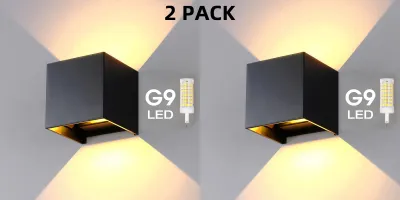
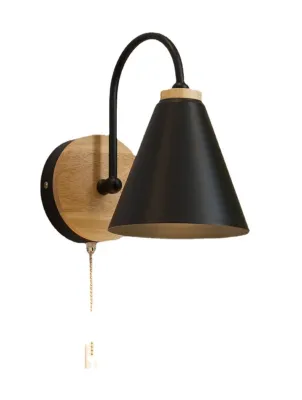
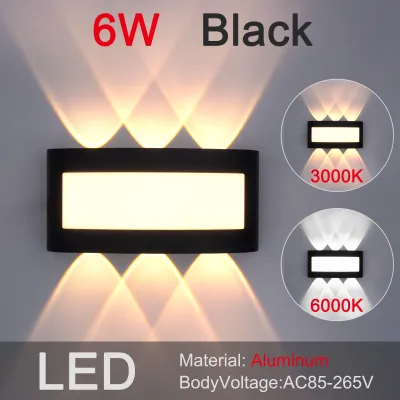
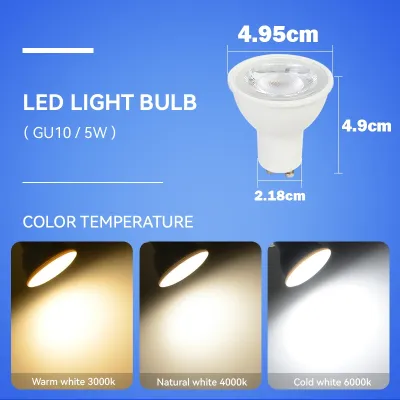
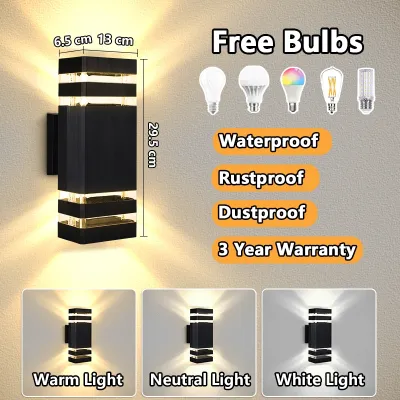
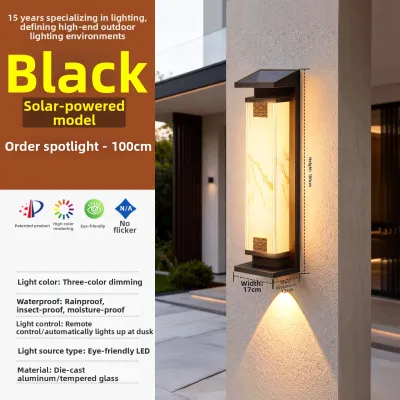
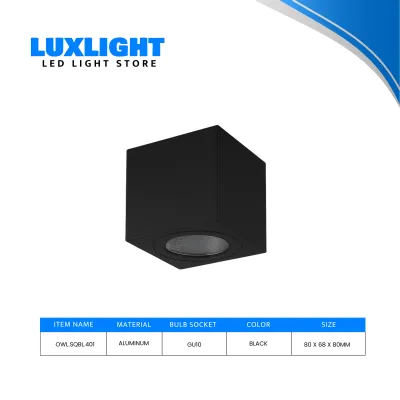
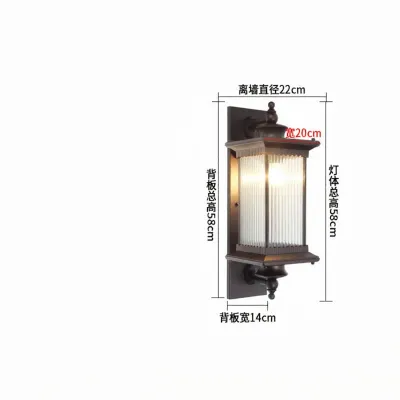
Prices are valid at publication and may change. Please refer to the product page for the latest price.
In contrast, a bedside reading nook is a destination for relaxation, winding down, and focused visual tasks. The lighting must accommodate the precise activity of reading a book or tablet, which requires a concentrated beam directed exactly at the page. This task lighting must be highly localized so that it does not spill across the entire mattress and disturb a sleeping partner.
At the same time, bedside lighting needs to support the body’s natural circadian rhythm as you prepare for sleep. This requires a warm, dimmable ambient layer that mimics the soft light of sunset. Mixing up these two distinct lighting goals—such as placing a highly focused, non-diffused spotlight in a hallway or a bulky, non-directional ambient sconce directly over a pillow—leads to uncomfortable spaces that fail to serve their intended purposes.
Matching Brightness and Light Quality to the Scene
Achieving the right atmosphere in any space requires a deliberate look at technical lighting specifications, specifically lumens, color temperature, and beam angles. Lumens measure the total amount of visible light emitted by a source, which dictates the brightness. Color temperature, measured in Kelvin (K), determines whether the light appears warm and amber or cool and bluish. Beam angles determine how wide or narrow the light disperses from the fixture.

Brightness Guidelines for Narrow Corridors
For a narrow hallway, the objective is to create an even, diffused wash of light that eliminates dark spots without overwhelming the senses. A light output of 100 to 200 lumens per fixture is generally sufficient when multiple sconces are spaced along the corridor. This lower brightness level ensures that the collective illumination is welcoming rather than blinding, especially during late-night transitions.
The color temperature of corridor wall lamps should ideally fall between 2700K and 3000K. This warm-white range provides a cozy, inviting atmosphere that feels comfortable to the eyes when moving from a dark bedroom. Neutral white light (around 4000K) can also work well in modern, minimalist hallways to emphasize crisp wall colors, but anything cooler can feel clinical and harsh in a confined residential space.
To maximize the perceived size of a tight hallway, look for fixtures that offer upward and downward wash lighting. Uplighting bounces light off the ceiling, making low ceilings appear higher, while downlighting illuminates the floor path safely. By directing light vertically along the wall surface rather than projecting it straight out into the corridor, you create an optical illusion of a wider, more spacious passage.
Brightness Guidelines for Bedside Reading Nooks
Bedside reading nooks require a dual-purpose lighting strategy that transitions from focused task illumination to a soft, sleep-inducing glow. For active reading, a dedicated task lamp should deliver around 200 to 400 lumens directed specifically at your reading material. This provides enough contrast to prevent eye strain without illuminating the entire bedroom.
The color temperature for bedside reading should lean heavily toward the warm end of the spectrum, ideally between 2200K and 2700K. Warm, amber tones emit significantly less blue light, which is crucial for supporting melatonin production and preparing your body for a restful night. Avoid cool white or daylight bulbs (5000K and above) near the bed, as they mimic midday sun and can disrupt your sleep cycle.
To achieve this flexibility, dimming capability is a critical feature for bedside wall lamps. Opt for fixtures with integrated dimmers or pair them with compatible dimmable LED bulbs and wall switches. This allows you to set the lamp to full brightness while reading, then dim it down to a low, single-digit lumen glow for a relaxing transition into sleep.
Choosing Sconce Styles for Tight Spaces and Task Areas
The physical silhouette and mounting style of a wall sconce must respect the spatial limitations and functional demands of its environment. A beautifully designed lamp is of little use if it constantly gets bumped by passersby or fails to direct light where you need it most.
Space-Saving Profiles for Narrow Corridors
In narrow hallways, physical clearance is the most critical design constraint. Standard corridors are often quite tight, meaning any fixture that protrudes significantly from the wall poses a constant bumping hazard. To prevent accidents and maintain a clear walkway, prioritize low-profile, flush-mount, or semi-flush wall sconces.
Look for slim-profile designs that project no more than 10 centimeters (about 4 inches) from the wall surface. These flat-back fixtures sit snugly against the wall, ensuring that shoulders, bags, and moving furniture can pass by without obstruction. In tropical climates like the Philippines, where high humidity can affect indoor surfaces, selecting fixtures made of rust-resistant materials—such as powder-coated metals, treated brass, or high-quality polycarbonate—helps maintain the lamp’s appearance and structural integrity over time.
Avoid wall lamps with bulky fabric shades, wide protruding arms, or delicate glass elements that stick out into the walking path. Instead, opt for sleek, vertical bar sconces, recessed wall lights, or pocket-style metal sconces. Always measure the exact distance from your wall to the outer edge of the fixture before purchasing to ensure it leaves ample clearance for daily foot traffic.
Adjustable and Decorative Profiles for Bedside Nooks
Bedside reading nooks demand a high degree of physical adjustability to accommodate different sitting or reclining positions. Swing-arm wall lamps are an exceptional choice for this application, as they can be pulled outward for active reading and pushed back flat against the wall when not in use. This flexibility ensures the light source is always positioned perfectly relative to your book.
Another highly functional option is a dual-source bedside sconce. These fixtures feature a soft, fabric-shaded ambient light for general bedroom illumination, paired with a small, flexible gooseneck spotlight dedicated solely to reading. This setup allows you to switch between a gentle room-filling glow and a highly directed, low-spill beam.
Choosing a wall-mounted lamp also frees up valuable surface space on your nightstand, leaving more room for essential items. When selecting a bedside sconce, consider the installation method: hardwired models offer a clean, seamless look with hidden wires but require running electrical lines through the wall. Plug-in models, on the other hand, mount easily to the wall and plug directly into a nearby outlet, offering a simpler installation process at the expense of a visible cord.
Ergonomic Placement and Electrical Safety Boundaries
Proper installation height and strict adherence to electrical safety standards are essential to ensure your wall lamps are both comfortable to use and safe for your home. Incorrectly placed fixtures can cause distracting glare or physical discomfort, while improper wiring can lead to serious electrical hazards.
For narrow corridors, wall sconces should generally be mounted so that the center of the fixture is approximately 1.5 to 1.8 meters (60 to 72 inches) above the finished floor level. This height keeps the light source at or slightly above average eye level, preventing you from looking directly down into an exposed bulb. If your corridor has exceptionally high ceilings, you can mount them slightly higher to maintain visual proportion, but ensure the light source remains shielded to prevent glare.
For bedside reading nooks, the ideal placement depends on your preferred reading position and the height of your mattress. Sit comfortably in your bed against the headboard and measure the height from the floor to your shoulder or head level. Position the bedside lamp so that the bottom of the shade or the light source sits roughly at shoulder height—usually between 1.2 and 1.4 meters from the floor. This allows the light to cast downward onto your book without shining directly into your eyes.
When preparing for installation, always verify the electrical specifications of your home and the fixture. In the Philippines, the standard household voltage is 220V at 60Hz. Ensure that any imported wall lamps or bulbs are fully compatible with this voltage to prevent premature component failure or electrical shorts. Always check the product label for recognized safety certifications, such as the Philippine Standard (PS) mark or the Import Commodity Clearance (ICC) sticker, which verify that the fixture has undergone rigorous safety testing.
Before beginning any installation work, isolate the power at the main circuit breaker. If your project involves fixed wiring, running new electrical lines through concrete walls, modifying existing junction boxes, or mounting heavy decorative sconces, do not attempt to do it yourself. Always hire a qualified professional electrician to handle the installation safely. Ensure the wall material (whether concrete, drywall, or wood paneling) and the installed junction box are rated to support the exact weight of your chosen fixture.
Versatile Designs: Can One Wall Lamp Serve Both Spaces?
If you prefer a cohesive design language throughout your home, you might wonder if a single wall lamp style can successfully serve both a narrow corridor and a bedside reading nook. While it is possible to use the same physical fixture model in both areas, doing so requires careful selection of a highly versatile, multi-functional design.
The ideal candidate for a dual-purpose fixture is a minimalist, adjustable sconce with a rotatable head and a built-in dimmer switch. In a corridor, you can position the lamp head to point directly upward or downward, creating a soft, indirect wall wash that acts as ambient lighting. In the bedroom, you can rotate the head downward and adjust the arm to direct a focused beam of light onto your book.
However, using a single fixture style across both spaces involves distinct trade-offs. A fixture designed to be slim enough for a narrow corridor may lack the extensive reach or swing-arm flexibility needed for comfortable bedside reading. Conversely, a highly adjustable swing-arm lamp mounted in a hallway can look cluttered or accidentally get bumped out of alignment. Additionally, you must ensure that compatible dimmer switches are installed in both locations to adjust the light output from a bright reading level down to a soft navigational glow.
Frequently Asked Questions (FAQ)
Do I need a specific type of bulb for a bedside reading wall lamp?
Yes, selecting the right bulb is crucial for a comfortable bedside reading experience. High-efficiency LED bulbs are highly recommended because they emit very little heat compared to traditional incandescent or halogen bulbs, keeping the reading area cool and comfortable. When shopping for bulbs, verify that both the wall lamp fixture and the LED bulb are explicitly rated as dimmable if you plan to use a dimming system. Mismatched components can lead to annoying flickering, buzzing, or premature bulb failure. Look for bulbs with a high Color Rendering Index (CRI) of 90 or above to ensure text on a page is crisp and easy to read.
How far apart should wall lamps be placed in a long, narrow corridor?
The ideal spacing for corridor wall lamps depends on the length of your hallway, the height of your ceiling, and the beam angle of the specific fixtures. As a general guideline, wall sconces in a standard residential corridor are typically spaced between 1.8 to 2.4 meters (6 to 8 feet) apart to ensure continuous, even illumination. Rather than relying on strict mathematical formulas, focus on achieving visual balance and avoiding dark, unlit gaps along the floor. Before drilling into your walls, temporarily hold the fixtures in place or map out the projected light pools to ensure the light overlaps smoothly without creating harsh, competing glares.
Community discussion
Share your experience or ask a question. Comments are reviewed before publication.