
Selecting the right wall lights and sconces requires a clear understanding of how a space is used and the physical limitations of its layout. A narrow hallway demands low-profile, flush-mount fixtures that provide soft, ambient illumination to guide movement without creating physical obstacles. Conversely, a bedside reading area requires highly focused, adjustable task lighting that can be directed precisely onto a page or device without spilling excess light across the room. Balancing these distinct needs ensures that your lighting choices enhance both the safety of your home’s transit zones and the comfort of your personal resting spaces.
Core Lighting Needs: Narrow Hallways vs. Bedside Areas
The fundamental difference between lighting a narrow hallway and a bedside area lies in the contrast between transit lighting and task lighting. Hallways are functional pathways where the primary goal is safe navigation. In these high-traffic zones, the light must be evenly distributed and completely glare-free to prevent eye strain as you move from room to room. Because hallways are transitional, the fixtures themselves must remain visually unobtrusive and physically out of the way of passing shoulders and elbows.
In contrast, a bedside reading area is a stationary zone dedicated to relaxation and focused activities. The lighting here must serve as a personal task light, delivering a concentrated beam of illumination directly onto a book, tablet, or e-reader. Because bedside reading often occurs while a partner is sleeping, the light spread must be tightly controlled. A wide, ambient glow that works perfectly in a corridor would flood a bedroom with unwanted brightness, disrupting sleep patterns and reducing the cozy atmosphere of the room.
Products mentioned in this guide
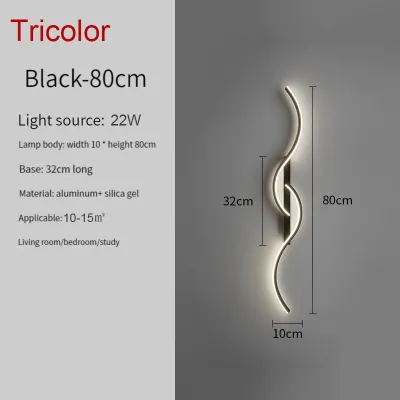
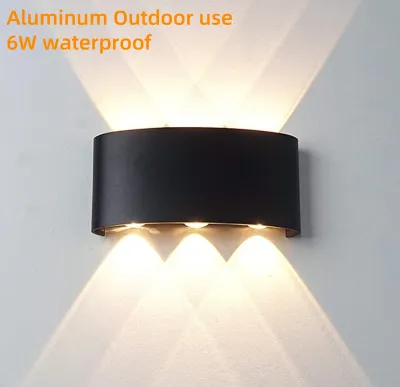
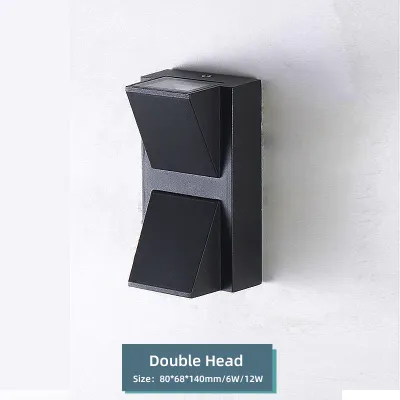

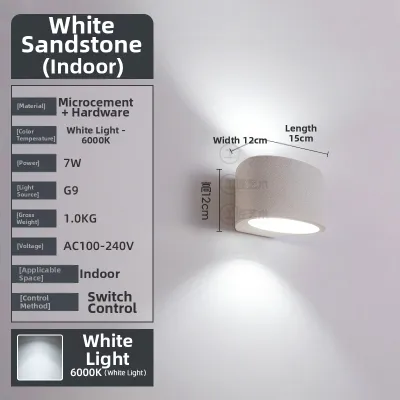
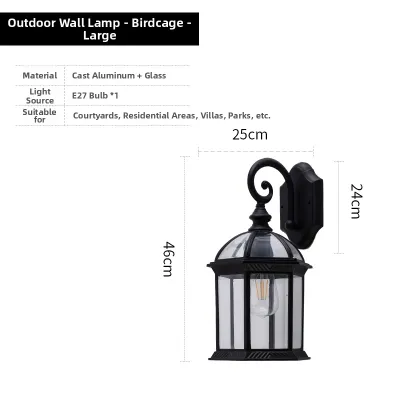
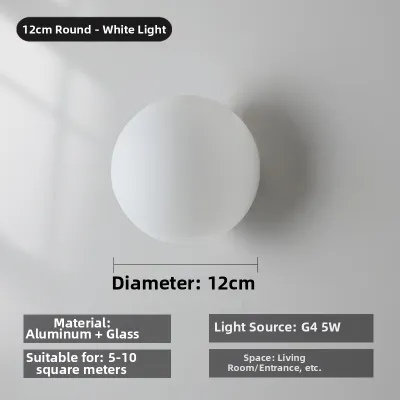
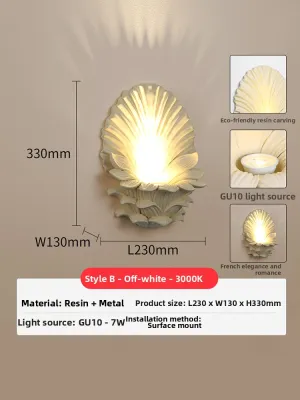
Prices are valid at publication and may change. Please refer to the product page for the latest price.
Spatial constraints also play a major role in how these fixtures are selected and positioned. In narrow hallways, every centimeter of clearance matters, especially in compact urban homes or townhouses where corridors may be less than a meter wide. Bedside areas, while also constrained by the width of the bed and nightstands, allow for more three-dimensional use of space. Here, the ergonomics of reaching a switch from a reclining position and adjusting the angle of the light beam dictate the fixture’s design and placement.
Selecting Wall Lights Sconces for Narrow Hallways
When choosing wall lights and sconces for narrow hallways, physical clearance is the most critical factor to consider. Standard decorative sconces often protrude significantly from the wall, creating a hazard where family members might bump into them. To prevent this, prioritize flush-mount or low-profile designs, often referred to as ADA-compliant fixtures, which project no more than 10 centimeters (4 inches) from the wall surface. These slim profiles keep the pathway clear while still delivering adequate illumination.

The direction of the light is equally important for making a narrow corridor feel open and welcoming. Uplighting or diffused lighting designs are highly effective in these spaces because they bounce light off the ceiling and walls. This indirect illumination softens harsh shadows and visually expands the hallway, making a tight space feel larger and more airy. Avoid exposed-bulb designs or fixtures with clear glass shades that cast direct, intense light into the eyes of anyone walking down the hall.
Before purchasing, always verify the physical dimensions of the fixture and plan the brightness levels carefully. For safe nighttime transit, you do not need high-wattage bulbs; a soft, low-lumen glow is sufficient to guide the way without shocking dark-adjusted eyes. If your hallway features concrete walls—a common construction method in many local homes—recessing a fixture deeply may be difficult. In such cases, choosing a stylish, ultra-slim surface-mounted sconce is a practical and elegant solution.
Choosing Bedside Reading Wall Sconces
Bedside reading requires a completely different approach to fixture design, focusing heavily on adjustability and control. Look for wall sconces featuring swing arms, flexible goosenecks, or swivel heads that allow you to position the light source exactly where you need it. This directional flexibility ensures that the light shines directly onto your reading material rather than dispersing across the bed, allowing you to read comfortably without disturbing anyone sleeping beside you.
Modern bedside sconces often incorporate advanced control features that enhance convenience and comfort. Integrated dimmers, physical toggle switches on the fixture base, or compatibility with smart bulbs allow you to transition seamlessly from a bright, focused reading light to a warm, low-intensity ambient glow. Having these controls directly on the fixture is incredibly convenient during warm, humid tropical nights when you want to minimize movement and turn off the lights without getting out of bed.
Accessibility is another key ergonomic consideration when planning your bedside setup. The switch or dimming control must be easily reachable from a lying or seated position against the headboard. If you are retrofitting a bedroom without pre-existing wall wiring, look for plug-in sconces that feature a cord switch positioned at a convenient height along the cable. This eliminates the need for extensive wall carving while still providing the functional benefits of a dedicated reading light.
Cross-Scenario Compatibility and Trade-offs
While it might be tempting to purchase a single style of wall sconce to use throughout your home for visual consistency, doing so often leads to functional compromises. For instance, installing a fixed, non-adjustable hallway sconce next to a bed usually results in poor reading conditions. The lack of directional control means the light may shine directly into your eyes or fail to illuminate your book properly, while the wide light spread can easily keep your partner awake.
Conversely, using a highly adjustable, protruding bedside reading sconce in a narrow hallway presents significant spatial and safety challenges. The extended arms and swivel heads of these fixtures can easily catch on clothing, bags, or passing shoulders, leading to damaged fixtures or minor injuries. Even if pushed flat against the wall, the mechanical joints and detailed shapes of reading lights can collect dust quickly in humid environments and look cluttered in a clean, minimalist corridor.
If you desire a unified aesthetic across both spaces, look for versatile middle-ground designs from the same product collection. Many manufacturers offer families of fixtures that share matching finishes and materials but feature different functional structures. For example, you can select a flush-mount, frosted-glass sconce for the hallway and a matching swing-arm version with the same brass or matte black finish for the bedside, achieving visual harmony without sacrificing performance.
Installation, Electrical Checks, and Safety Boundaries
Before installing any wall lights or sconces, it is essential to perform thorough electrical and compatibility checks. Verify that the voltage of the fixture matches your local residential standard, which is typically 220V in the Philippines. Additionally, check the bulb base type (such as standard E27 screw bases or GU10 bi-pin connectors) and ensure the bulb’s wattage does not exceed the maximum limit specified by the fixture manufacturer to prevent overheating.
Proper planning for switch wiring is crucial, particularly when adding new bedside controls or dimming circuits. If you are installing hardwired fixtures, you must ensure that the wall junction boxes are securely mounted and capable of supporting the weight of the sconces. For concrete or masonry walls, drilling and routing conduit requires specialized tools and careful planning to avoid damaging existing electrical lines or structural integrity.
Always establish clear safety boundaries when working with electrical fixtures. Before inspecting any wiring, mounting a bracket, or changing a fixture, turn off the main power supply at your home’s circuit breaker panel. If your installation involves running new electrical lines, adding three-way switches for hallway control, or modifying your home’s structural walls, stop and consult a licensed electrician to ensure the work complies with local electrical codes and safety standards.
Frequently Asked Questions (FAQ)
How high should wall lights sconces be mounted in a hallway versus next to a bed?
In a hallway, wall sconces should generally be mounted so that the center of the fixture is approximately 150 to 170 centimeters (60 to 66 inches) above the finished floor. This height keeps the light source near eye level for most adults while ensuring the fixture remains high enough to avoid accidental head bumps. If your home has exceptionally high ceilings, you may adjust the mounting height slightly upward to maintain balanced visual proportions.
For a bedside reading area, the mounting height depends on the height of your mattress, headboard, and your typical sitting position. Ideally, the bottom of the sconce shade should sit roughly 50 to 75 centimeters (20 to 30 inches) above the top of the mattress, or level with your shoulder when sitting up in bed. This positioning allows the light to shine down onto your book or device at a comfortable angle without casting a shadow from your head or body.
Do I need special wall lights sconces for humid areas near a bathroom entrance?
Yes, if a hallway sconce is located near a bathroom entrance or in a transitional zone exposed to high humidity, you must verify its moisture rating. Electrical fixtures are rated for dry, damp, or wet locations based on their ability to resist moisture penetration. In tropical climates where indoor humidity levels can remain consistently high, choosing a fixture with a damp-location rating or a suitable Ingress Protection (IP) rating, such as IP44, is highly recommended.
Using a standard dry-rated indoor sconce in a highly humid area can lead to premature corrosion of metal parts, degradation of electrical insulation, and potential short circuits. Always check the manufacturer’s specifications to ensure the fixture is certified for damp environments. If the sconce will be exposed to direct water splashes, such as immediately adjacent to a shower or outdoor entryway, a fully waterproof, wet-rated fixture is required.
Community discussion
Share your experience or ask a question. Comments are reviewed before publication.