
Navigating a narrow hallway requires lighting that guides the way without physically or visually crowding the passage. The ideal wall mounted lamp shade for these tight spaces balances a slim profile with effective light distribution, ensuring that family members can walk freely without bumping into fixtures. By focusing on low-profile designs, appropriate materials, and smart placement, you can transform a dark, cramped corridor into an inviting, well-lit pathway.
Selecting the right fixture involves understanding how light interacts with close walls. In a confined space, the physical footprint of the lamp shade is just as important as the quality of light it emits. A thoughtful choice prevents the hallway from feeling like a tunnel while maintaining a safe, unobstructed walkway for everyone in the household.
Key Dimensions and Proportions for Narrow Spaces
In narrow hallways, every centimeter of clearance matters. A critical first step is measuring the hallway’s total width and checking the maximum projection of any potential fixture. Sconces that extend too far from the wall pose a constant hazard for shoulders, bags, and moving furniture. As a practical guideline, look for low-profile designs that project 10 centimeters or less from the wall surface to keep the walkway clear.
Products mentioned in this guide
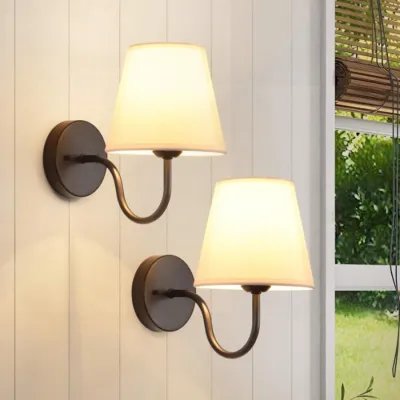
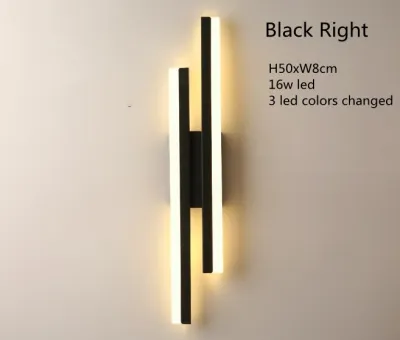
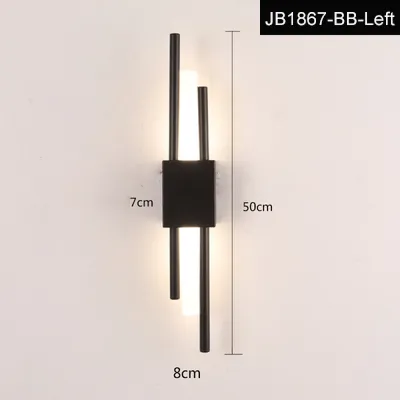
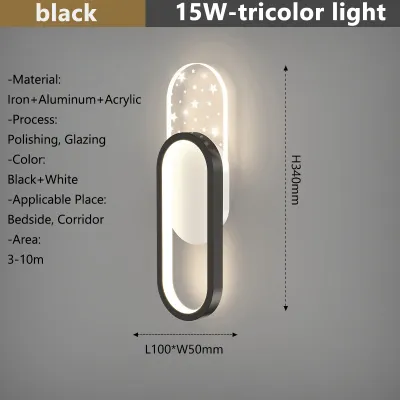
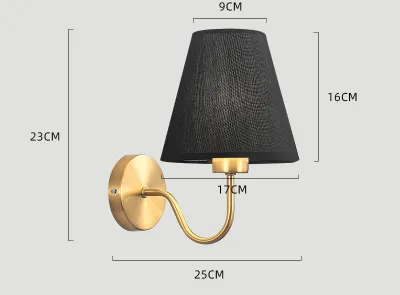
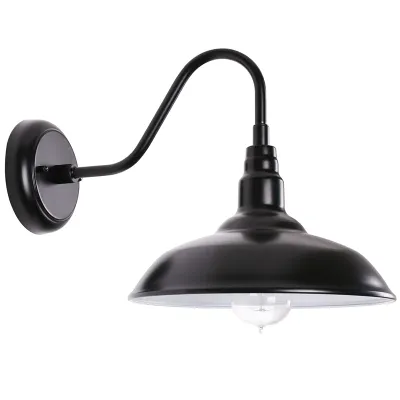
Prices are valid at publication and may change. Please refer to the product page for the latest price.
The height-to-width ratio of the lamp shade also plays a significant role in how spacious the corridor feels. A tall, slender shade draws the eye upward, making the ceiling feel higher and the corridor more spacious. Conversely, wide or bulbous shades can visually block the path and make the walls feel like they are closing in. Streamlined, vertical profiles—such as cylinder, half-cylinder, or rectangular pocket shades—hug the wall closely and maintain a clean, modern aesthetic.
Visual weight is another key factor when selecting a shade. Heavy, ornate metalwork or dark, solid materials can make a small space feel cluttered and heavy. Choosing shades with clean lines, minimalist frames, and lighter visual weight helps maintain an open, airy atmosphere. This visual simplicity is especially beneficial in long corridors where multiple fixtures are installed in a row.
Light Direction and Glare Control in Hallways
How a shade directs light determines both the safety and the comfort of your hallway. Uplighting bounces light off the ceiling, creating a soft, indirect glow that makes a low ceiling feel higher. Downlighting focuses illumination directly onto the floor, which is excellent for highlighting the pathway and ensuring safe footing. Many corridor sconces use a combination of both, featuring open tops and bottoms to wash the wall with light while keeping the bulb itself hidden.

The material of the shade dictates how light is diffused throughout the space. Frosted glass, translucent acrylic, and light-filtering fabrics diffuse light evenly, softening shadows and reducing harsh contrasts. Opaque materials, like metal or ceramic, direct light strictly upward or downward. While opaque shades can create dramatic, stylish pools of light, they may leave the middle section of the wall in shadow, which might not provide enough ambient light for very dark hallways.
Because you walk in close proximity to the fixtures in a narrow corridor, glare control is essential. To prevent uncomfortable glare, ensure the shade completely shields the bulb from direct line-of-sight at normal standing and walking heights. A well-designed shade directs the light where it is needed most while keeping the intense brightness of the bulb hidden from your eyes.
Space-Saving Designs and Mounting Styles
Flush-mount and semi-flush wall sconces are the most practical choices for narrow corridors because they remain fixed in a low-profile position. Swing-arm or extended-arm designs, while highly adjustable, are generally unsuitable for tight hallways as they easily drift into the walking path and invite accidental collisions. Keeping the fixture flush against the wall ensures a permanent, predictable clearance.
Fully enclosed shades, such as globes or sealed cylinders, protect the bulb from dust and insects—a common maintenance concern in tropical environments. However, enclosed designs can trap heat, requiring careful selection of low-wattage LED bulbs to prevent overheating. Open-top and open-bottom designs allow heat to escape easily and make bulb replacement simple, though they require regular dusting to maintain their clarity and light output.
For the ultimate space-saving solution, consider minimalist or recessed mounting options. Recessed wall lights or ultra-slim plaster-in sconces blend seamlessly into the drywall, projecting minimally into the physical space. These designs rely on the wall cavity to house the electrical components, keeping the visible shade profile as close to the wall surface as possible.
Electrical and Installation Checks for Corridor Sconces
Before purchasing any wall mounted lamp shade and fixture, verify that the electrical components are compatible with your home’s electrical system. In the Philippines, the standard residential voltage is 220V at 60Hz. Check the manufacturer’s specified bulb base (such as E27 or GU10) and the maximum wattage limit to prevent overheating, especially when using enclosed shades. Ensuring your bulbs match these specifications is crucial for safety and longevity.
Plan your installation based on your existing hallway layout. Fixed wiring provides a clean, seamless look without visible cords, but it requires pre-existing junction boxes or professional routing behind the wall. If routing wires behind the wall is not feasible, plug-in sconces with matching cord covers can be used, provided the cord is secured flat against the wall to prevent tripping hazards.
Always isolate the power at the main circuit breaker before attempting any electrical installation. For installing new wiring, mounting heavy fixtures, or working in damp-prone hallway areas—such as corridors adjacent to open-air courtyards or bathrooms—consult a qualified professional electrician. A professional ensures that all wiring complies with local electrical codes and is safely insulated against moisture.
Frequently Asked Questions (FAQ)
Can I use fabric lamp shades in a narrow hallway?
Fabric shades add a soft, warm texture to a corridor, but they require more maintenance in high-traffic, humid environments. Dust and moisture can cling to fabric fibers, requiring regular vacuuming or gentle brushing to prevent staining and discoloration over time.
If you choose fabric, verify its fire safety rating and ensure there is adequate clearance between the bulb and the shade material to prevent heat buildup. In very tight hallways where accidental brushing is common, hard materials like glass, ceramic, or metal are often more durable and much easier to wipe clean.
How high should wall-mounted lamp shades be installed in a hallway?
As a general guideline, mounting the center of the lamp shade or fixture approximately 150 to 170 centimeters from the floor keeps the light source at a comfortable level. This height helps ensure the bulb is shielded from direct eye level for most standing adults, preventing uncomfortable glare as you walk past.
You should adjust this height to coordinate with nearby architectural elements, such as door frames or wainscoting, to maintain clean horizontal lines. When installing multiple sconces along a long corridor, space them evenly and maintain a consistent mounting height to create a balanced visual rhythm and ensure uniform illumination down the entire path.
Community discussion
Share your experience or ask a question. Comments are reviewed before publication.