
Decorating an outdoor Christmas tree in the Philippines brings unique holiday cheer, but the tropical climate presents distinct challenges. High humidity, sudden torrential rains, and intense afternoon heat can quickly ruin standard indoor decor and create serious electrical hazards. Selecting the right led lights for christmas tree setups outdoors requires balancing seasonal aesthetics with strict safety, waterproofing, and durability standards.
To ensure your outdoor holiday display remains safe and vibrant throughout the festive season, you must look beyond decorative appeal. The ideal outdoor setup requires a clear understanding of waterproof ratings, wire insulation materials, power configurations, and proper installation techniques tailored to tropical weather conditions.
Decoding Waterproof Ratings for Tropical Weather
The Philippine holiday season often coincides with the tail end of the rainy season, bringing unpredictable downpours and persistent high humidity. To protect your outdoor Christmas tree lights from moisture damage, you must look for an Ingress Protection (IP) rating printed on the product packaging. This standardized rating system provides a reliable measure of a product’s resistance to solids and liquids, replacing vague marketing terms like “waterproof” or “water-resistant.”
Products mentioned in this guide
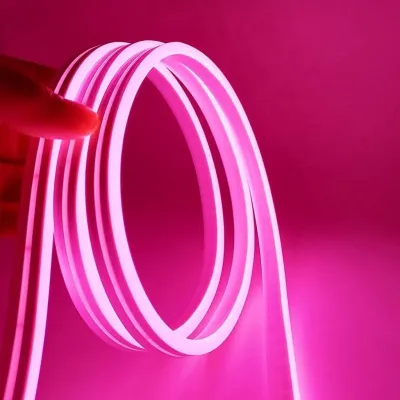
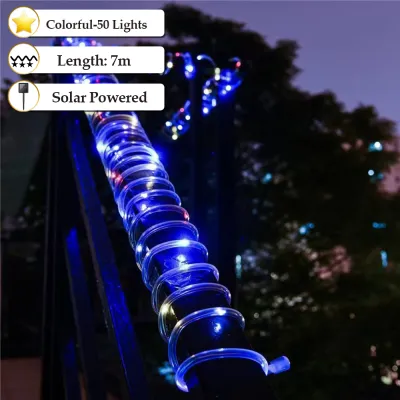
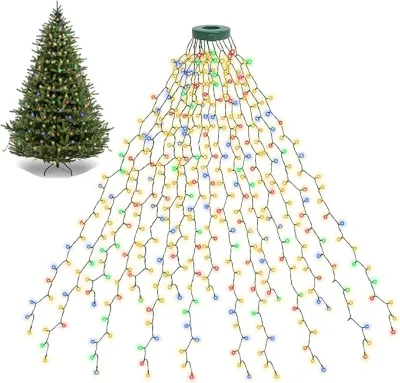
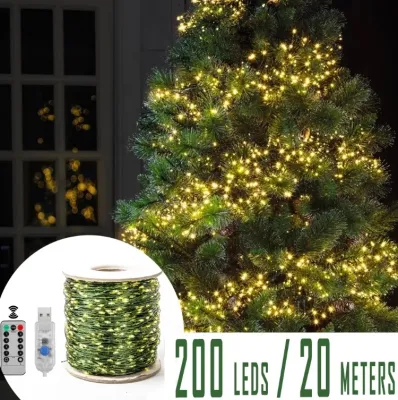
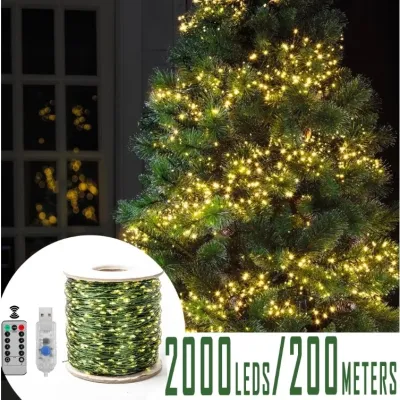
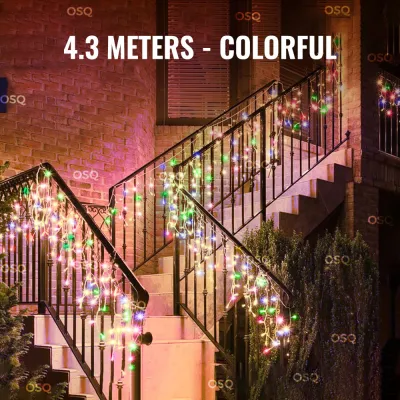
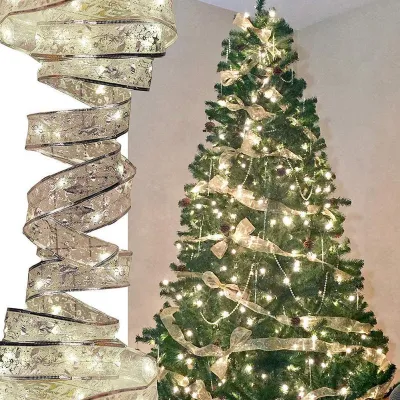
Prices are valid at publication and may change. Please refer to the product page for the latest price.
An IP rating consists of two digits. The first digit (ranging from 0 to 6) measures protection against solid objects like dust and insects, while the second digit (ranging from 0 to 9) measures protection against water. For outdoor Christmas trees, the second digit is the most critical factor in preventing short circuits and electrical failures.
For outdoor lighting in sheltered areas, such as a covered veranda or a deeply recessed porch, a minimum rating of IP44 is acceptable. This rating indicates protection against splashing water from any direction. However, if your Christmas tree is fully exposed to the elements in an open garden or lawn, you should opt for IP65 or higher. An IP65 rating ensures the light string can withstand low-pressure water jets and heavy downpours without allowing moisture to penetrate the internal circuitry.
High tropical humidity also poses a silent threat in the form of condensation. Even when it is not raining, moisture can slowly accumulate inside poorly sealed light sockets, leading to rapid copper corrosion and premature failure. Choosing string lights with hermetically sealed bulbs and rubberized connectors helps isolate the electrical path from ambient moisture, ensuring long-term reliability in humid coastal or highland regions.
Choosing the Right Power Source and Bulb Type
Selecting how your lights are powered and the technology behind the bulbs directly impacts both safety and performance. Outdoor string lights generally rely on three main power sources: plug-in mains power, solar panels, or batteries. Each option carries specific trade-offs when used in a tropical outdoor environment.

Plug-in LED string lights offer the most consistent brightness and are ideal for large, heavily decorated trees. In the Philippines, the standard household voltage is 220V at 60Hz. Because high voltage carries a greater safety risk in wet conditions, it is highly recommended to choose low-voltage LED systems that utilize a step-down transformer to reduce the operating voltage to 12V or 24V. When purchasing plug-in lights, always verify that the power adapter or transformer itself is rated for outdoor use (minimum IP44, preferably IP65), as many manufacturers package waterproof light strands with non-waterproof indoor plugs.
Solar-powered LED lights are an excellent energy-saving alternative that eliminates the need for running outdoor extension cords. However, their performance depends entirely on sunlight exposure. During overcast or rainy December days, the solar panel may not receive enough direct sunlight to fully charge the internal battery, resulting in dim or short-lived lighting at night. If you choose solar, ensure the solar panel and its integrated battery box carry a high waterproof rating and are positioned in an unshaded area.
Battery-operated lights offer maximum placement flexibility but are generally best suited for smaller accent trees. The battery compartments must feature thick rubber gaskets and secure latches to prevent rainwater from seeping inside and corroding the terminals. Because wet batteries can leak and ruin the device, you must check the battery box regularly during wet spells.
Regardless of the power source, LED bulbs are vastly superior to traditional incandescent bulbs for outdoor use. LEDs emit virtually no heat, which prevents the wire insulation from drying out, cracking, or melting under the tropical sun. This low heat emission also protects the living branches of your outdoor tree from heat damage. When selecting your lights, check the manufacturer’s specifications for operating temperature ranges to ensure the internal electronics can withstand both intense daytime heat and cool, damp nights.
Essential Build Quality and Wire Materials
Evaluating the physical construction of LED string lights is essential before making a purchase. The materials used for wire insulation and connectors determine how well the product will withstand UV exposure, physical tension, and moisture over several weeks of outdoor display.
Wire insulation typically comes in PVC (polyvinyl chloride) or heavy-duty rubber. While PVC is lightweight and highly common, standard PVC can degrade, stiffen, and crack when exposed to prolonged tropical sunlight and fluctuating temperatures. Heavy-duty rubber or neoprene-insulated cables offer superior durability, remaining highly flexible and resistant to UV radiation and physical wear. For large outdoor trees with rough bark, rubber cables are much less likely to suffer structural damage.
Inspect the connection points between the bulbs and the wire. High-quality outdoor lights feature molded sockets where the bulb is permanently sealed into the housing, preventing water from entering the electrical contact point. If the string lights feature replaceable bulbs, ensure each socket has a tight-fitting rubber o-ring or gasket that creates a watertight seal when the bulb is fully screwed in.
Wire thickness, or gauge, also plays a crucial role in safety. Thin, flimsy wires can easily break under the tension of being wrapped around branches or blown by strong winds. Look for thicker, heavy-gauge copper wires wrapped in robust insulation.
Before finalizing your purchase from physical stores or online marketplaces, always verify the product’s electrical safety certifications. In the Philippines, legitimate electrical products must carry the Import Commodity Clearance (ICC) sticker or the Philippine Standard (PS) safety certification mark. These marks indicate that the product has undergone rigorous testing for fire safety, insulation quality, and electrical standards, protecting your household from uncertified, low-quality imports that pose severe fire hazards.
Safe Installation and Power Management
Installing outdoor lights safely requires systematic preparation and adherence to strict electrical guidelines. Before hanging any lights on your outdoor Christmas tree, perform a thorough pre-installation check indoors where it is dry.
Unpack the lights and lay them out on a dry surface. Inspect the entire length of the wire for any signs of fraying, exposed copper, or cracked insulation. Plug the lights in to verify that all bulbs function correctly and that there are no flickering sections, which could indicate an internal wire break. Always isolate the power by unplugging the lights before handling or adjusting them on the tree.
When mounting the lights, avoid using metal staples, nails, or wire ties to secure the strands to the tree branches. Metal fasteners can easily pinch or pierce the protective insulation, creating a direct path for electrical current to travel into the wet wood of the tree, posing a severe shock hazard. Instead, use UV-stabilized plastic zip ties, insulated outdoor mounting clips, or outdoor-rated hook-and-loop straps. Secure the wires snugly but leave enough slack to accommodate wind movement without straining the connectors.
Proper power management is critical to prevent overloaded circuits and water ingress at connection points:
- Observe connection limits: Never exceed the manufacturer's specified maximum number of end-to-end connections (daisy-chaining). Overloading the circuit can cause the wires to overheat and melt.
- Use outdoor-rated extension cords: Ensure all extension cords are heavy-duty, grounded, and rated specifically for outdoor wet environments.
- Elevate connections: Keep all plug connections, splitters, and adapters elevated off the ground. Never let plugs rest on the grass or soil where water can pool.
- Use weatherproof enclosures: Protect plug connections inside specialized, IP-rated plastic safety boxes (commonly known as weatherproof connection covers) to seal them against rain.
Always turn off and unplug the lights during severe weather events, typhoons, or when the tree is dripping wet from heavy rain. If your outdoor setup requires dedicated outdoor outlets, permanent wiring, or working at significant heights on large trees, you must consult a qualified professional electrician to install Ground Fault Circuit Interrupter (GFCI) outlets and ensure structural safety.
Post-Holiday Maintenance and Storage
Taking care of your LED string lights after the holiday season ensures they remain safe and functional for years to come. Proper disassembly, cleaning, and storage prevent the wire degradation and contact corrosion that commonly occur in humid tropical environments.
Begin by isolating the power and unplugging the lights. Carefully untangle and remove the strands from the tree branches, taking care not to pull hard on the wires or strain the molded connectors. Once removed, lay the lights on a clean, dry surface indoors.
Inspect the strands for any physical damage that occurred during their outdoor deployment. Wipe down the wires and bulbs with a clean, dry microfiber cloth to remove dust, sap, and outdoor debris. If there are stubborn spots, use a slightly damp cloth with water only, avoiding harsh chemical solvents or abrasive cleaning agents that could degrade the rubber or plastic insulation. Never submerge the plugs, transformers, or controller boxes in water.
Allowing the lights to dry completely is the most critical step in preventing mold and internal copper corrosion. Even if the lights look dry, residual moisture can remain trapped inside connectors or tiny crevices. Leave the lights spread out in a well-ventilated, air-conditioned room or under a running ceiling fan for at least 24 to 48 hours before packing them away.
Store the dry lights in a cool, dry indoor space away from direct sunlight, which can cause the wire insulation to become brittle over time. Avoid using sealed plastic bags that can trap ambient humidity; instead, use breathable storage bags or plastic storage bins. To combat the high relative humidity of the Philippines, place several silica gel packets inside the storage container to absorb any lingering moisture and preserve the integrity of the electrical components.
Frequently Asked Questions (FAQ)
Can I leave outdoor LED string lights on the tree year-round?
No, you should not leave outdoor LED string lights on your tree year-round unless the manufacturer explicitly states they are rated for permanent, long-term outdoor installation. Most seasonal holiday lights are designed for temporary outdoor use, typically defined as up to 90 consecutive days. Continuous exposure to intense tropical UV rays, high humidity, and heavy rains will accelerate the degradation of the plastic and rubber insulation, making the wires brittle and prone to cracking. This degradation eventually exposes live wires, creating severe safety and fire hazards.
What should I do if my outdoor Christmas lights stop working after heavy rain?
If your lights stop working after a heavy downpours, immediately isolate the power by turning off the circuit breaker or unplugging the main power source with dry hands. Do not touch the wet lights or the tree while the power is still active. Once the system is completely de-energized, inspect the setup for tripped GFCI outlets or blown fuses. Unplug the connections and check for water ingress inside the plugs, connectors, or controller boxes. Allow all components to dry completely in a well-ventilated indoor area for several days before testing them again. If you find any melted plastic, burnt smells, or exposed wires, discard the set immediately to prevent future electrical hazards.
Community discussion
Share your experience or ask a question. Comments are reviewed before publication.