
Selecting the right outdoor Christmas lights in the Philippines requires balancing festive aesthetics with practical weatherproofing. Because the local holiday season kicks off as early as September—smack in the middle of the tropical wet season—your outdoor decorations must endure heavy downpours, high humidity, and intense afternoon heat. Standard indoor lights will quickly fail or pose severe electrical hazards when exposed to these elements. To build a display that remains safe and brilliant from the first of the “Ber” months through the Feast of the Three Kings, you must focus on certified waterproof ratings, durable wire construction, and proper installation techniques.
By understanding how to evaluate product specifications and match them to your specific outdoor environment, you can avoid frequent replacements and safety hazards. This guide details how to read ingress protection ratings, compare essential product features, implement safe installation practices, and store your display so it survives the humid off-season.
Understanding Waterproof Ratings for Outdoor Holiday Lighting
When shopping for outdoor seasonal decorative lighting, the most critical specification to verify is the Ingress Protection (IP) rating. This international standard consists of two digits that indicate how well the product’s enclosure protects its internal electrical components. The first digit, ranging from 0 to 6, measures protection against solid objects like dust and dirt. The second digit, ranging from 0 to 9, measures protection against liquids. For outdoor holiday displays, the second digit is the most important factor in determining weather resistance.
Products mentioned in this guide
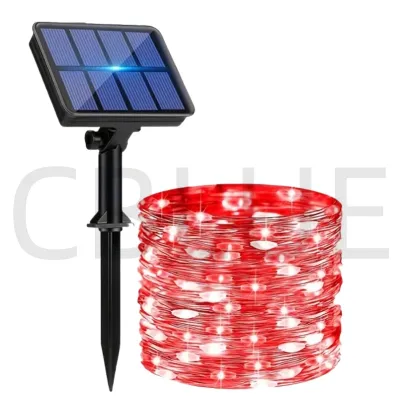
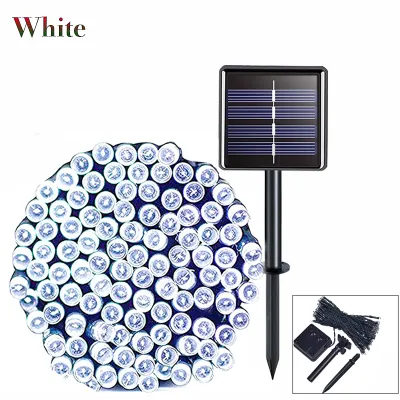
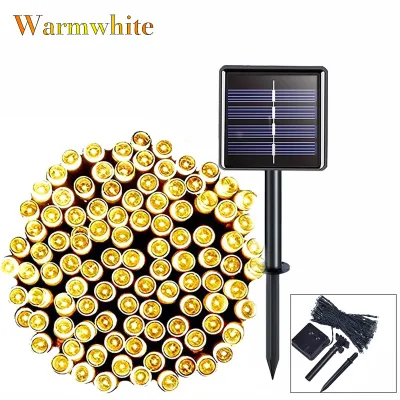
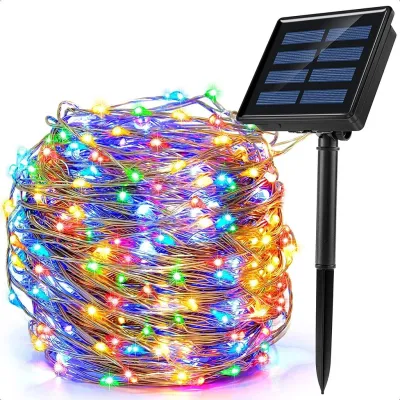
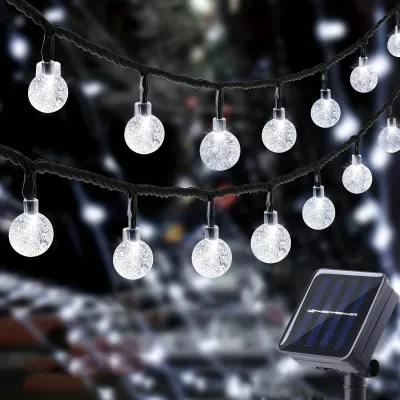
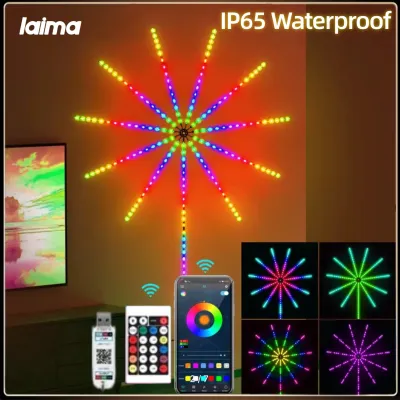
Prices are valid at publication and may change. Please refer to the product page for the latest price.
Products labeled simply as “water-resistant” are generally only suitable for temporary outdoor use under strict conditions, such as a covered porch or veranda. These items often carry an IP44 rating, meaning they can withstand splashing water from any direction but are not sealed against direct, heavy rainfall. If you plan to hang lights along exposed rooflines, trees, or garden fences where they will face tropical storms, you must look for products rated IP65 or higher. An IP65 rating ensures the light string is completely dust-tight and can resist low-pressure water jets from any angle, making it highly reliable during sudden downpours.
For extreme exposure, such as ground-level garden path lighting that might experience temporary pooling or flooding during heavy rains, look for IP67-rated options. IP67 products can withstand temporary immersion in water up to one meter deep. Always verify these ratings on the product packaging or manufacturer specification sheets rather than relying on generic marketing claims. If a product lacks an official IP rating entirely, it should be treated as an indoor-only light string to prevent short circuits and electrical shocks.
Key Features to Evaluate in Seasonal Decorative Lighting
Beyond waterproof ratings, the physical components of the light string dictate its longevity and performance in tropical climates. Light-emitting diode (LED) options are highly recommended over traditional incandescent bulbs for outdoor displays. LEDs emit virtually no heat, which prevents the bulb casings from expanding and contracting excessively in the hot Philippine sun—a common cause of seal failure in older incandescent designs. Additionally, LEDs consume up to 90 percent less energy and have a significantly longer lifespan, helping to manage household electricity bills during months of continuous evening use.

Inspect the wire insulation and casing materials carefully before purchasing. Cheap, thin plastic wires degrade rapidly under intense ultraviolet (UV) radiation, leading to cracked insulation that exposes live copper wires to moisture. Look for heavy-duty, UV-stabilized rubberized cables, often designated as SJTW or commercial-grade cabling. These materials remain flexible in both heat and rain, preventing the internal wiring from snapping when branches sway in the wind. Also, verify the bulb base interface; integrated LED bulbs that are permanently sealed into their sockets offer superior moisture protection compared to replaceable bulb designs, which have tiny gaps where water can seep in.
Power source selection is another crucial decision point for outdoor setups. Plug-in string lights provide consistent, reliable brightness but require proximity to safe outdoor outlets and careful cable management. Solar-powered string lights offer excellent flexibility for distant garden areas and eliminate the need for running extension cords, but their performance depends entirely on daily sunlight exposure. Because tropical weather can bring consecutive overcast or rainy days in December, solar lights may experience reduced runtime or lower brightness during these periods. Battery-operated options are best reserved for small, covered accents due to the high maintenance cost of frequent battery replacements.
Safety and Installation Standards for Exterior Displays
Installing outdoor lighting requires strict adherence to electrical safety standards to protect your home and family. Always verify that the light strings and any associated hardware carry recognized electrical safety certifications, such as the Philippine Standard (PS) quality mark or the Import Commodity Clearance (ICC) sticker. These certifications prove the product has undergone rigorous testing for voltage stability, insulation quality, and fire safety. Ensure the product is rated for the standard Philippine voltage of 220V to prevent immediate damage or fire hazards upon plugging them in.
Before beginning installation, isolate the power supply by turning off the relevant circuit breaker or unplugging all cords. Never work on live electrical connections, especially in damp outdoor environments. All outdoor extension cords must be explicitly rated for exterior use and plugged into a Ground Fault Circuit Interrupter (GFCI) outlet. GFCI outlets monitor electrical current and instantly cut power if a leak is detected, preventing severe shocks. Protect all plug connections with weatherproof electrical boxes or specialized plastic safety covers to prevent rainwater from bridging the connection points.
When mounting your lights, use insulated plastic clips, zip ties, or specialized gutter hooks designed for holiday lighting. Never use metal staples, nails, or tacks, as these can easily pierce the wire insulation, damage the waterproof seals, and energize your gutters or siding. If your display involves working at heights, hanging heavy suspended loads over open spaces, or modifying your home’s fixed electrical wiring, stop and consult a qualified professional electrician. Secure any suspended commercial-grade light strings with a dedicated steel guide wire to prevent the electrical cables from bearing the physical tension of wind and gravity.
Planning and Measuring Your Christmas Lighting Layout
To achieve a balanced and visually appealing display, start by mapping out your outdoor space and taking precise measurements. Use a heavy-duty measuring tape to determine the exact length of your rooflines, eaves, fence lines, or the circumference of any tree trunks you plan to wrap. Write down these dimensions to calculate the total linear footage of light strings required. Having precise measurements prevents the common frustration of running out of lights mid-installation or having excess, dangling cords that look untidy and present tripping hazards.
Next, consider bulb spacing and density to match your desired aesthetic. For detailed architectural lines along rooflines or windows, closely spaced bulbs (around 4 to 6 inches apart) create a crisp, continuous border. For wrapping large garden trees or draping across open patios, wider bulb spacing (8 to 12 inches or more) provides a softer, ambient glow. When calculating the total length needed for wrapping trees, remember that wrapping a trunk and its main branches requires significantly more footage than a straight line; a good rule of thumb is to plan for roughly 100 feet of lights for every 4 feet of trunk height, depending on the thickness.
Finally, calculate the electrical load to prevent overloading your home’s circuits. Every light string has a maximum wattage limit and a specified limit on how many strands can be safely connected end-to-end. Check the manufacturer’s label for the wattage per strand and ensure the combined wattage of all connected strings does not exceed the rating of your extension cords or the wall outlet. If you are using high-wattage traditional bulbs, you may need to run multiple extension cords to different electrical circuits. For dimmable displays, verify that both the bulbs and the controller are explicitly rated as dimmable to avoid flickering or premature driver failure.
Post-Holiday Maintenance and Storage in Tropical Climates
Proper post-holiday care is essential to protect your investment and ensure your waterproof string lights perform reliably year after year. When the holiday season ends, carefully dismantle the display in dry weather. Avoid pulling or tugging on the cords to free them from clips, as this can stretch the copper conductors inside the insulation or compromise the waterproof seals around the bulb bases. Inspect each strand during removal, noting any damaged bulbs or worn insulation that must be addressed before storage.
Before packing the lights away, clean off any accumulated dirt, dust, or coastal salt residue. Wipe down the cords and bulb casings with a damp, soft microfiber cloth; never submerge the plugs or controllers in water, and avoid using harsh chemical solvents that can degrade the rubberized coatings. In the highly humid climate of the Philippines, storing even slightly damp equipment will lead to rapid mold growth, wire degradation, and corrosion of the metal contacts inside the sockets. Lay the light strings out in a well-ventilated, shaded indoor area and allow them to dry completely for at least 24 to 48 hours before packing.
To prevent internal wire breakage and frustrating tangles, wind the dry light strings carefully. You can wrap them around dedicated plastic storage reels, heavy cardboard cutouts, or clean plastic hangers to keep the strands organized. Store the wound lights in airtight plastic containers rather than cardboard boxes, which absorb ambient moisture and attract pests like termites or rodents. Place a few packets of silica gel desiccant inside the storage container to absorb any residual moisture, and store the container in a cool, dry, elevated closet away from direct sunlight and extreme attic heat.
Frequently Asked Questions (FAQ)
Can I leave my outdoor Christmas lights up year-round?
No, seasonal decorative lighting is not designed for permanent, year-round outdoor exposure. Continuous exposure to intense tropical UV rays, high humidity, and heavy seasonal rains will rapidly degrade the plastic insulation, weaken the waterproof seals, and corrode the internal electrical contacts. Always check the manufacturer’s guidelines, which typically recommend a maximum continuous outdoor deployment of 90 days to preserve the safety and lifespan of the product.
What should I do if a section of my waterproof string lights stops working?
First, unplug the light string from the power source to ensure your safety. Perform a careful visual inspection of the dark section, looking for loose bulbs, visible wire damage, or signs of moisture entry inside the bulb casings. If the strand features replaceable fuses in the plug, check if they have blown. If you find cracked insulation, exposed copper, or melted plastic, discard the entire strand immediately; attempting DIY repairs on damaged waterproof wiring can compromise the safety rating and create severe shock or fire hazards.
Are solar-powered string lights bright enough for main holiday displays?
Solar-powered string lights are excellent for accent lighting, wrapping garden trees, or decorating areas far from electrical outlets, but they generally do not match the consistent brightness of plug-in alternatives. Their performance depends heavily on receiving direct sunlight during the day to charge the battery. Because the Philippine holiday season can bring overcast skies and rainy afternoons, solar lights may experience shorter runtimes and dimmer output on the very evenings you want your display to shine brightest.
Community discussion
Share your experience or ask a question. Comments are reviewed before publication.