
Planning an outdoor wedding in the Philippines requires careful preparation for the elements. Sudden tropical downpours, high humidity, and intense heat can quickly disrupt an evening reception if your lighting is not up to the task. To find the best waterproof string lights for your celebration, you must look beyond basic aesthetics and prioritize heavy-duty weatherproofing, safe electrical configurations, and adaptable designs.
Choosing the right wedding light involves verifying specific ingress protection ratings, selecting durable cable materials, and calculating power loads to ensure your venue remains safely illuminated. By focusing on these technical details, you can create a magical, romantic atmosphere that withstands the unpredictable tropical climate.
Understanding Weather Resistance for Tropical Climates
When shopping for outdoor lighting, the Ingress Protection (IP) rating is your primary indicator of how well a product can resist moisture and dust. For outdoor weddings in the Philippines, where heavy rains can occur unexpectedly, look for string lights with a rating of at least IP65. The first digit, 6, indicates complete protection against dust, while the second digit, 5, ensures the product can withstand water jets from any angle. Lower ratings, such as IP44, may survive light splashes but are highly vulnerable during severe tropical downpours.
Products mentioned in this guide
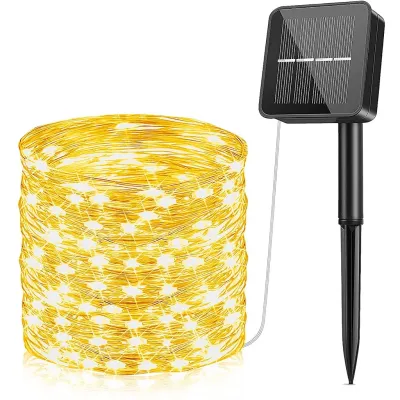
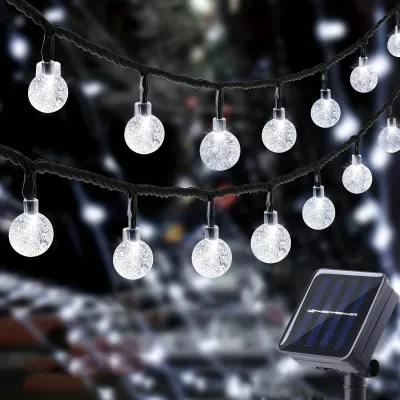
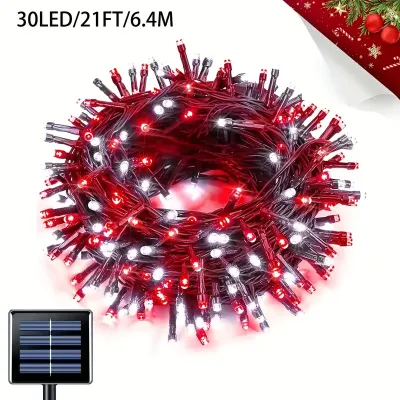
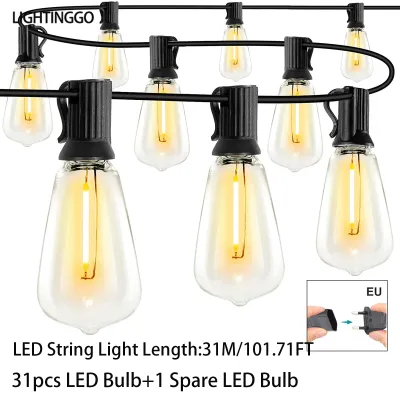
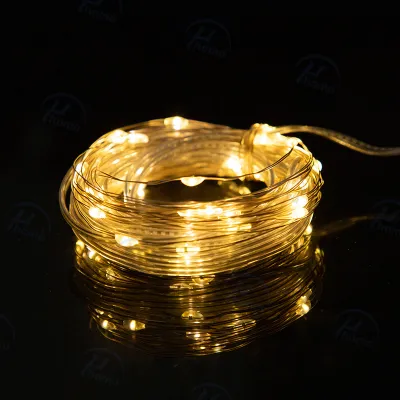
Prices are valid at publication and may change. Please refer to the product page for the latest price.
The cable jacket material is just as critical as the waterproof rating of the sockets. Standard indoor extension cords or thin PVC wires degrade rapidly under the intense sun and high humidity. Opt for heavy-duty rubberized cables, such as those with SJTW or rubber-insulated designations, which are specifically designed to resist ultraviolet (UV) radiation and physical wear. These robust jackets prevent the insulation from cracking, keeping the internal copper wiring safe from moisture exposure.
Before purchasing, always verify the manufacturer’s specifications regarding environmental limits. Check if the product is rated for continuous outdoor exposure and high-humidity climates. Reviewing the warranty terms can also provide insight into the manufacturer’s confidence in their product’s durability under tropical conditions. Avoid generic, unbranded lights that lack clear safety certifications or detailed environmental specifications on their packaging.
Selecting the Right Ambiance and Bulb Type
The color temperature of your wedding light plays a fundamental role in setting the mood for your evening reception. For a warm, intimate, and romantic atmosphere, select bulbs with a warm white color temperature, typically between 2200K and 2700K. This range mimics the soft glow of candlelight and complements natural wood, floral arrangements, and warm skin tones. Avoid cool white bulbs, which often exceed 4000K and can create a harsh, clinical environment that feels less inviting for a celebratory gathering.

Bulb shape and finish also influence the visual comfort of your guests. Globe-shaped bulbs (such as G40) and classic Edison-style bulbs (such as S14) are highly popular for outdoor weddings due to their vintage appeal. If you want to minimize glare, consider bulbs with amber-tinted or frosted glass finishes rather than completely clear glass. These finishes diffuse the light more softly, preventing harsh hotspots that can interfere with wedding photography and guest comfort.
To maintain complete control over the venue’s atmosphere as the event transitions from dinner to dancing, look for dimmable string lights. Ensure that both the bulbs and the control system are explicitly rated as dimmable, as mixing non-dimmable LED bulbs with standard dimmers can cause distracting flickering or premature bulb failure. Remote-control systems or inline dimmer switches allow your coordinator to adjust the brightness levels seamlessly throughout the night without disrupting the flow of the program.
Power Sources and Layout Planning for Venues
Selecting the right power source is essential for ensuring your wedding light setup remains reliable throughout the entire event. Plug-in string lights are the most dependable option for large-scale installations, offering consistent brightness and unlimited runtime, provided the venue has a stable power supply. Solar-powered lights can serve as accent lighting in remote areas of the garden, but they depend heavily on daytime sun exposure and may fade before the reception ends. Battery-operated options are best reserved for small tabletop centerpieces or localized floral accents where running cables is impractical.
Before hanging multiple strands of lights, you must calculate the total wattage to avoid overloading the venue’s electrical circuits. To do this, multiply the wattage of an individual bulb by the total number of bulbs on the connected strands. For example, if you connect five strands of 15-watt incandescent bulbs, the total load can quickly exceed the capacity of a standard household outlet. Switching to energy-efficient LED bulbs significantly reduces the total wattage, allowing you to connect more strands end-to-end safely.
Mapping your layout beforehand is crucial for determining the exact length of cable required. Popular patterns include a zigzag pattern across the dance floor, a perimeter border around the dining area, or a dense canopy over the main banquet tables. When measuring, always account for the natural sag or drape of the cables, adding an extra ten to fifteen percent to your total length estimate. Ensure you know the maximum number of connectable strands specified by the manufacturer to prevent overheating the wiring.
Safe Installation and Weatherproofing Practices
Hanging string lights safely requires the right mounting hardware to prevent physical damage to the cables and ensure guest safety. Never use staples, nails, or bare metal hooks directly against the light cords, as these can easily pierce the protective insulation and create a severe shock hazard. Instead, secure the strands using heavy-duty plastic zip ties, insulated cable clips, or specialized outdoor mounting hooks. For long spans exceeding ten meters, always install a tensioned steel guide wire (messenger cable) to support the weight of the light strands and prevent wind damage.
Even with waterproof string lights, the connection points where strands plug into each other or into extension cords remain highly vulnerable to moisture. Protect these joints by enclosing them in outdoor-rated weatherproof connection boxes or wrapping them tightly with self-fusing silicone tape. Applying a small amount of dielectric grease to the plug prongs before connecting them can also help repel moisture and prevent corrosion in highly humid coastal areas. Keep all electrical connections elevated off the ground, away from potential puddles or wet grass.
While minor decorative setups can be managed as a DIY project, complex installations require professional expertise. If your layout involves fixed wiring, integration with the venue’s main breaker panel, working at heights on tall ladders or scaffolding, or suspending heavy loads over guest seating, always hire a qualified electrician. Prioritize safety by ensuring the power source is completely isolated before anyone begins hanging or adjusting the lights.
Maintenance and Post-Event Storage
Proper maintenance after the wedding ensures your string lights remain in excellent condition for future celebrations or home use. Begin by disconnecting the power supply and allowing the bulbs to cool completely. Gently wipe down each bulb and the length of the cable with a dry or slightly damp microfiber cloth to remove dust, pollen, and outdoor residue. Avoid using harsh chemical cleaners or abrasive pads, which can scratch the bulb surfaces or degrade the protective rubber coatings.
Before packing the lights away, perform a thorough inspection of the entire setup. Check each socket for signs of moisture entry or corrosion, and examine the cables for any fraying, cuts, or exposed copper wiring. Replace any cracked bulbs or damaged strands immediately rather than storing them in a compromised state. This proactive check ensures that the lights are safe and ready to use the next time they are needed.
To prevent tangling and physical damage during storage, coil the strands carefully using the over-under coiling method, which avoids twisting the internal wires. Store the coiled lights in a sturdy, dry, and climate-stable plastic container with a tight-fitting lid. Avoid storing them in damp areas like open carports or humid basements, as prolonged exposure to moisture and pests can ruin the electrical contacts over time.
Frequently Asked Questions (FAQ)
Can I leave waterproof string lights outside permanently after the wedding?
While high-quality waterproof string lights are designed to withstand temporary outdoor exposure, leaving them installed permanently requires careful consideration. Most consumer-grade wedding lights are rated for seasonal or temporary use, meaning prolonged exposure to intense tropical sun, heavy monsoon rains, and constant humidity will accelerate the degradation of the plastic and rubber components. Over time, UV rays will make the cable jackets brittle, increasing the risk of water ingress and electrical shorts. If you plan to leave lights outdoors year-round, ensure you purchase commercial-grade, heavy-duty cables specifically certified for permanent outdoor installation.
How do I calculate the total cost for my wedding lighting setup?
To estimate your total budget, you must look beyond the initial purchase price of the light strands themselves. Begin by listing all necessary accessories, including outdoor-rated extension cords, heavy-duty zip ties, steel guide wires, and weatherproof connection covers. If your venue charges a power access fee or requires a dedicated generator, factor these costs into your calculations. Finally, remember to account for professional installation fees if you need to hire a qualified electrician to safely hang the lights at heights or manage complex electrical connections, ensuring a safe and beautiful setup for your special day in the Philippines.
Community discussion
Share your experience or ask a question. Comments are reviewed before publication.