
When setting up a cozy outdoor retreat on a compact balcony, choosing the right specifications for your rechargeable flood light led is the difference between a warm, relaxing oasis and an blinding, stadium-like glare. For a typical small balcony of around two to six square meters, you do not need massive commercial-grade illumination. Instead, aim for a low-wattage fixture—ideally between 5 to 10 watts, translating to roughly 300 to 800 lumens of light output.
Pair this wattage with a beam angle tailored to your specific layout. A wide beam angle of 100 to 120 degrees works best for a soft, uniform wash of ambient light across the entire floor. Conversely, a narrower beam of 30 to 60 degrees is perfect for accentuating specific features like a pocket vertical garden or a small coffee table. By balancing these two factors, you can create a beautiful, functional evening space that respects both your battery life and your neighbors’ peace.
Understanding Brightness and Light Spread in Compact Balconies
To select the ideal lighting setup, it is essential to understand how modern LED technology operates. Historically, consumers relied on wattage as the primary indicator of how bright a bulb would be. In the era of solid-state lighting, however, wattage represents electrical power consumption rather than visual output. For a rechargeable fixture, lower wattage is highly desirable because it directly correlates to reduced battery drain and longer runtimes between charges.
Products mentioned in this guide
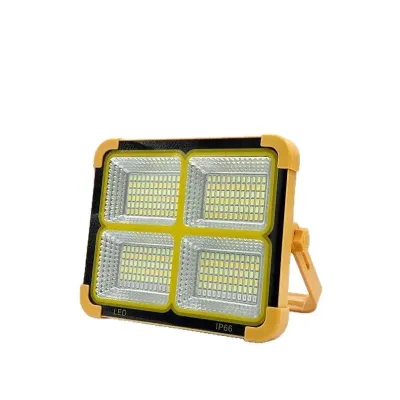
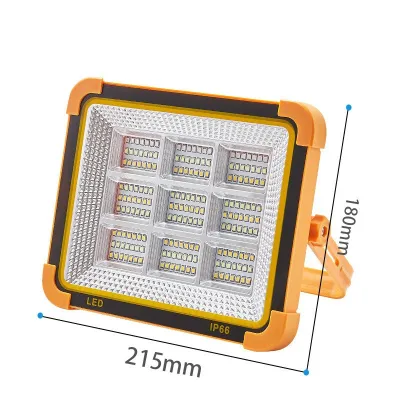
![[Buy 1 take 1]58H outdoor lighting solar flood light outdoor waterproof IP68 rechargeable led lamp for room at night garden lamp for courtyard automatic with remote control](https://img.lazcdn.com/g/p/7e6ec0b943416abf93d247b796867a0c.png_400x400q80.png_.webp)
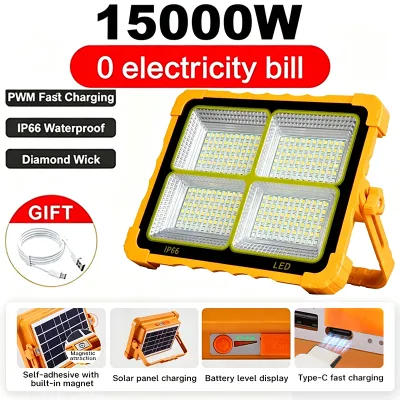
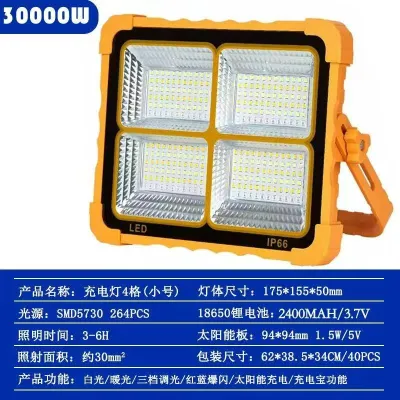

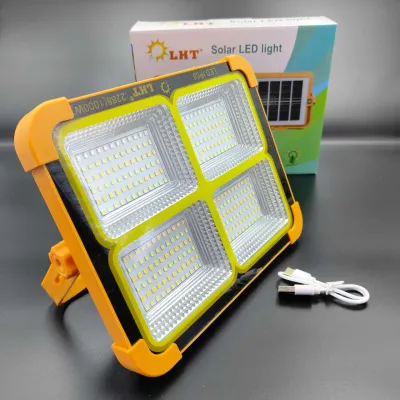
Prices are valid at publication and may change. Please refer to the product page for the latest price.
To determine actual brightness, you must look at lumens, which measure the total amount of visible light emitted by the source. A high-lumen light in a confined space can easily overwhelm the senses, bouncing harsh reflections off concrete walls and glass sliding doors. Keeping your lumen target modest ensures the area remains comfortable for extended relaxation.
Equally important is the beam angle, which dictates how that light is distributed across your balcony. Measured in degrees, the beam angle defines the cone of light spreading from the fixture. A very narrow angle concentrates the light into a tight, intense spotlight, while a broad angle disperses it widely, reducing the perceived intensity at any single point.
In a compact condo setting, managing this spread is critical. Uncontrolled light can spill over the balcony edge, casting unwanted glare into the night sky or directly into the windows of adjacent units. Your goal should be to contain the light within your personal outdoor boundary, creating a comfortable, glare-free zone that feels like a natural extension of your indoor living room.
Matching Brightness and Battery Life for a Rechargeable Flood Light LED
When shopping for a rechargeable flood light led, balancing brightness and battery performance is a key practical consideration. Because these fixtures rely on internal lithium-ion batteries rather than a continuous mains connection, running a light at maximum brightness will deplete the battery rapidly. For typical ambient balcony use, a light output of 300 to 500 lumens is generally more than sufficient to read, chat, or enjoy a late-night drink.

At this moderate level, a high-quality rechargeable battery can easily provide six to ten hours of continuous operation. Cranking the fixture to a high-intensity setting of 1,500 lumens or more might drain the battery in under two hours. Always check the manufacturer’s specification sheet to verify the estimated runtime at various output levels.
To maximize versatility, prioritize models that feature adjustable brightness levels or step-less dimming functions. This allows you to customize the light output based on the occasion and the remaining battery life. For example, you might set the light to 100% output during an early evening dinner, and then dim it down to 10% or 20% for a low-key, candle-like glow as the night winds down.
This dimming capability not only conserves precious battery cycles but also significantly reduces the risk of light pollution. High-density residential developments in urban centers place neighbors in close proximity. Keeping your lumen output modest and adjustable ensures your evening relaxation does not become an intrusive nuisance to those living directly opposite or adjacent to your balcony.
Selecting the Beam Angle for Ambiance and Accent Lighting
The shape of your balcony and your intended activities should dictate the beam angle you choose. If your primary goal is general ambient illumination—such as lighting up a small dining setup, a pair of chairs, or the entire floor area—a wide beam angle ranging from 90 to 120 degrees is highly effective. A wide angle acts as a flood or wash, distributing light evenly across a broad surface area.
This soft dispersion minimizes harsh shadows and reduces high-contrast dark spots, making the small space feel more open, inviting, and visually balanced. Because the light is spread out, the glare is less intense, which is especially beneficial when the fixture is positioned relatively close to seating areas. Warm color temperatures, while a matter of personal aesthetic preference, can further enhance this cozy, relaxed atmosphere.
Conversely, if you want to highlight specific design elements or create a more dramatic, layered aesthetic, a narrow to medium beam angle of 30 to 60 degrees is the superior choice. This focused spread allows you to direct a concentrated beam of light toward a particular feature, such as a lush potted palm, a small vertical herb garden, or a decorative wall panel.
By illuminating only designated zones and leaving other areas in soft shadow, you create visual depth and a sophisticated, upscale resort feel. This technique, known as accent lighting, is highly effective on balconies because it draws the eye to beautiful focal points while keeping the overall light levels low and relaxing. It allows you to showcase your balcony decor without flooding the entire space with unnecessary brightness.
Strategic Placement and Outdoor Durability Checks
Proper placement is just as important as choosing the right specifications. To avoid uncomfortable glare, never position your rechargeable flood light at eye level pointing directly inward or outward. Instead, mount or place the light at a high vantage point—such as clamped to a balcony railing or an overhead beam—and angle it downward.
Alternatively, you can place the light on the floor and aim it upward against a textured wall or a large plant. This technique, called wall washing or uplighting, bounces the light off a secondary surface, diffusing it beautifully and eliminating direct glare entirely. Because rechargeable lights do not require fixed electrical wiring, you can easily experiment with different locations using freestanding bases, table-top stands, or heavy-duty utility clamps without drilling holes or violating condo lease agreements.
Living in a tropical climate means your outdoor lighting must be resilient enough to handle high humidity, condensation, and sudden downpours. Before purchasing a rechargeable flood light, always verify its Ingress Protection (IP) rating on the product label. For covered condo balconies that might still experience wind-blown rain during typhoons or the wet season, a minimum rating of IP65 is highly recommended.
An IP65 rating ensures the fixture is dust-tight and protected against water jets from any direction. Furthermore, pay close attention to the charging port; ensure the rubber or silicone protective cap is tightly sealed before placing the light outdoors. Additionally, because tropical afternoons can reach high temperatures, store and charge the light indoors when not in use, and avoid leaving it in direct, unshaded sunlight during peak heat hours to protect the integrity of the internal lithium-ion battery. Always follow the manufacturer’s charging instructions and verify that the charging voltage matches the recommended specifications.
Common Lighting Mistakes on Small Condo Balconies
One of the most frequent errors condo residents make is purchasing heavy-duty, high-wattage security flood lights designed for large backyards or driveways. These fixtures, often emitting thousands of lumens with extremely wide beams, completely overwhelm a compact balcony. They create a harsh, institutional atmosphere, cause severe eye strain, and drain their rechargeable batteries in a fraction of the time. Additionally, they are almost guaranteed to trigger complaints from neighbors due to excessive light spill.
Another common mistake is completely ignoring the beam angle, resulting in a mismatched light spread. Using a narrow spotlight for general seating areas creates uncomfortable high-contrast glare zones, while using a wide-angle flood light for accenting a small plant wall simply washes out the entire space and spills light into adjacent units.
Finally, mounting the light at eye level pointing straight out is a major pitfall. This direct line of sight causes immediate visual discomfort for anyone sitting on the balcony and defeats the cozy, intimate ambiance that outdoor lighting is supposed to provide. Taking the time to plan your placement and select the correct specifications will save you from these common outdoor lighting issues.
Frequently Asked Questions (FAQ)
Can I use a high-wattage rechargeable flood light if it has a dimmer?
While a dimmable high-wattage unit offers some flexibility, it is generally not the best choice for a small balcony. High-wattage flood lights are typically physically larger, heavier, and designed with heavy-duty cooling fins that look industrial and bulky in a cozy decorative setting. Furthermore, their optical lenses are engineered to project light over long distances, meaning even when dimmed, the beam spread may still be too wide or difficult to control in a confined space. It is far better to choose a compact, low-wattage rechargeable light specifically designed for ambient or accent use, as these units will have a more appropriate form factor, finer dimming control at lower lumen ranges, and more suitable beam angles.
How do I prevent my balcony light from bothering my neighbors?
To maintain good neighborly relations in a high-density condo, always direct your light downward or inward toward your own apartment walls rather than outward toward the street or adjacent balconies. You can also use physical barriers, such as placing the light behind large potted plants, privacy screens, or utilizing built-in light shields to block lateral light spill. Opting for a narrower beam angle helps keep the light tightly focused on your own balcony features, while keeping the overall brightness set to the lowest comfortable level ensures your cozy retreat remains private and unobtrusive to those around you.

Community discussion
Share your experience or ask a question. Comments are reviewed before publication.