
Wellmax offers a versatile range of LED track and spot light options designed to meet the diverse lighting needs of modern homes in the Philippines. Whether you want to highlight artwork in your living room, provide focused task lighting over your kitchen counter, or create a warm, layered ambiance in your dining area, these fixtures provide energy-efficient, adjustable, and stylish solutions. By understanding the specific product categories, technical requirements, and spatial applications, you can design a functional and beautiful lighting layout tailored to your home.
When exploring wellmax lighting solutions, homeowners must navigate several choices, from selecting the right form factor to matching electrical specifications with the local grid. In the tropical climate of the Philippines, factors like heat dissipation, humidity resistance, and structural mounting on concrete or gypsum ceilings also play a major role in your selection. This comprehensive guide details the available options, key selection criteria, room-by-room applications, and safety considerations to help you make an informed decision.
Understanding Wellmax Track and Spot Light Categories
Track lighting systems consist of a linear track rail and adjustable light heads that can be positioned anywhere along the track. The rail acts as a continuous electrical conduit, allowing you to slide, add, or remove light heads as your lighting needs change. This structural design offers unparalleled flexibility, making track systems highly popular for open-plan living rooms, home galleries, and spaces where furniture layouts are frequently rearranged.
Products mentioned in this guide
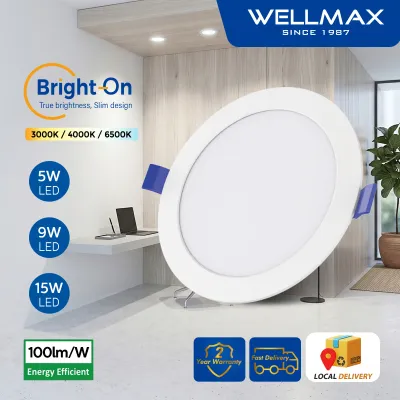
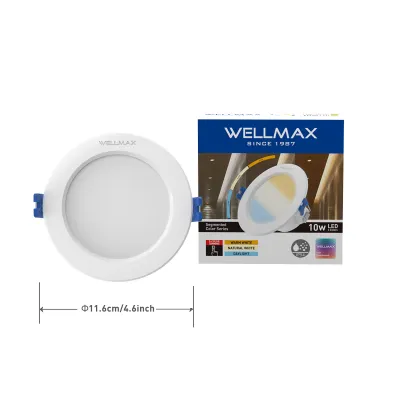
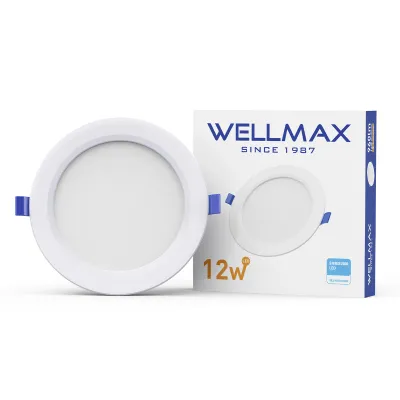
Prices are valid at publication and may change. Please refer to the product page for the latest price.
Standalone spot lights, on the other hand, are single, self-contained fixtures mounted directly to a junction box on the ceiling or wall. Unlike track systems, they do not require a continuous rail and are fixed in a permanent position. Standalone spot lights can be surface-mounted, presenting a clean, cylindrical or box-like aesthetic, or recessed into the ceiling for a flush, minimalist look. They are ideal for precise, permanent lighting designs where the target object or area remains constant.
The installation style of these fixtures depends heavily on your home’s ceiling structure. Surface-mounted track rails and standalone spot lights are highly practical for solid concrete slab ceilings, which are common in many Philippine residential buildings. Installing recessed tracks or flush spot lights in concrete requires extensive chiseling, making surface-mounted options a far more convenient and cost-effective choice. Conversely, if your home features a suspended gypsum or plasterboard ceiling, recessed options can be seamlessly integrated to create a clean, modern aesthetic.
The choice between track systems and standalone spot lights ultimately comes down to flexibility versus architectural precision. Track systems allow you to adjust the lighting layout over time without any rewiring; if you move your dining table or hang new artwork, you can simply slide and re-angle the track heads. Standalone spot lights are best for dedicated, permanent features, such as illuminating a structural column, highlighting a decorative niche in the entryway, or providing steady, focused light over a reading chair.
Key Selection Criteria for Home Lighting
Color temperature is a primary factor in establishing the mood and functionality of any indoor space. Warm white light, typically ranging from 2700K to 3000K, emits a soft, yellowish glow that mimics traditional incandescent bulbs, making it ideal for creating a cozy, relaxing atmosphere in bedrooms and living areas. Neutral white or cool white light, around 4000K, provides a balanced, natural illumination that is clean and clear, making it highly suitable for kitchens, home offices, and study areas. Cool daylight, ranging from 6000K to 6500K, offers a bright, crisp, bluish-white light that maximizes visibility and alertness, which is useful for highly functional workspaces or utility rooms. It is important to remember that perceived color temperature and its spatial effects are highly subjective, depending on personal aesthetic preferences and the specific activities planned for each room.

Beam angle determines how the light spreads from the fixture, directly influencing the visual drama and coverage in a room. A narrow beam angle, typically between 15 and 24 degrees, concentrates the light into a tight, intense cone, making it perfect for accent lighting. This narrow focus is ideal for drawing attention to specific details, such as a piece of sculpture, a framed painting, or a textured accent wall, without spilling light onto surrounding areas. A medium beam angle, between 36 and 45 degrees, offers a balanced spread that works well for general task lighting or illuminating larger furniture pieces. A wide beam angle, 60 degrees or more, disperses light broadly across a larger surface area, making it suitable for soft wall washing or providing general ambient illumination in smaller rooms.
When selecting wellmax lighting fixtures, understanding the relationship between wattage and lumen output is crucial for energy efficiency and proper illumination. Wattage measures the amount of electrical power a fixture consumes, while lumens measure the actual brightness emitted by the light source. Thanks to advanced LED technology, Wellmax fixtures deliver high lumen output while consuming minimal wattage, helping Philippine homeowners save on electricity costs. For standard residential ceilings ranging from 2.4 to 2.7 meters high, track heads or spot lights emitting 500 to 800 lumens (typically consuming 5W to 9W) are generally sufficient to provide clear visibility without causing uncomfortable glare. Rooms with higher ceilings, such as double-height living areas or loft apartments, will require fixtures with higher lumen outputs (1000 lumens or more, typically 12W to 15W) and narrower beam angles to project the light effectively down to the floor level.
The Color Rendering Index (CRI) is another critical specification that determines how accurately a light source reveals the true colors of objects, materials, and surfaces. Measured on a scale from 0 to 100, a higher CRI indicates better color accuracy. For residential spaces, selecting fixtures with a CRI of 80 or higher is highly recommended to ensure that your interior decor, wooden furniture, fabrics, and food look vibrant and natural. Low CRI lighting can make a beautifully designed room look dull, grey, or artificially tinted, which can negatively impact the overall aesthetic and comfort of your home.
Room-by-Room Application Guide
Living Rooms and Dining Areas
Living rooms and dining areas serve as the social hubs of the home, requiring a versatile lighting design that can transition from bright and lively to soft and intimate. Relying solely on a single, central ceiling fixture often creates flat, shadowless, and uninspiring lighting that washes out the room’s architectural features. By incorporating adjustable track lighting along the perimeter of the living room, you can direct light toward feature walls, bookcases, or family photo galleries, adding depth, texture, and visual warmth to the space.
In the dining area, positioning a track rail parallel to the dining table allows you to direct focused beams of light downward to highlight the table setting and food presentation. To ensure a comfortable dining experience, angle the track heads at approximately 30 degrees from the vertical; this prevents the light from shining directly into the eyes of seated family members or guests. Combining these adjustable accent lights with a central decorative pendant or subtle cove lighting creates a beautifully layered effect, allowing you to adjust the brightness to suit quiet family dinners, festive celebrations, or casual evening relaxation.
Kitchens and Workspaces
Kitchens and home workspaces are highly functional areas where safety, precision, and visual comfort are paramount. Standard central overhead lights often position the light source behind you when you stand at a countertop, sink, or desk, casting a shadow directly over your work area. To eliminate these shadows, spot lights or track rails should be strategically positioned directly above the front edges of countertops, kitchen islands, and desks, ensuring that the light falls directly onto your tasks.
For these active zones, selecting fixtures with higher lumen outputs (such as 7W to 12W LED heads) and neutral white (4000K) or cool daylight (6000K) color temperatures is highly recommended. This crisp, bright light improves contrast and visibility, reducing eye strain during detailed tasks like chopping vegetables, reading recipes, or working on a computer. Be sure to space the spot lights evenly along the work surfaces to prevent dark spots and maintain a consistent, shadow-free level of illumination across the entire countertop or desk area.
Hallways and Accent Walls
Hallways, corridors, and narrow entryways are often overlooked in home lighting design, yet they play a critical role in spatial perception and navigation. Using a technique known as wall washing—where spot lights are angled to cast a wide, even sheet of light down a flat wall—can make narrow, confined hallways feel significantly wider, brighter, and more open. The light reflecting off the walls bounces back into the center of the corridor, providing soft, glare-free ambient illumination that guides you safely through the home.
To achieve a smooth and continuous wash of light along a hallway or gallery wall, proper spacing is essential. A practical guideline is to position your track rail or spot lights approximately 1.5 to 2 feet away from the wall, with a spacing of 2 to 3 feet between each individual light head. This layout ensures that the cones of light overlap smoothly on the wall surface, preventing harsh, distracting scallops of light and shadow, and creating a clean, professional-looking gallery effect.
Technical Specifications and Installation Safety
The standard household electrical grid in the Philippines operates at 220V to 240V with a frequency of 60Hz. When purchasing wellmax lighting fixtures, it is essential to verify these electrical specifications on the product packaging or driver label. Using fixtures designed exclusively for 50Hz electrical grids can cause the internal LED drivers to run hot, flicker, or fail prematurely when connected to a 60Hz supply. Always confirm that the voltage and frequency ratings of your chosen fixtures match your local electrical supply to ensure long-term reliability, safety, and optimal performance.
If you decide to install a track lighting system, verifying track compatibility is absolutely critical. Track systems are categorized by the number of internal copper wires (conductors) they contain, such as 2-wire (single-circuit) or 3-wire/4-wire (multi-circuit) configurations. A 2-wire track head will not fit or operate safely on a 3-wire rail unless it is specifically designed with an adaptable connector. Additionally, you must calculate the total electrical load on the track rail by summing the wattage of all connected heads; ensure this total remains well below the maximum rated capacity of the track rail and the corresponding circuit breaker to prevent overloading.
Although LED lights are highly efficient and produce significantly less heat than traditional halogen bulbs, their internal components, particularly the LED drivers, still generate localized heat. Proper heat dissipation is vital for maintaining the lifespan and performance of the LED chip. When installing recessed spot lights or track systems, ensure there is adequate clearance and airflow around the fixture housing. Never cover these fixtures with thermal insulation or place them in direct contact with highly combustible materials like wooden structural beams or plastic vapor barriers unless the fixture is explicitly rated for contact with insulation.
Working with electrical systems carries inherent risks of shock, fire, and structural damage, especially when dealing with fixed wiring, installations in damp areas, work at heights, or securing heavy suspended loads. Before beginning any installation, you must observe strict safety boundaries by isolating the power at the main circuit breaker. Always consult the manufacturer’s official installation instructions for specific mounting requirements and safety guidelines. We strongly recommend hiring a licensed, qualified professional electrician to handle the installation, ceiling reinforcement, and electrical connections to ensure full compliance with the Philippine Electrical Code and local safety regulations.
How to Verify Product Authenticity and Warranty
To ensure you receive genuine, high-quality products that meet safety standards, always purchase your fixtures from authorized physical distributors, official brand stores, or reputable online marketplaces. Avoid buying from unauthorized third-party sellers or grey-market platforms where counterfeit, substandard, or mismatched goods may be sold. Genuine products undergo rigorous quality control and safety testing, which is crucial for electrical components used in your home.
When your products arrive, carefully inspect the packaging before beginning the installation process. Genuine items feature high-quality printing, intact security seals, and clear, legible specification labels showing the brand name, model number, voltage, wattage, and luminous flux. Look for official certification marks, such as the Philippine Standard (PS) mark or the Import Commodity Clearance (ICC) sticker, which verify that the product has been tested and approved for safety in the Philippine market. An official installation manual and safety guide should always be included inside the box.
Legitimate manufacturers offer clear warranty terms to protect consumers against manufacturing defects and premature component failure. Typically, these warranties cover the LED driver and the LED chip for a specified period, often ranging from one to two years from the date of purchase. Keep your official receipt and warranty card in a safe place, as you will need them to claim after-sales support. Be aware that standard warranties do not cover damage resulting from improper installation, power surges, physical abuse, or using indoor-rated fixtures in outdoor or highly humid environments.
Frequently Asked Questions (FAQ)
Can I mix different wattages on the same Wellmax track?
Yes, you can generally mix different wattages of compatible track heads on the same track rail. For instance, you can place a 7W head for accent lighting and a 12W head for task lighting on a single continuous rail. However, you must ensure that all heads use the same connector type and are designed for the same voltage (220V/60Hz). The most critical safety constraint is that the cumulative wattage of all connected heads must not exceed the maximum electrical capacity of the track rail itself, which is typically rated for a specific maximum amperage. Keeping the total load well below the limit protects your home’s electrical circuit from overloading.
Are Wellmax spot lights suitable for bathroom use?
Standard indoor spot lights are generally rated IP20, meaning they lack protection against moisture and water ingress. Consequently, they are not suitable for direct exposure to water or high-humidity zones like shower stalls or directly above bathtubs. If you wish to use spot lights in a bathroom, they must be kept strictly away from splash zones. For areas with high moisture levels, you should check the product’s Ingress Protection (IP) rating. Only fixtures rated IP44 (splash-proof) or higher should be installed in bathrooms, and they must be positioned according to the manufacturer’s safety guidelines. Always consult a qualified professional to ensure your bathroom lighting layout complies with local electrical safety standards.
Community discussion
Share your experience or ask a question. Comments are reviewed before publication.