
Selecting the right Yeelight ceiling spotlights to build a layered accent lighting scheme in your living room requires a careful balance of beam angles, color rendering capabilities, and smart control features. Rather than relying on a single, uniform light source that flattens the room, a layered approach uses targeted spotlights to create depth, highlight architectural features, and establish distinct zones. By verifying key physical and electrical specifications before purchasing, you can ensure your smart lighting setup is both visually comfortable and compatible with your home’s infrastructure.
Understanding Layered Accent Lighting in the Living Room
Layered lighting is the practice of combining three distinct layers of light—ambient, task, and accent—to create a balanced and visually interesting space. Ambient lighting provides the overall illumination necessary for safety and basic visibility, while task lighting focuses on specific work areas like reading nooks or desks. Accent lighting, where ceiling spotlights play a primary role, is designed to draw the eye to specific focal points, such as artwork, textured walls, or architectural details, adding drama and a sense of depth to the room.
In many living rooms, a single central ceiling fixture casts a flat, uniform light that can make the space feel clinical and shadowless. Spotlights solve this by directing light precisely where it is needed, allowing other areas of the room to remain in soft, comfortable shadow. This contrast between light and shadow is what creates visual texture and makes a room feel cozy and inviting.
Products mentioned in this guide
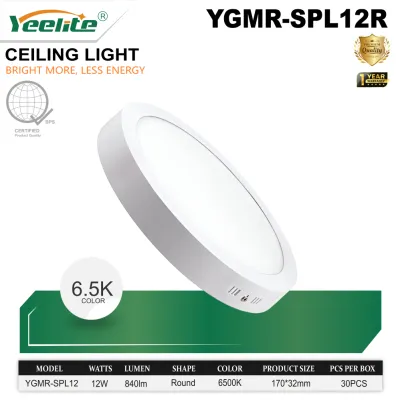
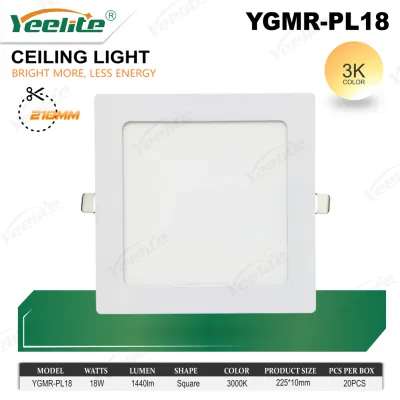
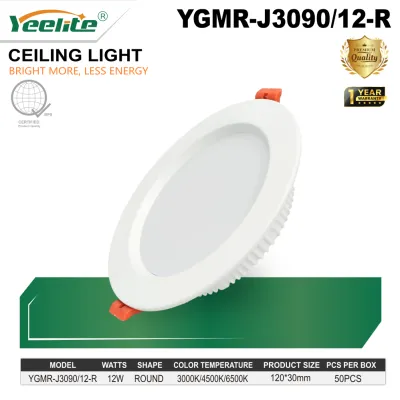
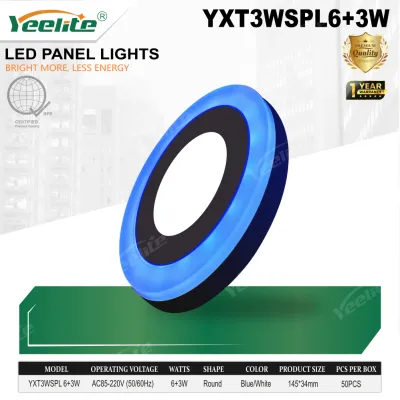

Prices are valid at publication and may change. Please refer to the product page for the latest price.
To determine if your living room needs accent lighting, look for visual cues such as dark, uninviting corners, flat-looking walls, or decorative items that blend into the background. In tropical environments like the Philippines, where living rooms often feature high ceilings or open-plan layouts to maximize airflow, strategic accent lighting can help define separate functional zones without the need for physical partitions.
Key Specifications to Check in Yeelight Spotlights
When evaluating Yeelight spotlights for accent lighting, the beam angle is one of the most critical specifications to verify. A narrow beam angle, typically between 15 and 24 degrees, concentrates light into a tight, intense cone, making it ideal for highlighting small objects or artwork. Conversely, a wider beam angle of 36 to 60 degrees spreads light over a larger area, which is perfect for washing walls or illuminating broader decorative features.

Color rendering is another essential factor to consider. Look for spotlights with a high Color Rendering Index (CRI or Ra) of 90 or above. A high CRI ensures that the colors of your furniture, paint, and decor appear vibrant and true to life under artificial light. Additionally, verify that the spotlights offer adjustable color temperature, allowing you to transition from a warm, relaxing 2700K in the evening to a crisp, energizing 4000K or higher during the day.
Visual comfort is paramount in a living room where people spend long periods sitting and relaxing. To prevent harsh glare, look for spotlights featuring an anti-glare design, such as deep-recessed bezels. These designs position the light source deeper within the fixture housing, keeping the bulb out of your direct line of sight when looking across the room and reducing eye strain.
Finally, check the dimming capabilities and smart protocols of the fixtures. Smart spotlights utilize digital dimming, which allows you to adjust brightness smoothly via an app or voice commands without the flickering often associated with traditional analog wall dimmers. Ensure the dimming method is compatible with your existing smart home setup and does not require specialized wiring that your home may lack.
Designing Your Living Room Lighting Zones
To design an effective lighting scheme, start by dividing your living room into functional and visual zones. Identify the areas where you read, watch television, display decor, or entertain guests. Each of these zones requires a different lighting treatment to ensure the space remains functional and visually balanced.
Once you have mapped out your zones, determine the appropriate fixture spacing and aiming angles. Spotlights should be positioned to direct light away from seating areas to avoid casting harsh shadows on faces or creating direct glare. Proper planning ensures that each spotlight serves a specific purpose, contributing to the overall layered effect without cluttering the ceiling with unnecessary fixtures.
Highlighting Artwork and Architectural Features
To draw attention to a painting, sculpture, or unique architectural feature, position your spotlights at an angle of approximately 30 degrees from the vertical plane. This angle is widely considered the standard for gallery lighting because it minimizes distracting reflections off glass frames and prevents the fixture from casting long, harsh shadows downward.
Before installing the fixtures, check the beam spread at your specific ceiling height to ensure the light fully covers the target object without spilling onto the surrounding blank wall. If the beam is too wide, the accent effect will be lost; if it is too narrow, it may only illuminate a small portion of the artwork. Adjusting the distance between the fixture and the wall allows you to fine-tune the size of the light pool.
Creating Ambient Wall Washes
Wall washing is an excellent technique for making a living room feel larger and more open. By directing wide-beam spotlights at a textured wall, curtains, or bookshelves, you create a soft, indirect background glow that bounces light back into the room, reducing the reliance on harsh overhead ambient lights.
To achieve a smooth, even wash of light without distinct hot spots, space your fixtures evenly along the ceiling. A general guideline is to position the spotlights about 50 to 80 centimeters away from the wall, with similar spacing between each fixture. This spacing allows the edges of the light beams to overlap gently, preventing harsh “scalloping” effects and creating a seamless, elegant glow across the entire vertical surface.
Installation and Smart Home Integration Checks
Before purchasing recessed Yeelight spotlights, it is crucial to verify your ceiling’s physical dimensions. Measure the available ceiling depth and the required cut-out size to ensure the fixtures will fit securely. In the humid, tropical climate of the Philippines, heat dissipation is a critical factor for LED longevity; ensure there is adequate clearance around the fixture inside the ceiling cavity to allow heat to escape, especially if your ceiling is insulated.
Next, verify the electrical compatibility of the spotlights. Ensure the fixtures are rated for the standard 220V-240V voltage used in local residential grids. If you are installing track lighting or hardwired spotlights, check that your existing wiring can support the load and that the circuit is properly grounded to protect your smart devices from electrical surges.
Confirm the smart integration requirements by checking the official product specifications for connectivity protocols. Many Yeelight models use Bluetooth Mesh (BLE Mesh) technology, which offers excellent stability and synchronization for multi-light setups but requires a compatible smart hub or gateway to enable remote control and automation. Other models may connect directly to your home Wi-Fi network, which is convenient for smaller setups but can strain your router if you install a large number of fixtures.
For any installation involving fixed wiring, working at heights, or making structural modifications to your ceiling, always prioritize safety. Isolate the power at the main circuit breaker before touching any wires. If you are unfamiliar with electrical installations or if your project requires running new circuits, always consult a licensed electrician to ensure the work complies with local safety standards.
Frequently Asked Questions (FAQ)
Can I mix different beam angles in the same living room?
Yes, mixing different beam angles is highly recommended to achieve a successful layered lighting design. You can use narrow-beam spotlights to highlight specific decorative items or artwork, while using wider-beam fixtures to create soft wall washes or general ambient light. To maintain visual harmony throughout the space, ensure that all the spotlights you select share a consistent color temperature range and a high Color Rendering Index (CRI).
Do Yeelight spotlights require a separate smart hub?
Whether you need a separate smart hub depends entirely on the specific communication protocol of the spotlight model you choose. Some Yeelight spotlights feature built-in Wi-Fi and can connect directly to your home router without additional hardware. However, models that utilize Bluetooth Mesh (BLE Mesh) technology require a compatible gateway or hub to enable smart features, voice control, and remote access outside the home. Always check the product packaging or official specifications to verify the connectivity requirements before purchasing.

Community discussion
Share your experience or ask a question. Comments are reviewed before publication.