
Creating a relaxing sanctuary in a compact condominium bedroom requires a careful balance of light, scale, and safety. To achieve the perfect ambient glow in a small condo bedroom, a wire length of 5 to 15 meters combined with a medium bulb density of 10 to 20 LEDs per meter (roughly 5 to 10 centimeters of spacing between bulbs) works best. This configuration provides a soft, continuous illumination that enhances the room’s cozy atmosphere without generating excessive heat or creating visual clutter. Selecting a high-quality copper or insulated silver wire allows you to drape, wrap, or frame your space with precision, transforming a tight layout into a warm, inviting retreat.
Assessing Your Space: How to Measure for Ambient Lighting
Before purchasing your lighting, you must evaluate the unique dimensions and architectural features of your compact bedroom. In a typical urban condo, wall space is at a premium, and over-decorating can quickly make a room feel cramped. Start by identifying one or two primary focal points—such as the wall behind your bed, a reading nook, or a floating vanity desk—rather than attempting to line every corner of the room. Mapping out these specific zones ensures the light highlights key design elements while keeping the overall aesthetic clean and intentional.
To determine the exact length of the christmas lights wire you need, use a flexible measuring tape to trace the precise path the wire will follow. Mimic the actual installation route by running the tape along the edges of your headboard, around window frames, or across shelving units. Avoid pulling the measuring tape completely taut; instead, let it hang with the same natural drape you expect from the finished installation.
Products mentioned in this guide
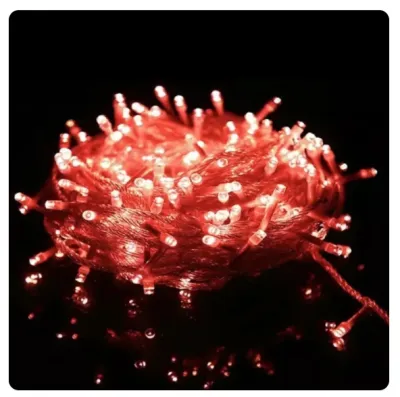
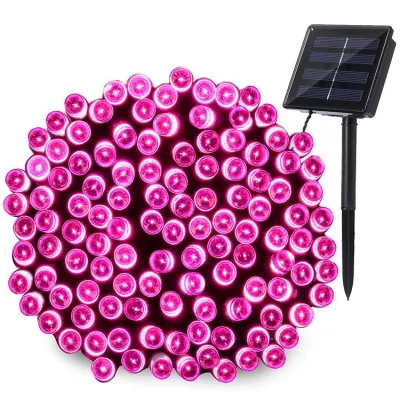
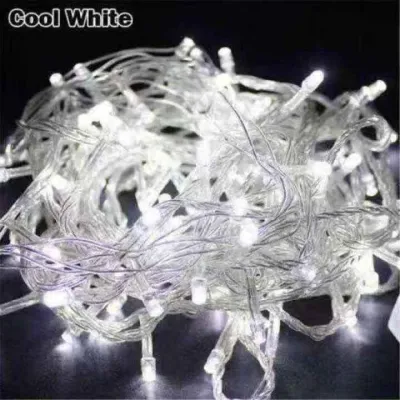
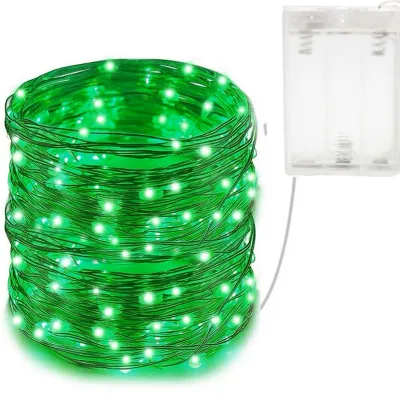
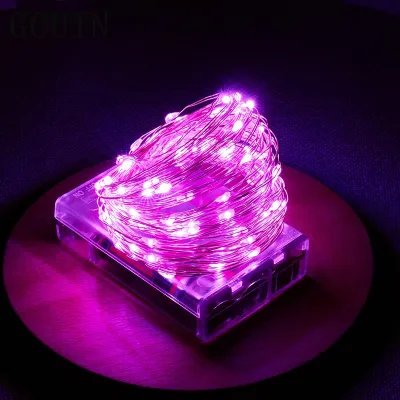
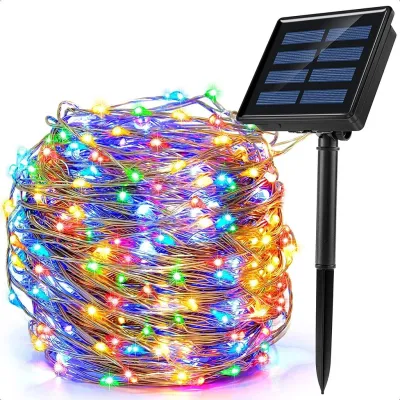
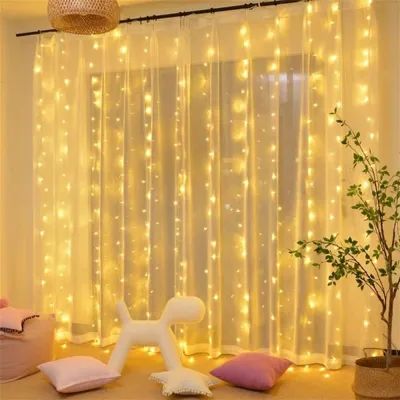
Prices are valid at publication and may change. Please refer to the product page for the latest price.
Once you have your base measurement, always apply a 10% to 20% slack allowance to your final calculation. This extra length accounts for wrapping around corners, creating elegant swoops, and routing the wire safely down to the nearest wall outlet. Having a bit of extra wire prevents the structural tension that can snap delicate copper strands or pull adhesive mounts off the wall.
Matching Wire Length to Your Bedroom Layout
Selecting the correct wire length depends heavily on where and how you plan to install the lights. Standardizing your measurements prevents the frustration of a half-lit feature wall or a tangled mess of excess wire.

Headboards and Floating Shelves
Framing a headboard is one of the most effective ways to establish a cozy focal point in a small bedroom. For a standard double or queen-size bed, a wire length of 5 to 8 meters is usually sufficient to trace the top and side perimeters with a gentle drape. If you prefer a woven look, weave the wire through the slats of a wooden headboard or wrap it loosely around a metal frame, ensuring the wire does not pinch at any point. When styling floating shelves, calculate the length by adding the horizontal span of each shelf plus the vertical distance between them. Always ensure there is enough concealed wire at the end of the run to route down to a hidden power outlet without placing tension on the connection points.
Window Frames and Curtain Drapes
Windows offer an excellent vertical canvas that draws the eye upward, making a low condo ceiling feel higher. To frame a window, calculate the required length by adding the horizontal width of the frame to twice its vertical height. For example, a standard 1.2-meter by 1.5-meter bedroom window will require at least 4.2 meters of wire, plus your slack allowance. If you want to create a “waterfall” or curtain drape effect behind sheer fabrics, you will need a specialized curtain light harness or multiple vertical drops. Estimate this by multiplying the height of your curtain rod by the number of vertical strands you desire, usually spaced 10 to 15 centimeters apart, allowing the bottom of each strand to pool slightly above the floor.
Ceiling Edges and Bed Canopies
Running lights along the ceiling perimeter or within crown molding creates a soft, indirect glow that bounces off the ceiling, making the room feel more spacious. Measure the full perimeter of the room using your flexible tape, and look for a wire length that matches this distance in a single, continuous run to avoid multiple power plugs. For a dreamy bed canopy, you will need to measure the distance from a central ceiling hook down to each corner of your bed frame. A length of 10 to 15 meters is typically required for a four-post canopy drape. Be cautious to avoid excessive wire pooling on the mattress or bedding, which can present safety hazards and disrupt your sleep space.
Choosing Bulb Density for a Cozy, Uncluttered Glow
Bulb density—the physical spacing between each LED on the wire—directly dictates the visual weight and intensity of your ambient lighting. In a compact bedroom, the goal is to create a soft, diffused layer of light rather than a bright, distracting glare. High-density wires, which feature bulbs spaced 2 to 5 centimeters apart, deliver a highly concentrated, continuous line of light. While this looks vibrant in outdoor holiday displays, it can easily overwhelm a small indoor room, causing eye strain and making the space feel hot or visually busy.
Conversely, ultra-low-density wires with bulbs spaced 20 centimeters or more apart can look sparse, uneven, and cheap when viewed up close. For a balanced, sophisticated bedroom ambiance, aim for a medium-to-high density where bulbs are spaced roughly 7 to 10 centimeters apart (yielding about 10 to 14 LEDs per meter). This spacing creates a beautifully cohesive glow where individual light points blend together naturally without creating harsh hot spots.
To complement this density, select a warm white color temperature between 2700K and 3000K. Warm light mimics the soft glow of candlelight, promoting relaxation and preparing your body for sleep. Avoid cool white tones above 4000K, which emit a high amount of blue light; these can make your bedroom feel clinical, cold, and disruptive to your natural sleep cycle. Additionally, prioritize lights with built-in dimming capabilities, allowing you to adjust the brightness levels to match your mood and the time of night.
Power Sources and Safety in Compact, Humid Climates
In the Philippines, the tropical climate and high indoor humidity levels introduce specific safety considerations for decorative lighting. When selecting your power source, compare USB-powered, battery-operated, and traditional plug-in options. USB-powered lights are highly versatile for tight condo layouts, as they can run off a standard phone charger block or a portable power bank, reducing the need to crowd your wall outlets. Battery-operated packs offer maximum placement flexibility without visible cords, but high humidity can cause battery terminals to oxidize over time if left unused. Traditional plug-in models are ideal for longer, permanent installations but require a nearby outlet to avoid stretching cords across high-traffic walkways.
Regardless of the power source, electrical safety must remain your top priority. Always verify that your power adapters and transformers are compatible with the local 220V electrical grid. Look for safety certifications such as the Philippine Standard (PS) mark or the Import Commodity Clearance (ICC) sticker on the packaging to ensure the product has undergone rigorous safety testing. Low-voltage copper wire systems (typically 5V to 31V) are inherently safer for indoor use as they remain cool to the touch, but they still require careful handling.
For fixed wiring or installations near damp areas—such as a bedroom wall adjacent to an en-suite bathroom—always isolate the power source before mounting or adjusting the lights. If you are installing lights at a height or suspending heavy decorative loads from the ceiling, ensure all mounting hardware is securely anchored, and consult a qualified professional if you are unsure about the structural integrity of your setup. Keep all adapters, transformers, and battery packs well-ventilated; never cover them with pillows, blankets, or bedsheets, as heat buildup can lead to component failure or fire hazards. Additionally, protect battery compartments and plug connections from direct condensation caused by air conditioning units.
Common Sizing and Placement Mistakes to Avoid
To ensure a flawless and safe installation, avoid these common pitfalls during the planning and mounting phases:
- Buying a wire that is too short: This often leads to the dangerous practice of daisy-chaining multiple extension cords across your bedroom floor, creating both an electrical hazard and a serious tripping risk in a tight condo layout.
- Bunching excess wire: If you purchase a wire that is far too long, do not bunch or bundle the excess length into a tight coil behind your headboard or under your bed. Concentrating multiple active LEDs in a confined space traps heat, creating a localized fire hazard.
- Ignoring outlet placement: Always locate your nearest power outlet before you begin mounting. Starting your installation only to realize the cord cannot reach the plug without pulling the wire taut can damage the internal copper conductors.
- Using damaging adhesives: Standard foam mounting tapes or hot glue guns can easily rip the paint off condo drywall, leading to costly repair bills when you move out. Instead, use reusable, damage-free mounting alternatives such as micro-suction tape, specialized silicone light clips, or renter-friendly adhesive hooks designed specifically for wire fairy lights.
Frequently Asked Questions (FAQ)
Can I cut or shorten copper wire fairy lights?
No, you should never cut or physically shorten standard copper wire fairy lights. Cutting the wire severs the electrical circuit, which will render the entire strand inoperable and expose live copper ends, creating an immediate shock or short-circuit hazard. If your lights are too long, choose a shorter product length during purchase, or wrap the excess wire safely around a decorative element. Alternatively, use a compatible inline dimmer switch to lower the overall light output if the excess length makes the room feel too bright.
How do I hide the battery pack or USB cord in a small room?
Maintaining a clean, minimalist look in a compact condo bedroom requires clever cable management. You can easily conceal bulky battery packs or USB connections by tucking them into a decorative woven basket placed on a bedside table, or by mounting them to the back of your headboard using temporary adhesive strips. For vertical window installations, tuck the power cords neatly behind the fold of thick curtain hems. If you must run a wire down a visible wall, use a paintable, self-adhesive cable raceway matched to your wall color to blend the cords seamlessly into the background.
Community discussion
Share your experience or ask a question. Comments are reviewed before publication.