
Music-enabled Christmas lights bring a dynamic, festive energy to holiday decorations, transforming static displays into synchronized sensory experiences. In the Philippines, where holiday celebrations are lively, long-lasting, and often extend outdoors to verandas and gardens, choosing the right type of musical lighting is essential. These lights generally fall into three categories: built-in speaker systems, sound-reactive setups, and Bluetooth or app-controlled sync systems. Finding the right fit depends on your desired audio quality, where you plan to install them, and how much control you want over the playlist.
Understanding the Main Types of Music-Enabled Christmas Lights
To select the ideal setup, you must first understand how different music-enabled lights operate. Some systems generate their own sound, others listen to the surrounding environment, and advanced models sync directly with digital playlists. Each technology offers distinct advantages and trade-offs regarding audio quality, installation complexity, and user control. It is important to note that product category names do not guarantee high audio fidelity; you must verify specific manufacturer specifications to ensure the sound meets your expectations.
Built-in Speaker Christmas Lights
Built-in speaker Christmas lights are self-contained systems that generate audio directly from an integrated module. This speaker module is typically built into the main power plug, the control box, or a dedicated housing along the strand. Because the audio system is integrated, these lights are highly convenient and require no external devices or complex pairing processes to play music.
Products mentioned in this guide
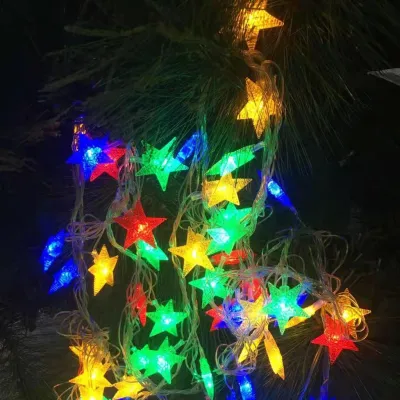
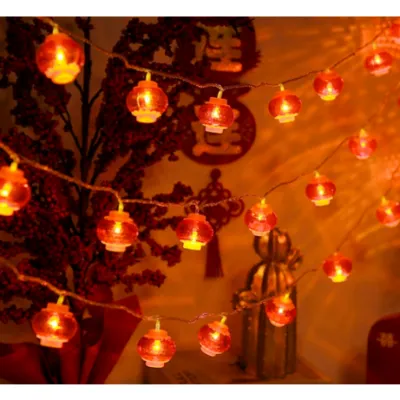
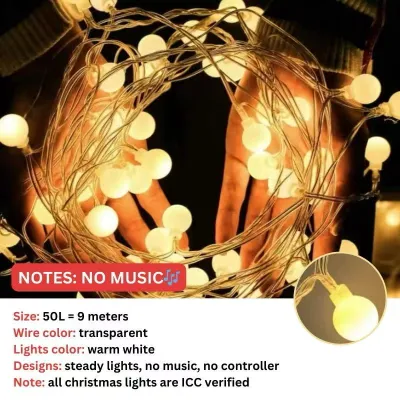
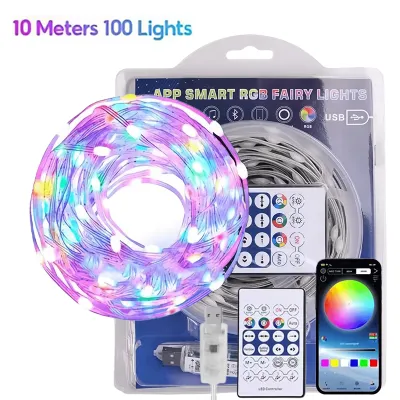
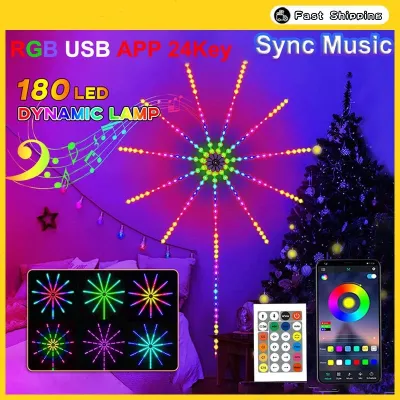
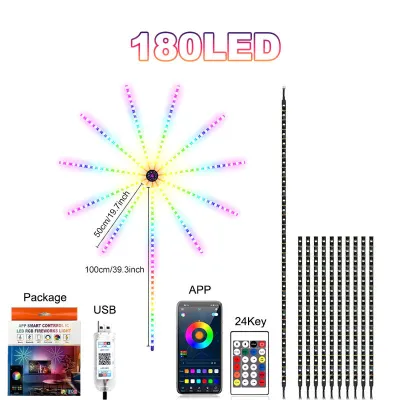
Prices are valid at publication and may change. Please refer to the product page for the latest price.
However, these systems have notable limitations. They usually feature a fixed, pre-loaded library of classic holiday instrumental tracks, meaning you cannot play your own custom music or modern playlists. The audio quality is often basic, suitable for close-range background ambiance rather than filling a large outdoor space. Before purchasing, check the physical controller to ensure it includes a manual volume adjustment dial and a track-switching button, allowing you to mute or skip songs when needed.
Sound-Reactive and Rhythm-Sync Lights
Sound-reactive and rhythm-sync lights do not play music themselves; instead, they flash, fade, or change colors in response to ambient sounds. These systems feature a small, built-in microphone, usually located inside the main controller box, which detects the beats, tempo, and volume of the surrounding environment.
Because they rely on ambient sound, these lights require an external audio source, such as a separate home stereo, a portable Bluetooth speaker, or even a live musical instrument. This setup gives you complete freedom over your playlist, but it requires careful placement. You must check the controller’s sensitivity adjustments; without proper calibration, background conversations, passing traffic, or strong wind noise can cause erratic, chaotic flashing that disrupts the visual rhythm.
Bluetooth and App-Controlled Sync Lights
Bluetooth and app-controlled sync lights represent the smart tier of holiday decorating. These systems connect directly to a smartphone, tablet, or home automation hub via a dedicated mobile application. The app processes the audio signal from your device and transmits synchronized lighting commands to the LED controller in real time.
This technology allows for highly customized displays, enabling you to use personal streaming playlists, design custom color-to-beat mapping, and control complex lighting routines. The trade-off is a higher reliance on stable wireless connections. You must ensure your mobile device remains within the specified Bluetooth range to prevent lag or disconnection, and verify that the companion app is compatible with your phone’s operating system, especially if you are using an older device.
Key Factors to Consider Before Buying
When shopping for christmas lights with music sound, several physical and technical specifications require careful evaluation to ensure they perform reliably in your specific environment.

First, consider the power source. Battery-operated models offer excellent flexibility for small, isolated displays like table centerpieces or mantel garlands where wall outlets are unavailable. However, driving an active speaker or a continuous wireless receiver drains batteries rapidly. For large displays or all-night holiday gatherings, plug-in models are far more reliable, providing consistent power without the risk of dimming or sudden shutdowns.
Second, verify indoor versus outdoor suitability. In tropical climates, outdoor holiday displays must withstand high humidity, sudden evening downpours, and warm temperatures. Always check the product packaging or label for a certified Ingress Protection (IP) rating. Lights rated IP44 or higher are generally protected against splashing water, but you must confirm that the controller, power adapter, and speaker modules are specifically rated for outdoor use, as these components are often more vulnerable to moisture than the LED bulbs themselves.
Third, examine the available lighting modes. Some musical lights automatically force a flashing pattern whenever the music is playing, which can become overwhelming over time. Look for models that allow you to operate the lighting modes independently of the audio. This ensures you can enjoy a calm, static warm glow or a gentle twinkle during quiet hours while keeping the music feature turned off.
Finally, plan your cord length and speaker placement. Measure the distance from your power outlet to the display area, keeping in mind that the controller or speaker module needs to be positioned safely. It should be kept away from foot traffic to prevent tripping hazards, and elevated off the ground to protect it from pooling water during heavy tropical rains.
Matching the Light Type to Your Celebration Setup
The best musical light setup depends heavily on the scale of your holiday gathering and the physical layout of your home. Matching the technology to your specific environment ensures the audio and visual effects complement rather than overwhelm your celebration.
For indoor Christmas trees, dining areas, and mantel displays, built-in speaker lights or app-synced smart lights are highly effective. Because these spaces feature close-range viewing and controlled acoustics, you do not need massive volume to create a festive atmosphere. App-synced lights allow you to curate a gentle, personalized playlist that matches the mood of a family dinner, while keeping cable clutter to a minimum behind the tree or along the wall.
For outdoor yards, verandas, and rooflines, prioritize plug-in, weather-rated sound-reactive lights. Large outdoor spaces can quickly drain batteries, and Bluetooth signals can struggle to penetrate thick concrete walls or cover long distances across a garden. By placing a weather-resistant sound-reactive controller near your outdoor seating area, you can play music from a dedicated outdoor speaker. The lights will dance to the beat of the music without requiring a constant, high-bandwidth wireless connection to a mobile phone inside the house.
If you are hosting dynamic holiday parties and larger family gatherings, app-controlled sync lights offer the most engaging experience. You can link the lights to your main party playlist, allowing the visual patterns to shift dynamically as the music transitions from upbeat dance tracks to mellow background tunes. This creates an interactive atmosphere that keeps guests entertained.
For quiet background ambiance or late-night relaxation, look for systems that offer fine volume control or a dedicated silent mode. This allows you to enjoy the visual patterns of the lights at a very low volume, or disable the audio entirely, ensuring the display remains peaceful and does not disturb sleeping household members or neighbors.
Safety and Installation Checks for Musical Lights
Installing musical Christmas lights requires careful attention to electrical safety and environmental protection to prevent hazards.
Before installing your lights, verify the voltage compatibility, wattage limits, and electrical certification marks on the product label. Ensure your home’s outlets match the required voltage to prevent short circuits. Overloading a single outlet by daisy-chaining too many light strands can lead to overheating and electrical fires. Always follow the manufacturer’s guidelines regarding the maximum number of connected light strands allowed for your specific model.
Moisture protection is critical, especially for outdoor installations in humid or rainy conditions. Even if the LED light strand itself is rated for outdoor use, the controller box, power adapter, and speaker modules often require additional protection. Place these sensitive components inside a dedicated weatherproof electrical enclosure box, and ensure all connections are elevated off the ground to prevent contact with moisture or pooling water.
Noise considerations are also essential for maintaining good neighborly relations. Sound carries easily on quiet nights, so it is important to test the maximum volume of your musical lights during the day to find an acceptable level. Use automated plug-in timers to ensure the music feature turns off completely during local quiet hours, leaving only the silent visual display active overnight.
When setting up lights in damp outdoor areas or working at heights on ladders, always isolate the power source by unplugging the system before making adjustments. For complex roofline wiring, wrapping tall outdoor trees, or suspended loads, avoid taking unnecessary risks. Consult a qualified professional electrician to ensure the installation is secure, properly grounded, and compliant with local electrical safety standards.
Frequently Asked Questions (FAQ)
Can I use my own playlist with sound-reactive lights?
Yes, you can use any playlist with sound-reactive lights, but they do not connect directly to your music streaming app or device. Instead, these lights feature an integrated microphone that detects physical sound waves in the room. To use your own playlist, simply play the music through an external source, such as a home stereo system, a portable Bluetooth speaker, or a smart assistant. As long as the speaker is placed close enough for the light controller’s microphone to detect the beat, the lights will flash and change colors in sync with your music.
Do battery-operated musical Christmas lights last through the night?
Generally, battery-operated musical lights will not last through an entire night of continuous play if the audio feature is constantly active. Powering both the LED bulbs and an integrated speaker or wireless receiver drains standard batteries rapidly, often within a few hours. If you plan to run your holiday display overnight or for extended evening gatherings, it is highly recommended to use a plug-in power option. If you must use batteries, reserve the music feature for short periods during the peak of your celebration, and switch the lights to a silent, static mode for the rest of the night to conserve power.
Why do my Bluetooth sync lights keep disconnecting from the app?
Bluetooth sync lights typically disconnect due to signal interference, physical obstructions, or distance limitations. Standard Bluetooth connections have a limited range, which can be significantly reduced by thick concrete walls, metal window frames, or other wireless devices operating nearby. To maintain a stable connection, keep your controlling smartphone or tablet within a clear line of sight of the light controller, ideally within a few meters. Additionally, check your mobile device’s settings to ensure that battery-saver modes are not restricting the companion app’s background activity, and verify that you are using the latest version of the app.
Community discussion
Share your experience or ask a question. Comments are reviewed before publication.