
Choosing the right bedside light can transform your evening reading routine from an eye-straining chore into a relaxing wind-down ritual. The debate between a clip lamp light and a traditional bedside lamp often comes down to how you use your space, your preferred reading positions, and the physical layout of your bed. While one option offers pinpoint accuracy and space-saving convenience, the other provides classic stability and a broader, softer glow that enhances the room’s overall ambiance.
To make an informed decision, you must look beyond aesthetics and evaluate how each lamp type interacts with your headboard, nightstand, and electrical setup. A clip lamp light clamps directly onto surfaces like headboards or shelves, making it highly adaptable for tight spaces or shared bedrooms. A traditional bedside lamp sits firmly on a flat surface, offering a reliable light source that also serves as a key decorative element in your bedroom design. Understanding the practical trade-offs in adjustability, light spread, and cable management will help you select the fixture that best supports your nighttime reading habits.
Adjustability and Mounting Flexibility
The physical setup of your bed frame and your typical reading posture are the primary factors that dictate how much adjustability you need from a light source. If you tend to shift from sitting upright to reclining on your side, a highly flexible light source is essential to prevent shadows from falling across your pages.
Products mentioned in this guide
![[Ready Stock+COD] Portable Clip Desk Lamp Eyes Protection Clamp Clip Light Bendable USB Reading Lamp Desk Bedroom](https://img.lazcdn.com/g/p/fe3ecec97a78b930c65c5dda67f67fbd.png_400x400q80.png_.webp)
Prices are valid at publication and may change. Please refer to the product page for the latest price.
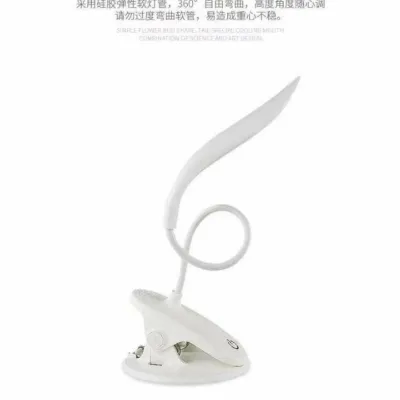
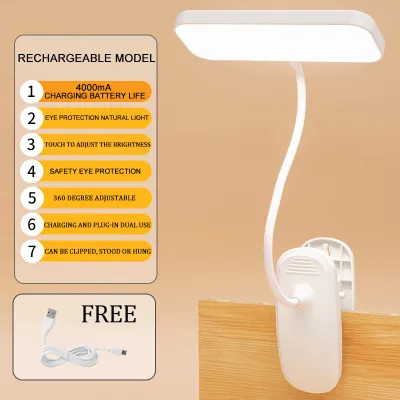
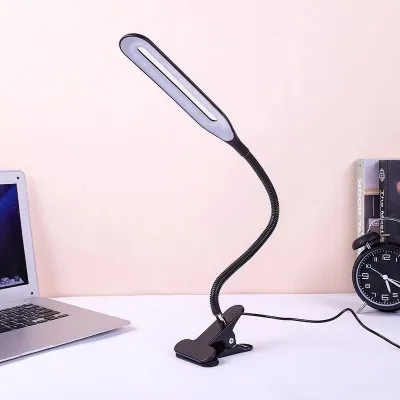
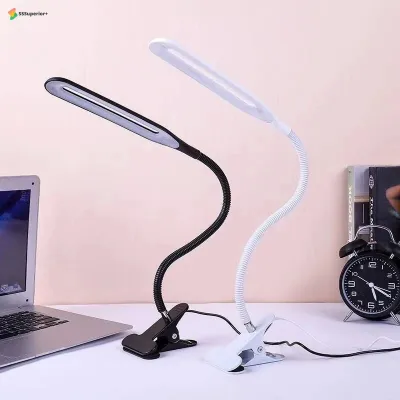
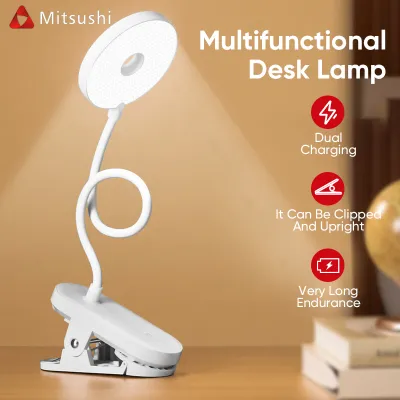
A clip lamp light excels in physical adaptability due to its mounting mechanism and flexible neck. Before purchasing, you must check the clamp’s maximum jaw width and grip padding against the thickness of your headboard, bed frame, or nearby wall shelf. Many clip lamps feature a flexible gooseneck or a multi-jointed tension arm, allowing you to bend, twist, and angle the light source precisely over your book or screen. This direct adjustability ensures that the light source remains close to your reading material, regardless of how low or high you sit in bed.
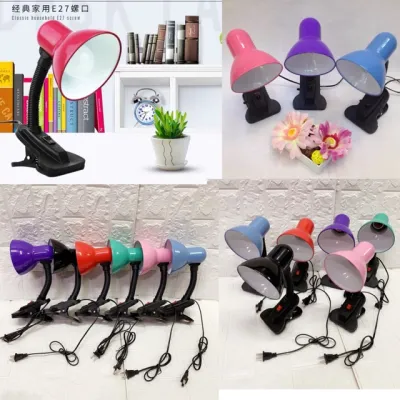
However, the security of a clip lamp depends entirely on the surface it grips. If your headboard is made of thick, solid wood or has a highly rounded profile, a standard spring clamp might struggle to hold its position, leading to slipping or tilting over time. It is also crucial to verify that the clamp features soft rubber or foam padding to protect delicate headboard materials, such as polished wood veneers or fragile fabric upholstery, from mechanical scratches and pressure marks.
In contrast, a traditional bedside lamp offers a classic, stationary lighting solution that relies on a heavy, stable base rather than a mechanical grip. These lamps are designed to sit on a flat, level surface, making them incredibly easy to set up without worrying about headboard compatibility. The weight of the base is a critical safety factor; a heavier base prevents the lamp from tipping over if you accidentally bump it while reaching for a glass of water or adjusting your pillows in the dark.
The trade-off with a traditional table lamp is its limited adjustability. Most traditional models feature a fixed stem height and a stationary shade, meaning the light casts downward and outward in a predetermined cone. If you need to redirect the light, you must physically slide the entire lamp across your nightstand or tilt your body to catch the beam. While some modern traditional lamps feature adjustable joints or swiveling shades, they rarely match the extreme, multi-directional reach of a flexible gooseneck clip lamp.
Light Coverage and Nighttime Comfort
The way light disperses across your bed affects not only your reading comfort but also the comfort of anyone sharing your sleeping space. Managing glare, beam angles, and shadows is key to creating a soothing environment that prepares your mind for sleep.

When evaluating a clip lamp light, review the manufacturer’s specifications for beam angle and shade depth. Many clip-on models utilize integrated LEDs with a narrow, focused beam, acting like a spotlight on your book. This highly directional light is incredibly useful if you share a bed, as it allows you to read clearly while keeping the rest of the room relatively dark, minimizing partner disturbance. However, because the light source is positioned close to your hands and book, it can create sharp, high-contrast shadows that some readers find distracting.
Traditional bedside lamps, on the other hand, typically use fabric, glass, or paper shades that diffuse light in a wide, ambient wash. This broader coverage illuminates not just your book, but also the surrounding bedside area, creating a softer and more balanced visual environment. This diffused glow reduces eye strain by minimizing the contrast between a bright page and a pitch-black room. The downside is that this wide spread of light will inevitably illuminate the entire side of the bed, which may disturb a sleeping partner.
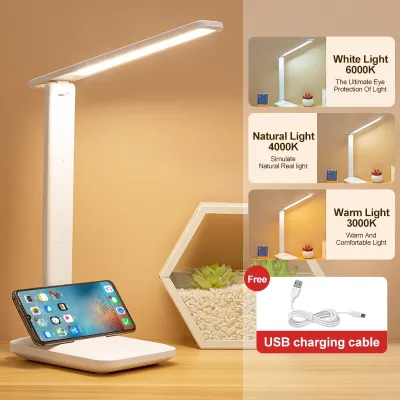
Regardless of the lamp type you choose, checking product labels for dimmable features and flicker-free claims is essential for nighttime comfort. Actual dimming performance and light quality depend heavily on the built-in LED modules or the specific bulbs you install. For lamps with replaceable bulbs, look for compatible dimmable LED bulbs with a warm color temperature, typically between 2700K and 3000K, to promote relaxation. In regions prone to minor voltage fluctuations, choosing certified flicker-free bulbs helps prevent subtle, high-frequency strobing that can cause headaches and eye fatigue during extended reading sessions.
Bedside Space and Cable Management
Bedside organization plays a significant role in how relaxing your bedroom feels. The physical footprint of your lighting choice directly impacts how you utilize your nightstand and manage the inevitable clutter of power cords.
Before choosing a traditional bedside lamp, measure your nightstand’s surface area to confirm it can comfortably accommodate the lamp’s base alongside your daily essentials. In compact bedrooms, a large lamp base can quickly monopolize a small table, leaving little to no room for a phone, a glass of water, eyeglasses, or your current reading list. If your bedside table is already crowded, a traditional lamp might make the space feel cluttered and increase the risk of knocking items over in the dark.
A clip lamp light completely eliminates this footprint issue by mounting directly to your headboard or a nearby shelf, freeing up 100% of your nightstand surface. This makes it an exceptional space-saving solution for smaller rooms or minimalist decors. However, this mounting style introduces unique cable management challenges. Because the lamp is attached to the bed frame or headboard, the power cord must drape down the back or side of the bed to reach the nearest outlet.
Managing this hanging cord is crucial for both safety and aesthetics. A loose, dangling cord can easily become tangled in pillows, caught on blankets, or pulled accidentally when you adjust your bedding. Using adhesive cable clips to secure the cord along the back of your headboard keeps the setup neat and prevents physical hazards. Traditional bedside lamps, by comparison, route their power cords directly down behind the nightstand, keeping them neatly hidden from view without requiring extra mounting accessories.
Physical accessibility to the power switch is another practical detail to consider. For many clip lamps, the switch is located inline on the power cord or positioned directly on the clamp mechanism, which may require you to reach awkwardly behind your head to turn the light off when you are ready to sleep. Traditional lamps usually feature switches on the base, the lamp socket, or on a cord resting directly on the tabletop, making them much easier to locate by feel in complete darkness.
Quick Comparison: Clip Lamp vs Traditional Bedside Lamp
To help you verify which lighting style aligns with your bedroom’s physical layout, use the following comparison matrix to evaluate your specific space constraints.
| Feature | Clip Lamp Light | Traditional Bedside Lamp | Verification Prompt |
|---|---|---|---|
| Space Requirement | Zero nightstand footprint; mounts to vertical or horizontal edges. | Requires a flat, stable surface on a bedside table. | Measure your nightstand surface area and assess current clutter. |
| Mounting Surface Needs | Requires a secure, compatible edge (headboard, shelf, or rail). | Requires a flat, level tabletop. | Check your headboard thickness, material, and profile. |
| Adjustability | High; flexible gooseneck or multi-jointed arm directs light precisely. | Low to moderate; fixed height with limited shade tilt. | Assess your preferred reading postures and movement in bed. |
| Light Spread | Narrow, focused beam targeting only the reading material. | Broad, ambient wash illuminating the bedside area. | Determine if you need to avoid disturbing a sleeping partner. |
| Cord Management | Cord drapes along headboard or wall; may require cable clips. | Cord drops directly behind the nightstand, mostly hidden. | Locate the nearest power outlet relative to your headboard. |
How to Choose the Right Reading Light for Your Bed
Selecting the ideal reading light requires balancing your personal reading habits with the physical realities of your bedroom furniture.
You should choose a clip lamp light if you have limited or no bedside table space, share a bed and need highly localized directional light to keep from waking your partner, or read in varied reclining positions that require constant light adjustment. This style is highly functional, utilitarian, and keeps your nightstand completely clear for other items.
Conversely, you should choose a traditional bedside lamp if you have a spacious nightstand, want a decorative anchor that complements your bedroom’s interior design, or prefer a broader, softer ambient glow for winding down in the evening. Traditional lamps are excellent for creating a cozy, symmetrical look when placed on matching nightstands on either side of the bed.
Before making a final decision, always verify if your headboard material can safely support a mechanical clamp. Fragile upholstery, thin plastic, or soft hollow-core wood can warp, dent, or tear under the pressure of a strong spring clamp. Conversely, slick metal rails or highly polished, rounded headboards might cause the clamp to slip and fall, potentially damaging the lamp or causing injury. If your headboard is unsuitable, a traditional table lamp remains the safer, more reliable option.
Frequently Asked Questions (FAQ)
Can I use a clip lamp light on a slanted or curved headboard?
Standard clamps generally require flat, parallel surfaces to maintain a secure, long-term grip. If your headboard is heavily curved, slanted, or features intricate decorative carvings, a standard spring or screw-tightened clamp may struggle to find purchase and could slip off over time. Before purchasing, check the clamp’s maximum jaw opening, the depth of the grip, and whether it features pivoting pads that can self-align to angled surfaces. If your headboard profile is too irregular, clipping the lamp to a nearby floating wall shelf or choosing a traditional table lamp is a much safer alternative.
Are traditional bedside lamps safer than clip-on alternatives?
Both lamp types are safe when used according to their design, but they rely on different stability mechanisms. Traditional lamps depend on base weight and a flat surface; they are safe from falling unless bumped, though they can be tipped over by pets, children, or accidental reaches in the dark. Clip lamps rely entirely on mechanical grip and the structural integrity of the mounting surface. If the clamp is too loose, or if the headboard material degrades, the lamp could fall. Always check for recognized electrical safety certifications on the product packaging, verify the maximum wattage limit for the socket, and avoid overloading bedside extension cords.
Community discussion
Share your experience or ask a question. Comments are reviewed before publication.