
Quick Answer: Which Night Reading Light Fits Your Setup?
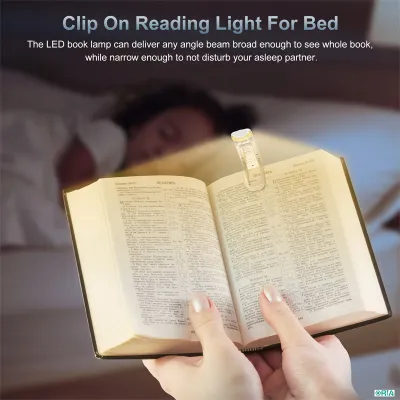
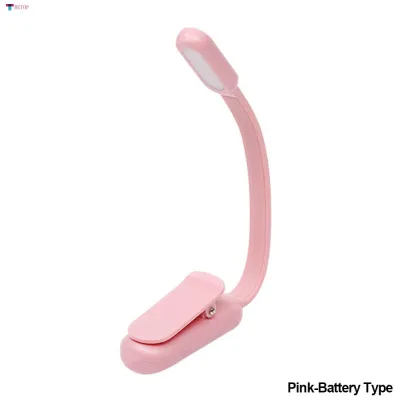
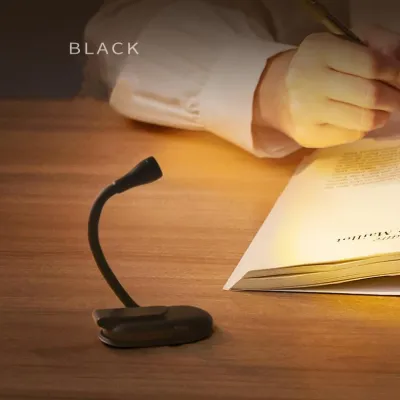
Choosing the ideal nighttime reading light is not about finding a single, universally superior fixture. Instead, the right choice depends on your specific sleeping environment, space constraints, and personal reading habits. For those who share a bed, live in compact spaces, or travel frequently, a dedicated reading light for book clip attachments is often the most practical solution. These compact devices clamp directly onto your reading material or headboard, casting a highly concentrated beam of light directly onto the page while leaving the rest of the room in darkness.
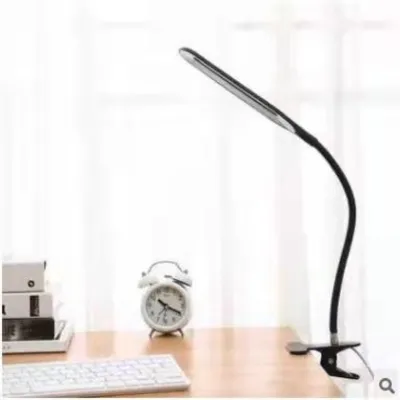
Conversely, a traditional bedside lamp is better suited for readers who have a dedicated nightstand and prefer a warm, ambient glow that illuminates the entire bedside area. Bedside lamps serve as permanent decorative anchors in a bedroom, offering a wider light spread that allows you to change reading positions freely without adjusting a physical clamp. If you prioritize room aesthetics and a gradual wind-down routine over targeted light isolation, a classic table lamp remains the ideal choice.
Clip-On Reading Light for Book Clip Setups vs. Bedside Lamps: Key Differences
To help you weigh your options, this comparison table highlights the primary functional and operational differences between these two common nighttime lighting solutions.
Products mentioned in this guide
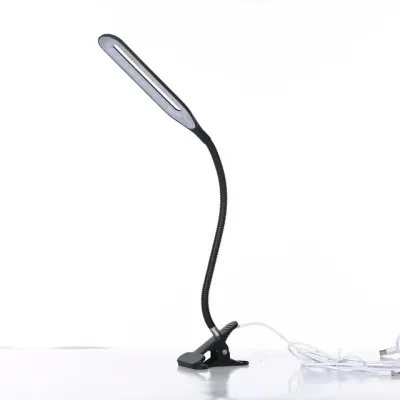
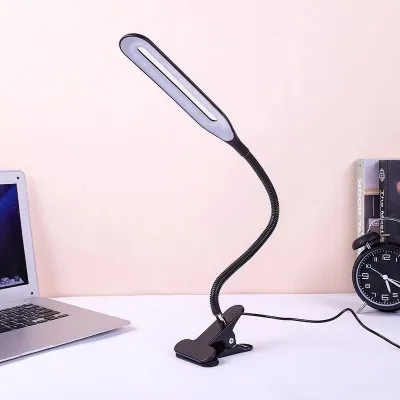
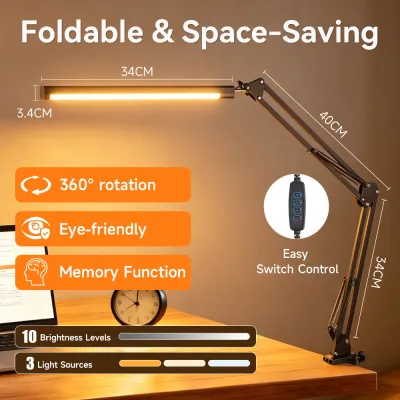
Prices are valid at publication and may change. Please refer to the product page for the latest price.

| Feature | Clip-On Book Light | Bedside Lamp |
|---|---|---|
| Light Spread | Narrow, focused task beam isolated to the page | Wide, ambient glow that illuminates the surrounding area |
| Space Required | Zero footprint; clamps directly to books or headboards | Requires flat, stable surface space on a nightstand |
| Partner Disturbance | Extremely low; minimal light spill beyond the book | Moderate to high; can easily wake a sleeping partner |
| Power Source | Rechargeable lithium-ion battery or AAA batteries | Direct AC mains power (typically 220V in the Philippines) |
| Portability | Highly portable; lightweight and travel-friendly | Stationary; designed to remain in a fixed location |
| Aesthetic Impact | Functional and minimalist; easily stored out of sight | Decorative; serves as a key element of bedroom decor |
| Price Range | Budget-friendly (typically ₱200 to ₱800) | Mid to high (typically ₱800 to ₱5,000+ depending on style) |
While a clip-on light excels at targeted utility, a bedside lamp offers a more permanent, multi-functional lighting solution for your bedroom. Understanding how these features translate to daily use will help you determine which option aligns with your nighttime routine.
Light Quality, Glare, and Eye Comfort
When reading in the dark, the contrast between the illuminated page and the surrounding darkness can easily cause eye strain. Clip-on book lights deliver concentrated task lighting, which creates sharp contrast on physical pages or e-ink screens. However, if the LED beads are completely exposed, they can produce harsh glare and hot spots on the paper. To prevent this, look for high-quality clip-on lights equipped with built-in frosted diffusers or optical lenses that distribute the light evenly across both pages. Flexible goosenecks are also essential, as they allow you to adjust the angle of the light beam to prevent direct glare from reflecting into your eyes.
Bedside lamps offer a much broader and softer illumination pattern, which reduces the harsh contrast between your book and the rest of the room. This wider distribution is generally gentler on the eyes, provided the lamp is positioned correctly. To avoid direct glare from a bedside lamp, the bottom of the lampshade should sit roughly at your eye level when you are sitting up in bed. Additionally, the choice of bulb is critical; a bulb that is too bright or has a cool color temperature can cause immediate eye fatigue and disrupt your sleep cycle.
Regardless of which style you choose, pay close attention to color temperature and brightness settings. For nighttime reading, warm white or amber light (ranging from 1800K to 3000K) is highly recommended. Warmer tones minimize exposure to blue light, which can trick your brain into thinking it is still daytime. Many modern clip-on lights feature adjustable color temperatures and stepless dimming, allowing you to transition from a soft amber glow for late-night reading to a brighter warm white for early evening use. For bedside lamps, choosing a dimmable LED bulb or a smart bulb with adjustable color temperature provides similar flexibility.
Space, Portability, and Bedroom Setup
The physical layout of your bedroom plays a massive role in deciding which light source is most practical. In many urban homes, such as compact studio condominiums in Metro Manila or shared boarding rooms, floor and table space are at a premium. A traditional bedside lamp requires a dedicated, flat nightstand surface. If your bedside table is already crowded with essentials like water, eyeglasses, and charging phones, adding a bulky lamp can make the area feel cluttered and disorganized.
In contrast, a clip-on light has a virtually non-existent physical footprint. Because it attaches directly to your book, headboard, or a nearby shelf, it eliminates the need for a bedside table altogether. This makes it an exceptional space-saving solution for minimalist bedrooms, bunk beds, or rooms where a nightstand simply will not fit. Furthermore, clip-on lights are incredibly lightweight and highly portable. They can easily be tossed into a travel bag for staycations, long flights, or camping trips, ensuring you always have a reliable reading light wherever you go.
Before purchasing a clip-on light, however, it is crucial to verify the compatibility of your bed frame or headboard. If you plan to clip the light directly to your headboard rather than your book, measure the thickness of the wood or frame first. Some heavy-duty spring clamps have limited opening widths, while others exert significant pressure that can scratch polished wood or dent delicate upholstered headboards. Look for models with rubberized or padded silicone grips, which protect surfaces from scratches and prevent the light from slipping out of place during use.
Light Spill and Impact on a Sleeping Partner
If you share a bed with a partner, light pollution is one of the most common sources of bedtime friction. A sleeping partner’s sensitivity to light can make reading in bed a challenge, especially if your reading habits keep you up late into the night. This is where the targeted nature of a clip-on light becomes its greatest advantage. Because these lights feature narrow beam angles, the illumination is tightly focused on your reading material, minimizing light spill across the bed. Your partner can sleep in comfortable darkness while you enjoy a fully illuminated page.
Bedside lamps, even when fitted with dense, opaque shades, cast a wide wash of light that reflects off walls and ceilings. This ambient light spill can easily illuminate the entire bedroom, making it difficult for a sensitive partner to fall or stay asleep. Exposure to this scattered light can also suppress melatonin production in both you and your partner, leading to poorer sleep quality overall. If you share a bed and prefer a bedside lamp, you will need to invest in a highly directional swing-arm wall lamp or a lamp with a deep, narrow shade that can be angled away from your partner’s side of the bed.
Your preferred reading posture should also influence your decision. If you tend to shift positions frequently—moving from sitting upright to lying on your side—a stationary bedside lamp may cast shadows on your book depending on how you turn. A clip-on light that attaches directly to your book moves with you, ensuring the pages remain perfectly illuminated regardless of your posture. This eliminates the need to constantly adjust your position or reach over to reposition a heavy lamp shade.
Power Sources, Cords, and Daily Maintenance
Understanding the power requirements and maintenance needs of each light type will help you avoid daily inconveniences. Most modern clip-on reading lights are powered by rechargeable lithium-ion batteries, typically utilizing a USB-C charging port. This cordless design offers complete freedom of movement, allowing you to read anywhere without worrying about finding an available electrical outlet. However, this convenience comes with the responsibility of keeping the device charged. If you read for several hours a day, you may find yourself recharging the unit every few days.
Additionally, in tropical climates with high relative humidity, such as the Philippines, rechargeable electronics require careful storage. If a battery-powered clip-on light is left unused in a humid drawer for months, the battery contacts can corrode, or the internal lithium battery may degrade. It is best to store these devices in a cool, dry place and charge them periodically to maintain battery health. If you prefer a completely low-maintenance option, some clip-on lights run on standard AAA batteries, though this can lead to higher long-term operating costs.
Bedside lamps, on the other hand, connect directly to your home’s electrical grid, providing an uninterrupted, unlimited power supply. You never have to worry about a battery dying in the middle of a gripping chapter. However, this means the lamp must be positioned near a wall outlet. In older homes or rooms with limited electrical outlets, this can lead to messy cord management or the unsafe practice of overloading extension cords.
When setting up a bedside lamp, always prioritize electrical safety. Ensure that all cords are routed safely behind furniture and away from walkways to prevent tripping hazards in the dark. If you are installing a fixed, wall-mounted bedside reading light, always isolate the power at your home’s main circuit breaker before beginning the installation, and consult a qualified professional if you are unfamiliar with electrical wiring. Additionally, always verify that the voltage rating of your lamp matches your local grid (220V, 60Hz in the Philippines) and check for official safety certifications, such as the Philippine Standard (PS) mark or Import Commodity Clearance (ICC) sticker, on any plug-in electrical devices.
How to Decide: The Final Verdict
To make your final decision, consider how your reading habits, physical space, and sleeping arrangements align with the strengths of each lighting type.
Choose a Clip-On Book Light if:
- You share a bed: You want to read late into the night without disturbing your partner's sleep with excess light spill.
- Space is limited: You live in a studio apartment, dorm room, or bedroom without space for a dedicated nightstand.
- You travel frequently: You need a lightweight, portable light source for flights, hotel stays, or road trips.
- You want focused task lighting: You prefer a highly targeted beam that maximizes page contrast and moves with you as you adjust your posture.
Choose a Bedside Lamp if:
- You sleep alone or have a spacious bed: Light spill is not a concern, and you enjoy a warm, ambient glow across your bedroom.
- You value bedroom aesthetics: You want a permanent decorative fixture that complements your interior design and anchors your bedside decor.
- You prefer low-maintenance power: You want unlimited runtime without the hassle of recharging batteries or managing USB cables.
- You use your bedside table for multiple activities: You need a general light source for winding down, meditating, or organizing your bedside essentials before sleep.
Verify first if:
- Your headboard is compatible: Ensure your bed frame can accommodate a clamp without sustaining cosmetic damage.
- Your electrical outlets are accessible: Confirm that you have a safe, dedicated wall outlet near your bed before purchasing a plug-in lamp.
- The product meets safety standards: Check for proper voltage compatibility (220V) and official safety certifications on all electrical components.
Frequently Asked Questions (FAQ)
Can I use a clip-on light on a thick or upholstered headboard?
Yes, but compatibility depends entirely on the specific model’s clamp capacity and design. Standard clip-on lights typically feature spring-loaded clamps that open between 1 to 2 inches, which may not be wide enough for thick wooden or heavily padded upholstered headboards. Before purchasing, check the manufacturer’s specifications for the maximum clamp opening width. If you have a delicate fabric or soft wood headboard, avoid strong metal clamps that lack padding, as they can leave permanent indentations. Instead, opt for a clamp with thick silicone or rubber pads, or choose a model designed to clip directly onto the pages of your book.
What color temperature is best for nighttime reading?
The ideal color temperature for nighttime reading is warm white or amber, typically ranging from 1800K to 3000K. This range minimizes exposure to blue light, which is known to suppress the body’s natural production of melatonin, the hormone responsible for regulating sleep cycles. A warm, yellow-toned light relaxes the eyes and signals to your brain that it is time to wind down, making it much easier to fall asleep once you close your book. Avoid cool daylight bulbs (5000K to 6500K) for bedtime reading, as their high blue light output can cause eye strain and disrupt your circadian rhythm.
Community discussion
Share your experience or ask a question. Comments are reviewed before publication.