
Quick Answer: Which Light Fits Your Night Routine?
Finding the ideal balance between focused productivity and winding down is essential for anyone who studies or reads late into the night. When choosing between a portable book light reading clip design and a traditional desk lamp, there is no single option that serves every scenario. The right choice depends heavily on your immediate physical environment, your daily habits, and whether you share your space with others.
If your primary goal is reading in bed, studying in a shared bedroom or boarding house without waking others, or staying productive during travel, a clip-on book light is the most practical choice. These compact devices attach directly to your book, headboard, or tablet, casting a highly focused beam of light exactly where you need it while keeping the rest of the room dark. Conversely, if you have a dedicated study desk, work with large textbooks and physical documents, or spend hours typing on a laptop, a traditional desk lamp is far superior. Desk lamps provide a wide, stable, and highly adjustable field of illumination that reduces eye strain during long-winded study sessions.
Core Differences: Portability, Power, and Coverage
To understand how these two lighting styles compare, it helps to examine their physical designs and functional limits. A clip-on book light is built for mobility and targeted illumination, whereas a desk lamp is engineered to serve as a semi-permanent fixture that provides uniform light across a wider workspace.
Products mentioned in this guide
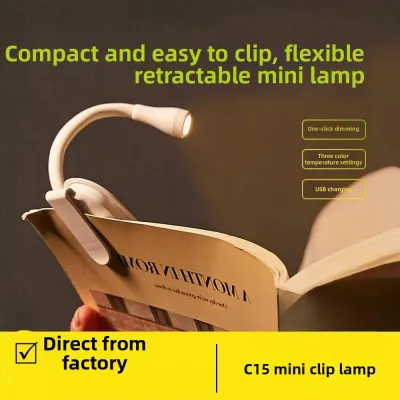
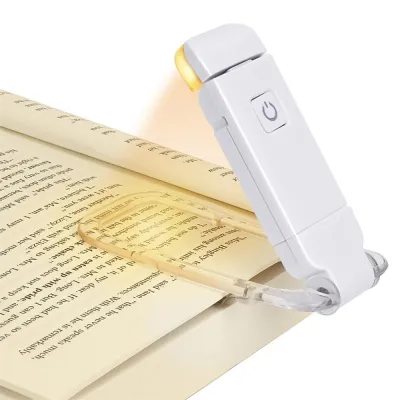
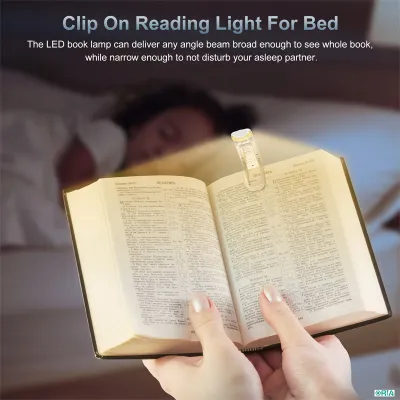
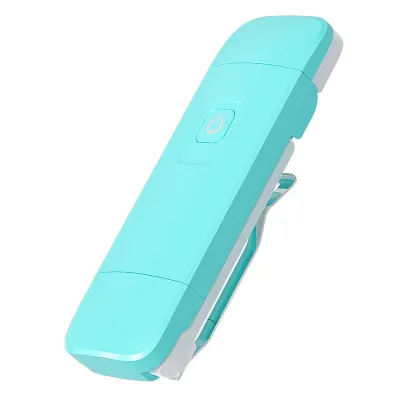
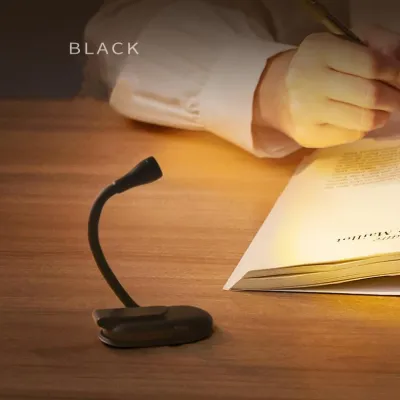
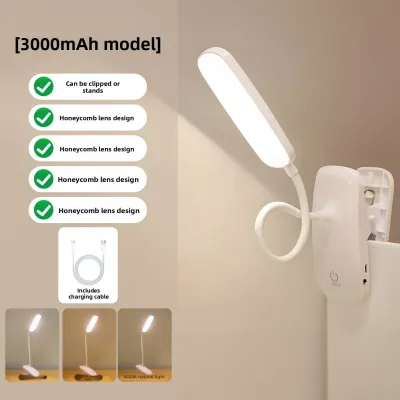
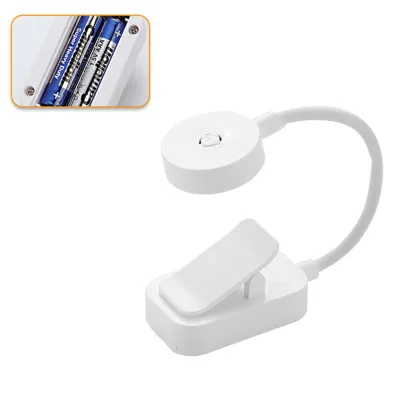
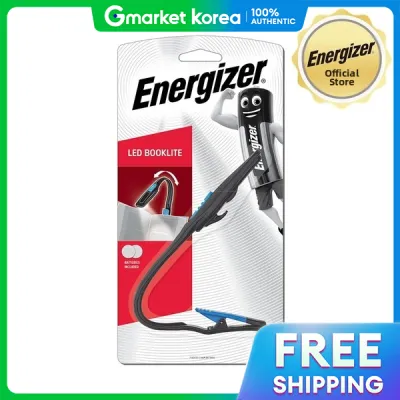
Prices are valid at publication and may change. Please refer to the product page for the latest price.

The table below outlines the core differences between these two lighting categories across several key decision-making dimensions:
| Dimension | Clip-On Book Light | Traditional Desk Lamp |
|---|---|---|
| Form Factor & Mounting | Compact body with an integrated spring clip or clamp. | Free-standing base, heavy clamp, or weighted pedestal. |
| Power Source | Rechargeable lithium-ion battery, AAA batteries, or USB. | Direct AC plug-in (wall outlet) or USB-powered. |
| Beam Angle & Coverage | Narrow, highly concentrated beam focusing on a single page. | Wide, diffuse spread covering an entire desk or work surface. |
| Desk Space Required | Zero footprint; clips onto books, shelves, or headboards. | Requires dedicated space on the desk surface or a sturdy edge. |
| Typical Brightness Range | Low to moderate; designed for close-up, localized viewing. | Moderate to high; adjustable levels for ambient and task work. |
Power sources dictate where you can place these lights and how long you can use them without interruption. Many clip-on book lights rely on built-in rechargeable batteries charged via a standard USB port. This design offers excellent flexibility, allowing you to read during power outages or in cozy corners far from an electrical outlet. However, their runtime is limited by battery capacity.
Traditional desk lamps usually require a direct connection to a wall outlet, which limits their placement to the length of their power cord. The benefit of this corded design is a continuous, uninterrupted power supply that supports much higher brightness levels and more advanced features, such as multiple color temperature settings and built-in charging ports for other devices. Clip-on book lights generally fall into a budget-friendly price bracket, often ranging from ₱150 to ₱600, making them highly accessible. Traditional desk lamps offer a broader range, from basic models around ₱400 to advanced smart lamps exceeding ₱2,500, depending on their build quality and features. When shopping, avoid focusing solely on generic terms like “super bright.” Instead, check the product packaging for specific lumen output and color rendering index (CRI) ratings to ensure the light quality meets your needs.
Clip-On Book Lights: Ideal for Bedtime and Tight Spaces
The clip-on book light is a highly specialized tool designed for personal, close-up tasks. Its primary appeal lies in its ability to deliver light directly to your reading material without spilling excess illumination into the surrounding room.
Best Scenarios
This lighting style is particularly well-suited for late-night reading in bed when you want to avoid disturbing a sleeping partner. It is also an excellent solution for students living in cramped dormitories or shared boarding houses where desk space is a luxury. Their lightweight, compact design makes them highly portable for night travel or hotel rooms with poor bedside lighting. They also serve as emergency lights during seasonal power outages, which are common in tropical regions. In humid tropical environments like the Philippines, choosing materials that resist rust or degradation is also a factor, and rechargeable lights are highly valued during seasonal power interruptions.
Key Selection Criteria
When shopping for a clip-on light, focus on three main physical features to ensure the device performs well in your space:
- Clip Compatibility: Do not assume every clip fits every surface. Measure the thickness of your headboard, desk edge, or shelf before buying. Check the manufacturer's specified maximum jaw width and grip strength. Look for clips lined with rubber or soft foam pads; these prevent the plastic teeth from scratching wooden headboards or slipping off smooth book covers.
- Neck Flexibility: A high-quality gooseneck or multi-axis hinge is essential. The neck must be rigid enough to hold its shape without drooping over time, yet flexible enough to let you adjust the light source to prevent direct glare on glossy pages or screens.
- Power & Runtime: For rechargeable models, verify the battery capacity (typically measured in milliampere-hours, or mAh) and the estimated runtime on different brightness settings. If you plan to use the light for hours at a time, check if the device supports pass-through charging, which allows you to use the light while it is plugged into a power bank or USB wall charger.
Limitations
While highly convenient, clip-on book lights have notable drawbacks. Their illumination footprint is small, meaning you will have to adjust the neck frequently as you turn pages or move from one side of a book to another. Because they are lightweight, models with small or weak clips can become top-heavy and unstable when attached to thin paperback books, causing the pages to sag or the light to wobble.
Desk Lamps: Ideal for Deep Focus and Long Study Sessions
Traditional desk lamps are the gold standard for dedicated study areas and home offices. They are designed to provide stable, high-quality light over a large area, making them indispensable for intensive academic or professional work.
Best Scenarios
A desk lamp is ideal for anyone sitting at a desk for extended periods. When studying from large textbooks, writing notes, or reference-checking multiple documents, its wide beam ensures your entire workspace is evenly lit. It also balances your monitor’s brightness, reducing high contrast that leads to digital eye strain. This makes it the preferred setup for remote workers and students who spend hours in front of screens.
Key Selection Criteria
To find a desk lamp that supports your productivity without causing discomfort, evaluate the following specifications:
- Adjustability & Reach: Look for lamps with multi-jointed arms and swivel heads. These features allow you to adjust both the height and the angle of the light source, positioning it above eye level to cast light down onto your work while keeping the direct bulb out of your line of sight.
- Base Stability: A desk lamp must have a heavy, well-balanced base to prevent tipping, especially if you extend the adjustable arm to its maximum reach. If you have a cluttered or small desk, consider a lamp with a heavy-duty C-clamp base that secures directly to the edge of your desk, freeing up valuable surface real estate.
- Illumination Quality: High-quality light is crucial for preventing eye fatigue. Look for products that feature flicker-free LED technology and a high Color Rendering Index (CRI of 80 or above). Adjustable color temperature settings—allowing you to switch between cool white light for active studying and warm yellow light for evening reading—provide excellent versatility.
Limitations
The primary drawback of a traditional desk lamp is its lack of portability. These fixtures are generally heavy, require a permanent spot on your desk, and must remain plugged into an electrical outlet. Additionally, because they produce a much wider and brighter beam, they will inevitably illuminate the entire room, making them less suitable for shared bedrooms where others are trying to sleep.
Decision Framework: Match the Light to Your Environment
Choosing between these options is about matching physical characteristics to your environment and habits. Use this decision framework to guide your purchase.
Choose a Clip-On Book Light if…
- Your primary reading spot is a bed, sofa, or armchair without a nearby side table.
- You share a room or bed and need to keep the surrounding area completely dark.
- Your study space is limited to a small, shared table or a compact desk with no room for a lamp base.
- You travel frequently or need a highly portable light source that works independently of wall outlets.
- You want a lightweight, secondary light source specifically for reading physical novels or paperbacks.
Choose a Desk Lamp if…
- You study or work at a dedicated desk for several hours at a time.
- Your tasks involve reading large textbooks, writing on paper, or drawing, which require broad, uniform light coverage.
- You use a laptop or desktop computer and need to balance the screen's brightness to reduce eye strain.
- You want advanced lighting features, such as step-less dimming, adjustable color temperatures, and built-in timers.
- You prefer a permanent, sturdy fixture that does not need to be clipped or unclipped every time you use it.
Neither may fit if…
- You work on very large drafting tables, architectural plans, or wide crafting surfaces. In these cases, a standard desk lamp may not have enough reach, and a clip-on book light will be far too small. Consider a heavy-duty swing-arm lamp with an extra-long reach, or an overhead linear task light.
- You primarily read on a desktop monitor and want to save desk space. A monitor light bar that sits directly on top of your screen is often a better alternative, as it projects light downward onto your keyboard and desk without casting glare on the screen.
Verify first if…
Before making a final purchase, take a few minutes to measure your physical setup. If you are buying a clip-on light, measure the thickness of your headboard, shelf, or desk edge to ensure the clip can open wide enough to grip it securely. If you are buying a desk lamp, measure your desk’s depth and locate the nearest wall outlet. Ensure the lamp’s power cord is long enough to reach the outlet safely without stretching across walkways, where it could become a tripping hazard. Additionally, clarify the boundary between a true book light reading clip and a portable, clip-on desk lamp; while both use clamps, a dedicated book light is small enough to clip onto a paper book, whereas a clip-on desk lamp is larger and designed to attach to furniture.
Eye Comfort and Safety Checks for Nighttime Use
Using any form of light late at night requires careful attention to eye health and physical safety, especially when using these fixtures in close proximity to your body or bedding.
Eye Comfort
To minimize eye strain, avoid reading in a pitch-black room with only a single point of light. The contrast between a bright page and dark surroundings forces your eyes to adjust constantly, leading to rapid fatigue. Pair your task light with soft, low-intensity ambient room lighting.
When reading late at night, pay close attention to the color temperature of your light source. Avoid cool blue or bright white light (typically above 5000 Kelvin) before bed, as these wavelengths can suppress melatonin production and disrupt your natural sleep cycle. Instead, choose a warm, amber, or soft yellow light (between 2700 and 3000 Kelvin) to help your mind wind down. Always verify the adjustable color temperature range on the product label before purchasing, as some basic models only offer a single, cool-white setting. While warmer color temperatures are often preferred for evening relaxation and cooler temperatures for active focus, these spatial effects and perceived color preferences remain highly subjective and depend on individual comfort rather than representing a universal performance standard.
Physical Safety Boundaries
- Heat & Materials: While modern LED lights run much cooler than old incandescent or halogen bulbs, they still generate heat at their base and diode arrays. Never clip any light fixture directly onto flammable materials, such as thin synthetic fabrics, bedsheets, or paper, for extended periods. Ensure the light head has adequate ventilation, and always follow the manufacturer's safety warnings regarding heat dissipation.
- Electrical Safety: When purchasing any desk lamp, always verify its operating voltage (typically 220V in the Philippines), base or interface type (such as E27 screw bases for replaceable bulbs), maximum wattage limit, physical dimensions, dimming method (touch or dial), and local electrical safety certification marks (such as the Philippine Standard or PS mark, or the Import Commodity Clearance/ICC sticker) to ensure the product has been tested for safety. Avoid overloading extension cords, and route all cables away from foot traffic to prevent accidental trips and falls.
- Tipping Hazards: A desk lamp with an adjustable arm should never be extended so far that it becomes unstable. Always test the lamp's stability at various angles. If the base lifts off the desk even slightly when the arm is extended, adjust the joints to keep the center of gravity directly over the weighted base, or secure the lamp using a dedicated desk clamp.
Frequently Asked Questions (FAQ)
Can I use a clip-on light on a thick headboard or mattress?
This depends entirely on the maximum jaw capacity of the clip or clamp. Standard book lights feature small clips opening between 1 to 1.5 inches (2.5 to 3.8 cm), suitable for book covers, thin shelves, or slim headboards. For thick, upholstered headboards or mattress edges, look for a heavy-duty clip-on lamp with a wider jaw capacity of up to 2.5 inches (6.3 cm). Always measure your furniture’s thickness and compare it to the manufacturer’s specifications before purchasing to ensure a secure grip.
Do desk lamps cause more screen glare than clip-on lights?
Glare is a result of improper light placement, not the lamp type itself. A desk lamp can reduce glare when placed to the side of your monitor with the head angled downward and away from the screen. Conversely, a clip-on light causes severe glare if clipped directly above a screen and pointed downward, reflecting light back into your eyes. To prevent glare, position any light source so its beam does not reflect off your screen’s glossy display.

Community discussion
Share your experience or ask a question. Comments are reviewed before publication.