
Choosing between a clip-on book light and a traditional desk lamp depends on where you study, how much desk space you have, and your typical reading habits. While a desk lamp provides a stable, wide pool of light ideal for long study sessions at a dedicated workstation, a clip-on book light offers unmatched portability for reading in bed, traveling, or working in tight spaces. In tropical climates where evening temperatures and humidity might lead you to move from a stuffy study room to a cooler spot near a window or fan, having the right portable or fixed light source can significantly impact your comfort and productivity.
Core Differences in Light Coverage and Portability
The physical design of your light source dictates how the light is distributed across your reading material. A clip-on book light typically features a highly focused, narrow beam designed to illuminate only a single page or a small, localized area. This concentrated beam is excellent for private reading because it minimizes light spill, allowing you to study late at night without disturbing others in a shared room or a compact boarding house. However, this narrow focus can create high contrast between the bright page and the dark surrounding room, which may lead to visual fatigue over extended periods.
In contrast, a traditional desk lamp provides a much broader and more adjustable spread of light. This wider illumination is essential when you are multitasking, such as referencing a textbook while writing in a notebook or typing on a laptop. The adjustable arms and swiveling heads of most desk lamps allow you to direct the light to eliminate shadows cast by your hands or writing utensils. This even distribution of light across a larger workspace helps maintain a balanced visual environment, reducing the constant pupillary adjustments that cause eye strain.
Products mentioned in this guide
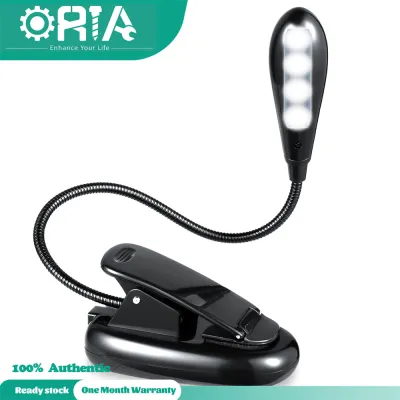
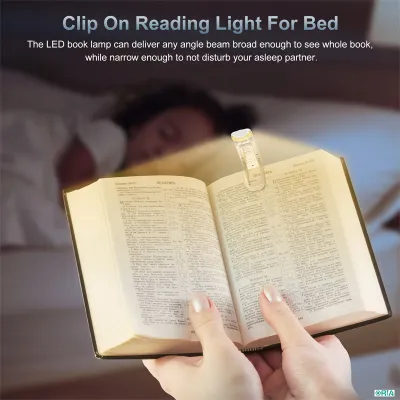
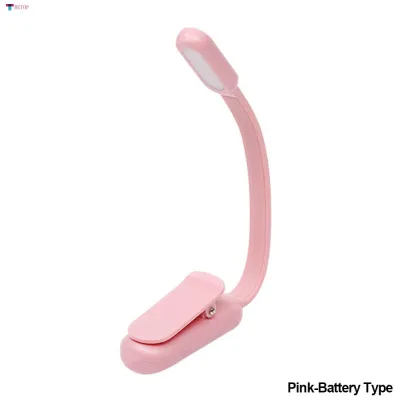
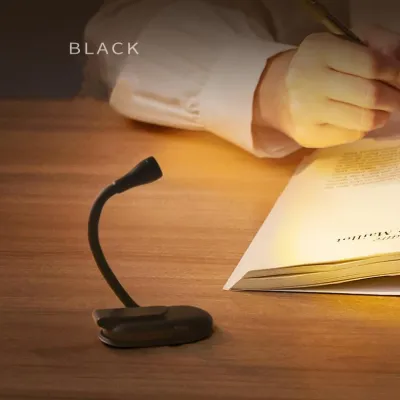
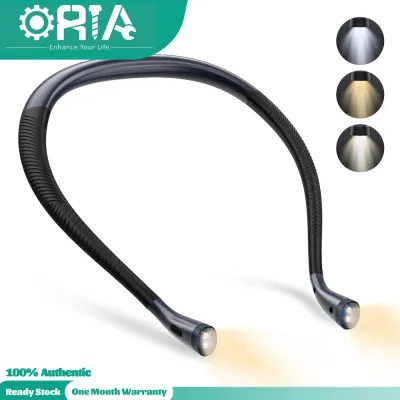
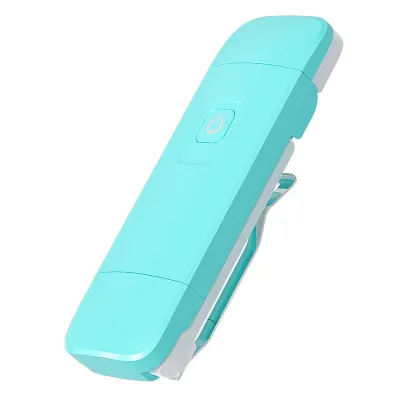
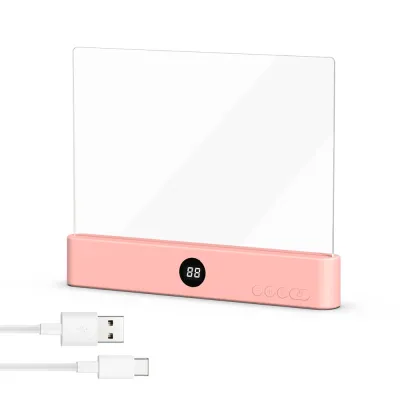
![[Ready stock] KIPRUN Wooden Folding Book Light5 Color USB Rechargeable Portable Book Shaped LED Light Warm Table Lamp For Decor Magnetic Design Perfect Gift For Birthdays Lovers EventsChristmas](https://img.lazcdn.com/g/p/f81039b569e0dfbf380c7e348ab263de.jpg_400x400q80.jpg_.webp)
Prices are valid at publication and may change. Please refer to the product page for the latest price.
Portability and mounting options further separate these two lighting types. Clip-on lights are designed for ultimate flexibility, featuring spring-loaded clamps that can attach directly to book covers, headboards, laptop screens, or nearby shelves. This eliminates the need for a flat surface, making them ideal for reading on a couch, in bed, or during commutes. Desk lamps, however, require a flat, stable surface to stand on. While they are less portable, their heavier bases ensure they remain secure even when you adjust the angle of the lamp arm during intensive study sessions.
It is also worth noting that clip-on lights can sometimes cast harsh, direct shadows if they are not positioned carefully. Because the light source is often close to the page, any slight tilt can create glare on glossy paper or screen surfaces. Desk lamps generally allow you to position the light source higher and further away from your working materials, which diffuses the light more naturally and minimizes harsh reflections.
Eye Comfort and Brightness Specifications
When evaluating lighting for reading and studying, eye comfort should be your primary concern. Many products on the market use vague marketing terms like “eye-care” or “vision-friendly” without providing technical details. To ensure a light actually supports comfortable reading, you must look past the marketing claims and verify the manufacturer’s technical specifications on the product packaging or manual.

Brightness and illumination levels are measured in lumens and lux. Lumens indicate the total amount of light emitted by the source, while lux measures the intensity of light falling on a specific surface at a given distance. For comfortable reading and detailed study work, look for a light that provides adjustable brightness levels. This allows you to dim the light when the room is completely dark or brighten it during the day to combat shadows from natural sunlight.
Color temperature, measured in Kelvin (K), is another critical specification to check. Lower color temperatures (around 2700K to 3000K) produce a warm, yellowish light that is relaxing and ideal for evening reading before sleep. Higher color temperatures (around 4000K to 6500K) produce a cool, bluish-white light that mimics daylight, which can help improve alertness and focus during intense daytime study sessions. Choosing a device with adjustable color modes allows you to switch between warm light for nighttime reading and cool light for daytime studying.
You should also verify the electrical specifications and certifications of any light you purchase. In the Philippines, electrical products should carry safety marks such as the Philippine Standard (PS) mark or the Import Commodity Clearance (ICC) sticker to ensure they meet local safety standards. Additionally, check the voltage compatibility; most household outlets in the country operate at 220V, so any plug-in desk lamp must be rated accordingly to prevent electrical hazards. For LED lights, look for explicit mentions of “flicker-free” technology on the label, as invisible high-frequency flickering is a common cause of headaches and eye strain during long study sessions.
Power Sources, Footprint, and Desk Setup
The way a light is powered and how it fits into your physical workspace are practical considerations that affect your daily routine. Clip-on book lights are predominantly battery-operated or rechargeable via USB. This cordless design offers incredible flexibility, allowing you to study anywhere without worrying about the location of electrical outlets. In areas prone to seasonal power interruptions or rolling brownouts, a fully charged USB book light can serve as a reliable backup light source, keeping your study schedule on track. However, rechargeable batteries degrade over time, and you must establish a regular charging routine to avoid having the light die in the middle of a study session.
Plug-in desk lamps, on the other hand, provide consistent, uninterrupted power. Because they draw electricity directly from a wall outlet, you never have to worry about dimming light levels or battery depletion during marathon study sessions. The trade-off is that they are tethered to a specific spot, and managing their power cords is essential to keep your desk organized and safe. Running cords across walkways can create tripping hazards, so proper cord routing and proximity to a wall outlet are necessary.
Desk footprint is another major differentiator. If you are working on a small, cluttered desk or a shared dining table, a traditional desk lamp with a heavy base can consume valuable surface area that you might otherwise use for books, notebooks, or a laptop. A clip-on light completely bypasses this issue by mounting to the edge of the desk, a shelf, or even a laptop screen, leaving your entire desk surface free for your study materials.
If you choose a desk lamp, consider models that offer integrated features to maximize your desk space. Some modern desk lamps include built-in USB charging ports or wireless charging pads in their bases, allowing you to charge your phone or tablet without needing extra wall adapters. This integration helps streamline your workspace and reduces cable clutter, creating a cleaner, more focused environment for studying.
Decision Framework: Which Light Fits Your Routine?
To finalize your decision, evaluate your daily reading and study habits against the specific features of each lighting type. Your physical environment, study duration, and mobility needs should guide your choice.
Choose a clip-on book light if:
- You frequently read in bed, on the couch, or while traveling, and need a highly portable light source.
- You share a bedroom or dorm room and want to study late at night without disturbing others with bright ambient light.
- Your study desk is very small, and you cannot afford to lose any surface area to a lamp base.
- You want a lightweight, rechargeable backup light that remains functional during power outages.
Choose a desk lamp if:
- You spend long, continuous hours studying at a dedicated desk and require consistent, uninterrupted power.
- Your work involves spreading out multiple textbooks, notebooks, and documents that require wide, even illumination.
- You need a highly adjustable light source that can be angled to eliminate shadows and glare on screens or glossy paper.
- You prefer a permanent fixture that can integrate additional features like built-in USB charging ports.
Verify first if:
- For clip-on lights, check the maximum opening width of the clamp to ensure it can securely grip your desk edge, headboard, or thickest textbooks.
- For desk lamps, verify that the power cord is long enough to reach your nearest outlet safely without stretching, and confirm that the plug type matches your wall sockets.
- For any light, check the manufacturer's label for safety certifications, voltage compatibility (220V), and the availability of adjustable brightness and color temperature settings to protect your eyes.
Frequently Asked Questions (FAQ)
Can I use a clip-on book light as my only desk lamp for studying?
While you can use a clip-on book light for studying, it is generally not recommended as your primary desk lamp for long sessions. The narrow, focused beam of a clip-on light creates a high-contrast environment where your book is brightly lit but the rest of your desk remains dark. This extreme contrast forces your eyes to adjust constantly when you look away from the page, which can lead to rapid eye strain and fatigue. If you must use a clip-on light as your main source, check the product label for its maximum light spread and brightness specifications, and try to keep some ambient room light on to balance the contrast.
Do I need a special bulb for a desk lamp to protect my eyes?
You do not need a highly specialized or expensive bulb, but you must select one that matches proper specifications. Always check your desk lamp’s manufacturer label for the maximum wattage limit and compatible base type (such as E27) to prevent overheating and electrical hazards. For eye comfort, choose an LED bulb that explicitly states it is flicker-free and offers a color temperature between 4000K and 5000K for active studying, or around 3000K for relaxed reading. Additionally, ensure your study room has adequate ambient lighting; using a desk lamp in a completely pitch-black room can cause glare and eye strain, regardless of how good your bulb is.
Community discussion
Share your experience or ask a question. Comments are reviewed before publication.