
Finding the right led lights for study table setups depends heavily on your physical workspace constraints, study habits, and existing furniture. If you are dealing with a compact desk where every square inch of surface area is precious, a clip-on LED light offers an excellent space-saving solution by clamping directly onto the desk edge or an adjacent shelf. For those with spacious desks who require maximum adjustability, a wider beam angle, and the freedom to reposition the light source at will, a classic freestanding LED lamp remains a highly versatile choice. Meanwhile, LED strip lights serve as an exceptional option for modern, streamlined setups, particularly when mounted under overhead shelves or behind monitors to provide soft, glare-free ambient or task-specific illumination.
Before making a purchase, you must evaluate the physical characteristics of your study table. For clip-on models, measure the thickness of your desk’s tabletop and inspect its edge profile; beveled, rounded, or extremely thick edges can prevent a clamp from securing properly. If you are leaning toward a freestanding lamp, assess the available footprint on your desk surface and locate the nearest power outlet to ensure the cord can reach safely without creating a tripping hazard. For strip lights, check if your workspace features overhead shelving, wall cabinets, or monitor mounts that can accommodate adhesive backing, and consider how you will route the cables to keep the workspace clean and organized. In tropical environments like the Philippines, high humidity can affect adhesive performance, making it crucial to plan your installation carefully.
Clip-On LED Lights: Maximizing Desk Real Estate
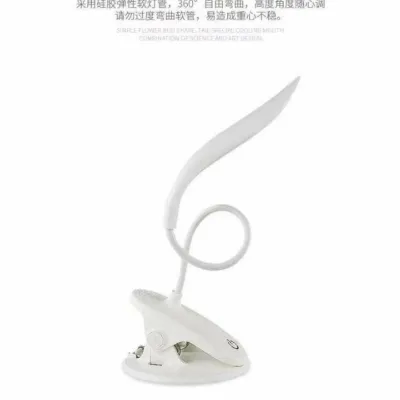
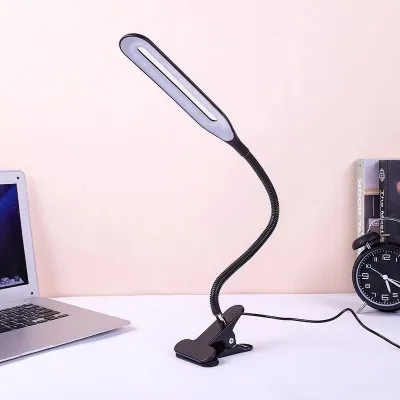
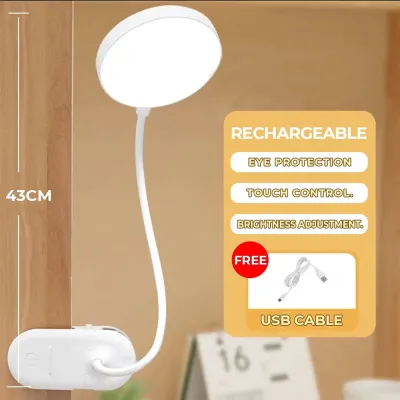
Clip-on LED lights are highly practical for students and professionals working with limited desk space, such as in shared bedrooms, compact study corners, or studio apartments. Because they clamp directly onto the edge of the table, a headboard, or an adjacent shelf, they completely free up the desk surface for books, notebooks, and laptops. This makes them highly suitable for late-night reading sessions in bed or focused study at a small writing desk where a traditional lamp base would cause unnecessary clutter.
Products mentioned in this guide
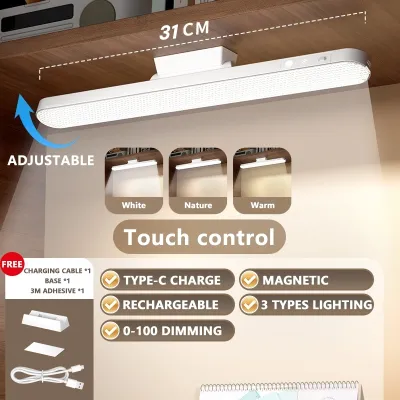
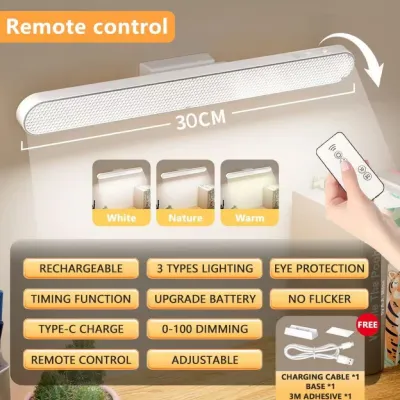
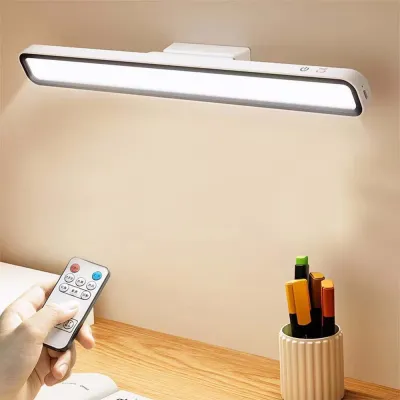
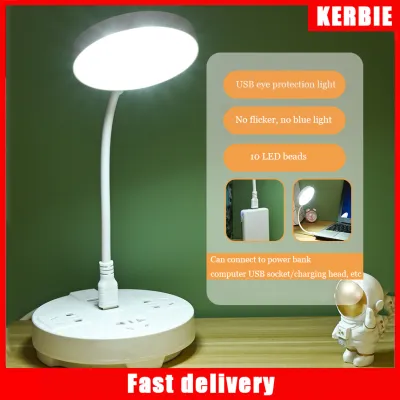
Prices are valid at publication and may change. Please refer to the product page for the latest price.
However, the utility of a clip-on light is entirely dependent on the physical design of your study table. You must verify that your desk has a sufficient lip overhang—typically at least two to three centimeters—to allow the clamp to grip securely. Tables with flush drawers directly beneath the tabletop or those with decorative, highly sloped beveled edges may not provide a flat, stable surface for the clamp. Furthermore, mounting a heavy metal clamp onto a glass-top desk carries a significant risk of cracking or scratching the glass; if you have a glass desk, look for clamps with thick, soft rubber padding, or avoid clip-on models entirely to prevent structural damage.
Another critical factor is the physical reach and adjustability of the light. Clip-on lights generally feature either a flexible gooseneck or a hinged, articulated arm. While goosenecks offer quick, multi-directional positioning, they can sometimes sag over time if the internal wire is too weak to support the lamp head. Articulated arms provide more rigid stability but require more clearance space to adjust. If the mounting point is too far to one side, the light may cast harsh shadows across your writing hand, so you must plan the clamp placement carefully to ensure the light falls directly onto your working materials without obstructing your view.
Freestanding LED Lamps: Flexibility and Broad Coverage
Traditional freestanding LED lamps remain a staple for study tables because they offer unmatched flexibility and a broad, even distribution of light. They are ideal for deep, spacious desks, multi-monitor workstations, and users who frequently rearrange their study layouts. Unlike clip-on or strip lights, a freestanding lamp can be picked up and moved to any spot on the desk in seconds, allowing you to adapt your lighting instantly when transitioning from typing on a computer to sketching on large sheets of paper or reading thick textbooks.

The primary trade-off with a freestanding lamp is its physical footprint. The base must be heavy and wide enough to keep the lamp stable, especially when the adjustable arm is fully extended. On a crowded study table, this base competes for space with keyboards, mousepads, pen holders, and books. To prevent accidental tipping, choose a lamp with a weighted, non-slip base, and avoid placing it near the edges of the desk where a stray elbow could knock it over. Managing the power cord is also essential; a loose cable running across the desk can easily snag on other items, so using cable clips to secure the wire along the back of the desk is highly recommended.
In terms of illumination, freestanding lamps generally feature larger lamp heads and wider beam angles than compact clip-on models. This design allows them to cover a much larger surface area, reducing the contrast between the brightly lit workspace and the dark surrounding room, which helps minimize eye strain during long study sessions. Many modern freestanding models also feature adjustable joints at the base, elbow, and head, giving you precise control over the height and angle of the light beam to eliminate glare on computer screens.
LED Strip Lights: Ambient and Task-Specific Illumination
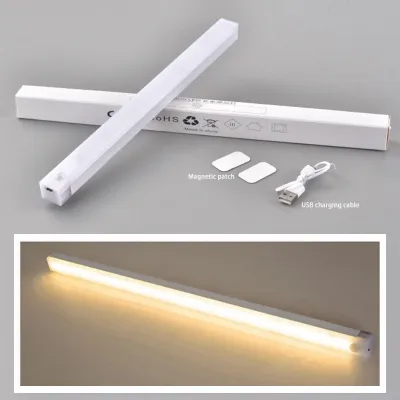
LED strip lights have surged in popularity as a modern, minimalist lighting solution for study tables. They are exceptionally well-suited for desks that feature overhead hutch shelving, wall-mounted cabinets, or monitor arms. By adhering the strips directly to the underside of a shelf, you can create a seamless, hidden task light that illuminates the entire length of your desk without taking up any physical space on the tabletop. They are also highly effective when applied to the back of a computer monitor as bias lighting, which reduces eye fatigue by softening the harsh contrast of a bright screen in a dark room.
Installing LED strip lights requires careful preparation to ensure longevity and safety. The mounting surface must be thoroughly cleaned with isopropyl alcohol to remove dust, oils, and moisture before applying the adhesive backing. In warm, humid climates like the Philippines, standard adhesive backings can degrade and peel off over time due to ambient moisture and the heat generated by the LEDs themselves. To prevent this, it is highly recommended to install the LED strips inside aluminum diffuser channels. These channels not only act as a heat sink to prolong the life of the LEDs but also feature frosted covers that diffuse the individual light points into a smooth, continuous glow, preventing harsh glare and reflections on your desk surface.
While strip lights excel at providing even, widespread ambient light, they do have distinct limitations when used as a primary study light. Because they are fixed in place once adhered, you cannot easily adjust the direction or angle of the light to focus on a specific book or document. If your study habits involve detailed handwriting, drawing, or reading physical materials that require intense, focused illumination, strip lights are best used as a supplementary light source paired with a dedicated clip-on or freestanding lamp.
Comparing Key Specifications and Electrical Safety
When selecting led lights for study table use, understanding the power delivery system is crucial for both convenience and safety. Many modern LED lights are powered via USB, allowing you to plug them directly into a computer, a monitor USB port, or a portable power bank. While USB-powered lights are highly convenient and portable, they may have lower maximum brightness levels compared to models that plug directly into an AC wall outlet via a dedicated adapter. If your study tasks require high-intensity illumination, verify the power requirements on the product label and ensure your desk setup has access to a stable power source without overloading your extension cords.
Light quality directly impacts your productivity and eye comfort. When reading product specifications, look for the color temperature measured in Kelvin (K) and the brightness measured in Lumens (lm). For active studying and reading, a cool white or neutral light between 4000K and 5000K is generally preferred as it promotes alertness and provides clear contrast for text. However, if you also use your study table in the evening or right before bed, a lamp with adjustable color temperature settings—allowing you to switch to a warmer 2700K to 3000K glow—will help your eyes relax. Ensure the product packaging or manual clearly states these specifications rather than relying on vague marketing terms.
Electrical safety must always be a priority, particularly when dealing with mains-powered lighting fixtures. In the Philippines, the standard household voltage is 220V at 60Hz. Before plugging in any AC-powered lamp or adapter, verify that the input specifications on the power brick match this standard to prevent overheating, short circuits, or electrical fires. Always look for recognized safety certification marks on the packaging, such as the Philippine Standard (PS) mark or the Import Commodity Clearance (ICC) sticker, which indicate that the product has undergone rigorous safety testing. Avoid using damaged cables, and always isolate the power source by unplugging the device before cleaning or adjusting any electrical components.
Final Decision Framework: Which Mounting Style Fits You?
To finalize your decision, evaluate your specific study table setup against the following practical guidelines:
- Choose Clip-On if: Your study table is compact, your desk surface is already crowded with essential materials, and you have a sturdy, flat desk edge or an adjacent shelf that can accommodate a clamp. This style is perfect for students in dorms or anyone needing a portable, space-saving light that can easily transition to a headboard for nighttime reading.
- Choose Freestanding if: You have a spacious desk, require a wide and highly adjustable beam of light for various tasks, and want the freedom to reposition your light source instantly. It is the most reliable option for deep desks, drafting tables, and multi-monitor setups where directional flexibility is paramount.
- Choose Strip Lights if: You have overhead shelving or a monitor mount and want a clean, modern, and completely hidden light source that provides even, glare-free ambient or task lighting. This setup is ideal for minimizing eye strain during screen-heavy work, though it should ideally be paired with a directional light for intense reading or writing.
Before finalizing your purchase on any online marketplace, inspect your desk’s material and structure. If your desk features a delicate glass top, highly beveled or rounded edges, or lacks a rear lip, a clip-on light may not be safe or functional. Always measure your available space, check your proximity to power outlets, and verify the electrical certifications of the product to ensure a safe, comfortable, and highly productive study environment.
Community discussion
Share your experience or ask a question. Comments are reviewed before publication.