
The choice between a clip-on LED lamp and a traditional bedside lamp depends on your bedside surface area, your typical reading posture, and the proximity of your power outlets. There is no single superior option; instead, each design serves different bedroom layouts and reading habits. A clip-on LED lamp offers targeted, highly adjustable illumination with a zero-surface-space footprint, making it ideal for compact spaces or dynamic reading positions. Conversely, a traditional bedside lamp provides a stable, decorative source of ambient light that anchors the room’s aesthetic, though it requires a dedicated flat surface and offers less directional flexibility.
Core Differences in Design and Bedside Placement
Understanding the structural differences between these two lighting options is the first step in determining which fits your bedroom. A clip-on LED lamp relies on a spring-loaded or screw-tightened clamp mechanism, allowing you to attach the light directly to a headboard, bed frame, or adjacent wall shelf. For bedrooms with limited floor space or minimalist layouts, this zero-space requirement is highly advantageous.
Traditional bedside lamps feature a weighted, freestanding base that must sit on a flat, stable surface like a nightstand. While this requires a dedicated physical footprint, it provides a permanent, stable anchor that is less likely to be knocked over during sleep or when reaching for items in the dark.
Products mentioned in this guide
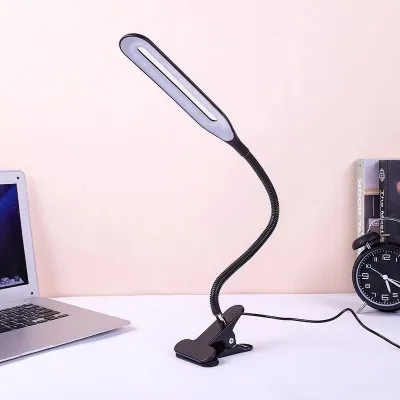
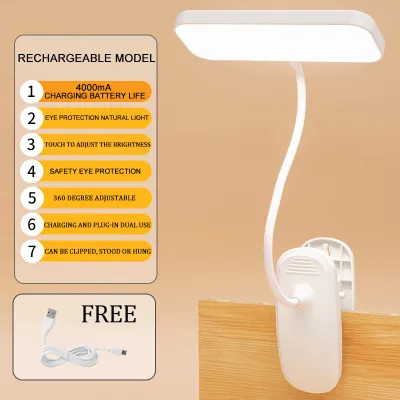
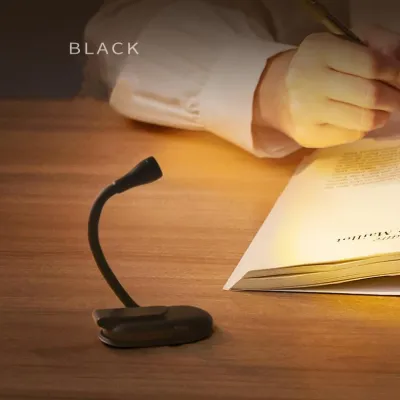
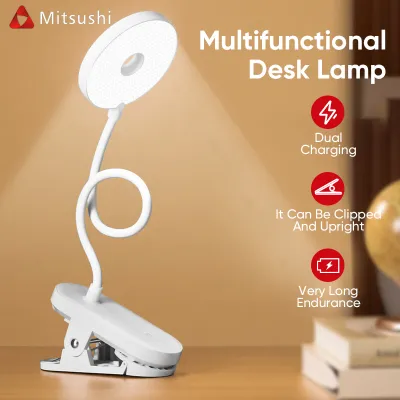
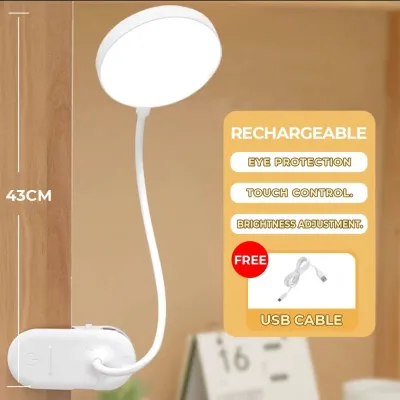
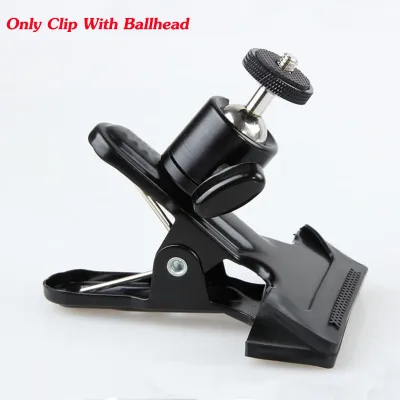
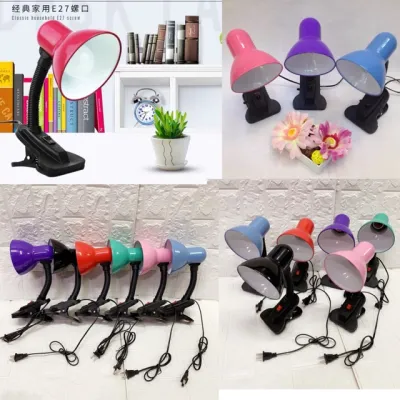
Prices are valid at publication and may change. Please refer to the product page for the latest price.
The range of motion and angle control differs significantly between the two styles. Clip-on models frequently incorporate flexible goosenecks or multi-axis swivels, allowing you to direct the light beam precisely onto your book and minimize light spill across the bed. Traditional lamps typically offer a fixed height and a static shade, casting a broader, more ambient pool of light that may require you to adjust your posture to remain within the illuminated zone.
In tropical environments where bedroom furniture materials range from solid hardwoods to lightweight bamboo or metal frames, the physical interaction of the lamp with the furniture is an important consideration. A heavy traditional lamp requires a sturdy table, while a clip-on lamp must have a clamp that matches the material properties of your bed frame to ensure a secure grip without causing structural strain.
Lighting Quality and Eye Comfort for Nighttime Reading
Evaluating lighting quality is essential for preventing eye strain during late-night reading sessions. When browsing options, check the manufacturer’s specifications for brightness levels and dimming capabilities. Many modern LED clip-on lamps feature step-less dimming or multiple brightness presets, allowing you to lower the intensity as your eyes adjust to the dark. Traditional lamps can also offer dimming, but this often requires purchasing specific dimmable bulbs and compatible fixtures.

Color temperature plays a critical role in preparing your body for sleep. Warm light, typically ranging from 2700K to 3000K, mimics the soft glow of sunset and is generally preferred for bedtime reading because it creates a relaxing atmosphere. Cool light, which sits above 4000K, contains more blue wavelengths and is better suited for high-focus daytime tasks. Many clip-on LED lights feature adjustable color temperature settings, enabling you to switch between warm, neutral, and cool modes depending on the time of day.
The distribution of light also impacts eye comfort. Clip-on lamps function primarily as focused task lights, projecting a narrow, concentrated beam directly onto your reading material. This focused pattern helps keep the rest of the room dark, which is beneficial if you share a bed. Traditional bedside lamps distribute light more diffusely, filtering it through a fabric, glass, or paper shade to create a soft, ambient glow that reduces the harsh contrast between a bright page and a dark room.
To ensure optimal eye comfort, always verify product labels for flicker-free operation. Low-quality LED drivers can produce a rapid, invisible flicker that leads to headaches and eye fatigue over time. Additionally, look for a high Color Rendering Index (CRI) rating, ideally CRI 80 or above, to ensure that colors and text contrast appear sharp and natural.
Power Sources, Battery Life, and Cord Management
The practicalities of powering your reading light affect both convenience and bedroom safety. Clip-on LED lamps are widely available in both corded and rechargeable battery-operated configurations. Rechargeable models offer excellent portability, allowing you to read in bed without worrying about the location of the nearest wall outlet, though they require regular charging to avoid sudden darkness.
Traditional bedside lamps rely almost exclusively on continuous plug-in power, eliminating the worry of a dying battery. The trade-off is that you are tethered to the location of your electrical outlets. When setting up a plug-in lamp, evaluate the cord length and plan a safe routing path. Cords should never be stretched tightly across walkways or tucked under heavy bed frames where they can be pinched, creating a fire hazard or a tripping risk.
For wireless clip-on models, carefully check the manufacturer’s stated battery life expectations and charging methods. Many models utilize standard USB-C or micro-USB ports, allowing you to charge them using a standard phone charger or a power bank. Keep in mind that battery performance can degrade over time, especially in warm, humid tropical climates. To prolong battery life, avoid leaving rechargeable lamps plugged in continuously once they reach full charge.
Before purchasing any plug-in lighting fixture, verify its voltage compatibility and plug type to ensure it matches standard electrical outlets in the Philippines. The standard domestic voltage is 220V at 60Hz, and outlets typically accept flat two-prong (Type A) or round two-prong (Type C) plugs. Using an imported lamp designed solely for 110V without a proper step-down transformer can damage the appliance and pose a severe electrical safety risk.
Decision Framework: Which Lamp Fits Your Bedroom Setup?
Choosing the right reading light involves matching the lamp’s physical characteristics to your specific bedroom environment and lifestyle. A clip-on LED lamp is highly suitable if your nightstand space is limited or non-existent, as it utilizes vertical space on your headboard or wall. It is also the practical choice if you frequently change your reading posture, travel often, or need a portable light source that can easily transition from the bed to a desk.
A traditional bedside lamp is the better option if you have ample table space and want your lighting to contribute to the bedroom’s overall decor. Traditional lamps serve as design statements, anchoring the bedside setup and providing soft, ambient room lighting that makes the entire space feel warm and welcoming. They are also ideal for readers who prefer a permanent, plug-and-forget power source and do not want to manage charging cables.
There are scenarios where neither option may be the perfect fit. If you have specific medical lighting requirements, such as severe visual impairments that demand highly specialized, high-intensity task lamps, standard consumer clip-ons or decorative bedside lamps may fall short. Similarly, if your bed lacks a suitable clamping surface and you have absolutely no room for a nightstand, hardwired wall-mounted sconces installed by a professional may be the only viable alternative.
To help you compare these options at a glance, the following table summarizes the key decision factors based on typical product designs:
| Decision Factor | Clip-On LED Lamp | Traditional Bedside Lamp |
|---|---|---|
| Space Requirement | Zero surface space; clips to headboard or frame | Requires flat, stable table or nightstand surface |
| Adjustability | High; flexible goosenecks and directional beams | Low to moderate; static height and fixed shade |
| Power Dependency | Rechargeable battery or USB; requires charging | Continuous AC plug-in; dependent on outlet proximity |
| Aesthetic Role | Minimalist and functional; low visual impact | Decorative; serves as a key bedroom design element |
| Light Distribution | Focused, narrow beam; minimal partner disturbance | Broad, ambient glow; illuminates surrounding area |
Physical Compatibility and Safety Checks Before Buying
Before finalizing your purchase, you must perform several physical and safety checks to ensure the lamp is compatible with your bedroom setup. If you are opting for a clip-on model, measure the exact thickness of your bed frame, headboard, or shelf. Compare this measurement against the manufacturer’s specified clamp opening range. Attempting to force a clip onto a surface that is too thick can break the spring mechanism or cause the lamp to snap off unexpectedly.
You should also check the weight limits of the mounting surface and the grip padding materials of the clamp. Look for clips equipped with thick silicone, rubber, or felt padding. Unpadded plastic or metal clamps can scratch wood finishes, tear fabric headboards, or leave permanent marks on painted surfaces. Additionally, ensure the mounting point is structurally sound enough to support the weight of the lamp without bending or warping over time.
For plug-in models, safety begins with verifying electrical certifications and wattage limits. Check the product packaging or the lamp base for recognized safety marks, which indicate the product has undergone compliance testing. Always adhere to the maximum wattage rating printed on the lamp socket; installing a bulb that exceeds this limit can cause heat buildup, melting the socket or shade and creating a fire hazard.
Finally, establish clear boundaries for when to handle installation yourself and when to seek professional assistance. While setting up a standard plug-in table lamp or clipping on an LED light is a simple DIY task, any modification to your home’s electrical system is not. If you decide that wall-mounted sconces or hardwired fixtures are necessary to solve your space constraints, stop and consult a qualified electrician. Attempting to modify fixed wiring or install structural wall boxes without proper training poses severe risks of electrical shock and fire.
Frequently Asked Questions (FAQ)
Can a clip-on LED lamp damage my wooden headboard?
The risk of damage depends entirely on the clamp’s grip strength and the quality of its padding material. Clamps without protective barriers can scratch or dent wood finishes under high tension. To protect your furniture, choose a model with thick silicone, rubber, or felt padding on the inner surfaces of the clip, and test the grip on an inconspicuous area of the headboard first.
Is warm or cool light better for reading before sleep?
Warm light is generally preferred for reading before sleep because it supports your body’s natural circadian rhythm by minimizing exposure to blue light. Cool light can stimulate alertness, making it harder to fall asleep. Look for a reading lamp with an adjustable color temperature setting, or select a bulb rated between 2700K and 3000K for a relaxing evening environment.
How do I know if a clip-on lamp will fit my bed frame?
To ensure a proper fit, use a ruler or measuring tape to find the exact thickness of the headboard, bed rail, or shelf where you plan to mount the lamp. Compare this measurement with the manufacturer’s stated maximum clamp opening capacity. Choosing a lamp with a slightly larger maximum opening than your measurement ensures a secure, stable grip.
Community discussion
Share your experience or ask a question. Comments are reviewed before publication.