
Finding the perfect reading light for books is not a matter of finding a single universal product, but rather matching a light’s physical design to your specific reading environment. Your choice depends heavily on where you read, your preferred posture, and whether you share your sleeping space with a partner. A light that works beautifully on a spacious wooden desk may prove completely impractical when clipped to a soft, fabric headboard or used in a dark room where someone else is trying to sleep.
To make an informed decision, you must evaluate three primary criteria: your available mounting surfaces, your bed-sharing status, and your typical reading posture. For instance, if you read lying down in bed, a heavy lamp on a distant nightstand might cast awkward shadows across your pages, whereas a wearable neck light or a small clip-on fixture will move directly with your book. Conversely, if you study complex textbooks at a wide table, a stable desk lamp provides the broad, even illumination necessary to prevent eye strain over hours of concentration.
There is no single winner among clip-on, desk, and headband reading lights. Each form factor addresses a distinct set of physical constraints and user habits. By understanding the mechanical limits, power requirements, and light distribution patterns of each style, you can select a lighting setup that enhances your reading comfort without introducing unwanted glare, clutter, or sleep disruption.
Products mentioned in this guide

Prices are valid at publication and may change. Please refer to the product page for the latest price.
In tropical environments like the Philippines, where evening temperatures and humidity levels remain high, additional factors such as material comfort, heat emission from the light source, and battery resilience during local power fluctuations also come into play. Selecting a light with the right power interface and physical build ensures safety and longevity in these specific conditions.
Clip-On Lights: Ideal for Headboards and Narrow Ledges
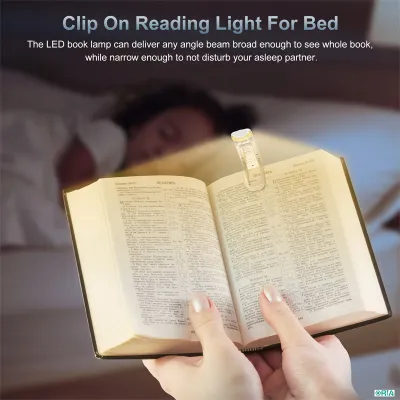
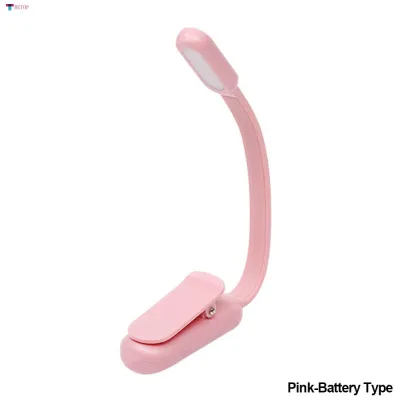
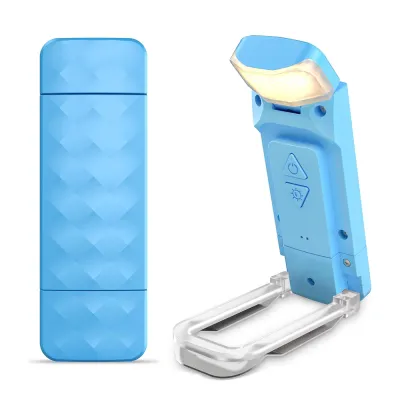
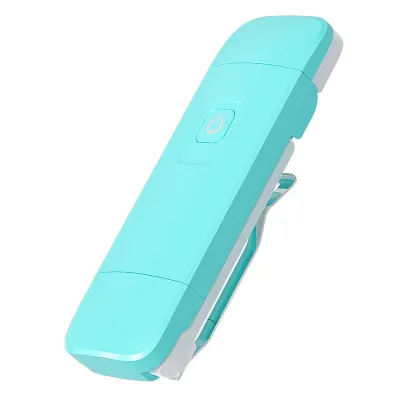
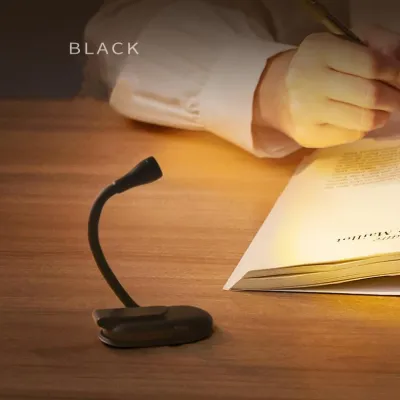
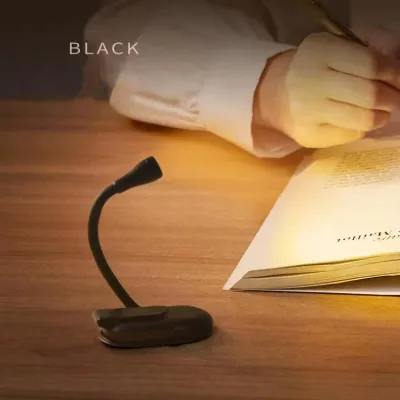
Clip-on reading lights offer a highly portable, space-saving solution by securing directly to your book, headboard, or a nearby shelf. This design eliminates the need for a flat tabletop surface, making it exceptionally popular for compact bedrooms or minimalist sleeping setups. However, before purchasing a clip-on model, you must carefully verify the clamp’s maximum opening width against the actual thickness of your headboard, mattress edge, or shelf lip. A clamp that is too narrow will fail to grip securely, while one without protective rubber padding can scratch polished wood or slip off slick surfaces.
The primary mechanical feature of most clip-on lights is a flexible gooseneck arm, which allows you to direct the light beam precisely onto your page. While highly adjustable, the quality of this neck varies significantly. Lower-quality goosenecks may suffer from structural sagging over time or vibrate excessively when you turn a page, causing distracting shifts in illumination. Additionally, because the light source is positioned relatively close to the book, a poorly angled gooseneck can cast harsh shadows from your hands or the book’s spine, requiring frequent manual adjustments as you read.
Power delivery is another critical consideration when evaluating clip-on models. Rechargeable battery-operated units offer complete wireless freedom, allowing you to read anywhere without worrying about cord length or wall outlet proximity. However, you must manage their charging cycles to avoid sudden dimming mid-chapter. Plug-in models, on the other hand, provide consistent brightness but require careful cord management to prevent dangling wires from becoming a hazard in the dark. If you choose a plug-in model, ensure the power switch is easily accessible from your reading position so you do not have to fumble along the cord to turn it off.
In humid climates, the materials used in clip-on lights deserve extra scrutiny. Metal springs inside the clamp can rust over time if exposed to high moisture levels, leading to a loss of tension and a loose grip. Similarly, cheap plastic casings can become brittle. Look for models featuring corrosion-resistant springs and robust, non-slip silicone grips that maintain their hold even when ambient humidity is high.
Desk Lamps: Ideal for Wide Nightstands and Dedicated Tables
Traditional desk and table lamps remain the practical standard for dedicated reading areas, such as home offices, study tables, or spacious nightstands. These fixtures rely on a stable, flat surface and a weighted base to prevent tipping. When selecting a desk lamp, the footprint of the base must match the available space on your table. A base that is too large will crowd your books, glasses, or water carafe, while a base that is too light or poorly balanced risks being knocked over easily in the dark.

One of the greatest advantages of a dedicated desk lamp is its superior beam spread and brightness adjustability. Unlike small portable lights, desk lamps typically feature larger LED panels or bulb sockets that distribute light over a wider area. This broad coverage is essential for reading larger formats, such as textbooks, newspapers, or open magazines, where a narrow beam would require constant repositioning. Many modern desk lamps also offer step-less dimming and multiple color modes, allowing you to transition from bright, cool light for daytime study to a soft, warm glow for evening relaxation.
However, the fixed placement of a desk lamp introduces specific challenges regarding glare and reflection. If the lamp is positioned incorrectly, the light can bounce directly off glossy book pages or tablet screens, causing intense visual discomfort and eye strain. To mitigate this, you should position the lamp to the side of your non-dominant hand and adjust the shade or arm so the light source is shielded from your direct line of sight. This positioning ensures that the light grazes the page at an angle rather than reflecting straight back into your eyes.
From an electrical safety standpoint, desk lamps require careful verification of voltage compatibility and certification. In the Philippines, where the standard residential voltage is 220V at 60Hz, using an imported lamp rated solely for 110V without a proper transformer can result in immediate product failure or electrical hazards. Always check the manufacturer’s label for the official electrical safety markings and ensure the power cord is routed safely behind furniture to prevent tripping hazards or accidental pulling.
Headband and Neck Lights: Ideal for Shared Beds and Hands-Free Reading
Wearable reading lights, including headbands and neck-worn designs, represent a modern approach to personal illumination. These devices are particularly beneficial for readers who share a bed with a partner who sleeps early, as well as those who read in unconventional postures, such as reclining deeply or sitting in a hammock. By securing the light source directly to your body, the beam automatically follows your head movements or points directly down at your chest, keeping your hands completely free to hold the book and turn pages.
When comparing headband styles to neck-worn models, weight distribution and physical comfort are the primary deciding factors. Headband lights, while highly secure, place the weight of the battery and light source directly on your forehead. Over extended reading sessions, this pressure can cause mild discomfort or tension headaches, and the elastic band can trap heat. Neck lights, which rest gently around your collarbone, distribute their weight across your shoulders, making them generally more comfortable for long-term wear. However, neck lights can shift slightly if you toss and turn, requiring occasional realignment.
The highly focused beam angle of wearable lights is their greatest asset in shared sleeping spaces. Because the LEDs are equipped with narrow lenses, they project a concentrated cone of light directly onto your book with minimal lateral light spill. This precision prevents the light from illuminating the entire room or shining directly into your partner’s eyes. To maximize this benefit, look for models that feature independent controls for each side of a neck light, allowing you to illuminate only one page at a time if desired.
Despite their convenience, wearable lights require a disciplined charging routine. Because these devices must remain lightweight to be comfortable, they utilize smaller rechargeable batteries that offer limited runtimes compared to larger clip-on models. Additionally, wearing a device close to your skin in a warm, tropical climate can lead to sweat buildup along the headband or neck arms. Choosing models with sweat-resistant, easy-to-clean silicone or fabric sleeves is essential for maintaining hygiene and comfort over time.
Decision Framework: How to Choose the Right Reading Light
To select the ideal reading light for your specific setup, you should systematically evaluate your physical environment and nightly habits. If your bed features a thick, padded headboard and you prefer a completely clear nightstand, a clip-on light with a wide, padded clamp is your most practical option. If you primarily read at a desk or have a spacious bedside table that can safely accommodate a weighted base, a traditional desk lamp offers the most stable and adjustable illumination. If you share a bed, travel frequently, or enjoy reading in various positions around your home, a wearable neck light provides the necessary portability and partner-friendly focus.
Before finalizing your purchase on any online marketplace or local retail store, utilize this pre-purchase checklist to verify the light’s technical specifications and safety features:
- Electrical Certification: Ensure the product carries recognized safety markings indicating compliance with local electrical standards, especially for plug-in models operating on 220V.
- Switch Accessibility: Opt for physical buttons or highly responsive touch sensors that are easy to locate and operate in complete darkness without looking.
- Color Temperature Adjustability: Verify that the light offers at least one warm setting (around 2700K to 3000K) to prevent blue-light exposure from disrupting your sleep cycle.
- Clamp and Base Dimensions: Check the manufacturer's specified clamp width or base footprint against your actual furniture measurements rather than relying on product photos.
- Power Interface: Look for standard USB-C charging ports for rechargeable models, which offer broad compatibility with your existing mobile phone chargers and power banks.
By focusing on these verifiable specifications rather than generic marketing claims, you can secure a reading light that fits your physical space, protects your eyesight, and integrates seamlessly into your nightly routine.
Frequently Asked Questions (FAQ)
What color temperature is best for reading books at night?
For nighttime reading, warmer color temperatures ranging from 2700K to 3000K are highly recommended. These warm, amber tones mimic traditional incandescent bulbs and emit significantly less blue light, which helps support your body’s natural production of melatonin and promotes better sleep hygiene. When shopping for a reading light, check the product specifications or packaging to ensure it features adjustable color modes, allowing you to switch to a cooler, brighter light during the day and a soft, warm glow as bedtime approaches.
Can I use a standard desk lamp for reading in bed?
While you can use a standard desk lamp on a bedside table, it is often impractical and potentially unsafe for small or cluttered nightstands. Standard desk lamps are typically top-heavy and can easily be knocked over when reaching for a phone or a glass of water in the dark. If you choose to use a desk lamp in bed, ensure it has a heavy, stable base, is positioned far enough from the mattress edge to prevent tipping, and has its power cord routed safely to avoid tripping hazards.
Are rechargeable reading lights bright enough for detailed reading?
Yes, modern rechargeable reading lights are fully capable of providing sufficient brightness for detailed reading, but their performance depends heavily on the specific LED array, lens design, and current battery charge level. As a rechargeable battery drains, some lower-quality models may experience a gradual drop in brightness, leading to eye strain. To ensure consistent performance, verify the manufacturer’s stated lumen output and look for models that feature regulated power circuitry, which maintains a steady level of brightness until the battery is fully depleted.
Community discussion
Share your experience or ask a question. Comments are reviewed before publication.