
Choosing the right rechargeable lamp for your bedside depends on your nightstand’s physical space, your reading posture, and how often you need to move the light source. While a traditional standing lamp offers classic stability, a clip-on lamp frees up valuable surface area, and a foldable lamp provides compact versatility for tight spaces or travel. By evaluating your specific furniture layout and lighting habits, you can select a design that enhances your evening routine without cluttering your bedroom.
Rechargeable lighting has become increasingly popular in modern homes, offering a cordless solution that eliminates unsightly cables and provides reliable illumination during unexpected power outages. In tropical regions like the Philippines, where seasonal weather can occasionally disrupt the electrical grid, having a dependable, battery-operated light source at your bedside is both a practical convenience and a safety measure. However, selecting the wrong form factor can lead to a cramped nightstand, poor light distribution, or a lamp that is difficult to charge.
Core Design Differences of Rechargeable Bedside Lamps
Understanding the physical structure and primary mechanism of each lamp type is the first step in determining which model will function best in your bedroom. Each design addresses a different spatial challenge and offers distinct advantages in terms of portability and adjustment.
Products mentioned in this guide
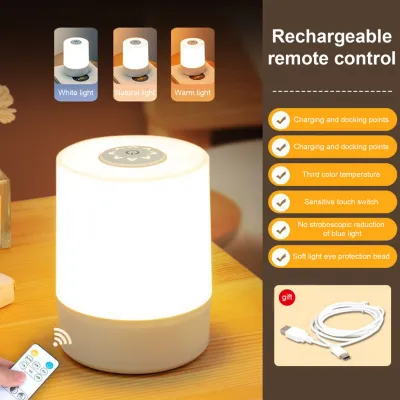
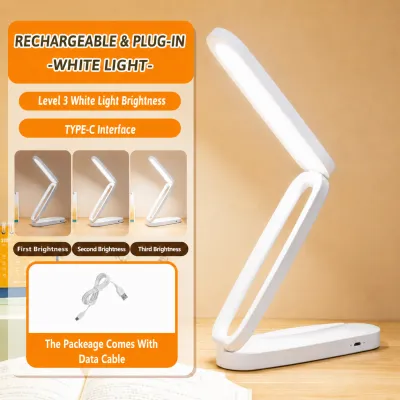
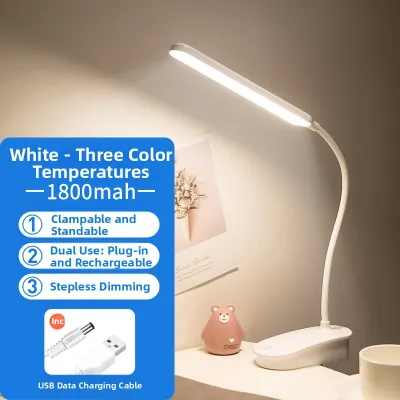
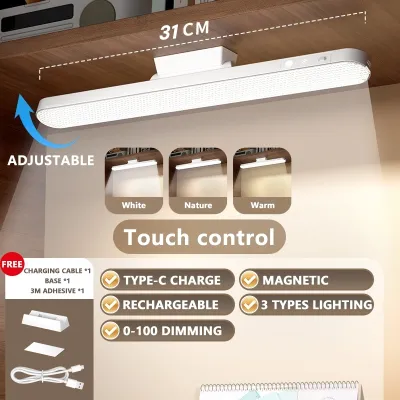
Prices are valid at publication and may change. Please refer to the product page for the latest price.
Clip-on lamps utilize a spring-loaded or screw-tightened clamping mechanism instead of a traditional flat base. This base-free design allows you to mount the light directly to the edge of a headboard, a nearby shelf, or the side of your nightstand. Because they do not occupy flat surface space, they are highly favored for minimalist setups or exceptionally small bedrooms. However, they require a secure, exposed edge of a specific thickness to clamp onto safely, meaning they cannot be placed in the middle of a flat surface without support.
Foldable lamps feature collapsible joints and hinges that allow the arm and light panel to fold flat against the base or body. This design offers a highly compact footprint when stored and allows you to adjust the height and angle of the light beam by articulating the hinges. While they sit on a flat surface like a traditional lamp, their ability to fold makes them highly portable and easy to tuck away when not in use. The primary limitation of a foldable lamp lies in its hinge range, as you can only adjust the light along the pre-engineered axes of the joints.
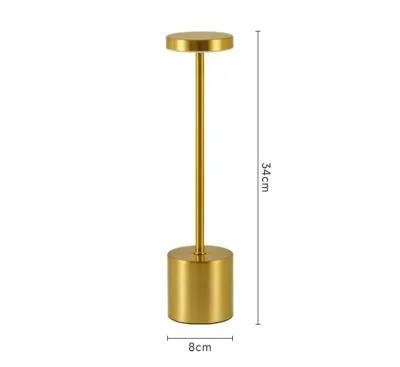
Standing lamps represent the traditional bedside design, featuring a weighted base that rests on any flat surface, paired with either a rigid neck or a flexible gooseneck. The weighted base provides excellent stability, ensuring the lamp will not easily tip over when you reach for it in the dark. Standing models often accommodate larger light heads or decorative shades, making them a prominent design element in your bedroom decor. Their main drawback is that they require dedicated, unobstructed surface area on your nightstand, which can limit your space for other bedside essentials.
Evaluating Nightstand Space and Surface Compatibility
Before purchasing any rechargeable lamp, it is essential to measure your nightstand and assess its material composition to ensure physical compatibility. A lamp that is too large for your table will cause clutter, while an incompatible clip-on model can damage your furniture.

To evaluate a standing or foldable lamp, perform a surface area check by measuring the available clear space on your nightstand. Compare these measurements to the base diameter listed in the product specifications. Keep in mind that your nightstand must also accommodate personal items such as a smartphone, a glass of water, eyeglasses, or books. If your bedside table is already crowded, a standing lamp with a wide base may force you to declutter or risk knocking items over in the dark.
If you are considering a clip-on lamp, an edge and thickness check is critical. Measure the thickness of your headboard, shelf, or nightstand lip, and compare it to the maximum jaw opening of the clamp. Additionally, inspect the shape of the edge; rounded, beveled, or highly decorative moldings may prevent a standard flat clamp from gripping securely. The material strength of the mounting surface must also be considered, as fragile materials like thin glass or soft plastics can crack under the pressure of a strong spring clamp.
For those who prefer a tidy bedside during the day, a storage check is highly beneficial. If you plan to use a foldable lamp only at night, measure your bedside drawers or shelving units to ensure the collapsed dimensions of the lamp allow it to slide inside easily. This is particularly useful in humid environments where keeping surfaces clear makes dusting and cleaning much simpler.
Matching Light Direction to Your Reading Posture
The way you position yourself in bed directly influences how light should fall on your reading material. Choosing a lamp that aligns with your typical posture prevents eye strain and ensures a comfortable reading experience.
Clip-on lamps excel at overhead or side-angled lighting, especially when mounted to a headboard or a shelf directly above your pillow. If you prefer to read while propped up by multiple pillows, positioning the light source slightly behind and above your head allows the beam to shine directly onto your book or tablet. This angle minimizes shadows cast by your hands, head, or the device itself, providing a clean, unobstructed field of view.
Foldable lamps offer exceptional flexibility through multi-joint adjustments, making them ideal for targeted task lighting. If you share a bed, you can articulate the hinges to position the light panel low and close to your reading material. This directional control allows you to illuminate your pages clearly while preventing the light from shining directly into your partner’s eyes. It also helps contain the light spill, maintaining a darker, more restful environment in the rest of the room.
Standing lamps rely on their neck height and shade design to direct light. If you read while lying down on your side, a standing lamp with a flexible gooseneck is highly advantageous, as you can bend the neck downward to focus the beam. However, if the lamp has a rigid neck, you must ensure the height of the shade aligns correctly with your posture. If the bulb sits too high, it can create a harsh glare that shines directly into your eyes; if it sits too low, your body may cast a shadow over your book.
Checking Battery Capacity and Charging Requirements
Because rechargeable lamps operate on battery power, understanding their electrical specifications and charging needs is vital for uninterrupted use. Checking these details beforehand prevents the frustration of a lamp dying mid-chapter.
Start by reading the milliampere-hour (mAh) rating and estimated runtime labels provided by the manufacturer in the product manual or packaging. A higher mAh rating indicates a larger battery capacity, which generally supports longer operation between charges. However, keep in mind that actual runtime varies significantly based on your usage habits, such as using high-brightness settings, multiple color temperatures, or built-in timers. Always verify the electrical certification marks on the product label to ensure the battery and charging circuitry meet local safety standards.
Next, identify the charging port type and interface, which is typically a USB-C or Micro-USB port. Ensure the included charging cable is long enough to reach your nearest wall outlet if you plan to charge the lamp in place. If your nightstand is far from an outlet, verify if the lamp can be powered by a portable power bank, or if it must be moved closer to a wall charger during the day. Additionally, check the voltage requirements—most rechargeable lamps use a standard 5V USB input, but verifying this prevents damage from incompatible fast-chargers.
Finally, consult the product manual for battery care instructions and overcharge protection indicators. Many modern lamps feature an indicator light that changes color or turns off once the battery is fully charged. In warm, tropical climates, heat can accelerate battery degradation, so it is important to charge the lamp in a well-ventilated area away from direct sunlight. Avoid leaving the lamp in completely discharged states for extended periods, as this can permanently reduce the battery’s overall capacity. Additionally, check the product specifications for the dimming method (such as touch control or physical buttons) and the maximum wattage limit of the LED panel to ensure it meets your brightness needs without exceeding the thermal limits of the housing.
Decision Framework: Which Rechargeable Lamp Should You Choose?
To finalize your decision, synthesize your spatial measurements, reading habits, and charging preferences into a clear choice.
Choose a clip-on lamp if your nightstand surface is heavily cluttered or too small to accommodate a base, and you have a sturdy headboard, shelf, or table edge that can safely support a clamp. This design is perfect for maximizing limited space and providing direct, overhead illumination.
Choose a foldable lamp if your flat surface space is limited but available, and you require precise, multi-angle adjustments to direct light away from a sleeping partner. This option is also ideal if you value portability and want a light that can be collapsed and stored in a drawer during the day.
Choose a standing lamp if you have ample nightstand space, prioritize absolute stability on flat surfaces, and prefer a traditional aesthetic that complements your bedroom decor. While some users prefer the decorative style and warm color temperature of a traditional standing lamp to create a cozy spatial effect, these aesthetic qualities are highly subjective and depend on personal preference rather than universal performance.
Before making your purchase, always verify the exact dimensions, clamp opening limits, base diameters, and charging port specifications against your physical bedside setup to ensure a seamless fit.
Frequently Asked Questions (FAQ)
Can I leave a rechargeable lamp plugged in all the time?
To determine if you can leave your lamp plugged in continuously, consult the manufacturer’s product manual for overcharge protection specifications. While many modern rechargeable lamps feature circuitry that stops charging once the battery is full, keeping a lithium-ion battery at 100% capacity indefinitely can accelerate its degradation over time. For optimal battery lifespan, it is generally recommended to unplug the lamp once it reaches a full charge and run it on battery power, or only plug it in when the battery level runs low.
Are clip-on lamps safe for glass or fragile nightstand surfaces?
Clamping a lamp directly onto glass, delicate wood veneers, or fragile plastics can cause scratches, chips, or structural cracks if the clamp pressure is too high. Before mounting, inspect the clamp to ensure it features soft rubber, silicone, or foam padding designed to protect furniture surfaces. If you are unsure about the strength or weight limit of your nightstand edge, test the clamp on an inconspicuous area first, or consult the furniture manufacturer’s guidelines before securing the lamp.
Community discussion
Share your experience or ask a question. Comments are reviewed before publication.