
Selecting a functional corner wall light for narrow corridors and bedside reading in Philippine homes requires balancing compact physical profiles with targeted, glare-free illumination. In typical Filipino residential layouts, such as urban condominiums, townhouses, or multi-generational family homes, space is highly valued, and corridors are often narrow. A well-chosen corner wall light maximizes these tight areas by utilizing underused corner junctions, providing essential navigation light without protruding into active walkways. For bedside applications, the same category of fixture offers a space-saving alternative to bulky nightstands, delivering focused task lighting that supports reading without disturbing a partner.
Evaluating Space and Wiring Constraints
Before purchasing any fixture, measuring the physical limits of your space is essential. In narrow hallways, standard wall sconces can easily become physical hazards, leading to accidental bumps. To ensure safe passage, measure the exact width of the corridor and select a fixture with a low protrusion depth—ideally projecting no more than 10 centimeters from the wall.
For bedside installations, evaluate the clearance around your headboard and the height of your mattress. Consider how far the light will extend when fully deployed and whether it will interfere with pillows, headboards, or mosquito nets. If you share a bed, assess the distance between sleeping zones to ensure the light beam can be directed away from your partner’s face.
Products mentioned in this guide
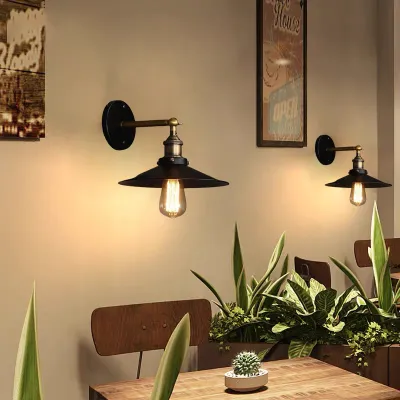
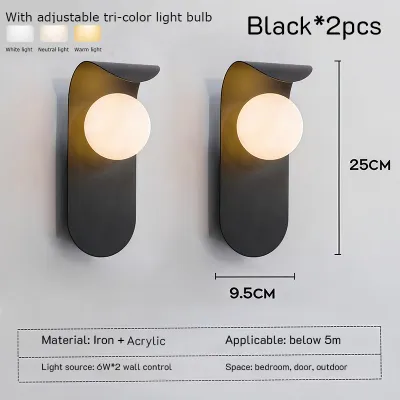
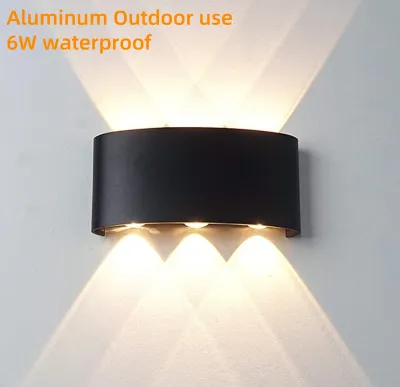
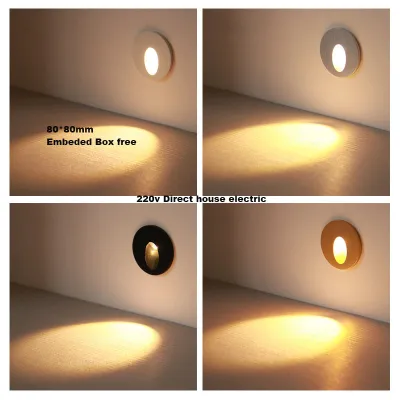
Prices are valid at publication and may change. Please refer to the product page for the latest price.
Electrical infrastructure in Philippine homes often presents unique challenges. Many older or standard residential structures utilize solid concrete hollow blocks finished with plaster, making retrofitting internal wiring a labor-intensive process. Check your existing junction box locations, wall switch accessibility, and whether your room layout allows for clean wire routing before committing to a hardwired fixture.
Additionally, inspect the corner angles where you plan to mount the light. While most walls are intended to meet at a precise 90-degree angle, structural settling or uneven plastering can create slight variations. Ensure the mounting bracket of your chosen corner wall light can accommodate minor wall imperfections, or prepare to use shims and appropriate sealants to achieve a flush, secure fit.
Key Features to Look for in Corner Wall Sconces
When shopping on an online marketplace or at a local lighting showroom, prioritize the physical form factor of the fixture. True corner-mounted sconces feature a specialized triangular or angled backplate designed to sit flush within a 90-degree corner. This design naturally minimizes projection, keeping the light source tucked away from high-traffic paths.

For bedside reading, adjustability is a key feature. Look for fixtures equipped with swing arms, dual-axis swivels, or pivoting heads. These mechanical joints allow you to pull the light source close for active reading and push it flat against the wall when not in use, preserving precious bedroom space.
Glare control is equally critical for both corridor navigation and reading comfort. Seek out fixtures that incorporate physical shields, deep-set baffles, or frosted glass diffusers. These design elements soften the light output, preventing harsh, direct glare from striking your eyes when you walk down a dark hallway or look up from a book.
Technical compatibility must also be verified prior to installation. Ensure the fixture is compatible with standard Philippine voltage (typically 220V to 240V at 60Hz) and uses common bulb bases like E27 or GU10, or features a reliable integrated LED module. Opt for dimmable fixtures or those compatible with smart bulbs, allowing you to transition seamlessly from bright task lighting to a soft, low-intensity nightlight.
Matching the Light to the Scene
Optimizing for Narrow Corridors
In narrow hallways, the primary goal of lighting is to create a sense of openness while ensuring safe passage. Utilizing upward or downward wash lighting—often referred to as up-down sconces—can visually expand a cramped corridor. By casting light along the vertical surfaces of the walls and ceiling, these fixtures draw the eye upward, making low ceilings feel significantly higher.
To maximize walkway width, prioritize flush or semi-flush corner mounts. These fixtures hug the corner junction tightly, leaving the main wall surfaces completely clear. This layout is particularly beneficial in homes with active children or elderly family members, as it eliminates protruding obstacles that could cause accidental collisions.
Visual comfort in long, narrow spaces depends heavily on avoiding harsh shadows. Avoid fixtures with completely clear glass covers that expose bare bulbs, as these create intense hot spots and deep, disorienting shadows on the floor. Instead, select fixtures with opal glass or matte diffusers that distribute light evenly across the walking path.
Optimizing for Bedside Reading
Bedside reading demands highly localized task lighting. Select fixtures with targeted beam spreads, such as a narrow spotlight or a hooded reading arm, which direct light precisely onto your book or tablet. This focused illumination ensures you can read comfortably without spilling excess light across the bed and waking your partner.
Convenience is paramount when you are ready to sleep. Look for corner sconces that feature independent on/off switches directly on the fixture base, touch-sensitive controls, or compatibility with smart home systems. Having the switch within arm’s reach eliminates the need to get out of bed to turn off the light.
The color temperature of your bedside light directly impacts your sleep quality. Choose warm white light, ideally between 2700K and 3000K, which mimics the warm glow of sunset. This spectrum supports the body’s natural circadian rhythm, helping your eyes wind down and prepare for restful sleep after a long day.
Cross-Scene Compatibility: Can One Fixture Do Both?
While it is tempting to purchase a single model of corner wall light to use throughout your entire home, you must evaluate if one design can truly serve both purposes. A highly adjustable swing-arm sconce that excels at the bedside may protrude too far and look cluttered in a narrow hallway. Conversely, a completely flush, static corner uplight that illuminates a corridor beautifully will lack the directional flexibility required for comfortable reading.
To achieve a cohesive interior design without sacrificing functionality, consider selecting fixtures from the same design family or matching their finishes. For instance, you can pair a flush-mount corner sconce in matte black or brushed brass for your hallway with an adjustable swing-arm sconce in the exact same finish for your bedside. This maintains a unified aesthetic thread throughout your home while respecting the unique functional demands of each space.
Control mechanisms also differ significantly between these two areas. Hallway lighting benefits greatly from automation, such as motion sensors that automatically illuminate the path during late-night trips to the kitchen. Bedside lighting, however, requires manual control and dimming capabilities to adjust to your personal comfort level, making a shared control scheme impractical.
Installation and Safety Checks for Compact Homes
Before beginning any installation, always verify the electrical specifications of your chosen fixture. Ensure the voltage matches the local 220V standard and that the wattage of your bulb does not exceed the maximum rating printed on the fixture’s socket. Using an incompatible bulb can lead to overheating, melting plastic components, or electrical short circuits.
For any installation involving fixed wiring, structural modifications, or concrete wall channeling, prioritize safety by isolating the power at the main circuit breaker. If you are not experienced with electrical work, or if your home requires routing new wires through solid concrete walls, hire a licensed electrician. Professional installation ensures compliance with local electrical codes and guarantees secure wiring connections.
The structural integrity of your walls determines how a fixture should be mounted. In the Philippines, interior walls are commonly constructed from concrete hollow blocks or, in newer developments, drywall. Ensure you use the correct wall anchors—standard plastic tox plugs for concrete, or toggle bolts for drywall—to prevent the fixture from pulling loose over time.
Finally, pay close attention to heat dissipation and clearance from surrounding materials. Even energy-efficient LED bulbs generate some heat, which must escape safely. Ensure your corner wall light is mounted away from flammable household items, such as window curtains, mosquito nets, or hanging bed linens, to prevent fire hazards in compact bedrooms.
Frequently Asked Questions (FAQ)
Can I install a plug-in corner wall light if there is no existing wiring?
Yes, plug-in corner wall lights are a practical alternative when hardwiring is not feasible. To maintain a clean, professional look in narrow corridors or bedrooms, use paintable cord covers to secure and conceal the dangling power cable flat against the wall.
However, you must ensure that an electrical outlet is within safe reach of the cord without stretching it across walkways. Avoid running cords under rugs or across high-traffic paths, as loose cables create serious tripping hazards and can wear down prematurely, exposing live wires.
What is the ideal mounting height for bedside reading sconces?
The recommended mounting height depends on your mattress height and your preferred reading posture. A reliable starting point is to sit comfortably in your bed against the headboard and measure the distance from the top of the mattress to your shoulder level, which typically places the fixture between 75 and 90 centimeters above the mattress.
Before drilling permanent holes into your wall, have someone hold the fixture at this height while you simulate reading. This allows you to test the light angle with your actual book or device, ensuring the beam illuminates your reading material without casting shadows or shining directly into your eyes.
Community discussion
Share your experience or ask a question. Comments are reviewed before publication.