
Customizing a signage light box allows you to tailor its physical dimensions, lighting technology, face materials, and graphic application methods to fit your exact space. Whether you are designing a vibrant commercial storefront in Metro Manila or adding a soft, personalized glow to a modern condominium, understanding these options ensures your sign is both visually striking and structurally safe.
The ideal combination of custom features depends heavily on where and how the sign will be used. High-visibility commercial signs require maximum brightness and weather resistance, while indoor ambient decor—such as custom condo neon art—prioritizes slim profiles, dimmable controls, and cozy color temperatures. Before placing an order, you must balance your desired visual impact with the physical, electrical, and environmental constraints of your installation site.
Dimensions, Shapes, and Spatial Planning
Selecting the perfect size for your signage light box begins with precise spatial planning. Before consulting a local manufacturer, measure the target wall, window, or counter space with a standard measuring tape. You must account for not only the height and width of the sign but also its depth, as deeper boxes can obstruct narrow hallways or violate local building clearance codes in high-traffic commercial zones.
Products mentioned in this guide
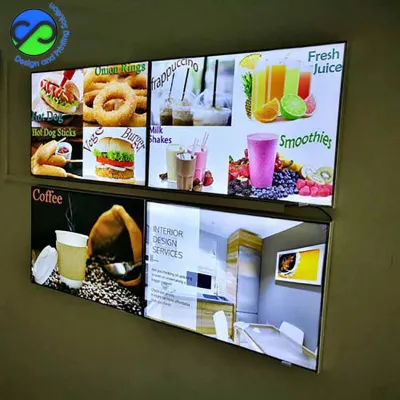
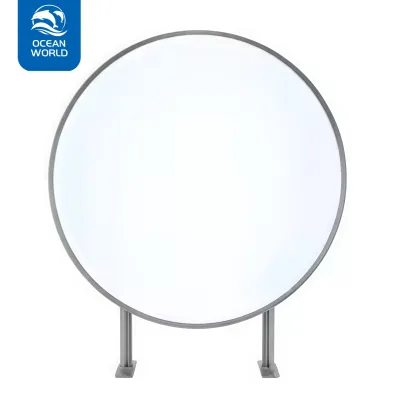
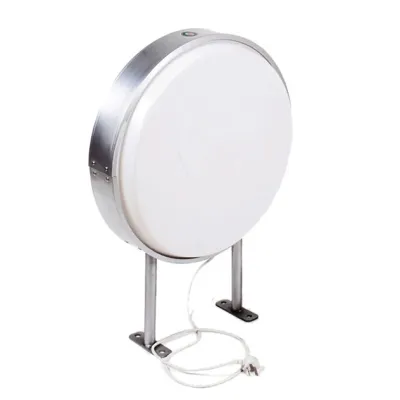

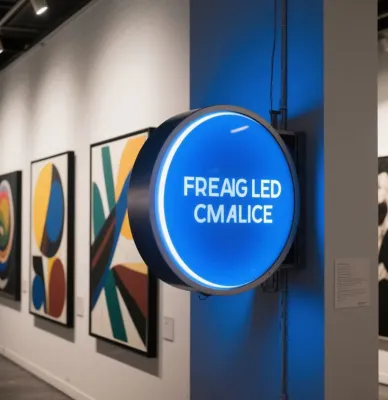
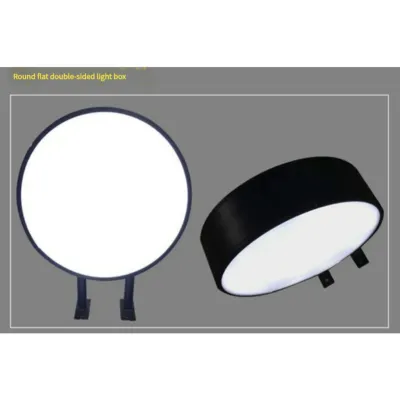
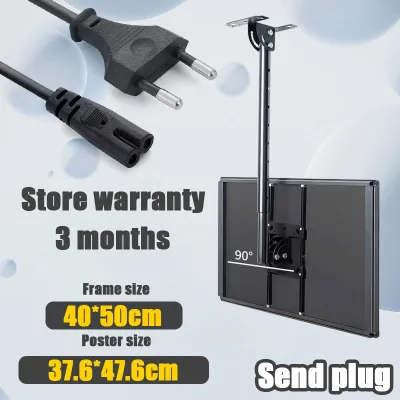
Prices are valid at publication and may change. Please refer to the product page for the latest price.
While standard rectangular and square light boxes remain the most cost-effective options, modern fabrication allows for circular, oval, or custom die-cut silhouettes that trace the outline of your brand logo. Keep in mind that complex, irregular shapes often require specialized aluminum or acrylic framing, which can increase production times and overall costs.
Viewing distance is another critical factor in determining the scale of your custom signage. As a general guideline, every 10 millimeters of letter height provides optimal legibility from a distance of approximately one meter. If your light box is positioned high on a storefront facade, the text and graphic elements must be scaled up significantly to remain readable to passing motorists and pedestrians.
For residential settings, such as apartments and condominiums, spatial proportions require careful calibration to avoid overwhelming the room. Large, heavy signs can pose a safety hazard if mounted improperly. You must verify the load-bearing capacity of your walls—especially if dealing with lightweight drywall or gypsum board common in modern high-rises—and select a lightweight frame material, such as thin acrylic or aluminum, to keep the installation secure.
Lighting Types, Color Temperatures, and Smart Controls
The internal lighting technology determines how your signage light box glows and how much energy it consumes. LED backlit boxes utilize arrays of light-emitting diodes positioned directly behind the face panel, providing exceptionally even illumination across large surfaces, though they require a deeper box profile. In contrast, edge-lit acrylic boxes place the LEDs along the frame’s inner border, resulting in an ultra-slim profile that is perfect for high-contrast, laser-engraved graphics.

Integrating flexible LED neon tubes, often called neon flex, within or around your light box adds a retro, artistic flair that is highly popular for ambient room decor. Neon flex provides the classic look of traditional glass neon but operates at a fraction of the power, generates minimal heat, and is highly resistant to impact damage.
Color temperature, measured in Kelvin (K), defines the visual warmth of the light and should be chosen based on your desired atmosphere. Warm white light, ranging from 2700K to 3000K, creates a cozy, inviting ambiance suitable for residential bedrooms, living rooms, and boutique cafes. Cool white or daylight options, ranging from 4000K to 6000K, offer crisp, high-contrast visibility that maximizes readability for commercial branding and outdoor storefronts.
If you want dynamic lighting, consider incorporating RGB (Red, Green, Blue) LEDs or smart controllers. These systems allow you to change colors, adjust brightness levels, or program flashing patterns using a physical remote control or a smartphone application. Dimmable options are particularly useful for indoor ambient signs, allowing you to transition the light box from a bright daytime display to a soft nightlight.
Before finalizing any electrical specifications, you must verify that the power supply, drivers, and transformers are rated for the standard electrical grid in the Philippines, which operates at 220V and 60Hz. Using components designed for other voltages without a proper transformer can cause flickering, premature LED failure, or electrical hazards. Always look for certifications such as the Philippine Standard (PS) mark or Import Commodity Clearance (ICC) on electrical parts.
Face Materials, Frames, and Graphic Printing Methods
The face of your light box serves as the canvas for your graphics and directly influences how light is diffused. Acrylic is the industry standard for indoor and semi-outdoor signs because it offers excellent light transmission, vibrant color reproduction, and a high-gloss finish. For high-traffic areas or outdoor environments prone to accidental impacts, polycarbonate is a tougher alternative that provides superior impact resistance, though it can be slightly more expensive.
Do not assume that material names alone guarantee long-term durability. When ordering, you must explicitly check the manufacturer’s specifications to ensure the face material is treated with UV inhibitors, which prevent yellowing, clouding, and embrittlement under intense tropical sunlight.
The frame finish completes the aesthetic of your custom sign and provides structural rigidity. Brushed aluminum and stainless steel frames offer a sleek, professional look that resists corrosion, making them ideal for coastal regions and high-humidity areas. Frameless designs, which feature a continuous acrylic face wrapped around the edges, offer a modern, seamless appearance that works beautifully for minimalist interior decors.
Your choice of graphic application determines how your logo or artwork is displayed. Direct UV printing applies cured ink directly to the acrylic face, offering outstanding color vibrancy and resistance to fading. Translucent vinyl decals are an excellent, cost-effective option for simple vector logos and allow for easy graphic updates in the future. Laser engraving, on the other hand, carves the design directly into the panel, causing the edge-lit light to catch the etched grooves for a sophisticated, glowing effect.
Given the tropical climate of the Philippines, high humidity and ambient heat can degrade low-quality adhesives and inks over time. Ensure your fabricator uses marine-grade adhesives, outdoor-rated vinyl, and moisture-resistant backing materials to prevent peeling, bubbling, or warping near open windows, balconies, or outdoor entryways.
Power Sources, Mounting, and Installation Safety
A successful custom signage installation requires a practical power source and a secure mounting strategy. Standard plug-in configurations offer the greatest convenience for renters and temporary setups, allowing you to connect the light box directly to any nearby wall outlet. For a cleaner, more seamless look, hardwired installations hide all wiring behind the wall, though this requires routing cables through the wall cavity. Battery-operated options exist for small, portable novelty signs, but they generally offer limited brightness and require frequent recharging or battery replacements.
Mounting hardware must be selected based on the weight of the light box and the structure of the wall. Standoff spacers create a stylish gap between the sign and the wall, allowing backlighting to spill onto the surrounding surface for a soft halo effect. Flush hanging brackets or VESA-compatible mounts are ideal for securing larger, heavier boxes flat against concrete or wooden studs.
Safety must always be your top priority during installation. For any hardwired setup, heavy suspended load, or installation in damp areas, always turn off the main electrical breaker before beginning work. If you are mounting a large sign at a height, or if you are unsure about the load-bearing capacity of your drywall, do not guess. Consult a qualified contractor or a professional electrician to ensure the sign is anchored safely and wired in compliance with the Philippine Electrical Code.
Frequently Asked Questions (FAQ)
Can I use a custom signage light box outdoors in the Philippines?
Outdoor installations require specialized weatherproofing to withstand heavy monsoon rains and high tropical temperatures. You must verify that the light box has an appropriate Ingress Protection (IP) rating—typically IP65 or higher—which certifies that the enclosure is dust-tight and protected against water jets. Additionally, confirm that the manufacturer provides an outdoor-rated warranty and uses UV-stabilized face materials to prevent the graphics from fading rapidly under intense sunlight.
How do I clean and maintain an acrylic light box face?
To keep your acrylic light box looking pristine, use only low-risk, reversible cleaning methods. Gently wipe the surface with a clean, dry microfiber cloth to remove loose dust. For fingerprints or light smudges, dampen the cloth with a mixture of mild, pH-neutral soapy water, wipe gently, and dry with a separate microfiber cloth. Never use abrasive sponges, paper towels, ammonia, or harsh glass cleaners, as these chemicals can cause micro-scratches, clouding, or chemical cracking on the acrylic surface.
Community discussion
Share your experience or ask a question. Comments are reviewed before publication.