
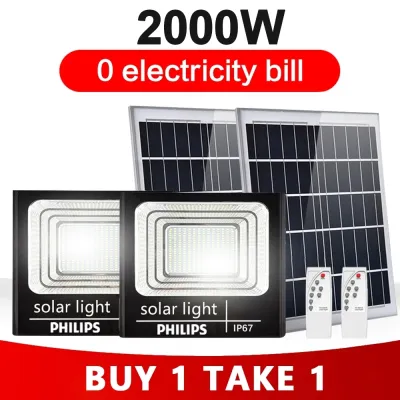
When browsing online marketplaces for outdoor lighting, you will often encounter listings featuring eye-catching titles like “3000W Solar Light.” To a homeowner looking to illuminate a dark driveway or backyard, this number suggests immense, blinding power. However, in the world of solar-powered lighting, a “3000W” rating does not mean the fixture actually draws 3000 watts of electrical power from its battery. Instead, this figure is a marketing term used to indicate equivalent brightness or simply to serve as a model series name. Understanding what these numbers truly represent is essential for making an informed purchase and avoiding unrealistic expectations.
What '3000W' Actually Means on Solar Flood Lights
To understand solar flood light specifications, it is important to distinguish between actual power consumption and equivalent marketing wattage. In traditional wired lighting, wattage directly measures how much electricity a bulb consumes from the grid. A true 3000W wired halogen setup draws a massive amount of current and requires heavy-duty electrical wiring. For a standalone solar light, drawing a continuous 3000W from an internal battery is physically impossible. Such a load would drain a standard residential solar battery in seconds and would require a solar panel array the size of a residential roof just to recharge.
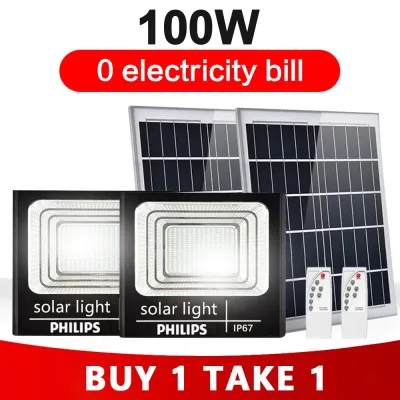
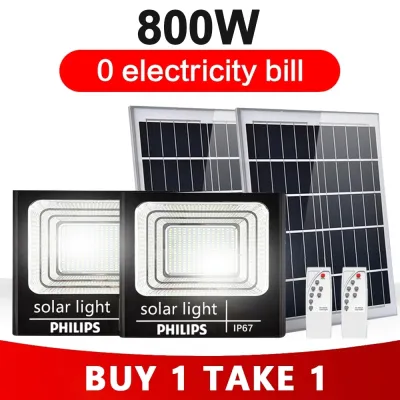
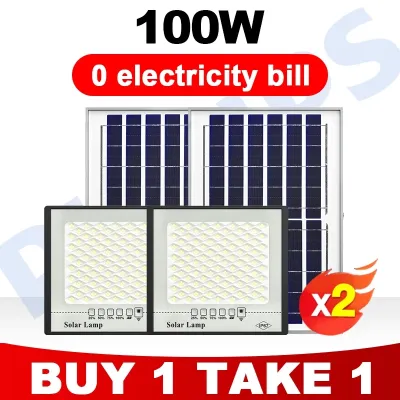
Instead, manufacturers of solar flood lights use these high wattage numbers as a comparative marketing tool. The rating is often intended to suggest that the light output is comparable to an older, highly inefficient incandescent or halogen bulb, though these comparisons are rarely standardized. On many e-commerce platforms, “3000W” or “MAX Bright” labels function primarily as model identifiers or series names within a brand’s product lineup. When shopping, you should treat these ultra-high wattage claims as general product names rather than strict electrical specifications.
Products mentioned in this guide
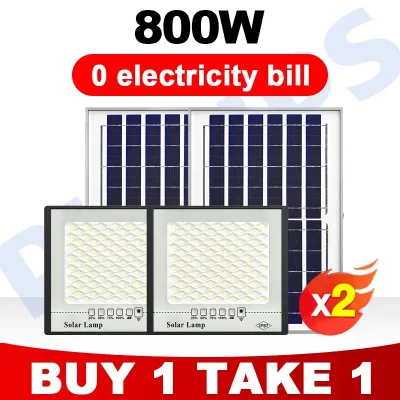
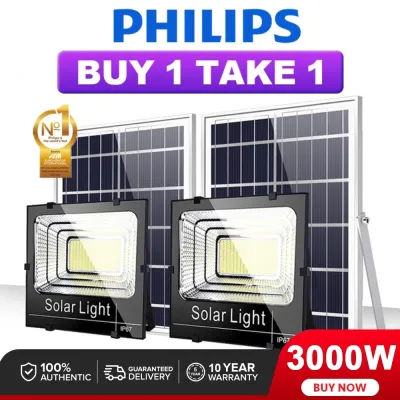
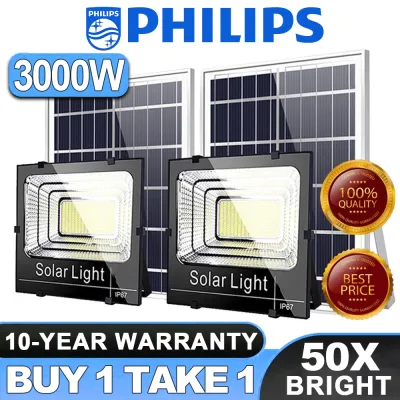
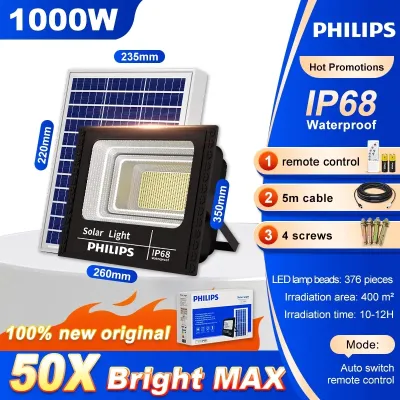
Prices are valid at publication and may change. Please refer to the product page for the latest price.
Real Metrics to Check for True Brightness and Runtime
To find a solar light that delivers genuine performance, you must look past the marketing titles and verify the actual hardware specifications on the product label or user manual.

Luminous Flux (Lumens): Lumens (lm) are the only true measure of visible light output. A higher lumen rating means a brighter light. Instead of relying on wattage claims, check the technical specifications for the rated lumens. A reliable outdoor solar flood light typically delivers between 1,000 and 5,000 lumens of actual light output, which is highly effective for residential security and pathway illumination.
Battery Capacity and Voltage: The runtime and brightness of your light depend heavily on the internal battery. Look for the battery capacity, usually measured in milliampere-hours (mAh) or Watt-hours (Wh), along with the operating voltage (such as 3.2V or 3.7V). A larger battery capacity allows the light to run at higher brightness levels for longer periods. Without sufficient battery storage, even the most efficient LEDs will dim quickly after a few hours.
Solar Panel Wattage and Dimensions: The solar panel is responsible for replenishing the battery daily. Check the panel’s rated power output, measured in peak watts (Wp), and its physical dimensions. A small, low-wattage panel cannot generate enough electricity to fully charge a high-capacity battery, especially on overcast days. Ensure the panel size is proportional to the battery capacity to guarantee reliable daily operation.
Verifying Hardware and Build Quality
The physical construction of a solar flood light determines how well it performs and how long it lasts in challenging outdoor environments.
LED Chip Configuration: The number, size, and layout of the LED chips directly influence light distribution. Fixtures with dense arrays of modern light-emitting diodes or Chip-on-Board (COB) configurations generally offer better light spread and thermal efficiency.
Heat Dissipation: High-power LEDs generate significant heat during operation. If this heat is not dissipated, the LEDs and internal circuitry will degrade rapidly. Look for flood lights constructed with durable aluminum housings or integrated metal heat sinks rather than thin, fully enclosed plastic casings. Aluminum is highly effective at drawing heat away from sensitive components, ensuring long-term durability.
Ingress Protection (IP) Rating: Outdoor lights must withstand harsh weather conditions. In tropical climates like the Philippines, heavy rainfall, high humidity, and dust can easily penetrate poorly sealed fixtures. Always verify the Ingress Protection (IP) rating on the product specifications. An IP65 rating indicates protection against water jets and dust, while an IP67 rating offers even greater resistance to heavy downpours.
Electrical and Installation Safety: If your installation requires working at heights, mounting heavy fixtures, or connecting external wiring to a separate solar panel, always follow the manufacturer’s installation instructions carefully. Ensure the mounting bracket is securely anchored to withstand strong winds. For any complex setups involving fixed electrical integration or structural modifications, consult a qualified professional to ensure safety and compliance.
Choosing the Right Setup for Your Outdoor Space
To get the most out of your solar flood light, you must match its physical capabilities to the specific layout of your outdoor space.
Mounting Height and Angle: The height at which you install the light affects both the coverage area and the intensity of the light on the ground. Mounting a light too high will spread the beam wider but reduce the perceived brightness. Adjust the bracket angle to direct the light precisely where it is needed, such as over driveways, gates, or dark pathways.
Lighting Purpose and Settings: Determine whether you need continuous illumination or security lighting. For general area lighting, a steady, lower-output mode is ideal to conserve battery. For security purposes, choose a fixture equipped with a Passive Infrared (PIR) motion sensor. This allows the light to remain in a dim, energy-saving mode until motion is detected, at which point it switches to maximum brightness.
Sunlight Exposure: The performance of any solar light is entirely dependent on its solar panel’s exposure to direct sunlight. Avoid installing the panel under roof eaves, trees, or in areas shaded by adjacent buildings. In the Philippines, positioning the solar panel to face south or at an angle that maximizes daily sun exposure ensures the battery receives a full charge even during the rainy season.
Color Temperature Preferences: Solar lights are available in various color temperatures, typically ranging from warm white to cool daylight. While cool daylight is often preferred for security because of its crisp visibility, warm white offers a softer, more decorative effect for gardens and patios. Choose the color temperature that best suits your aesthetic and functional preferences.
Frequently Asked Questions (FAQ)
Can a solar flood light really replace a 3000W wired halogen bulb?
No, a standalone solar flood light cannot match the raw, continuous light output of a true 3000W wired halogen fixture, which requires massive grid power and produces tens of thousands of lumens. However, solar flood lights are highly effective, cost-efficient alternatives for residential security, pathway lighting, and general outdoor illumination without adding to your monthly electricity bill.
How do I know if the battery will last through the night?
To estimate if a solar light will last until dawn, check the battery capacity and the light’s operating modes. Using energy-saving features, such as motion-activated sensors or automatic dimming timers (e.g., reducing brightness to 30% after midnight), significantly extends battery life, ensuring reliable operation throughout the night even after a cloudy day.
Community discussion
Share your experience or ask a question. Comments are reviewed before publication.