
The main difference between a desk lamp and a bedside reading lamp lies in their primary function: desk lamps are engineered for high-intensity, focused task lighting to boost productivity, while bedside reading lamps are designed for localized, low-glare illumination that promotes relaxation. Choosing between them depends on whether you need to illuminate a wide workspace for active writing and typing, or require a gentle, targeted beam for winding down in bed without disturbing a partner.
In many homes across the Philippines, where bedrooms often double as study spaces or home offices, understanding these distinctions helps prevent eye strain. Selecting the correct fixture ensures your lighting matches your room’s layout, ambient humidity, and daily habits.
Core Functional and Design Differences
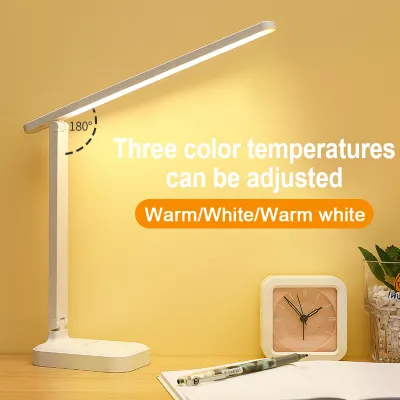
A desk lamp serves as a dedicated task light. It is built to project a bright, concentrated beam downward onto a flat surface, making it ideal for reading documents, writing, or working on a computer. Because task work requires sustained focus, these lamps typically feature opaque shades made of metal or dense plastic to prevent light from spilling sideways into your eyes.
Products mentioned in this guide
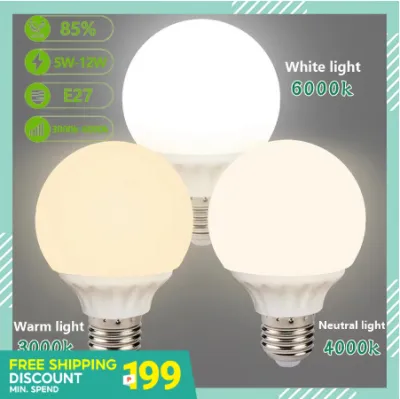
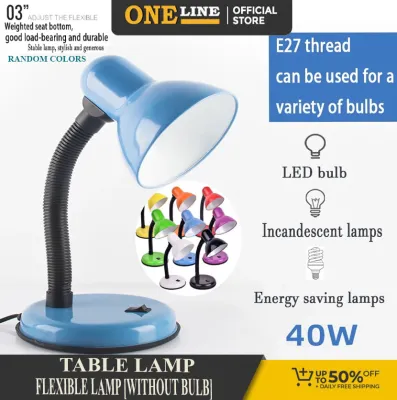
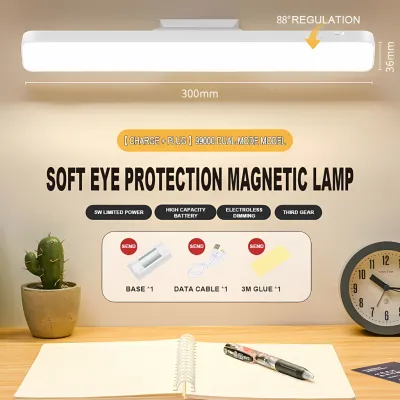
Prices are valid at publication and may change. Please refer to the product page for the latest price.
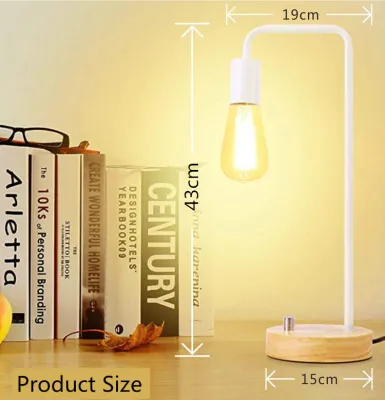
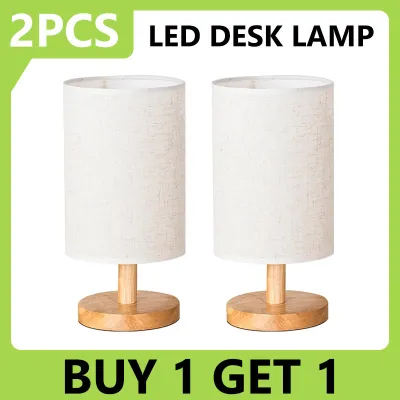
In contrast, a bedside reading lamp is designed for comfort and transition. Its primary job is to provide enough light to read a book in a reclined or semi-reclined position without over-illuminating the entire bedroom. The light distribution is softer, often diffused through fabric, frosted glass, or specialized paper shades that scatter a warm glow throughout the immediate sleeping area.
The physical form factors of these two categories reflect their distinct environments. Desk lamps often feature heavy, weighted bases or clamp mechanisms to remain stable when you adjust their articulated arms. Bedside lamps tend to have lighter, more decorative bases that sit permanently on a nightstand, prioritizing aesthetic integration over mechanical movement.
Switch placement is another critical design divergence. Desk lamps usually position their power switches on the base or along the upper arm for quick access while seated. Bedside reading lamps, however, prioritize effortless reach from a lying position, frequently utilizing inline cord switches, pull chains, or touch-sensitive bases that eliminate the need to fumble in the dark.
Key Comparison Dimensions for Your Space
Selecting the right fixture requires looking beyond simple aesthetics to evaluate how a lamp interacts with your physical environment. In tropical climates, where open windows and ceiling fans are common, factors like dust accumulation on open shades and the stability of lightweight bases under air currents also come into play. To find the perfect match, you must analyze three core dimensions: how the light is distributed, how the fixture adjusts, and how much physical space it occupies.

Light Distribution and Glare Control
Desk lamps generally employ a narrow beam angle to concentrate light directly onto your paperwork or keyboard. This focused beam minimizes shadows on your workspace but can create harsh contrast if the rest of the room is dark. To mitigate this, look for desk models with adjustable heads that allow you to angle the light source away from your direct line of sight.
Bedside reading lamps require a more balanced approach to glare control. Because you are often looking upward or sideways while reading in bed, an exposed bulb can cause immediate eye fatigue. High-quality bedside fixtures often incorporate built-in diffusers, frosted glass covers, or deep fabric shades that shield the bulb from direct view, ensuring only soft, scattered light reaches your eyes. When shopping, check the manufacturer’s specifications to confirm if the fixture includes these glare-reducing elements.
Adjustability and Ergonomics
Ergonomics dictate how comfortable you will remain during extended reading or working sessions. A high-quality desk lamp typically features multi-jointed, articulated arms and swivel heads. This extensive range of motion allows you to position the light source precisely where you need it, preventing you from hunching over your desk or dealing with annoying screen reflections.
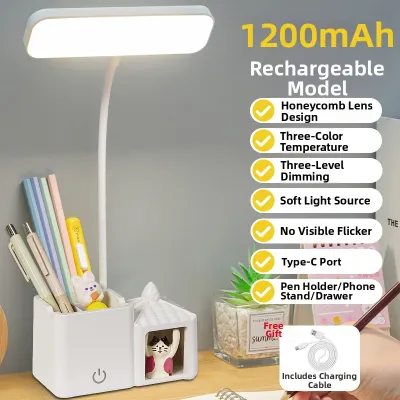
Bedside reading lamps, on the other hand, often feature fixed necks or minimal adjustability, such as a simple flexible gooseneck. Because your reading position in bed is relatively static, you do not need the complex mechanical joints of a drafting lamp. Instead, you must verify the lamp’s height relative to your mattress. Ideally, the bottom of the lampshade should sit at roughly eye level when you are sitting up against your headboard, preventing the bulb from shining directly into your eyes while still illuminating your book.
Aesthetic and Space Constraints
Before making a purchase, measure the available surface depth of your nightstand or desk. Desk lamps with wide, heavy bases or long articulating arms require a clear radius to move freely without knocking over office supplies or electronics. If your desk is compact, a clamp-on desk lamp or a model with a highly compact base is often the most practical choice.
Bedside tables in modern homes are often compact, leaving limited space alongside essentials like phones, glasses, or a glass of water. A bedside lamp should have a modest footprint that leaves ample room on the nightstand surface. Additionally, consider how the materials and colors complement your room’s decor; warm wood, brass, or matte ceramic finishes often enhance the cozy, relaxing atmosphere of a bedroom, whereas sleek aluminum or matte black finishes fit the productivity-focused vibe of a home office.
Decision Framework: Which Lamp Fits Your Routine?
To determine which lamp type best suits your daily routine, evaluate your primary activities in the space. If your evening routine consists of focused study, remote work, drafting, or detailed crafting, a dedicated desk lamp is the correct choice. Its bright, adjustable illumination is specifically engineered to reduce eye strain during active, high-concentration tasks.
Conversely, if your primary goal is to wind down before sleep, read a few chapters of a novel, or navigate your bedroom safely in the middle of the night, a bedside reading lamp is the superior option. Its diffused, low-intensity light creates a calming environment that signals to your brain that it is time to rest, while its localized beam ensures you do not wake a sleeping partner.
For spaces that serve dual purposes—such as a studio apartment or a bedroom with a desk placed right next to the bed—you may require a hybrid solution. In these scenarios, look for a highly adjustable desk lamp that features built-in dimming capabilities and adjustable color temperature settings. By checking the product labels, you can find models that transition from a bright, cool white light for daytime work to a dim, warm amber glow for nighttime reading.
Installation, Power, and Safety Checks
Before finalizing your purchase, you must verify that the lamp’s electrical specifications match local standards in the Philippines. Ensure the product label specifies compatibility with a 220V voltage rating and a 60Hz frequency. Using a lamp designed solely for 110V without a proper transformer can damage the fixture or pose a serious fire hazard. Additionally, check that the plug type matches your wall outlets, which typically accept Type A or Type B flat-prong plugs.
Cord management is another vital safety consideration, particularly in compact rooms. Review the cord length listed on the packaging to ensure it can easily reach your outlet without stretching tightly across walkways or behind heavy furniture, which can create tripping hazards or damage the cord over time. For bedside lamps, ensure the cord is routed away from the bedframe to prevent it from being pinched or frayed by movement.
Heat dissipation is a critical safety check, especially for lamps placed near flammable bedding, curtains, or enclosed wooden shelves. Inspect the manufacturer’s label for maximum wattage limits and heat warnings. If you plan to use traditional incandescent or halogen bulbs, keep in mind that they generate significant heat; switching to compatible LED bulbs is highly recommended to keep operating temperatures low and reduce energy consumption.
Finally, if you are considering a more permanent lighting upgrade, such as installing wall-mounted swing-arm reading lights or hardwired bedside sconces, safety must come first. Always isolate the power at your main circuit breaker before attempting any electrical work. If you are planning to modify your home’s existing wiring or install new wall switches, stop and consult a qualified professional electrician to ensure the installation complies with the Philippine Electrical Code.
Frequently Asked Questions (FAQ)
Can I use a desk lamp as a bedside reading lamp?
Yes, you can use a desk lamp as a bedside reading lamp, but you will need to manage a few practical trade-offs. Desk lamps are often significantly brighter and emit a cooler, more stimulating light than traditional bedside fixtures, which can disrupt your sleep cycle. Additionally, their bulky, articulated arms and heavy bases may overcrowd a small nightstand. If you choose to repurpose a desk lamp for your bedside, select a model with a dimming feature and insert a warm-toned LED bulb to create a more relaxing atmosphere.
What bulb color temperature is best for reading in bed?
For reading in bed, a warm color temperature between 2700K and 3000K is highly recommended. This warm, yellowish light mimics the sunset, helping your body produce melatonin and prepare for sleep, unlike the cool blue light (5000K to 6500K) typically used for daytime desk work. When selecting a bulb, always check the lamp manufacturer’s label to verify the maximum compatible wattage and the correct base type (such as E27 or E14) to ensure a safe and proper fit.
Community discussion
Share your experience or ask a question. Comments are reviewed before publication.