
Quick Answer: Which Bedside Lamp Fits Your Setup?
Choosing the right bedside light depends on your physical sleeping environment, your headboard design, and whether you have a dedicated nightstand. If you have a spacious bedside table and prefer a classic look with a wide, adjustable reach, a desk lamp with stand is generally the more stable and versatile choice. Conversely, if you are dealing with limited space, lack a nightstand, or prefer reading directly under a focused beam clamped to your headboard, a clip-on lamp offers unmatched space efficiency.
Both options serve the primary goal of illuminating your book or e-reader without causing eye strain, but they handle physical space very differently. A freestanding lamp relies on gravity and a heavy base, making it ideal for flat, sturdy surfaces. A clip-on lamp relies on mechanical tension, making it perfect for vertical or horizontal edges like headboards, bed frames, or nearby floating shelves.
Stability and Nightstand Footprint
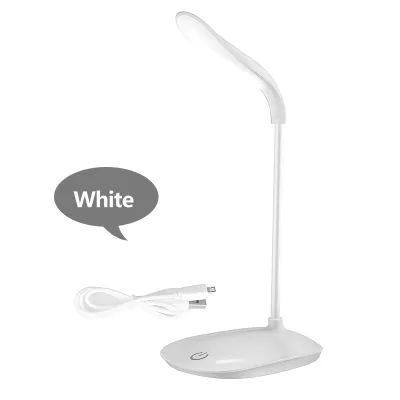
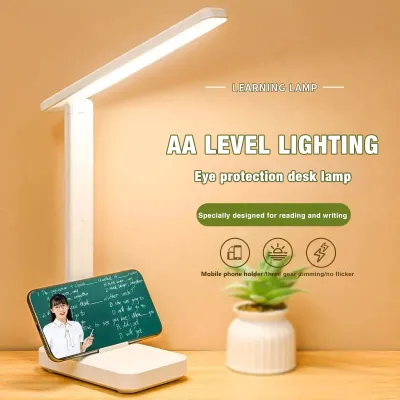
A standard desk lamp with stand requires a dedicated, flat surface to remain upright. The base of these lamps is typically weighted to prevent tipping, but this weight requires a nightstand that can comfortably support both the lamp’s footprint and any other bedside essentials. When evaluating your nightstand, check that the surface area is wide enough so the lamp base does not sit too close to the edge, where a stray hand in the dark could easily knock it over.
Products mentioned in this guide
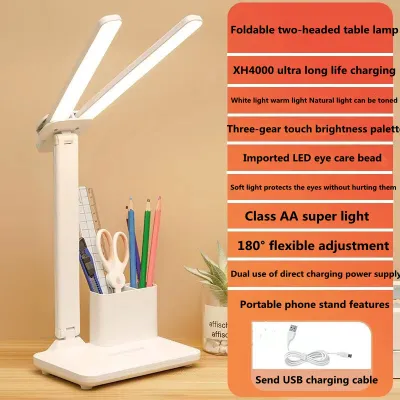
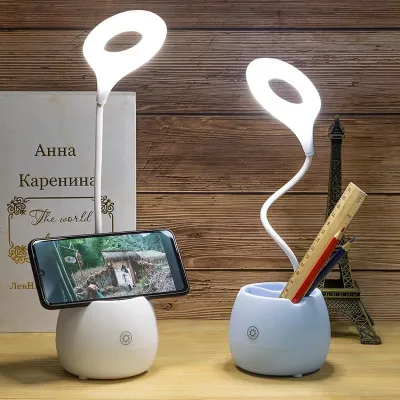
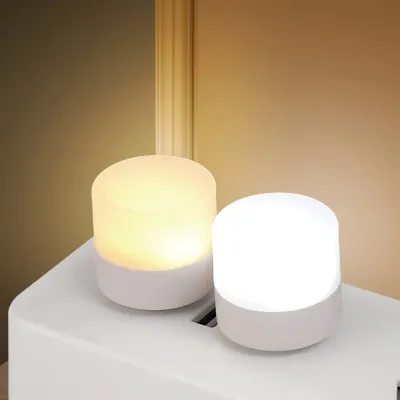
Prices are valid at publication and may change. Please refer to the product page for the latest price.

Tipping risks are a major consideration for freestanding lamps, especially in active households. Accidental bumps during sleep, curious pets, or even strong drafts from a nearby ceiling fan can destabilize a top-heavy lamp. If your bedside table is small, cluttered, or prone to movement, a heavy desk lamp with stand might pose a constant hazard to nearby items like water glasses or mobile phones.
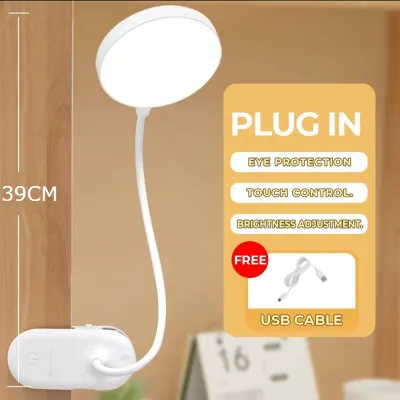
In contrast, a clip-on lamp bypasses the need for flat surface space entirely by securing directly to an existing structure. However, this mechanism introduces its own set of stability checks. A clip-on lamp relies on a spring-loaded or screw-tightened clamp, which must match the thickness and material of your mounting surface.
Slippage is the primary risk for clip-on models. If clamped to a highly polished, varnished wooden headboard or a slick metal frame, the clamp can lose its grip over time and slide downward. To prevent this, look for clamps lined with non-slip rubber or foam padding, which increases friction while protecting your furniture from scratches.
Positioning Flexibility and Reading Angles
Achieving the perfect reading angle is crucial for preventing neck strain and eye fatigue during late-night reading sessions. A desk lamp with stand often excels in reach and articulation. Many models feature multi-jointed swing arms or flexible goosenecks that allow you to pull the light source close to your book and then push it away when you are finished.
This extensive reach is particularly beneficial if you change sleeping positions frequently or prefer to read while sitting upright against a pile of pillows. You can easily adjust the height of the light source to keep it below eye level, ensuring the bulb does not shine directly into your eyes while you look down at your page.
Clip-on lamps offer a different kind of flexibility that is highly dependent on where they are mounted. Because they must be clamped to a fixed edge, their starting point is limited by your bed’s architecture. If your headboard is low or angled, a clip-on lamp might sit too close to your head, creating localized heat or a cramped reading zone.
Furthermore, clip-on lamps generally have shorter arms and smaller shades to keep them lightweight and prevent the clamp from sagging under a heavy load. While gooseneck clip-ons offer excellent localized pivoting, their overall reach is limited. You must ensure the clamp can be positioned in a spot that allows the light to cast an even pool over your reading material without casting shadows from your own head or shoulders.
Adapting to Your Bed Setup and Space Constraints
Your bedroom layout is often the deciding factor between these two lighting styles. In many homes, especially compact urban apartments or bedrooms with minimalist layouts, there may not be room for a traditional nightstand. If you read directly from a bed positioned flush against a wall, a clip-on lamp clamped to the headboard or a nearby wall-mounted shelf is an incredibly efficient way to bring light into the space.
If you do have a headboard, you must evaluate its compatibility before choosing a clip-on model. Measure the thickness of the wood, metal, or upholstered panel. Many standard spring clamps only open up to five centimeters, which may not fit thick, padded, or decorative wooden headboards. Additionally, rounded or highly irregular headboard shapes can prevent a flat clamp from securing a safe, level grip.
Cord management is another critical safety and aesthetic consideration for both setups. A desk lamp with stand usually has its cord running directly down to the tabletop and behind the nightstand, keeping it neatly tucked away. A clip-on lamp mounted high on a headboard will have its power cord dangling down the back or side of the bed.
Ensure that the cord is long enough to reach your wall outlet without being stretched taut, which can create a tripping hazard or pull the lamp loose. In humid tropical climates where wall outlets might be shared with fans or air conditioning units, avoid overloading extension cords and ensure all cables are routed away from high-traffic walking paths around the bed.
Light Quality, Glare, and Adjustability Checks
Regardless of the mounting style you choose, the quality of the light is what ultimately protects your eyes during nighttime reading. Look for lamps that offer adjustable brightness levels, often referred to as dimming capabilities. Being able to lower the light intensity as you get closer to sleep helps signal to your brain that it is time to wind down.
Color temperature adjustability is equally important. For reading in bed, a warm white or amber light (typically between 2700K and 3000K) is highly recommended. Avoid cool blue or bright daylight tones, which can disrupt your natural sleep cycle. Many modern LED lamps of both styles offer built-in controls to switch between warm, neutral, and cool light modes.
If you share a bed, shade design and beam angle are vital to maintaining peace. A lamp with a narrow, focused shade or a highly directional beam allows you to illuminate your book without spilling bright light onto your partner’s side of the bed. Swing-arm desk lamps and flexible clip-ons both allow you to angle the shade downward to contain the light spill.
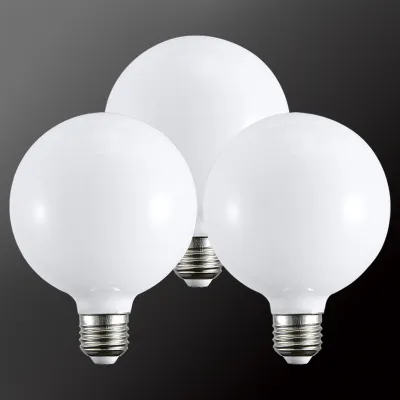
Before purchasing, always verify the electrical specifications on the product label. Check the maximum wattage limit and the compatible bulb base type, such as the standard E27 screw base common in the Philippines. Ensure the lamp is rated for your local household voltage (typically 220V) to prevent electrical hazards or premature bulb failure.
Final Decision Framework: Stand vs Clip-On
To help you make your final choice, use the following checklists to match your bedroom setup with the ideal lamp type.
Choose a desk lamp with stand if:
- You have a stable, flat nightstand or bedside table with ample surface space.
- You want a classic decorative piece that complements your bedroom furniture.
- You require a wide range of physical movement, height adjustment, and reach.
- Your headboard is too thick, padded, or rounded to accommodate a clamp.
- You prefer a heavier, permanent fixture that does not rely on clamping tension.
Choose a clip-on lamp if:
- You do not have a nightstand or your bedside table is highly cluttered.
- You want to save surface space for other items like water, phones, or books.
- Your bed has a sturdy, flat headboard or a nearby shelf within clamping range.
- You prefer a lightweight, portable lighting solution that can be easily moved.
- You want a highly focused, localized beam of light close to your reading material.
Verify first if:
- The clamp opening width matches your headboard thickness (for clip-ons).
- The base weight and footprint fit safely on your nightstand without overhang (for stands).
- The power cord is long enough to reach your nearest wall outlet safely.
- The voltage rating matches your local 220V electrical supply.
- The lamp shade effectively blocks direct glare from your line of sight while lying down.
Frequently Asked Questions (FAQ)
Can I use a desk lamp with stand on a small floating shelf?
Yes, but you must exercise extreme caution regarding weight distribution and shelf depth. Before placing a freestanding lamp on a floating shelf, measure the shelf’s depth to ensure the entire lamp base fits securely with room to spare; no part of the base should overhang the edge. Check the manufacturer’s weight capacity for the shelf, as heavy metal or ceramic bases can strain wall anchors over time. Additionally, ensure the shelf is mounted securely to wall studs to prevent vibrations from ceiling fans or nearby doors from causing the lamp to slide or tip off the edge.
Will a clip-on lamp damage my wooden headboard?
A clip-on lamp can scratch, dent, or strip the finish off a wooden headboard if it lacks proper protective features. To prevent damage, always choose a lamp with thick rubber, silicone, or felt padding on the inside of the clamping jaws. Avoid over-tightening screw-style clamps, as excessive pressure can crush wood fibers or crack delicate veneers. If you must use a clamp without built-in padding, place a small piece of soft cloth or a felt furniture pad between the clamp and the wood surface to act as a protective barrier.
Community discussion
Share your experience or ask a question. Comments are reviewed before publication.