
Rare mirrors—such as oversized arched designs, multi-panel windowpane mirrors, and organic asymmetrical shapes—create the best illusion of depth and space by manipulating sightlines, bouncing ambient light, and breaking up rigid wall boundaries. To achieve this effect, you must match the mirror’s specific geometry and frame style to your room’s unique architectural limitations. Simply hanging any reflective surface will not guarantee a spacious feel; the magic lies in how the glass interacts with your specific layout.
Assessing Your Room's Spatial Limitations
Before purchasing a rare mirror, you must diagnose the exact spatial bottlenecks of your room. Start by evaluating your natural light sources and window placements. In tropical climates like the Philippines, natural light can be intense during the day but often fails to reach deep, recessed corners of high-density condominiums or traditional townhouses. Note where the shadows fall during the afternoon, as these dim zones are prime candidates for reflective intervention.
Next, take precise measurements of your ceiling height and floor width. Narrow corridors, tight entryways, and cramped pathways require a different visual solution than a wide room with a low ceiling. If you place a wide horizontal mirror in a room that already suffers from a low ceiling, you might inadvertently emphasize the compressed vertical space.
Products mentioned in this guide
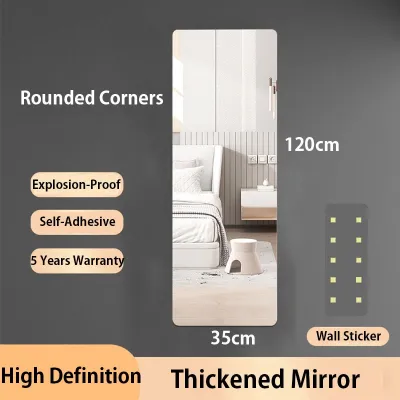
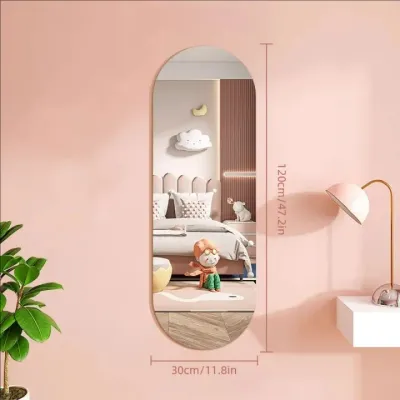
Prices are valid at publication and may change. Please refer to the product page for the latest price.
Finally, identify your existing focal points and large furniture pieces. Bulky wardrobes, dark wooden entertainment units, or large sofas can compete with a statement mirror. If a mirror is positioned where it reflects the back of a large cabinet or a cluttered utility shelf, it will double the visual noise rather than opening up the room.
Matching Rare Mirror Styles to Your Diagnosed Space Issues
Once you understand your room’s physical limitations, you can select a rare mirror style that directly addresses those issues. The key is to treat the mirror as an architectural extension rather than a mere decorative accessory.

Frame design plays a critical role in how your brain perceives the boundary of a room. Thick, dark, or heavily carved wooden frames carry significant visual weight, which can make a small room feel even more enclosed. Conversely, ultra-thin metal frames, beveled edges, or completely frameless designs allow the reflection to blend seamlessly with the surrounding wall, tricking the eye into seeing a continuous space. If your room is already filled with diverse textures and decor, avoid highly ornate frames that contribute to visual clutter, and opt instead for clean, minimalist geometries.
Expanding Narrow or Cramped Floor Plans
Narrow hallways and cramped living areas benefit immensely from horizontal or oversized floor-leaning mirrors. A long, horizontal mirror stretches the perceived width of a wall, making a tight corridor feel twice as wide. Alternatively, a large, rare floor mirror leaning casually against a wall creates a relaxed, open atmosphere while reflecting a broad sweep of the floor plan.
However, placement is everything. You must verify what the mirror will actually reflect from key viewing angles. Ensure the mirror faces an open doorway, a window, or a neatly styled living area rather than a blank wall, a bathroom door, or a cluttered storage rack. Reflecting an open space creates a true sense of passage, whereas reflecting a blank surface simply highlights the physical limits of the room.
Lifting Low Ceilings and Adding Vertical Height
If your room suffers from a low ceiling, vertical mirror designs are your most effective tool. Tall, arched mirrors—often reminiscent of classic cathedral windows—draw the eye upward, mimicking the architectural lines of high-ceilinged spaces. The curved top of an arched mirror softens the harsh horizontal lines of a standard room, creating a gentler transition that feels more expansive.
To maximize this vertical illusion, anchor your vertical mirror close to existing architectural lines, such as door frames or structural pillars. Placing a tall mirror adjacent to a doorway extends the sightline, making the ceiling appear to lift as the eye follows the vertical frame upward. For the best results, ensure the top of the mirror sits above eye level to prevent the reflection from feeling cut off.
Brightening Dark Corners and Creating Focal Depth
Dim corners and recessed alcoves can make even a large room feel restrictive. To combat this, look for rare mirrors with specialized glass treatments, such as beveled edges or subtle multi-panel designs. Beveled edges act like prisms, catching ambient light from multiple angles and scattering it into dark corners. Multi-panel windowpane mirrors mimic the look of an actual window, creating a convincing illusion of an outdoor view where none exists.
When positioning these mirrors, place them opposite or adjacent to your primary light sources, such as a window or a stylish floor lamp. This allows the glass to capture and amplify the light without bouncing harsh, direct glare into your seating areas. Avoid placing mirrors directly opposite intense, unshaded bulbs, as the resulting glare can cause visual discomfort and ruin the relaxing ambiance of your space.
Verifying Placement and Lighting Conditions
Before drilling any holes, you must verify that your chosen placement actually delivers the desired spatial illusion. Sit in your primary seating areas—such as your sofa or dining chairs—and look toward the proposed mirror location. The reflection should offer a pleasant, balanced view of the room rather than a disorienting angle of the ceiling or a direct view of high-traffic pathways where movement might become distracting.
Next, evaluate how the mirror interacts with your artificial lighting during the evening. In local homes, many rooms rely on bright overhead LED downlights or cool-white fluorescent fixtures. A poorly positioned mirror can catch these light sources at an angle that projects blinding reflections directly into your eyes while you are trying to relax. Adjust the tilt or lateral position of the mirror until the light dispersion feels soft and indirect.
To eliminate guesswork, perform a simple pre-installation test. Cut a piece of cardboard to the exact dimensions of your chosen rare mirror, or use painter’s tape to outline its shape on the wall. Leave this template in place for a few days. This allows you to observe how the scale of the mirror fits your wall, how it interacts with the room’s natural light transitions from morning to night, and whether it interferes with daily foot traffic.
Checking Structural and Installation Safety
Oversized, rare, or heavy statement mirrors require careful structural planning to ensure they remain safely mounted. In many homes, walls are constructed from solid concrete, hollow blocks, or plaster over masonry rather than lightweight drywall. Mounting a heavy mirror on these surfaces requires specialized tools, including a hammer drill, masonry drill bits, and heavy-duty plastic or metal wall anchors. Standard nails or adhesive strips are entirely inadequate for heavy glass and can lead to catastrophic falls.
Always review the manufacturer’s weight specifications and recommended hardware before beginning the installation. If your mirror features integrated lighting or backlighting, ensure you follow proper electrical safety protocols. This includes isolating the power supply before connecting any fixed wiring, verifying the voltage and wattage limits, and ensuring the fixture carries appropriate electrical safety certifications for damp environments if installed in a bathroom.
Establish clear boundaries for your DIY capabilities. If you are working at heights, handling an exceptionally heavy or fragile piece of glass, or dealing with complex electrical wiring for a backlit mirror, stop and consult a qualified professional installer. Budgeting for professional mounting ensures your valuable mirror is securely anchored and eliminates the risk of structural damage or personal injury.
Frequently Asked Questions (FAQ)
Can a rare mirror with an antique or distressed finish still make a room look larger?
Yes, but with specific trade-offs. An antique or distressed finish diffuses light rather than reflecting it with absolute clarity. While this reduces the crispness of the depth illusion, it adds a soft, atmospheric depth that can make a wall feel less solid and more recessed. If your primary goal is maximum light amplification, clear, high-quality glass is the better choice. However, if you want to create a subtle, moody sense of mystery and depth in a dining room or bedroom, a distressed mirror works beautifully.
How do I clean and maintain large or uniquely shaped mirrors without damaging the frame?
Maintaining a large mirror requires gentle, non-abrasive techniques to preserve both the glass and the frame. In humid tropical environments, moisture can easily seep behind the edges of the glass, leading to desilverization—the dark, rusty spots that appear over time. To prevent this, never spray liquid glass cleaner directly onto the mirror. Instead, spray a small amount of ammonia-free glass cleaner or a mild water-and-vinegar solution onto a clean microfiber cloth, then gently wipe the surface. For intricate or rare frames made of wood, brass, or delicate plaster, refer to the manufacturer’s specific care instructions and use a dry, soft-bristled brush to remove dust from crevices without scratching the finish.
Community discussion
Share your experience or ask a question. Comments are reviewed before publication.