
Deciding between crafting your own Christmas balls and purchasing ready-made sets is a classic holiday dilemma. The right choice depends on how you want to balance your time, budget, and overall decorating goals for the season. While crafting offers a deeply personal touch and a chance to build family traditions, retail options provide instant convenience, polished finishes, and reliable durability.
To make the best decision, it helps to look beyond the surface appeal of each option. Crafting can sometimes cost more than expected once you factor in specialized tools, while store-bought ornaments might lack the unique character you desire for your home. By evaluating your creative skills, schedule, and storage conditions, you can choose the approach that brings the most joy and the least stress to your holiday preparations.
Core Differences Between Homemade and Ready-Made Ornaments
Understanding the fundamental trade-offs between these two methods is the first step toward a beautifully decorated tree. Crafting allows for complete creative freedom but demands a significant investment of time and patience. On the other hand, purchasing ready-made ornaments offers speed and consistency, though it limits your ability to customize individual pieces.
Products mentioned in this guide
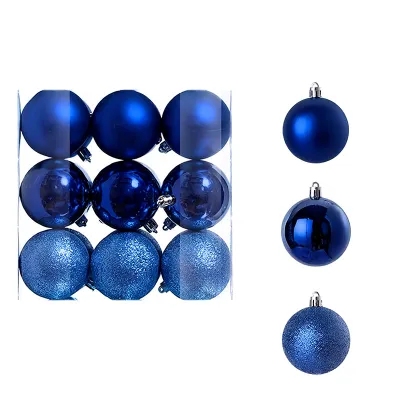
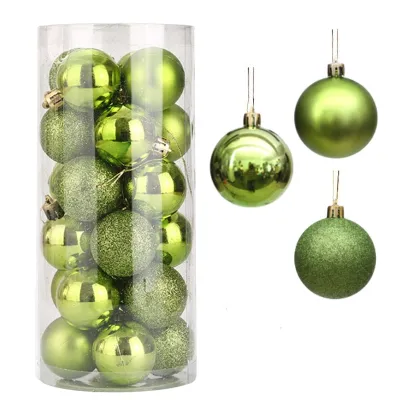
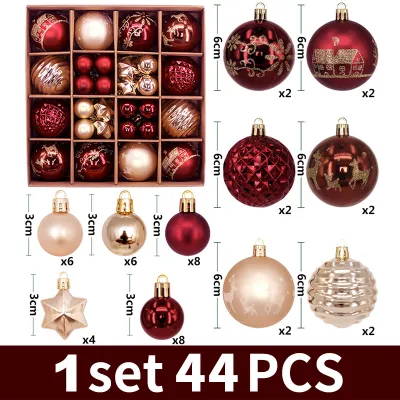
![[READY STOCK] 50Pcs Christmas Tree Decorations Balls Bauble Xmas Party Hanging Ball Ornaments Christmas for Home New Year Gift](https://img.lazcdn.com/g/p/be1fd30512ee7a3d7b11707718fe99b0.jpg_400x400q80.jpg_.webp)
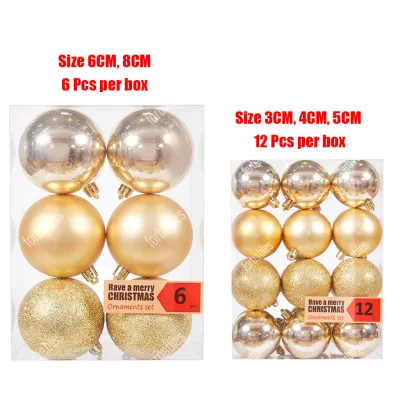
Prices are valid at publication and may change. Please refer to the product page for the latest price.
| Feature | DIY Christmas Balls | Store-Bought Christmas Balls |
|---|---|---|
| Upfront Cost | Variable; can be high if buying new tools and specialized craft supplies | Predictable; ranges from budget multi-packs to premium individual pieces |
| Time Commitment | High; requires active crafting, assembly, and drying time | Low; ready to hang immediately out of the packaging |
| Skill Level | Beginner to advanced; depends on the complexity of the chosen design | None required; simple hanging and placement |
| Design Consistency | Low; each handmade piece has unique variations and minor imperfections | High; uniform shapes, colors, and finishes across sets |
| Sentimental Value | High; serves as a keepsake or a reminder of shared family activities | Low to moderate; relies on aesthetic appeal or brand heritage |
In this context, “DIY” covers a wide range of creative activities. It can be as simple as buying plain, clear plastic baubles and filling them with glitter, paint, or dried botanicals. More involved projects might include wrapping foam spheres in rustic twine, hand-painting intricate patterns on ceramic bases, or upcycling household items like fabric scraps into festive decorations.
The store-bought spectrum is equally diverse, catering to different tastes and budgets. At one end are mass-produced plastic sets found in local department stores and online marketplaces, which are excellent for filling large trees quickly. At the other end are premium, artisan-crafted ornaments made from hand-blown glass, delicate metal, or hand-carved wood, which offer a high-end look and professional craftsmanship.
Comparing Budget and Time Investment
Many people turn to DIY projects assuming they will save money, but the actual financial investment can be surprising. While a single plain plastic bauble is inexpensive, the cost of decorating supplies quickly adds up. You must account for acrylic paints, specialized brushes, hot glue guns, adhesive sprays, glitter, and decorative ribbons. If you do not already own these basic crafting tools, your initial shopping trip can easily exceed the cost of a pre-packaged retail set.

Store-bought Christmas balls offer a more predictable pricing structure, allowing you to budget precisely for your decorating needs. In the local retail market, pricing generally falls into three distinct tiers:
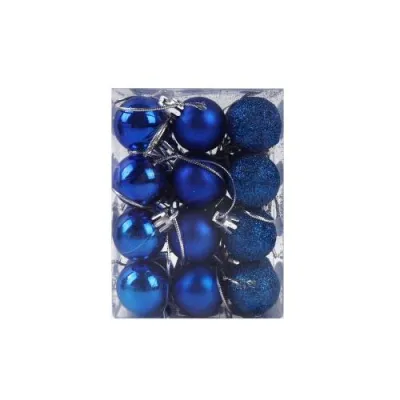
- Budget Tier (₱150 to ₱500 per set): These are typically sold in large plastic canisters containing 12 to 24 pieces. They are almost always made of lightweight plastic and are ideal for establishing a base color scheme on a tight budget.
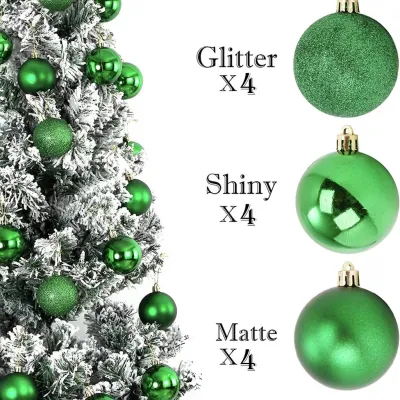
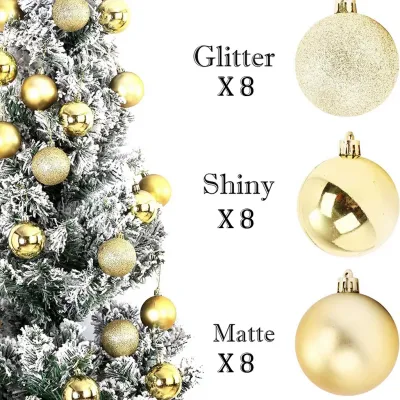
- Mid-Range Tier (₱600 to ₱1,500 per set): These sets offer a mix of finishes—such as matte, glossy, and glitter—and feature sturdier hanging caps. They provide a good balance of durability and visual variety.
- Premium Tier (₱200 to ₱1,000+ per individual ornament): This tier includes hand-painted glass, intricate metalwork, or designer ornaments. These are meant to be keepsake pieces collected over time rather than bought in bulk.
Time is another critical currency during the holiday season. Crafting a set of DIY Christmas balls requires hours of active work, plus additional waiting time for paint, glue, or varnish to dry completely. If you are balancing a busy work schedule or family commitments, finding the consecutive hours needed for crafting can be challenging. Store-bought ornaments eliminate this time barrier entirely, allowing you to unbox and decorate your tree in a single afternoon.
Design Control and Styling Flexibility
If you have a highly specific vision for your holiday decor, DIY projects offer unmatched creative freedom. Standard retail stores often stick to traditional holiday color schemes like red, green, gold, and silver. If you want to match a unique room palette—such as a tropical teal and coral theme or a modern minimalist aesthetic—crafting allows you to mix custom paint colors and select exact materials to match your interior design perfectly.
Personalization is another major advantage of the homemade route. You can easily customize DIY ornaments with family names, significant dates, or hand-written holiday wishes. This level of customization makes the ornaments feel like an extension of your family’s story, turning the Christmas tree into a visual scrapbook of cherished memories.
However, crafting carries inherent aesthetic risks that can frustrate perfectionists. Achieving a flawless finish at home is difficult; you may encounter issues like uneven paint coverage, visible hot glue strings, or shedding glitter that leaves bare patches on the ornament. If you prefer a highly polished, symmetrical, and modern look, these minor imperfections can make the tree feel cluttered or disorganized.
Store-bought sets guarantee a level of uniformity and professional finish that is hard to replicate by hand. Manufacturers use specialized processes to apply perfectly even coats of metallic plating, frosted textures, and intricate glitter patterns. This consistency ensures that every ornament catches the light in the same way, creating a cohesive and balanced visual effect across the entire tree.
Durability, Storage, and Long-Term Use
When evaluating these options, it is important to consider how well the ornaments will withstand the local climate over time. In the Philippines, high humidity and warm temperatures can be tough on stored holiday decorations. DIY ornaments made with standard craft glues, hot glue, or water-based paints are particularly vulnerable to these conditions. Over months of storage in a warm closet or attic, hot glue can soften and lose its bond, paint can chip or stick to wrapping materials, and paper-based elements can warp or attract moisture.
Standard store-bought ornaments are generally engineered for better long-term durability. Shatterproof plastic balls, usually made from polystyrene or PVC, are highly resilient. They can survive accidental drops onto hard tile floors—a common occurrence in many homes—and are unaffected by high humidity. Glass ornaments, while fragile and requiring careful handling, do not suffer from the adhesive degradation that often plagues older DIY crafts.
Storage requirements also differ significantly between the two types. Store-bought ornaments usually come in compact, stackable plastic boxes or cardboard trays with individual compartments. This packaging is designed to maximize space and protect the ornaments from dust and crushing. DIY ornaments, because of their irregular shapes, delicate attachments, or lack of custom packaging, require much more storage space. You must wrap each handmade piece individually in tissue paper or bubble wrap and store them in rigid plastic bins to prevent them from being crushed by heavier decorations.
Final Decision Framework: Which Should You Choose?
To help you make the final choice, consider these clear, condition-based guidelines that align with your lifestyle and decorating goals.
Choose DIY if:
- You have ample free time in the weeks leading up to the holidays and enjoy hands-on creative projects.
- You want to involve your family, children, or friends in a meaningful holiday activity that builds lasting memories.
- You are looking for highly personalized, one-of-a-kind ornaments that reflect specific names, dates, or unique color schemes.
- You do not mind minor aesthetic imperfections and value sentimental meaning over a flawless, showroom-style finish.
Choose Store-Bought if:
- You need to decorate a large tree quickly and efficiently without spending hours crafting and drying ornaments.
- You prefer a highly polished, uniform, and modern aesthetic with perfectly consistent colors and textures.
- You have limited storage space and need ornaments that come in compact, stackable, and protective packaging.
- You want durable, low-maintenance decorations that can withstand accidental drops and humid storage conditions year after year.
Consider a Hybrid Approach if:
- You want the convenience of ready-made decor but still desire a personal, creative touch on your tree.
- You want to save money while still showcasing handmade art. You can purchase a large, affordable set of store-bought balls in a neutral base color (like matte white or metallic gold) to fill the inner and upper branches of the tree. Then, create a smaller number of highly detailed, personalized DIY ornaments to hang at eye level on the outer branches, where they can serve as beautiful focal points.
Frequently Asked Questions (FAQ)
Can I mix DIY and store-bought Christmas balls on the same tree?
Yes, mixing both types can create a beautifully layered and textured look if done intentionally. To keep the design cohesive, establish a unified color palette of three to four colors and stick to it for both homemade and retail ornaments. You can also use a consistent hanging material, such as matching satin ribbons or metallic hooks, to tie the different styles together. Strategically place the uniform store-bought balls deeper in the branches to create depth, and position your unique DIY pieces on the outer tips at eye level where they can be easily appreciated.
How do I safely store fragile DIY ornaments?
To protect handmade ornaments from the humid climate, wrap each piece individually in acid-free tissue paper or clean packing paper. Avoid using plastic wrap, which can trap moisture and cause glue to soften or paint to peel. Place the wrapped ornaments in a rigid plastic storage container with a secure lid to protect them from dust, pests, and accidental crushing. Do not stack heavy items on top of delicate DIY crafts; instead, use cardboard dividers or small plastic cups inside the container to keep the ornaments separated and secure. Adding a few silica gel packets to the storage bin will also help absorb excess moisture during the off-season.

Community discussion
Share your experience or ask a question. Comments are reviewed before publication.