
Welcoming the New Year in a Philippine condominium brings a unique set of challenges, especially when it comes to personalizing your living space. Most property management offices (PMOs) across major developers—such as SMDC, Megaworld, DMCI Homes, and Ayala Land—enforce strict guidelines regarding unit alterations. Drilling holes into concrete shear walls or driving heavy nails into drywall can lead to structural concerns, noise complaints from neighbors, and immediate fines. For renters, these minor cosmetic changes can result in the partial or complete forfeiture of a security deposit, which often amounts to tens of thousands of pesos.
To avoid these costly penalties while still cultivating a festive atmosphere, residents must rely on temporary, non-destructive styling solutions. A lightweight happy new year wall background serves as the perfect centerpiece for your holiday celebrations, offering a high-impact visual transformation without the need for permanent hardware. These adhesive-based decorations allow you to establish a stunning backdrop for family photos and Media Noche gatherings, and then remove them completely once the season concludes. By choosing drill-free alternatives, you preserve the integrity of your walls, keep your property manager satisfied, and protect your financial investment in your home.
Transitioning to temporary decor does not mean sacrificing style or visual appeal. Modern adhesive technologies have advanced significantly, offering vibrant colors, elegant metallic finishes, and sophisticated designs that rival traditional framed artwork. Whether you are hosting an intimate gathering or a larger family reunion, these removable backdrops provide a versatile canvas that adapts to your specific interior layout. Understanding how to select, apply, and maintain these materials is the key to achieving a flawless, professional look that lasts throughout the holiday season.
Products mentioned in this guide

![[frthrthrt]Happy New Year Backdrop 2025 BlackGold Backdrop Happy New Year 6.88 X 4.92ft Happy New Year Decorations Wall Display](https://img.lazcdn.com/g/p/862a706723a240ed0f9f932e91d0b362.jpg_400x400q80.jpg_.webp)
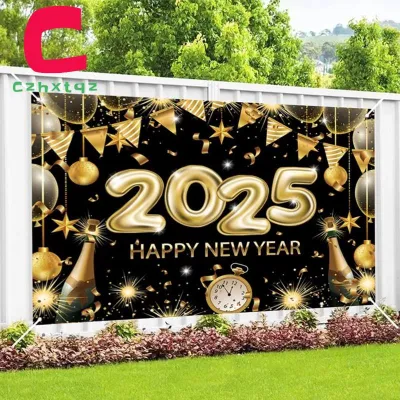
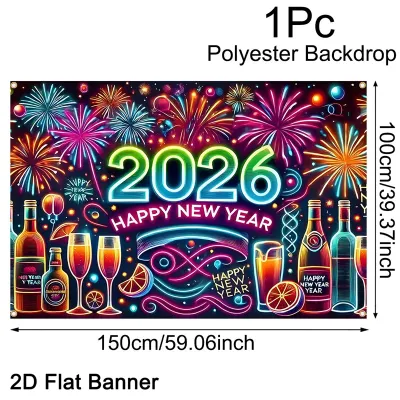

Prices are valid at publication and may change. Please refer to the product page for the latest price.
Choosing the Right Decal Material and Size for Your Space
Selecting the perfect festive background requires a careful balance of material compatibility and spatial awareness. Not all adhesives behave the same way on different wall finishes, and a design that looks stunning in a spacious showroom might overwhelm a compact urban home. By evaluating your wall surfaces and measuring your layout beforehand, you can prevent adhesive failures and design mishaps.
Matching Adhesives to Painted Walls and Wallpaper
When shopping for a temporary wall background, you will generally encounter three primary materials: vinyl, PVC, and fabric. Vinyl is highly popular due to its flexibility, rich color reproduction, and resistance to minor splashes, making it suitable for dining areas. PVC options are highly budget-friendly and widely available, though they tend to be slightly stiffer and less forgiving during application. Fabric decals, often made from woven polyester, represent the premium tier; they are highly breathable, resistant to stretching, and exceptionally easy to reposition without losing adhesive strength.
The success of these materials depends heavily on the specific paint or wall covering in your condo. Most modern units are finished with matte, semi-gloss, or low-VOC latex paints from local brands like Boysen or Davies. Matte finishes have a slightly porous, chalky texture that can sometimes make it difficult for heavy vinyl to grip securely, occasionally leading to peeling edges. Conversely, semi-gloss and gloss paints provide a perfectly smooth surface that ensures a strong bond, but this strong adhesion means you must be extra cautious during removal to avoid pulling the paint layer away from the concrete or drywall beneath.
If your condo features decorative wallpaper, extreme caution is required. Applying strong self-adhesive decals over delicate paper-backed or non-woven wallpaper can easily tear the fibers or strip the pattern upon removal. Before committing to a full-scale installation, always consult the manufacturer’s instructions on the product packaging. It is highly recommended to perform a small, hidden patch test—such as behind a large piece of furniture or near the baseboard—to observe how the adhesive interacts with your specific wall surface over a 48-hour period.
Sizing Your Background for Compact Condo Layouts
Philippine condo units, particularly studios and one-bedroom layouts, typically range from 22 to 35 square meters. In these compact spaces, wall real estate is limited and often shared with essential appliances and furniture. Before purchasing your New Year backdrop, use a metal measuring tape to determine the exact dimensions of your target wall, taking note of any permanent fixtures like split-type air conditioning units, light switches, wall sconces, or structural columns.
To prevent a small living room from feeling cramped or cluttered, avoid massive, single-sheet murals that cover an entire wall from floor to ceiling. Instead, opt for modular or multi-piece decal sets that feature separate elements, such as individual fireworks, stars, and “Happy New Year” lettering. This modular approach allows you to customize the arrangement, spacing the elements out to frame your existing furniture elegantly. For instance, you can arch the design gracefully over your sofa or arrange it to flank a dining table, creating a cohesive look that feels integrated rather than forced.
A good rule of thumb for compact interior design is to maintain a healthy balance of negative space. Aim to leave at least 20% to 30% of the wall surface completely bare around the outer edges of your decal arrangement. This negative space acts as a visual breather, preventing the bold colors and metallic glints of the holiday decor from overwhelming the room’s natural light and overall aesthetic.
Step-by-Step Guide to Safe Application and Damage-Free Removal
Achieving a professional-looking installation that peels away cleanly after the holidays requires a systematic approach. By taking the time to prepare your walls and using gentle techniques during removal, you can enjoy a flawless festive background without worrying about paint damage or sticky residue.

Wall Preparation and Application Tips
The secret to a long-lasting, bubble-free decal application lies in the preparation of the wall surface. Over time, walls in open-plan condo units accumulate a thin layer of dust, airborne oils from cooking, and residue from household sprays. These microscopic contaminants prevent the adhesive from forming a secure bond, leading to premature peeling. Clean the target area thoroughly using a microfiber cloth dampened with a mild, non-abrasive dish soap diluted in warm water. Avoid using harsh chemical cleaners or ammonia-based sprays, as they can leave a slick film that interferes with the adhesive.
Because the Philippines experiences high relative humidity throughout the year, moisture can easily become trapped behind the decal during application, leading to unsightly bubbling or mold growth. After cleaning, allow the wall to dry completely for at least 24 hours before starting the installation. Once the surface is dry, begin the application process by peeling back a small, five-centimeter section of the backing paper. Align the top edge of the decal carefully against your reference marks on the wall.
Using a plastic squeegee or a soft microfiber cloth wrapped around a standard plastic card, smooth the decal onto the wall using firm, sweeping motions from the center outward to push out any trapped air. Slowly peel away the remaining backing paper as you work your way down. Once the installation is complete, avoid exposing the wall to direct, high-speed airflow from electric fans or split-type air conditioning units for the first 12 to 24 hours. Allowing the adhesive to cure under stable room temperatures ensures a secure, even bond.
Gentle Removal Techniques to Protect Your Paint
When the holiday season concludes and it is time to pack away the decorations, rushing the removal process is the primary cause of wall damage. Pulling a cold, stiff decal straight off the wall can easily delaminate the paint layers, especially if the paint was not perfectly bonded to the underlying plaster. To safely release the adhesive bond, use a standard household hairdryer on a low-to-medium heat setting.
Hold the hairdryer approximately 10 to 15 centimeters away from the edge of the decal, moving it back and forth for a few seconds to gently warm the material. The heat softens the adhesive, making it pliable and significantly reducing its grip on the paint. Once the edge is warm to the touch, slowly peel the decal back at a very sharp, low angle—almost parallel to the wall surface—rather than pulling it outward at a 90-degree angle. This low-angle technique minimizes the upward tension exerted on the paint layer.
If you encounter any stubborn adhesive residue after the decals are removed, avoid the temptation to scrape it off with sharp tools or use harsh industrial solvents like acetone or paint thinner, which will dissolve the wall paint instantly. Instead, gently rub the area with a soft cloth dipped in warm, soapy water or use a mild, manufacturer-approved adhesive remover safe for painted surfaces. If at any point during the removal process you notice the wall paint beginning to bubble, crack, or lift away, stop immediately. Do not attempt to force the remaining pieces off; instead, consult your property manager or a professional painter to assess the underlying wall condition.
Styling Ideas for a Festive and Modern Condo Vibe
Creating a sophisticated and modern holiday aesthetic in your condominium involves blending traditional New Year motifs with contemporary design principles. The goal is to make your temporary background look like a deliberate, professionally styled installation rather than an afterthought.
To complement the neutral color schemes of cream, beige, or light gray typical of modern Philippine condos, consider a color palette centered around refined metallics. Decals featuring matte gold, rose gold, or brushed silver accents add an instant touch of elegance and warmth to the space. If you prefer a more localized, tropical festive feel, you can blend these metallic elements with rich jewel tones like deep emerald green, sapphire blue, or a vibrant magenta. This combination respects the lively spirit of a Filipino New Year while maintaining a sophisticated, high-end appearance.
To elevate your wall background further, integrate it with other temporary, non-damaging decor elements that add depth and texture to the room:
- Tension-Rod Drapery: Install a lightweight tension rod in front of an adjacent window or alcove to hang sheer, floor-to-ceiling curtains woven with delicate micro-LED fairy lights. This adds a soft, glowing layer that beautifully complements the clean lines of your wall decals.
- Freestanding Lighting: Position a sleek, modern floor lamp or an uplight near the decorated wall. Directing a warm, indirect glow across the metallic surfaces of your decals will make them shimmer gently, creating a cozy and inviting ambiance for evening gatherings.
- Washi Tape Borders: Use high-quality, low-tack metallic washi tape to create a temporary geometric border around your decal arrangement. This simple addition frames the display, giving it the polished look of a custom-designed gallery piece.
When arranging your lighting, be mindful of potential glare. Glossy vinyl decals can reflect bright overhead light sources, resulting in harsh, distracting hotspots that ruin your holiday photos. To avoid this, rely on indirect lighting, such as warm white (3000K) LED bulbs housed in shaded lamps, to distribute light evenly across the room. This thoughtful approach to lighting ensures your festive background remains the beautiful, welcoming focal point of your home as you ring in the New Year.
Frequently Asked Questions (FAQ)
Can I reuse peel-and-stick New Year decals next year?
Whether you can reuse your decals depends heavily on the quality of the material and how carefully they were removed. Premium fabric or high-grade, thick vinyl decals are specifically designed for multiple uses, whereas budget-friendly, thin PVC stickers often stretch, tear, or lose their adhesive properties during the removal process.
To maximize the lifespan of reusable decals, preserve the original backing sheets that the stickers came on. If you no longer have the original backing, clean sheets of wax paper or parchment paper serve as excellent alternatives. Slowly peel the decals off the wall using the hairdryer method, place them flat onto the backing paper, and store them in a cool, dry drawer or storage box. Keep them away from high-humidity areas, such as laundry balconies or bathrooms, to prevent the adhesive from drying out or collecting dust.
Will removable decals damage freshly painted or textured walls?
Removable decals can damage freshly painted walls if they are applied before the paint has fully cured. Even if a wall feels dry to the touch, modern latex and acrylic paints release moisture and gases for several weeks after application. Applying an adhesive decal over uncured paint traps these gases, which can cause the paint to bubble, blister, or peel away when the decal is eventually removed. Always allow a newly painted wall to cure for at least three to four weeks—or follow the specific curing timeline recommended by paint manufacturers like Boysen or Davies—before applying any decals.
Textured walls, such as those with stucco, orange peel, or rough plaster finishes, present a different challenge. The uneven surface prevents the flat adhesive backing of the decal from making full contact with the wall, which often leads to poor adhesion and causes the decal to curl and fall off. Additionally, removing decals from delicate surfaces, such as paper wallpaper or old, chalking paint, always carries a residual risk of tearing or peeling. Conducting a small, hidden patch test prior to full installation is the best way to evaluate surface compatibility and protect your walls.
Community discussion
Share your experience or ask a question. Comments are reviewed before publication.