
The Christmas season in the Philippines is celebrated with unmatched warmth and longevity, often beginning as soon as the ‘Ber’ months arrive in September. At the heart of this festive transformation is the family Christmas tree, a central gathering point that symbolizes joy, hope, and togetherness.
Creating a stunning, professional-looking holiday centerpiece requires more than simply hanging a collection of random ornaments. It demands a thoughtful approach to layering light, texture, and cultural elements that can withstand the local tropical climate while reflecting your personal style.
By selecting the right foundational elements—from energy-efficient lighting to culturally resonant toppers and durable ornaments—you can design a display that feels both deeply personal and beautifully polished.
Products mentioned in this guide
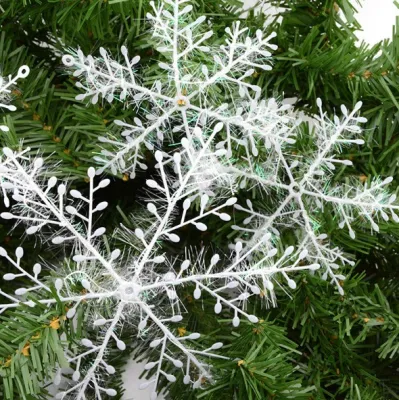
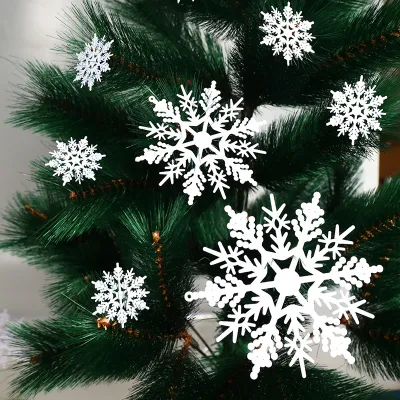
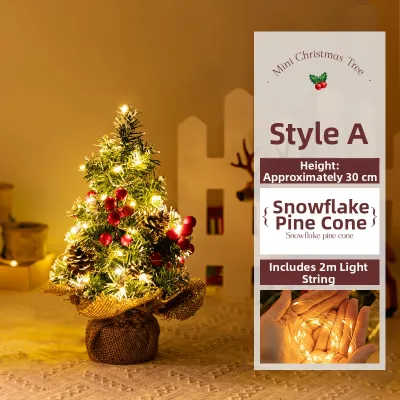
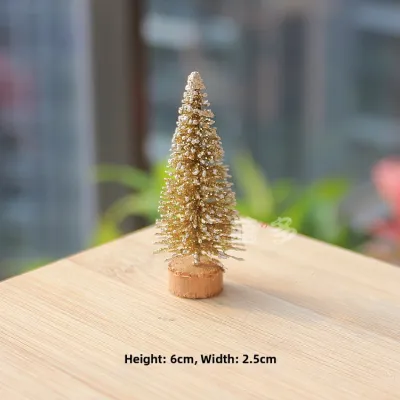
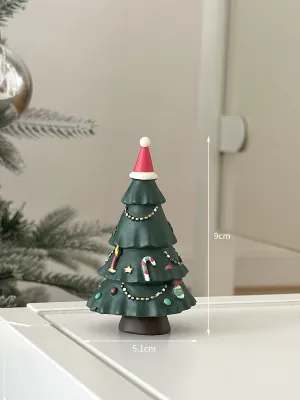
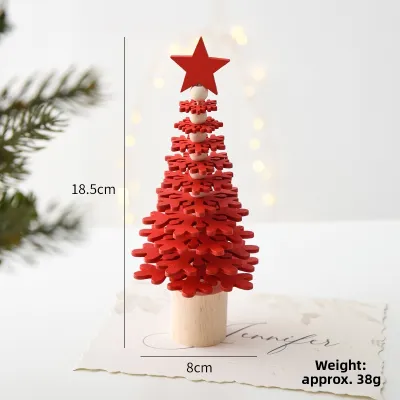
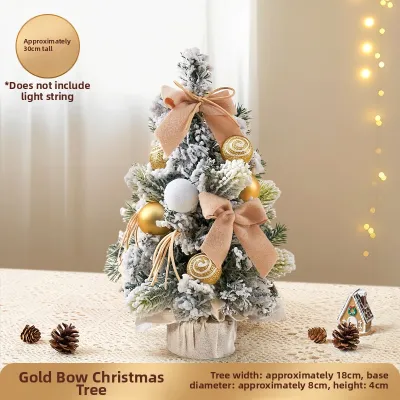
3 Lazada user ratings
i like it 🛠️Durability:ok 👌Ease of Use:ok 🎨Design:ok 🔧Material:ok 📏Size:ok 🔧Ease of Assembly:ok
Prices are valid at publication and may change. Please refer to the product page for the latest price.
The Foundation: Choosing the Right Christmas Tree Lights
Before hanging a single ornament, establishing a brilliant and safe luminous base is essential. The choice of Christmas tree lights dictates the overall mood of your living space and serves as the backdrop for all other decorations.
Modern light-emitting diode (LED) string lights have largely replaced traditional incandescent bulbs due to their exceptional energy efficiency, low heat emission, and long lifespan. While incandescent lights offer a classic, soft glow, they generate significant heat that can dry out real trees or pose a safety risk on synthetic branches.
For those seeking advanced customization, smart LED lights allow you to control color patterns and schedules directly from a smartphone application, though they carry a higher initial cost.
Color temperature plays a pivotal role in defining your room’s holiday ambiance. Warm white lights (ranging from 2700K to 3000K) emit a cozy, golden glow that evokes traditional comfort and pairs beautifully with classic red, gold, and green color schemes.
Cool white lights (5000K to 6500K) offer a crisp, bright illumination reminiscent of a snowy winter landscape, making them ideal for modern, silver, blue, or minimalist themes. Multicolor strands bring a vibrant, nostalgic energy that is highly favored in many local households, creating a playful and festive atmosphere that appeals particularly to children.
To avoid running out of lights halfway up the tree, you can use a flexible estimation formula. A reliable baseline is to allocate approximately 100 to 150 LED bulbs, or roughly 10 meters of lighted string, for every foot of tree height.
For a standard 6-foot artificial tree, this translates to roughly 600 to 900 bulbs, or 60 meters of light strands, depending on how deeply you wish to wrap the branches. If your tree is exceptionally dense or wide at the base, you may want to increase this estimate by twenty percent to ensure complete coverage.
Safety must remain your top priority when handling electrical decorations. Before draping any light strands, lay them out on the floor and plug them in to verify that every bulb functions correctly.
Carefully inspect the entire length of the wire for any signs of fraying, exposed copper, cracked plastic insulation, or loose connections. Always verify that the product carries a valid local electrical safety certification, such as the Philippine Standard (PS) mark or the Import Commodity Clearance (ICC) sticker.
Ensure the voltage rating matches the standard 220-volt local outlets, and always isolate the power by unplugging the strands before making any adjustments on the tree. Furthermore, if your tree is placed on a semi-outdoor veranda or patio, ensure the lights carry an appropriate outdoor IP rating (such as IP44 or higher) to protect against moisture.
The Focal Point: Tree Toppers from Classic Stars to Parols
The tree topper is the crowning jewel of your holiday display, drawing the eye upward and defining the peak of your design. Traditional choices like illuminated five-point stars and elegant angels remain timeless favorites, offering a sense of classic grace.

However, many local homes choose to honor their heritage by incorporating cultural motifs as toppers. A miniature, lightweight ‘parol’ (the traditional star lantern) crafted from capiz shells or translucent materials brings an authentic, local festive spirit to the room.
Woven abaca stars, sinamay bows, or raffia accents also provide an organic, rustic texture that complements tropical-themed interiors beautifully.
When selecting a topper, you must carefully match its weight and attachment mechanism to the structural strength of your tree’s top branch. Heavy toppers, particularly those made of thick glass, metal, or solid capiz shells, can easily cause the delicate top branch of an artificial tree to bend or sag.
To prevent this, inspect the top vertical branch to see if it requires reinforcement. You can secure a sturdy wooden dowel, a green garden stake, or a metal rod along the main trunk using zip ties or floral wire, extending it upward to provide a rigid support column for the topper.
Ceiling height is another critical factor that is easily overlooked during the planning phase. Before purchasing a topper, measure the distance between the very tip of your tree and the ceiling.
A proper visual balance requires at least 15 to 30 centimeters of clearance. If the topper is too tall, it may bend awkwardly against the ceiling, scrape the plaster, or create a crowded, disproportionate look that diminishes the grandeur of the entire display.
For rooms with lower ceilings, a wide, elegant ribbon bow with long cascading tails can serve as an excellent low-profile alternative to a tall vertical star.
Adding Texture and Color: Ornaments, Baubles, and Fillers
Creating a visually rich and balanced Christmas tree relies on a strategic layering process that builds depth from the inside out. Rather than hanging ornaments haphazardly on the outer tips of the branches, categorize your decor into three distinct groups: large statement baubles, medium fillers, and small accent pieces.
Large statement ornaments, which may include oversized spheres, decorated teardrops, or themed figurines, should be placed deeper within the branches to anchor the design and draw the eye inward. Medium-sized baubles serve as the primary workhorses of your theme, while small accents, delicate bells, and miniature ornaments are perfect for hanging on the outer tips where they can catch the light.
Material selection is a practical consideration that directly impacts the longevity of your decor and the safety of your household. If your home includes curious pets or active young children, prioritizing high-quality shatterproof ornaments made of durable plastics, acrylics, or metals is highly advisable.
Modern shatterproof designs mimic the glossy, matte, and glittered finishes of traditional glass so closely that they are virtually indistinguishable from a distance. For households seeking a premium, heirloom-quality aesthetic, delicate glass, hand-painted ceramic, or authentic capiz shell ornaments offer unparalleled clarity and light refraction, though they require careful handling and secure fastening.
To achieve a professional look, distribute your colors and textures evenly across the entire surface of the tree. Avoid clustering identical ornaments together; instead, work in a zigzag or triangular pattern as you move around the tree.
If you notice empty gaps or sparse areas near the trunk where the artificial branches look thin, use decorative fillers to conceal them. Wired ribbons, mesh netting, and floral picks—such as artificial poinsettias, glittered pinecones, or metallic berry sprays—can be tucked deeply into the branches to block empty spaces, add luxurious texture, and create a sense of lush abundance.
Framing the Display: Tree Skirts, Collars, and Bases
The base of your Christmas tree requires careful styling to conceal the unsightly metal or plastic stand, hide messy electrical cords, and ground the entire visual presentation. Traditional fabric tree skirts remain a popular choice, offering a soft, flowing border where gifts can be neatly arranged.
These skirts come in a wide variety of materials, from luxurious velvet and faux fur to rustic burlap and embroidered canvas. For a more structured and contemporary look, rigid tree collars have gained immense popularity.
These collars encircle the stand completely and are available in materials like galvanized metal, woven rattan, native buri palm, or polished wood.
Selecting the right size for your base covering requires precise measurement of your tree stand’s footprint. Measure the widest diameter of the metal or plastic stand legs to ensure the skirt or collar will cover it entirely.
A tree skirt should ideally extend at least 10 to 15 centimeters past the outer tips of the lowest branches to maintain a balanced proportion. A rigid collar, on the other hand, should fit snugly around the central pole and stand, with a height that successfully hides the mechanical parts without lifting the lower branches awkwardly.
In tropical climates, material care and safety are paramount when choosing base coverings. High humidity can cause heavy fabrics to trap moisture, leading to musty odors or mold growth if stored improperly.
Opt for stain-resistant, breathable, or easily washable fabrics that can withstand dust and occasional spills. Furthermore, ensure that your chosen skirt or collar does not block access to the water reservoir if you are maintaining a real pine tree.
Most importantly, arrange the base covering so that it never traps heat around power strips, extension cords, or multi-outlet adapters, allowing adequate ventilation to prevent electrical hazards.
Planning Your Christmas Tree Decor Purchases and Setup
A successful decorating project begins with a clear plan, a realistic budget, and a systematic approach to assembly. To estimate how many ornaments you need to purchase, you can use a general baseline of 10 to 20 ornaments per foot of tree height.
For a modest 5-foot tree, 50 to 100 ornaments will provide a beautifully decorated look, while a grand 8-foot tree may require 160 to 320 pieces to look fully dressed. Keep in mind that these numbers are highly flexible; a dense, wide tree or a heavily themed ‘maximalist’ design will require more pieces, while a minimalist or Scandinavian-inspired tree will look best with far fewer.
When it comes to the physical setup, following a specific sequence will save you time and prevent accidental damage to fragile pieces. Always begin by fluffing the artificial branches thoroughly, shaping them outward and upward to eliminate flat spots.
Next, install and test your string lights while they are turned on; this allows you to spot dark patches and adjust the placement of the wires easily. Once the lights are set, weave your garlands, deco mesh, or wide ribbons through the branches.
Follow this by hanging your largest statement ornaments deep within the tree, then distribute the medium and small ornaments. Finally, insert your decorative picks or floral fillers to plug any remaining gaps, secure the tree topper, and wrap the base with your chosen skirt or collar.
When sourcing your holiday decor, exploring a mix of shopping avenues can help you curate a unique look while managing your budget in ₱. Local holiday bazaars and specialized craft markets are treasure troves for finding handmade, artisanal ornaments, native woven pieces, and unique capiz shell designs that support local craftsmen.
Major department stores offer convenient, curated collections where you can find matching color palettes and high-quality shatterproof sets. For those seeking specific themes or budget-friendly bulk options, online e-commerce platforms provide a vast array of choices that can be delivered directly to your doorstep, allowing you to compare prices and read customer reviews before making a purchase.
Frequently Asked Questions (FAQ)
How do I safely store fragile Christmas tree decor after the holidays?
To preserve your delicate ornaments for future seasons, invest in dedicated storage solutions or repurpose sturdy cardboard boxes. Use divided ornament organizers with cardboard or plastic grids to keep individual baubles from bumping against one another and scratching.
Wrap fragile glass, ceramic, or capiz shell items individually in acid-free tissue paper, clean packing paper, or leftover bubble wrap before placing them in their designated slots. Avoid using newspaper, as the ink can transfer and permanently stain light-colored ornaments.
Finally, store your packed boxes in a cool, dry, and well-ventilated area of your home, away from direct sunlight and extreme attic heat, which can warp plastics, melt hot-glue adhesives, or degrade delicate fabrics over time.
Can I mix different light temperatures on the same Christmas tree?
Yes, mixing different light temperatures can create a stunning, multi-dimensional effect when done intentionally. A popular technique is to use a steady, warm white light strand wrapped deeply around the inner trunk to establish a cozy, glowing core, and then layer cool white or vibrant multicolor lights on the outer branches to create a sparkling, dynamic contrast.
If you choose to mix light strands, always verify that they are electrically compatible. Check the manufacturer labels to ensure you do not exceed the maximum wattage limit when connecting strands end-to-end.
Never daisy-chain more than the recommended number of light strings, and use a high-quality surge protector to safeguard your entire holiday display from electrical fluctuations.
Community discussion
Share your experience or ask a question. Comments are reviewed before publication.