
Finding the right lighting setup is essential for maintaining productivity and reducing eye strain during long work-from-home (WFH) or study sessions. While traditional plug-in desk lamps have long been the standard, rechargeable lamps offer a level of flexibility and reliability that corded models cannot match. In the Philippines, where tropical weather and seasonal typhoons can trigger sudden power outages, a dependable rechargeable lamp is more than just a convenient desk accessory—it is an essential backup tool that keeps your workflow uninterrupted. Choosing the right model, however, requires looking beyond basic aesthetics to evaluate battery performance, light quality, ergonomic design, and safety certifications.
Battery Life and Charging Specs for Uninterrupted Focus
To ensure your desk lamp can sustain long sessions without frequent interruptions, you must evaluate its battery specifications. The capacity of a rechargeable battery is typically measured in milliampere-hours (mAh) or watt-hours (Wh). While a higher capacity generally indicates a longer potential runtime, actual performance is highly dependent on your chosen brightness level. For instance, a lamp with a 4000mAh battery might operate for up to 40 hours on its lowest, warmest ambient setting, but drain completely in under four hours when set to maximum brightness. Rather than relying solely on the headline capacity numbers, always check the manufacturer’s product label or user manual for estimated runtimes at specific brightness levels.
The charging interface is another critical factor for daily convenience. Older rechargeable models often utilize micro-USB ports or proprietary round DC barrel jacks, which can be slow to charge and difficult to replace if the cable is lost. Modern rechargeable lamps increasingly feature USB-C ports, which offer universal compatibility with your existing smartphone or laptop chargers and typically support faster charging protocols. When evaluating a lamp, verify its input voltage and wattage limits. Although the lamp itself operates on low-voltage direct current (DC), the charging adapter you plug into the wall must be compatible with the standard Philippine electrical grid of 220V at 60Hz.
Products mentioned in this guide
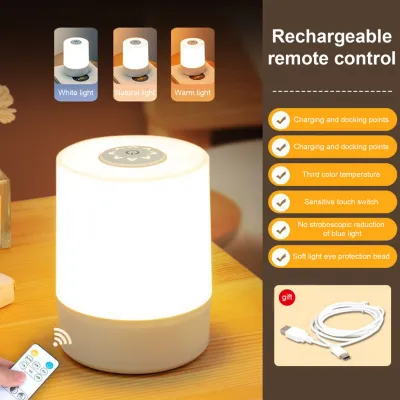
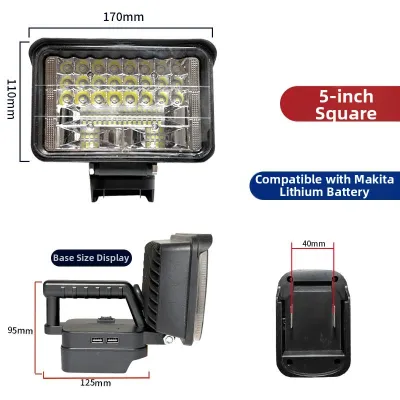
Prices are valid at publication and may change. Please refer to the product page for the latest price.
Another feature to verify is pass-through charging, which allows you to use the lamp while it is actively plugged into a power source. Not all rechargeable lamps support this safely; some lower-end models may disable the light during charging or experience excessive heat buildup. Check the manufacturer’s care instructions to confirm if plug-in operation is supported. This capability is highly valuable for seamless transitions, allowing you to keep the lamp plugged in as a permanent fixture on your desk, while knowing it remains fully charged and ready to be carried to another room or used during a sudden brownout.
In the tropical climate of the Philippines, high relative humidity can also affect battery health and electronics over time. When selecting a lamp, look for models that use high-quality lithium-ion or lithium-polymer cells, which tend to perform more reliably under warm conditions than older nickel-cadmium alternatives. Keeping the lamp in a well-ventilated area and avoiding direct exposure to damp air from open windows during the rainy season will help preserve both the battery capacity and the internal circuitry.
Lighting Quality and Eye Comfort for Prolonged Tasks
The primary purpose of any task light is to provide clear, comfortable illumination that minimizes eye fatigue during extended reading or screen work. To achieve this, a rechargeable lamp must offer precise brightness control. Look for models featuring adjustable dimming, either through pre-set levels or a stepless touch control that lets you fine-tune the light output. To assess the actual brightness, check the product specifications for lumen output (the total amount of light emitted) or lux ratings (the intensity of light falling on a specific surface area). Detailed tasks, such as reading physical textbooks or drafting, generally require a higher, more concentrated light output than casual computer work, where a softer ambient glow is preferred to reduce screen contrast.

Color temperature, measured in Kelvin (K), plays a significant role in managing focus and eye strain. Cooler light temperatures, typically ranging from 4000K to 5000K, mimic natural daylight and help promote concentration, making them ideal for daytime study sessions, active writing, and screen-based tasks. Conversely, warmer light temperatures, between 2700K and 3000K, emit a softer, yellow-toned glow that reduces blue light exposure. This warmer setting is highly recommended for late-night reading or winding down before sleep, as it is gentler on the eyes and does not disrupt your natural circadian rhythm. A high-quality rechargeable lamp should allow you to switch easily between these color temperatures depending on the time of day and the nature of your task.
Flicker-free technology and glare reduction are equally crucial for long-term eye health. Many low-grade LED lamps exhibit high-frequency flicker that, while often invisible to the naked eye, can cause subtle eye strain, headaches, and fatigue over hours of use. To prevent this, look for lamps that explicitly advertise flicker-free drivers or compliance with electrical safety and performance standards. Additionally, check for built-in light diffusers or honeycomb lenses over the LED panel. These optical elements soften the light beam, distributing it evenly across your workspace to prevent harsh, localized shadows and distracting reflections on your computer monitor or glossy textbook pages.
For users involved in color-sensitive work, such as graphic design, illustration, architectural drafting, or crafting, the Color Rendering Index (CRI) is a vital specification. The CRI measures how accurately a light source reveals the true colors of objects compared to natural daylight. A CRI rating of 80 or higher is standard for general household tasks, but for professional or creative work, prioritizing a lamp with a CRI of 90 or above is highly recommended. This ensures that the colors you see on your desk match their true appearance, preventing mistakes and reducing the visual effort required to distinguish fine details.
Ergonomics and Adjustability for Flexible Desk Setups
A high-performing light source is only effective if it can be positioned exactly where you need it. Ergonomic adjustability is essential for preventing poor posture, neck strain, and direct glare. When shopping for a rechargeable lamp, compare the structural design of the arm and head. Highly flexible gooseneck designs, which utilize a bendable silicone or metal tube, allow you to twist and angle the light in virtually any direction. However, in warm and humid environments, some lower-quality goosenecks can lose their tension over time, causing the lamp head to sag. Multi-joint mechanical arms, constructed with tension springs and locking hinges, offer more precise height and angle adjustments and tend to maintain their position more reliably over years of use.
The stability and footprint of the lamp’s base must also align with your workspace constraints. A heavy, weighted base is essential for preventing the lamp from tipping over when the arm is fully extended over your work area. If you have a compact study desk or a shared WFH setup, a wide base can consume valuable real estate. In these scenarios, consider a lamp that offers a clamp-on base or a dual-mount system. A sturdy C-clamp allows you to secure the lamp directly to the edge of your desk, freeing up maximum surface space for your laptop, notebook, and other essentials.
Portability is a primary benefit of a rechargeable lamp, making folding mechanisms a key feature to evaluate. If you frequently transition between working at a dedicated desk, a dining table, or even a bedside table, look for a lightweight model that folds flat. A compact, foldable profile not only makes the lamp easy to pack into a bag or store in a drawer but also protects the delicate LED panel and hinges from damage during transport. Verify that the folding joints are robust and do not feel loose or unstable when unfolded.
Before making a purchase, check the maximum reach and height specifications of the lamp. To prevent direct glare from shining into your eyes, the light source should ideally be positioned above your eye level but angled downward toward your workspace. If a lamp’s arm is too short, you may find yourself slouching or tilting your head to avoid looking directly at the exposed LEDs, defeating the purpose of an ergonomic desk setup.
Smart Controls and Convenience for Daily Workflows
Beyond the core lighting and battery specifications, secondary smart features can significantly enhance your daily workflow and encourage healthier habits. Built-in timers, such as 45-minute or 60-minute auto-shutoff functions, are excellent tools for managing study or work intervals. Much like the popular Pomodoro technique, these timers can serve as a physical reminder to stand up, stretch, and give your eyes a necessary break from close-up screen work.
The control interface itself affects how easily you can adjust your lighting throughout the day. Touch-sensitive control panels offer a sleek, modern aesthetic and often allow for smooth, stepless adjustments of both brightness and color temperature. However, they can sometimes be overly sensitive, leading to accidental changes if you brush against them while reaching for a pen. Physical buttons or rotary dials, on the other hand, provide clear tactile feedback, making them easier to operate by feel alone, especially in low-light conditions.
A memory function is another highly convenient feature to look for in a rechargeable lamp. This setting automatically saves your last used brightness level and color temperature, so when you turn the lamp back on, you do not have to cycle through multiple modes to find your preferred configuration. This is particularly useful if you have established a specific lighting routine for different times of the day.
Some premium rechargeable lamps also feature auto-dimming sensors. These built-in sensors detect the level of ambient light in your room and automatically adjust the lamp’s brightness output to maintain a consistent level of illumination on your desk. As natural daylight fades in the late afternoon, the lamp will gradually increase its brightness, ensuring your eyes do not have to strain to adapt to the changing environment.
Quick Guide: Matching Lamp Features to Your Specific Use Case
To help you select the ideal rechargeable lamp, consider which features align best with your primary daily activities:
- Scenario 1: Heavy Screen Work & Coding
- Priority Features: Flicker-free optics, adjustable color temperature (to match screen bias lighting), and a tall, multi-joint mechanical arm.
- Why It Matters: Positioning the light source high and angling it downward prevents distracting reflections on your monitor, while cooler color temperatures help maintain focus during long coding sessions. Since you are likely near a power source, battery runtime is secondary to precise optical control.
- Scenario 2: Intensive Reading & Textbook Study
- Priority Features: High CRI (90+), high maximum lumen output, even light distribution, and a built-in timer function.
- Why It Matters: Reading physical print requires bright, high-contrast illumination without harsh shadows. A high CRI ensures that diagrams and colored text are easy to read, while a timer helps you pace your study sessions and take regular eye breaks.
- Scenario 3: Mobile Working & Frequent Power Outages
- Priority Features: High battery capacity (4000mAh or more), USB-C fast charging, a compact foldable design, and a sturdy, weighted base.
- Why It Matters: If you frequently change work locations or face regular power interruptions, maximizing runtime and ensuring fast recharge times are your top priorities. A foldable design allows you to move the lamp safely between rooms or carry it in a backpack.
If you require a single lamp to handle a mix of all three scenarios, look for a versatile hybrid model. Prioritize a high-capacity battery and adjustable color temperature as your non-negotiable features, as these provide the foundation for both portability and eye comfort, before deciding whether to invest in secondary smart functions like auto-dimming or touch-sensitive panels.
Frequently Asked Questions (FAQ)
Can I leave my rechargeable desk lamp plugged in all the time?
Most modern rechargeable desk lamps are equipped with lithium-ion batteries and built-in battery management systems (BMS) that automatically stop charging once the battery reaches 100% capacity. This safety feature prevents immediate hazards like overcharging or overheating. However, keeping any lithium-ion battery constantly at maximum charge can accelerate its overall capacity degradation over time. To maximize the lifespan of your lamp’s battery, it is advisable to check the manufacturer’s specific care instructions. If you primarily use the lamp plugged into a wall outlet, try unplugging it occasionally and allowing the battery to run down partially before recharging it, which helps maintain healthy battery chemistry.
How many lumens do I need for studying versus computer work?
The ideal brightness level depends heavily on the task you are performing. For computer-based work, your monitor already emits light, so you generally require softer, ambient desk lighting of around 300 to 500 lumens. This moderate brightness helps reduce the harsh contrast between a bright screen and a dark room, lowering eye strain. Conversely, intensive reading of physical textbooks, writing, or detailed manual work requires more focused and intense illumination, typically ranging from 500 to 800 or more lumens. To accommodate both types of tasks, look for a rechargeable lamp with a wide dimming range rather than a single fixed output, allowing you to adapt the brightness to your specific needs throughout the day.
Community discussion
Share your experience or ask a question. Comments are reviewed before publication.