
Quick Answer: Which Material Works Best for Your Bedside Lamp?
Choosing the right lampshade for bedroom spaces involves balancing visual appeal with practical light output. The ideal material depends entirely on your personal routine, maintenance habits, and the climate of your sleeping space.
Fabric shades are the traditional choice for a soft, beautifully diffused glow that instantly makes a bedroom feel cozy and inviting. They are perfect if you use your bedside lamp primarily for winding down and relaxing before sleep.
Glass shades offer maximum clarity and direct illumination, making them excellent for night-time readers who need focused light without eye strain. They are also highly durable and exceptionally easy to clean.
Products mentioned in this guide
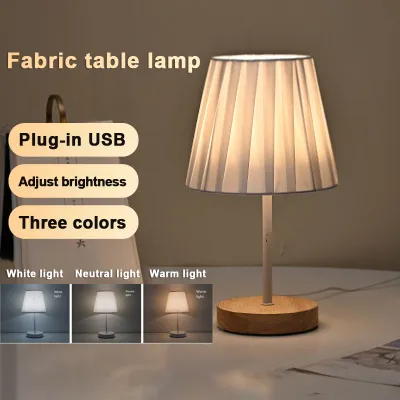
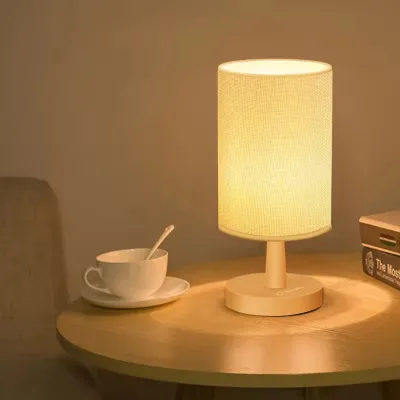
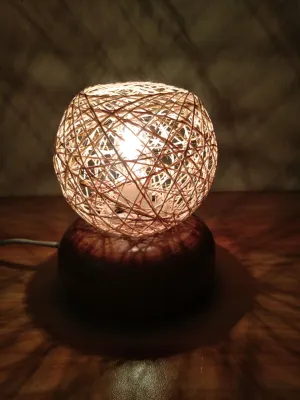
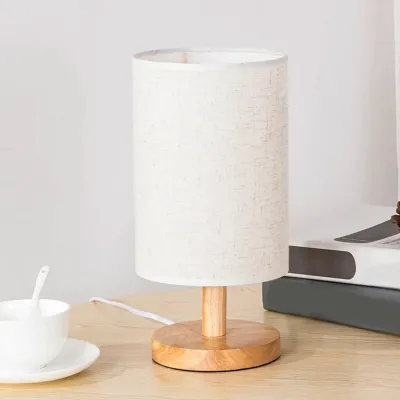
Prices are valid at publication and may change. Please refer to the product page for the latest price.
Paper shades, such as those made from rice paper or parchment, deliver a warm, organic, and minimalist aesthetic that suits modern interiors. They are lightweight and budget-friendly but require gentle handling.
Ultimately, there is no single universal winner. The best choice for your bedside table depends on balancing light diffusion, maintenance requirements, and your room’s overall style.
Light Quality and Ambiance: Comparing Light Diffusion
The material of your lampshade acts as a primary filter for the light bulb, fundamentally shaping the atmosphere of your bedroom. Fabric shades are highly effective at scattering light. When light passes through woven threads, it loses its harshness and spreads evenly across the room, minimizing sharp shadows. This soft, ambient glow is perfect for winding down at the end of a long day, helping your eyes adjust to a lower-energy state before sleep.

Glass shades, by contrast, do not absorb or diffuse light in the same manner unless they are specifically treated. Clear glass allows the bulb’s full brightness to shine through, which is highly functional for task-oriented activities but can create uncomfortable glare if the lamp sits directly in your line of sight. Frosted, opal, or colored glass options offer a middle ground, softening the glare while still preserving a higher level of overall brightness than fabric or paper.
Paper shades provide a unique, highly textured diffusion. The fibers within rice paper or parchment catch the light, creating a warm, organic glow that feels incredibly serene. However, because paper is naturally more opaque than thin fabric, it tends to block more light, directing the illumination primarily upward and downward through the open ends of the shade rather than outward into the room.
Beyond the outer material, the inner lining of the lampshade plays a critical role in determining the quality of light. A white or silver inner lining reflects light efficiently, maximizing the brightness of your bulb and keeping the color temperature cool and clean. A gold or brass-toned lining absorbs some of the light but bounces back a rich, warm, amber glow that enhances a cozy bedroom atmosphere. Black or dark-colored linings restrict lateral light almost entirely, forcing the light into dramatic pools at the top and bottom of the lamp, which is ideal for focused bedside reading without disturbing a sleeping partner.
Durability and Maintenance: Cleaning and Everyday Care
Maintaining a clean and fresh bedroom environment requires considering how different lampshade materials handle daily wear, dust, and environmental factors. Fabric shades are classic but demand consistent upkeep. They easily attract airborne dust, pet dander, and lint, which can become embedded in the weave over time. Cleaning fabric typically involves regular vacuuming with a soft brush attachment or using a sticky lint roller, and any accidental spills or stains require immediate, careful spot cleaning with a damp cloth to prevent permanent discoloration.
In tropical climates where humidity levels run high, fabric shades can also be susceptible to moisture retention, which may lead to musty odors or mold spots if the room lacks proper ventilation. Glass shades perform exceptionally well under these conditions. Glass is completely impervious to moisture, does not stain, and does not trap dust within its structure. A quick wipe with a microfiber cloth and standard glass cleaner is all it takes to restore its original clarity, making it the most hygienic and low-maintenance option for busy households.
However, the obvious trade-off with glass is its fragility. A bedside table can be a high-activity zone where phones, books, and water glasses are constantly moved around in the dark. If a glass lamp is accidentally knocked over, or if the shade is dropped during a routine bulb replacement, it can shatter, creating a safety hazard.
Paper shades represent the most delicate option of the three. They are highly sensitive to physical impact, tearing easily if bumped by a stray hand or a pet. Moisture is a significant enemy of paper; high humidity can cause the material to sag, warp, or develop unsightly water spots. Cleaning paper shades is strictly limited to gentle dry dusting with a feather duster or a dry microfiber cloth, as any liquid cleaner or wet wipe will instantly ruin the material. Over time, exposure to both heat from the bulb and natural sunlight will cause paper shades to yellow or fade, meaning they generally have a shorter lifespan than fabric or glass alternatives.
Aesthetics and Bedroom Decor: Matching Your Interior Style
A bedside lamp is a prominent visual element that anchors the design of your bedside table and coordinates with your headboard. Fabric lampshades offer unmatched versatility in terms of texture, shape, and pattern. Whether you prefer a classic pleated empire shade for a traditional look, a textured linen drum shade for a transitional space, or a colorful patterned shade to serve as an accent piece, fabric can adapt to almost any interior design theme. It adds a soft, tactile element that contrasts beautifully with hard wooden or metal furniture.
Glass shades bring a sense of polished sophistication and structural elegance to the bedroom. Sleek, clear glass globes fit perfectly into modern, industrial, or minimalist decors, while ribbed, frosted, or stained glass shades can evoke a vintage, mid-century, or art deco charm. Because glass is reflective, it catches the natural daylight even when the lamp is turned off, adding a bright, sparkling quality to the room. It also carries a distinct visual weight; a heavy glass shade can ground a delicate lamp base, creating a balanced and substantial look.
Paper shades are the hallmark of minimalist, Japandi, and bohemian design styles. Their lightweight silhouettes and organic textures bring a calm, earthy feel to the bedroom, emphasizing natural materials and simple forms. The raw edges and visible fibers of handmade paper shades celebrate imperfection and simplicity. Because they are visually light, paper shades work beautifully in smaller bedrooms, as they do not overwhelm the space or crowd the bedside table.
When selecting a material, it is essential to evaluate the scale and proportions of your bedroom furniture. A large, heavy glass shade on a tiny bedside table can look top-heavy and unstable, while a tiny paper shade next to a massive upholstered headboard may get lost visually. Aim for a harmonious balance where the texture and visual weight of the lampshade complement the surrounding materials rather than competing with them.
Safety and Compatibility: Verifying Bulb Wattage and Fittings
Before finalizing any lampshade purchase, verifying electrical compatibility and physical safety is paramount to prevent hazards like overheating or fire. Every lamp base has a maximum wattage rating specified by the manufacturer, which must never be exceeded. This rating is especially critical when using combustible materials like paper and fabric. If a bulb emits too much heat within a tight, enclosed shade, it can scorch the material or, in extreme cases, ignite it.
To minimize heat output and maximize safety, pairing your bedside lampshade with LED bulbs is highly recommended. LEDs operate at a fraction of the temperature of traditional incandescent bulbs, converting most of their energy into light rather than heat. This makes them incredibly safe to use inside delicate paper or tightly woven fabric shades. Additionally, ensure that the bulb you choose matches the standard voltage of your home’s electrical system (such as 220V in the Philippines) and fits the base interface securely, with E27 being the most common screw-type base for bedside lamps.
Physical compatibility is another crucial check. Lampshades attach to bases using different fitter types, and buying the wrong one will leave you with an unstable or unusable shade.
- Spider fitters require a metal harp that rises from the lamp base, with the shade securing at the top using a decorative finial.
- Uno fitters thread directly onto the socket itself, holding the shade in place beneath the bulb.
- Clip-on fitters attach directly to the glass envelope of a standard-shaped bulb.
Always measure your existing lamp base and check the fitter style before buying a new lampshade for bedroom use. If you ever notice that a lampshade feels excessively hot to the touch during operation, or if the shade wobbles precariously on the base, turn off the power immediately. Isolate the fixture, inspect the bulb wattage, and consult the manufacturer’s instructions or a qualified professional to resolve the issue before using the lamp again.
Decision Framework: Finalizing Your Bedside Lampshade Choice
To make a confident and practical decision for your bedside lighting, follow this structured step-by-step framework:
- Step 1: Define Your Primary Bedside Activity — Determine how you use your bedside space in the evening. If your priority is reading books or tablets in bed, prioritize glass or highly translucent fabric shades that allow sufficient light to pass through. If your bedside lamp is primarily used to create a relaxing, low-light environment before sleeping, opt for fabric or paper shades that diffuse light softly and eliminate glare.
- Step 2: Assess Your Maintenance Willingness and Environment — Be honest about how much time you want to spend cleaning and the environmental conditions of your bedroom. If you live in a high-humidity area or have pets that shed, glass is the most durable and easiest to clean. If you prefer a cozy texture and do not mind regular dusting, fabric is an excellent choice. If you have a quiet, low-traffic bedroom and want a minimalist look, paper is suitable, provided you handle it with care.
- Step 3: Measure Your Lamp Base and Bedside Table — Take precise measurements of your existing lamp base height and width, as well as the available surface area on your bedside table. Ensure the lampshade you select is proportionate—typically, the shade's width should be slightly wider than the widest part of the base, and its height should be roughly two-thirds of the base's height. Check that the shade does not overhang the edge of the table where it could easily be bumped.
- Step 4: Review Product Labels and Safety Specifications — Before checking out, verify that the lampshade is compatible with your lamp's fitter type (spider, uno, or clip-on). Check the product label for safety certifications, material treatments (such as flame-retardant coatings on fabric), and the maximum allowable bulb wattage. Ensure your chosen bulb matches these specifications perfectly.
Frequently Asked Questions (FAQ)
Can I use a smart bulb with fabric or paper lampshades?
Yes, smart LED bulbs are highly compatible and safe to use with both fabric and paper lampshades. Because smart bulbs utilize LED technology, they generate very little heat compared to traditional incandescent bulbs, significantly reducing the risk of scorching or fire. Always verify that the smart bulb’s wattage equivalent does not exceed the maximum rating specified on your lamp base.
An added benefit of using a smart bulb is the ability to adjust brightness and color temperature directly from your phone or smart home system. This allows you to easily customize the light output, compensating for a thick fabric shade that might otherwise block too much light, or softening the glow of a thin paper shade.
How do I measure my bedside lamp for a new lampshade?
To find a lampshade that fits perfectly and looks balanced, start by measuring the height and width of your lamp base. A reliable rule of thumb is that the height of the lampshade should be approximately two-thirds the height of the lamp base, measuring from the bottom of the base to the start of the socket. The width of the shade at its widest point should be roughly equal to the height of the shade, and it should be wider than the widest part of the lamp base itself.
Additionally, measure the distance from the lamp socket to the top of the harp if your lamp uses a spider fitter. Finally, ensure that the bottom of the shade sits low enough to cover the internal socket and neck of the lamp base, but high enough that you can easily reach underneath to access the power switch without bumping the shade.
Community discussion
Share your experience or ask a question. Comments are reviewed before publication.