
Quick Answer: Fairy Light vs. Galaxy Projector for Condos
If you are looking to elevate your condo’s atmosphere, choosing between a classic fairy light setup and a modern galaxy projector depends on your spatial limits, design goals, and willingness to manage physical installations. A fairy light installation offers a tactile, warm, and highly localized accent that integrates directly with your furniture. In contrast, a galaxy projector provides an immersive, expansive, and dynamic visual experience that covers walls and ceilings without occupying physical space. Understanding how these systems interact with typical condo layouts will help you make the right investment.
For most condo dwellers, the decision hinges on how they use their space. Fairy lights are ideal if you want to highlight specific architectural features, frame a headboard, or create a cozy reading nook with a static, warm glow. Galaxy projectors are better suited for those who want a dramatic, room-wide transformation at the press of a button, especially in studio units where floor space is limited and clutter must be kept to a minimum. Both options have distinct installation, safety, and maintenance requirements that you should evaluate before purchasing.
Visual Effects and Vibe: Setting the Right Mood
Ambient lighting is not designed to illuminate tasks; instead, it manipulates the perceived volume, warmth, and emotional tone of a room. In a compact condo, where a single living area often doubles as a workspace during the day and a relaxation zone at night, the right lighting helps partition these activities mentally. Choosing between physical light strands and projected light patterns changes how you interact with your living space.
Products mentioned in this guide
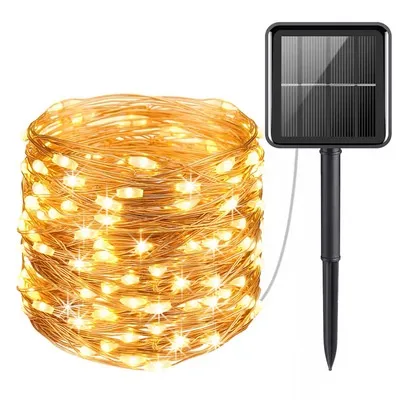
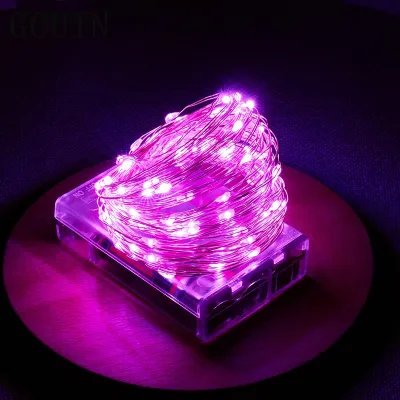
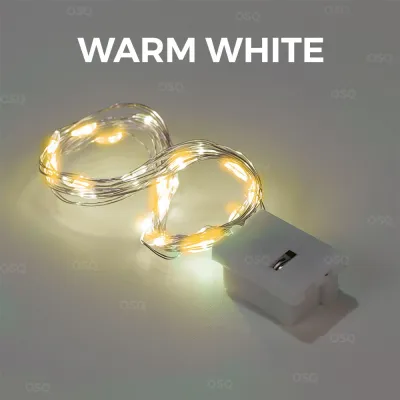
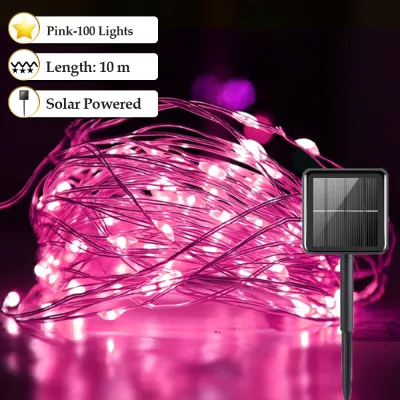
Prices are valid at publication and may change. Please refer to the product page for the latest price.

Fairy Light Styling: Warm, Textured, and Localized
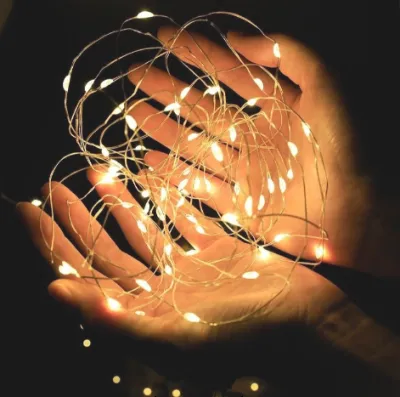
Fairy lights emit a soft, localized glow that emphasizes physical textures and creates immediate feelings of comfort. Because the light source consists of tiny, exposed light-emitting diodes (LEDs) spaced along a physical wire, it creates points of high contrast that draw the eye to specific areas. This makes them highly effective for creating visual depth in small rooms by highlighting the borders of bookshelves, mirrors, or window frames.
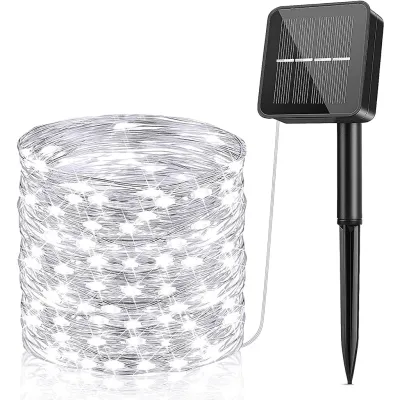
Color temperature is a critical factor when selecting fairy lights. Most ambient strands are sold in warm white, typically ranging from 2700K to 3000K, which mimics the relaxing hue of the golden hour. This warm spectrum is widely preferred for bedrooms and living areas because it promotes relaxation, though cool white or multi-colored RGB options are available for different stylistic preferences. Perceived spatial comfort is highly subjective, and your choice should align with your existing furniture materials and wall colors.
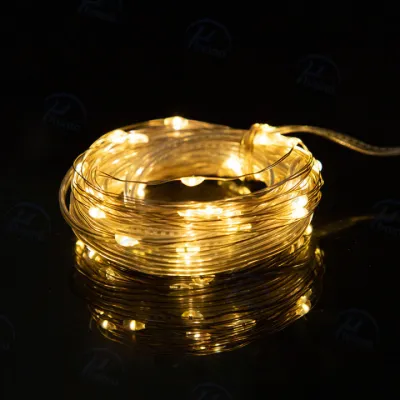
Unlike projectors, fairy lights serve as a physical design element even when turned off. Silver, copper, or green insulated wires add a delicate, textured layer to your decor, weaving through fabrics or wrapping around wooden elements. However, the visual effect is largely static. While some modern smart variants allow for basic pulsing or chasing patterns, their primary appeal remains a steady, reliable glow that depends entirely on the physical objects they are draped over.
Galaxy Projectors: Immersive, Dynamic, and Room-Filling
Galaxy projectors operate on a completely different optical principle, using high-intensity LEDs, diffractive gratings, and laser diodes to project light across a distance. Instead of drawing attention to a physical wire, they project moving nebulae, drifting clouds, and sharp fields of stars directly onto your ceiling and walls. This completely alters the visual boundaries of the room, making a small studio apartment feel structurally open and expansive.
The visual effect of a galaxy projector is highly dynamic and customizable. Most models allow you to control rotation speed, color transitions, and laser brightness, enabling you to shift from a slow, soothing blue nebula for sleep to a vibrant, fast-moving color scheme for entertaining. The slow movement of the projected patterns has a soothing, hypnotic quality that can help reduce stress after a long day.
Because the light source is concentrated within a single, compact device, projectors keep your walls and furniture completely clean during the day. There are no dangling wires, adhesive tape marks, or physical strands cluttering your decor. When the projector is turned off, it sits unobtrusively on a shelf or side table, preserving a clean, minimalist aesthetic that is highly valued in modern condo living.
Installation Effort and Condo Layout Constraints
Installing decorative elements in a condo requires working within strict structural and contractual boundaries. Many high-rise developments feature solid concrete partition walls that make drilling or nailing difficult without specialized power tools. Furthermore, rental agreements often prohibit permanent modifications, forcing residents to rely on non-damaging installation methods.
Mounting, Space, and Layout Requirements
Installing fairy lights requires finding creative ways to support the weight of the strands without damaging wall surfaces. Lightweight copper wire lights can often be secured using small, clear adhesive clips or removable hooks. However, the high ambient humidity in tropical climates like the Philippines can degrade adhesive backings over time, potentially causing hooks to peel away and pull paint off the drywall. To prevent this, always clean the wall surface thoroughly with isopropyl alcohol and allow it to dry completely before applying any adhesive.
For heavier, PVC-jacketed fairy lights, you must rely on existing structural anchor points to avoid wall damage. Wrapping strands around curtain rods, draping them over tall bookshelves, or weaving them through the slats of a bed headboard are excellent drill-free alternatives. The main installation challenge is wire management; you must ensure that trailing power cords are neatly routed and do not create tripping hazards across high-traffic walkways.
Galaxy projectors require virtually zero wall installation, but they have strict spatial placement needs. To achieve a balanced, room-filling projection, the device must sit on a stable, flat surface with an unobstructed line of sight to the ceiling or wall. The projector’s throw ratio—the relationship between the distance from the lens to the wall and the width of the projected image—determines how large and sharp the final visual will be.
Low ceiling heights, which are common in many local high-rise developments (often measuring between 2.4 and 2.6 meters), can limit the spread of a projector’s beam. If the device is placed too close to the ceiling, the projection may appear as a small, intensely bright circle rather than a sweeping galaxy. To optimize the projection in a low-ceiling room, place the device on a low coffee table or angle the lens diagonally across the room from a corner shelf to maximize the throw distance.
Power Sources and Electrical Safety
Both lighting options are available in various power configurations, including USB-powered, battery-operated, and direct 220V AC plug-in models. Battery-operated fairy lights offer unmatched placement flexibility because they do not require an outlet, but they quickly become expensive and environmentally wasteful if used daily. For regular ambient lighting, USB-powered or direct plug-in options are far more practical and sustainable.
When selecting any plug-in lighting device, always verify its voltage compatibility. The standard electrical supply in the Philippines is 220V at 60Hz. Many imported ambient lights sold on online marketplaces are rated only for 110V; plugging these directly into a local outlet without a step-down transformer will instantly destroy the device and could trigger a short circuit. For USB-powered devices, ensure you use a high-quality, certified wall adapter that matches the voltage and amperage requirements specified by the manufacturer (typically 5V, 1A or 2A).
Condo units, especially older studio apartments, often have a limited number of wall outlets. It is tempting to daisy-chain multiple extension cords or overload a single power strip with fairy lights, chargers, and a projector, but this practice increases the risk of electrical fires. Always route cables neatly along baseboards using cable clips to prevent tripping hazards, and make sure that no power cords are pinched under heavy furniture or run beneath rugs where heat can build up.
Maintenance, Energy Use, and Daily Operation
Long-term satisfaction with your ambient lighting depends heavily on how much effort is required to keep it running safely and looking its best. Dust, humidity, and power consumption are all practical factors that impact daily usability.
Upkeep and Cleaning Protocols
Fairy lights, by virtue of their long, exposed strands, are notorious dust magnets. In urban condo environments where dust accumulates quickly, cleaning a multi-strand fairy light setup can be tedious. You must carefully wipe down the wires and individual bulbs with a dry or slightly damp microfiber cloth. Always isolate the power supply by unplugging the lights before cleaning, and never use harsh liquid sprays that could penetrate the delicate wire insulation or LED seals.
Additionally, troubleshooting fairy lights can be frustrating. If a single LED bulb fails on a cheap, series-wired strand, the entire string may go dark. While modern parallel-wired LED fairy lights prevent this issue, you must still periodically inspect the wires for signs of physical wear, copper oxidation (which can appear as a greenish residue in humid climates), or damage from household pests.
Galaxy projectors are much easier to clean but require precision care. The primary maintenance task is keeping the optical projection lens free of dust, fingerprints, and smudges, which can cause the projected stars to look blurry or distorted. Clean the lens gently using a specialized optical microfiber cloth or a lens blower—never use abrasive paper towels or window cleaners that could scratch the delicate anti-reflective coatings.
You must also ensure that the projector’s cooling vents remain free of dust buildup. Most projectors use internal fans to dissipate heat from the high-intensity LEDs and laser diodes. If these vents become clogged, the device can overheat, triggering an automatic safety shutdown or permanently damaging the internal electronics. A quick vacuuming of the vents with a soft brush attachment once a month is usually sufficient.
Energy Consumption and Heat Dissipation
From an energy efficiency standpoint, both options are highly economical because they rely primarily on LED technology. A standard 10-meter string of LED fairy lights typically draws between 2 and 6 watts of power. Even if left on for six hours every evening, the impact on your monthly electricity bill will be negligible—amounting to only a few pesos.
Galaxy projectors draw slightly more power, generally ranging from 5 to 15 watts, because they must power the internal motor that rotates the lenses, the laser diodes, and sometimes built-in Bluetooth speakers. While still incredibly energy-efficient compared to traditional incandescent ambient lamps, they do generate more localized heat.
While LED fairy lights remain cool to the touch and present almost zero burn risk, a galaxy projector’s casing can warm up during extended operation. It is vital to place the projector in a well-ventilated area with at least a few inches of clearance around its vents. Never cover a running projector with fabrics or place it inside a tight, enclosed shelf where heat can accumulate.
Final Verdict: How to Choose Your Condo Ambient Lighting
Deciding between these two popular ambient lighting options comes down to analyzing your physical space, your daily habits, and your aesthetic goals.
Choose Fairy Lights if:
- You want to create a warm, intimate, and highly localized glow in a specific area of your condo, such as a reading nook or bed headboard.
- You enjoy the tactile process of physical decorating and want a lighting element that adds texture and visual interest to your furniture even during the day.
- You prefer a static, calming atmosphere that does not distract you with movement or shifting colors.
- You have plenty of existing furniture, shelving, or curtain rods to drape the strands over without needing to drill into concrete walls.
Choose Galaxy Projectors if:
- You want a dramatic, room-wide transformation that instantly changes the mood of your entire condo at the press of a button.
- You prefer a clean, minimalist interior during the day with zero visible wires or physical light strands cluttering your walls and furniture.
- You enjoy dynamic, moving visual patterns, customizable colors, and the ability to control your lighting via a remote control or smart app.
- You have a clear, unobstructed ceiling or a large blank wall that can act as a clean canvas for the projection.
Neither May Fit if:
It is important to remember that both fairy lights and galaxy projectors are designed strictly for ambient and decorative purposes. They emit low-lumen, diffused light that is highly unsuited for primary task lighting. If you need lighting for reading, working on a laptop, cooking, or applying makeup, neither of these options will provide the focused, high-CRI (Color Rendering Index) illumination required. Attempting to use them as primary light sources can lead to eye strain and headaches. For those tasks, invest in dedicated task lamps or under-cabinet LED bars.
Verify First:
Before finalizing your purchase on any online marketplace or local lighting store, run through these essential checks:
- Condo Rules: Review your tenant agreement or building association rules regarding wall adhesives. Some high-strength tapes can tear off drywall paper or paint, leading to security deposit deductions.
- Electrical Outlets: Map out your room's outlets. Ensure you have a free, grounded outlet near your intended setup location to avoid running long, dangerous extension cords across the floor.
- Voltage and Certification: Double-check that the product is rated for 220V/60Hz or powered via a standard 5V USB interface. Look for local safety certifications like the Import Commodity Clearance (ICC) sticker or Philippine Standard (PS) mark, or reputable international equivalents.
- Throw Distance: For galaxy projectors, measure the distance from your nightstand or table to the ceiling. Ensure the projector's throw ratio matches your room's dimensions so the image is sharp and properly scaled.
Frequently Asked Questions (FAQ)
Can I use fairy lights and a galaxy projector in the same room?
Yes, you can use both in the same room, but they require careful layering to avoid clashing. If you run both at full brightness, the physical glow of the fairy lights will wash out the contrast of the galaxy projector, making the projected stars and nebulae look faint and blurry. To achieve a harmonious balance, use dimmable fairy lights and set them to their lowest intensity (around 10% to 20%). This allows the fairy lights to provide a soft, warm ground-level accent while the projector dominates the ceiling. Alternatively, use them at different times: fairy lights for quiet evening reading, and the projector for late-night relaxation or movies.
Are fairy lights safe to leave on overnight in a condo?
Modern LED fairy lights are generally safe to leave on overnight because LEDs emit very little heat compared to old incandescent bulbs. However, safety depends entirely on product quality and installation. Always verify that your lights carry a recognized electrical safety certification (such as the Philippine Standard or ICC mark) and are plugged into a certified USB adapter or surge protector. Never leave fairy lights on overnight if the wires are frayed, if the control box feels hot to the touch, or if the strands are tightly bunched together or in direct contact with highly flammable materials like sheer polyester curtains or bedding.
Do galaxy projectors work well in condos with low ceilings?
Galaxy projectors can work well in condos with low ceilings (around 2.4 meters), but you must adjust their placement to prevent image distortion. Because a low ceiling reduces the throw distance, the projected image will cover a smaller area and may appear intensely bright or concentrated. To counteract this, avoid placing the projector directly on the floor pointing straight up. Instead, place it on a low coffee table or a shelf near the edge of the room and angle the lens diagonally across the space. This diagonal path increases the throw distance, allowing the galaxy pattern to spread out naturally and cover more of your wall and ceiling area without losing clarity.
Community discussion
Share your experience or ask a question. Comments are reviewed before publication.