
Quick Answer: Which Material Is Best for Bedside Reading?
Choosing the perfect bedside lamp shade requires balancing eye comfort, light quality, and aesthetic appeal. For most readers, a high-quality fabric lamp shade is the most reliable and practical choice. Woven fabrics provide even, consistent light diffusion that softens the bulb’s glow while preventing harsh glare, making it easy to read printed books or e-readers for extended periods without eye strain.
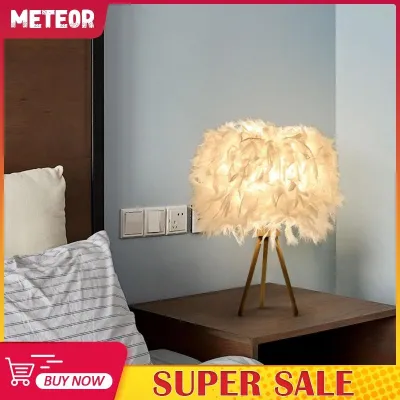
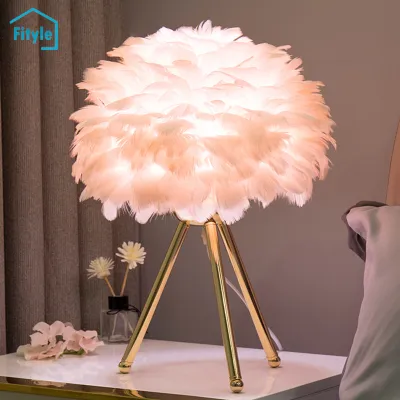
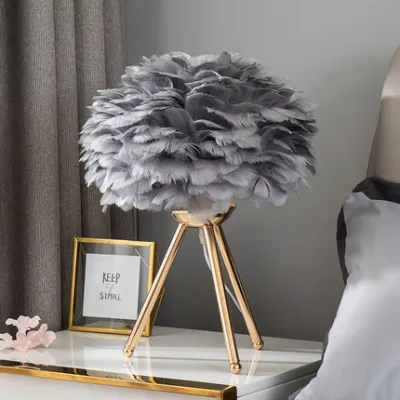
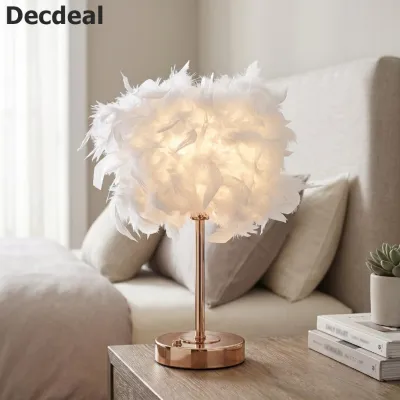
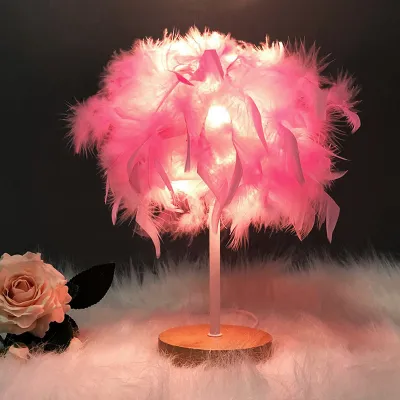
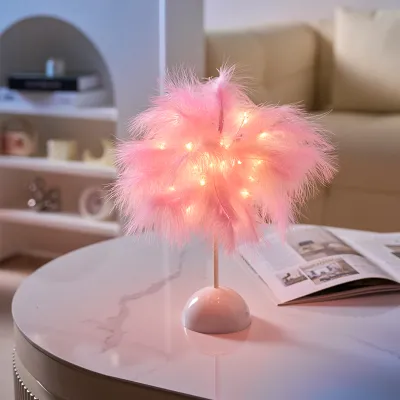
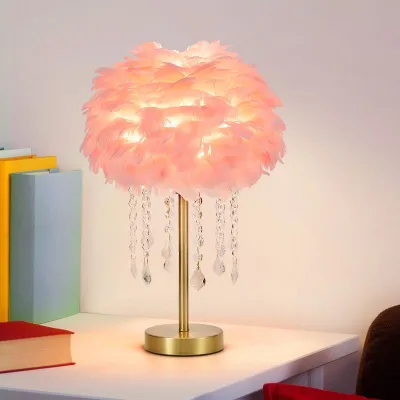
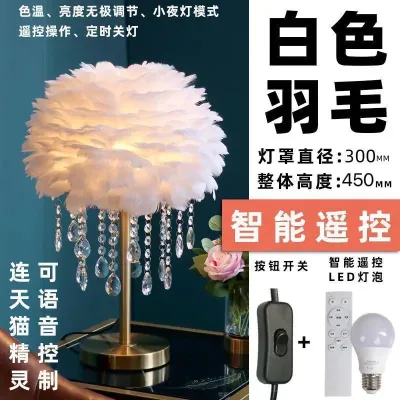
Feather lamp shades, while visually striking, are less suited for dedicated reading. The overlapping layers of feathers create a beautiful, soft ambient glow, but they also cast uneven, flickering shadows across your book pages. This makes them ideal for creating a relaxing, wind-down atmosphere before sleep rather than providing focused task lighting.
Paper lamp shades offer excellent light transmission, making your nightstand area bright and airy. However, if the paper is too thin or lacks proper opacity, it can cause significant glare that tires your eyes quickly. Ultimately, your choice depends on whether you prioritize a dedicated, glare-free reading light or a soft, decorative accent for your bedroom.
Products mentioned in this guide
Prices are valid at publication and may change. Please refer to the product page for the latest price.
How Feather, Fabric, and Paper Shades Affect Reading Light
To understand how different lamp shades perform, it is helpful to look at the physics of light diffusion. When light leaves a bare bulb, it travels in straight lines. Without a shade, this direct light hits your eyes as intense glare, causing the pupils to constrict and forcing the eye muscles to work harder to focus on text. A lamp shade acts as a barrier that scatters, absorbs, or redirects these light rays.

The material you choose determines how much light passes through the shade (transmission) and how evenly it is scattered (diffusion). Density, texture, and color all play critical roles in this process. By selecting the right material, you can create a comfortable contrast between your reading surface and the rest of the bedroom, which is essential for reducing ocular fatigue during late-night reading sessions.
Feather Lamp Shades: Soft Diffusion and Shadow Play
Feather lamp shades are constructed by attaching natural or synthetic feathers to a wire frame, creating a dense, multi-layered dome. Because feathers are naturally semi-opaque and vary in thickness, they absorb a significant portion of the light. The light that does escape is heavily refracted as it passes through the gaps between individual barbs and barbules, resulting in an incredibly soft, warm, and scattered illumination.
While this scattered light is excellent for relaxing the mind before sleep, it presents distinct challenges for reading. The uneven density of the feathers means that light does not exit the shade uniformly. Instead, it projects faint, irregular patterns and soft shadows onto surrounding surfaces. When you are trying to focus on small print, these subtle variations in light intensity can cause your eyes to strain as they constantly adjust to the uneven illumination on the page.
Furthermore, because feathers block a substantial amount of light, you may find the overall brightness insufficient for comfortable reading. To compensate, you might be tempted to install a higher-lumen bulb. However, you must carefully verify the lamp base’s maximum wattage rating and electrical specifications. In the Philippines, where household electrical systems run on a standard 220V supply, using an incompatible or excessively high-wattage bulb in a delicate feather shade can lead to dangerous heat buildup.
Fabric Lamp Shades: Even Illumination and Glare Control
Fabric lamp shades are the industry standard for task lighting, and for good reason. Typically made from woven textiles like linen, cotton, burlap, or silk blends, these shades feature a regular, predictable weave. This uniform structure allows light to pass through evenly, filtering out the harshness of the bare bulb while maintaining a steady, reliable output across the entire surface of the shade.
This consistent diffusion is highly effective at eliminating glare. When reading, you receive a smooth wash of light that illuminates your book without hot spots or distracting shadows. Fabric shades also offer excellent control over the direction of the light. By choosing between a softback shade (where light filters through the fabric sides) and a hardback shade (which features a reflective plastic or card lining), you can decide exactly how much light is directed downward onto your nightstand.
For dedicated reading, a light-colored fabric shade with a subtle texture—such as a cream or off-white linen—is often the ideal choice. It allows enough lateral light transmission to gently illuminate the immediate bedroom environment while directing a focused pool of light downward. If you prefer to read while your partner sleeps, a darker or thicker fabric shade with a gold or silver hardback lining will restrict side light completely, focusing the illumination strictly onto your side of the bed.
Paper Lamp Shades: Bright Transmission and Potential Glare
Paper lamp shades, which include traditional rice paper, heavy parchment, and modern woven wood-paper hybrids, are celebrated for their clean lines and high light transmission. Because paper is generally thinner and more translucent than fabric, it allows a larger percentage of the bulb’s light to pass directly through. This creates a bright, highly efficient source of illumination that can make a small bedside area feel open and energetic.
However, this high transmission rate is a double-edged sword for bedside readers. If the paper material is too thin, it will fail to diffuse the light source adequately. You may still see the bright, concentrated hot spot of the bulb glowing through the shade, which can cause discomforting glare when you look up from your book. Prolonged exposure to this uneven contrast can lead to dry eyes, headaches, and general reading fatigue.
To make a paper shade work for reading, you must pair it with the right light source. Opting for a frosted LED bulb rather than a clear one helps pre-diffuse the light before it even hits the paper. Additionally, selecting a slightly thicker, textured parchment paper rather than a highly translucent white rice paper can help strike the right balance between bright ambient light and comfortable, glare-free task illumination.
Aesthetics, Maintenance, and Bedroom Suitability
Beyond light quality, choosing a lamp shade involves practical daily considerations. Your bedroom is a personal sanctuary, but it is also an environment subject to dust, humidity, and temperature changes. Understanding how feather, fabric, and paper shades perform in these real-world conditions will ensure your lighting choice remains beautiful and functional for years to come.
Aesthetics & Decor
The visual impact of your lamp shade set the tone for your entire bedroom design. Feather shades introduce a sense of luxury, softness, and bohemian elegance. They act as sculptural statement pieces that draw the eye, making them perfect for bedrooms that prioritize texture and a cozy, glamorous feel.
Fabric shades offer unmatched versatility. Whether your bedroom features a traditional, modern, or rustic design, you can find a fabric shade to match. They are available in a vast array of colors, patterns, and shapes—from classic empires to modern drums—allowing you to easily coordinate your lighting with your curtains, bedding, or headboard.
Paper shades are the hallmark of minimalist, organic, and Japandi (Japanese-Scandinavian) design. Their simple geometric forms and natural textures bring a calm, understated serenity to a space. If your bedroom aesthetic relies on clean lines, natural wood elements, and a clutter-free layout, a paper shade will complement this style beautifully.
Dust & Maintenance
In any home, dust accumulation is inevitable, and bedside lamps are particularly prone to gathering airborne particles. Feather lamp shades are notorious dust magnets. Because of their intricate, delicate structure, they cannot be wiped down with a damp cloth. Cleaning them requires a gentle touch; you must use a hairdryer on a cool, low-speed setting to blow dust away, or carefully sweep them with a soft, clean makeup brush. This cleaning should ideally be done outdoors or in a highly ventilated area to prevent releasing allergens back into your sleeping space.
Fabric shades are significantly easier to maintain. Regular dusting with a lint roller or a vacuum cleaner equipped with a soft upholstery attachment is usually sufficient to keep them looking fresh. For minor stains or spills, many fabrics can be gently spot-cleaned with a damp microfiber cloth and a mild detergent, though you should always check the manufacturer’s care instructions first to avoid water spotting.
Paper shades require the most delicate handling of all. They are highly fragile and can easily rip, crease, or puncture during cleaning. Dust must be gently brushed away with a dry, static-duster or a soft microfiber cloth. Crucially, paper is highly susceptible to moisture. In tropical climates like the Philippines, where seasonal humidity levels can be exceptionally high, untreated paper shades can absorb moisture from the air. Over time, this can lead to sagging, warping, unsightly water staining, or even mold growth if the bedroom is not regularly air-conditioned or well-ventilated.
Safety & Heat Limits
Electrical safety is paramount when choosing any light fixture, especially for materials placed close to a bed. Every lamp base has a maximum wattage rating that must never be exceeded. Because paper and feathers are highly combustible organic materials, they are extremely sensitive to heat. Traditional incandescent bulbs generate significant heat that can scorch, discolor, or even ignite these delicate materials over time.
To mitigate these risks, it is highly recommended to use low-temperature LED bulbs with both paper and feather shades. LEDs convert the vast majority of their energy into light rather than heat, keeping the shade safe to the touch. When installing any lamp, always verify that the bulb’s wattage is well within the limits specified on the lamp’s safety label. If you are installing a heavy, suspended ceiling fixture or a wall-mounted swing-arm lamp, ensure the power is isolated at the circuit breaker before installation, and consult a qualified professional to guarantee secure mounting and proper wiring.
Decision Framework: Choosing the Right Shade for Your Nightstand
To help you make the final decision for your bedside setup, consider how your reading habits, maintenance preferences, and bedroom environment align with each material’s characteristics.
Choose Fabric if:
- You read physical books, tablets, or e-readers for an hour or more most nights.
- You require consistent, glare-free task lighting that protects your eyes from strain.
- You want a durable, low-maintenance shade that is easy to vacuum or spot-clean.
- You prefer a classic, versatile design that easily matches your existing bedroom decor.
Choose Feather if:
- Your bedside lamp is primarily used for ambient mood lighting and creating a relaxing, wind-down atmosphere.
- You do most of your reading on self-lit devices with built-in screen dimmers, or you prefer audiobooks.
- You want to make a bold, luxurious, and highly textured style statement in your bedroom.
- You do not mind performing regular, delicate dry-cleaning to keep the feathers free of dust.
Choose Paper if:
- You love minimalist, organic, or Japandi aesthetics and want a clean, simple look.
- You prefer a bright, airy room with maximum light transmission from your bedside lamp.
- You only read for short periods before sleep and are not highly sensitive to light contrast.
- Your bedroom is well-ventilated or air-conditioned to protect the paper from tropical humidity.
Verify Before You Buy:
Before finalizing your purchase, always check the technical specifications of both the lamp base and the shade. Verify the voltage compatibility (ensuring it is rated for the Philippine 220V standard) and check the socket type (such as E27 or E14) to ensure your chosen LED bulb fits perfectly. Confirm that the shade’s dimensions do not overwhelm your nightstand, and ensure you have a safe, dry location to place the lamp where it will not be knocked over or exposed to direct moisture.
Frequently Asked Questions (FAQ)
Can I use a smart bulb with a feather or paper lamp shade?
Yes, smart LED bulbs are highly recommended for use with both feather and paper lamp shades. Because smart bulbs utilize LED technology, they emit very little heat, making them exceptionally safe for delicate, heat-sensitive materials.
Using a smart bulb also allows you to customize your reading experience. You can easily program the bulb to output a bright, cool-white light for focused reading sessions, and then transition to a dim, warm-amber glow when it is time to wind down for sleep. This versatility helps compensate for the natural light-blocking properties of feather shades and the potential glare of paper shades.
How do I clean a feather lamp shade without ruining it?
To preserve the delicate structure of a feather lamp shade, you must never use water, liquid cleaners, or damp cloths, as moisture will cause the feathers to clump together and lose their fluffy texture. Instead, use a hairdryer set to its coolest and lowest speed setting to gently blow away accumulated dust.
Alternatively, you can use a clean, soft-bristled makeup brush or a feather duster to gently sweep the surface in the natural direction of the feathers. To protect your bedroom’s air quality, it is best to take the lamp shade outside or near an open window during cleaning so that loose dust and allergens are not recirculated into your sleeping area.
Community discussion
Share your experience or ask a question. Comments are reviewed before publication.