
Finding a legitimate “sollar light buy 1 take 1” deal on major e-commerce platforms requires looking past flashy promotional banners and focusing on technical specifications, seller credibility, and total checkout costs. While the prospect of doubling your outdoor lighting for the price of a single unit is highly appealing, many bundled offers are marketing tactics that mask inflated base prices or low-grade components. To secure a deal that actually survives the tropical climate of the Philippines, you must systematically verify the product details and calculate the true cost of the bundle before clicking the checkout button.
By taking a methodical approach to online shopping, you can distinguish between low-quality clearance items and genuine, high-value promotional packages. This guide provides the practical steps needed to evaluate seller legitimacy, decode technical specifications, and avoid the common pitfalls associated with budget-friendly outdoor lighting bundles.
Understanding Buy 1 Take 1 Solar Light Promotions
Evaluating bundled solar lighting deals online requires a clear understanding of how promotional pricing works on major marketplaces. Many sellers use the “Buy 1 Take 1” label as a psychological trigger to drive impulse purchases. In some cases, the base price of the single item is artificially inflated just before the promotion begins, making the bundle cost virtually the same as buying two individual units at standard retail prices. To protect your budget, always search for the single-unit listing of the exact same model to compare the individual unit price against the promotional package price.
Products mentioned in this guide
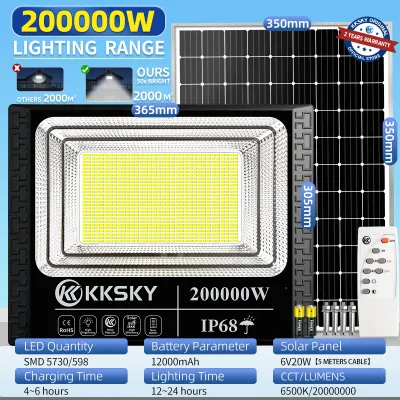
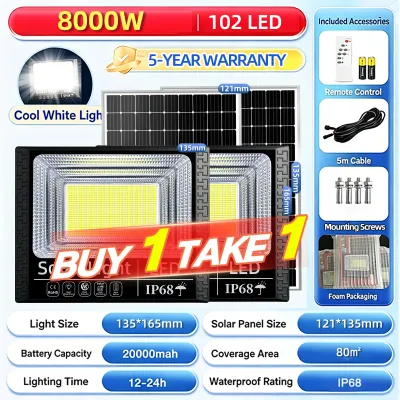
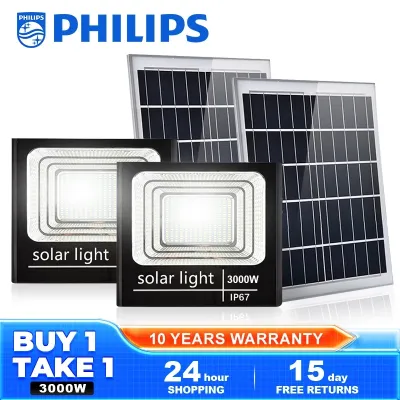
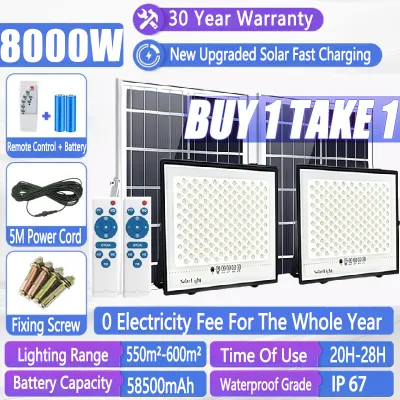
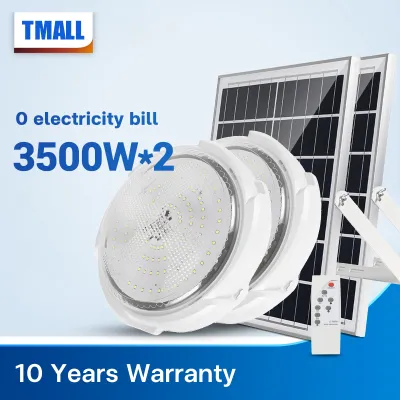
Prices are valid at publication and may change. Please refer to the product page for the latest price.
When assessing these deals, you must prioritize essential functional features over negotiable aesthetic details. A high-quality solar light must offer reliable lumen output, robust weather sealing, and durable mounting brackets. Aesthetic features, such as decorative plastic housings, multi-color RGB modes, or intricate projection patterns, do not contribute to the actual security or illumination of your outdoor space. Focus your budget on the core components—the solar panel, the battery, and the LED chips—rather than superficial design elements that may degrade quickly under intense sunlight.
To establish a sound decision logic, compare the total price of the promotional bundle against the cost of purchasing two separate, highly-rated single units during standard monthly sales. If a bundled deal offers two lights for ₱800, but a single, highly reviewed unit with verified specifications costs ₱450, the bundle saves you ₱100. However, if the bundled units use inferior batteries or lower-grade solar panels to offset the promotional discount, purchasing the single, higher-quality units is the more cost-effective choice in the long run.
How to Spot Legitimate Sellers and Avoid Quality Traps
Filtering out unreliable listings and low-quality dropshipped items requires a strict seller verification process. Start by examining the seller’s overall store rating, aiming for a score of 90% or higher, and check how long the store has been active on the platform. Stores that have been open for less than six months and feature an unusually high volume of promotional bundles warrant extra caution, as some temporary storefronts close down once they receive a wave of complaints regarding defective merchandise.

Customer reviews are invaluable, but you must look past the initial five-star ratings left immediately upon delivery. Filter the reviews to read feedback from buyers who have used the lights for several weeks or months. Look specifically for mentions of rapid battery degradation, water ingress after heavy tropical downpours, or solar panels that turn yellow and cloudy under intense UV exposure. If multiple reviews highlight that the lights stopped working after the first major rainstorm, it is a clear sign to avoid the listing.
Red flags are often easy to spot if you know what to look for in a product listing. Be wary of sellers who rely entirely on highly edited generic stock photos with superimposed digital lighting effects instead of actual photos of the physical product. Missing technical specifications, such as undefined battery capacities, vague lumen claims, or the absence of an IP rating, are major warning signs. Furthermore, prices that defy market logic—such as a pair of heavy-duty solar streetlights offered for under ₱300—usually indicate that the manufacturer has used sub-standard components that will fail shortly after installation.
Before committing to any promotional purchase, thoroughly review the e-commerce platform’s return and refund policies for defective electronic items. Standard return windows are often limited to 7 to 15 days after delivery. Because solar light defects, such as poor battery retention or water leaks, typically manifest after a few days of continuous outdoor exposure, you must test the lights immediately upon arrival. Set them up in direct sunlight for a full day and test their performance overnight before confirming receipt of the order on the app.
Essential Specifications to Verify Before Checkout
To ensure your bundled solar lights can withstand the demanding tropical climate of the Philippines, you must verify several critical technical specifications on the product label or description. The Ingress Protection (IP) rating is the most vital indicator of weather resistance. For outdoor path lights, garden stakes, or wall-mounted security lights exposed to heavy monsoon rains and high humidity, an IP65 rating is the absolute minimum requirement. For highly exposed areas like rooftops or open lawns, look for IP67 or IP68 ratings to ensure the internal circuitry remains completely dry.
Battery chemistry directly dictates the lifespan and reliability of your solar lights. Look for listings that explicitly specify Lithium Iron Phosphate (LiFePO4) batteries, which offer superior thermal stability and can endure over 2,000 charge-discharge cycles. Standard Lithium-ion (Li-ion) batteries are acceptable but have a shorter lifespan, while older Nickel-Metal Hydride (NiMH) batteries degrade rapidly in hot climates. Avoid listings that simply state “rechargeable battery” without identifying the specific chemistry, as these often contain low-capacity, recycled cells that will fail to hold a charge after a few weeks.
Solar panel wattage and charging efficiency are equally critical, especially if you plan to install the lights in partially shaded areas. Verify that the solar panel is made of monocrystalline silicon, which performs better in overcast conditions compared to cheaper polycrystalline panels. Check the physical dimensions of the solar panel; a tiny panel cannot generate enough current to fully charge a high-capacity battery, regardless of the seller’s claims. The product description should indicate a realistic charging time of 6 to 8 hours of direct sunlight to achieve a full charge.
Additionally, verify the electrical interface, voltage, and dimming methods of the lights. Many modern solar lights feature built-in Passive Infrared (PIR) motion sensors or automatic dusk-to-dawn sensors to conserve battery power by dimming the light when no motion is detected. If you are purchasing a hybrid solar light that connects to your home’s 220V AC grid as a backup power source, verify that the unit carries appropriate electrical safety certifications. For any installation involving fixed wiring, mounting at significant heights, or securing heavy suspended loads, always isolate the power source during setup, follow the manufacturer’s instructions precisely, and consult a qualified professional to ensure a safe and secure installation.
Calculating the True Cost of Your Bundle
The initial promotional price displayed on your screen is rarely the final amount you will pay. To prevent budget overruns, you must factor in shipping fees before making a decision. Solar lights, particularly heavy-duty floodlights and streetlights, contain substantial glass panels, metal brackets, and heavy battery packs. These materials make the shipping parcel bulky and heavy, which can result in high delivery charges to provinces outside Metro Manila. In some cases, these shipping fees can completely negate the savings of a buy-1-take-1 promotion.
Another hidden expense is the cost of missing installation hardware. Budget-friendly promotional bundles often include only the bare minimum mounting accessories, which may be made of low-grade plastic or thin metal that rusts quickly in humid conditions. You may need to purchase sturdier concrete anchor bolts, pole clamps, extension brackets, or waterproof junction boxes separately from a local hardware store. Factor these additional material costs into your overall budget to determine if the bundle is still a financial win.
Before tapping the final checkout button, perform a comprehensive cart verification. Add the bundle to your cart, input your exact delivery address, and apply all eligible platform vouchers, store coupons, and payment method discounts. Review the final, all-inclusive price on the checkout screen. Compare this total out-of-pocket cost against your initial budget constraint and the cost of alternative single-unit options. This final calculation ensures that you are receiving a genuine discount and that your purchase aligns with your financial expectations.
Frequently Asked Questions (FAQ)
Do buy 1 take 1 solar lights usually come with a warranty?
Promotional bundles, especially low-cost buy-1-take-1 deals, typically carry very limited or seller-dependent warranties compared to standard, full-priced retail items. Many sellers only offer a warranty that matches the platform’s standard return window, which is usually 7 to 15 days. Some established brand stores may offer a 3-month or 6-month limited warranty, but claiming this warranty often requires you to ship the defective item back to the seller at your own expense. To protect yourself, always take screenshots of the product description, warranty terms, and any chat conversations with the seller regarding warranty coverage before completing your purchase.
Can I mix and match different solar light models in a single bundle?
Most automated buy-1-take-1 promotions on e-commerce platforms are pre-packaged and locked to identical Stock Keeping Units (SKUs). This means you will receive two identical lights of the same model, wattage, and color temperature (such as cool white). If you want to mix different models, such as combining a solar floodlight with a solar path light, or if you want to receive one warm white and one cool white light, the automated checkout system will generally not allow it. You can try contacting the seller directly through the platform’s chat feature before placing your order to ask if they can manually adjust the package contents, but ensure you receive a clear, written confirmation from them before proceeding to checkout.
Community discussion
Share your experience or ask a question. Comments are reviewed before publication.