
To find the most reliable waterproof solar outdoor bulbs for the Philippines, you must look beyond basic aesthetic appeal and focus on structural durability, ingress protection, and battery resilience. The local climate presents unique challenges, including intense tropical heat, high humidity, and heavy seasonal rainfall during typhoons. Selecting the right fixture requires verifying specific technical standards, such as an IP65 or IP67 rating, choosing high-efficiency monocrystalline solar panels, and selecting robust battery chemistries like Lithium Iron Phosphate (LiFePO4) that can withstand elevated ambient temperatures. By focusing on these technical specifications, you can ensure your outdoor lighting remains functional and safe throughout the year.
Understanding Waterproof Ratings and Weather Resistance
When selecting outdoor solar lighting, understanding the Ingress Protection (IP) rating is essential for determining how well a fixture can withstand environmental elements. The IP rating system consists of two digits: the first measures protection against solid objects and dust on a scale of 0 to 6, while the second measures protection against liquids on a scale of 0 to 9. For outdoor installations exposed to heavy tropical downpours, you should look for a minimum rating of IP65. An IP65-rated fixture is protected against dust ingress and low-pressure water jets from any direction, which is generally sufficient for wall-mounted lights or fixtures sheltered under shallow eaves.
For areas that are completely exposed to the elements or prone to temporary flooding, an IP67 rating offers a much higher level of security. An IP67-rated solar bulb can withstand complete immersion in water up to one meter deep for up to thirty minutes. This level of protection is highly recommended for ground-level pathway lights, garden uplights, or fixtures installed near drainage areas where water tends to pool during intense rainstorms. Choosing a lower rating, such as IP44, may suffice for semi-sheltered patios, but these fixtures are highly susceptible to water ingress when subjected to wind-driven rain.
Products mentioned in this guide
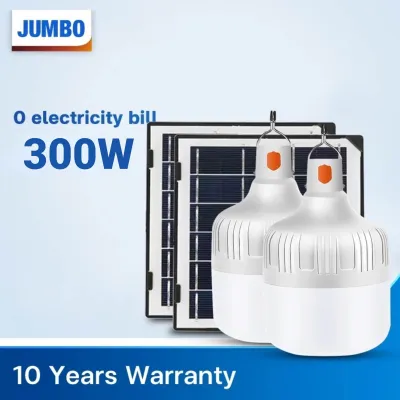
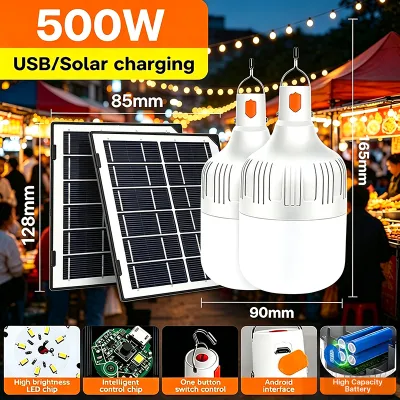
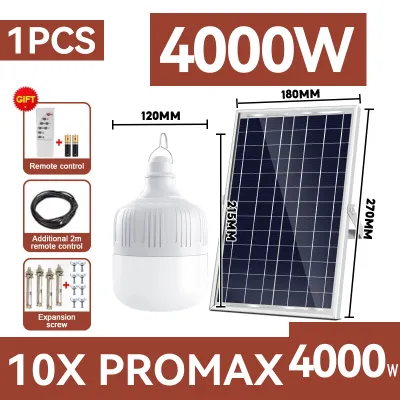
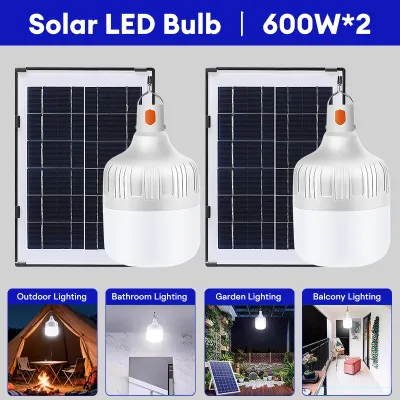
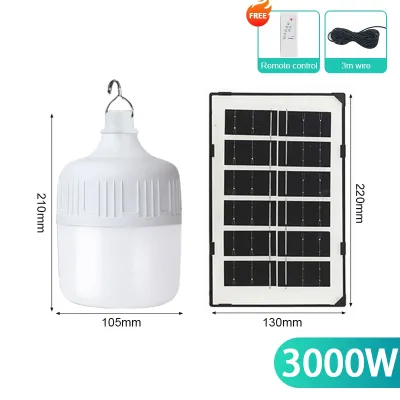
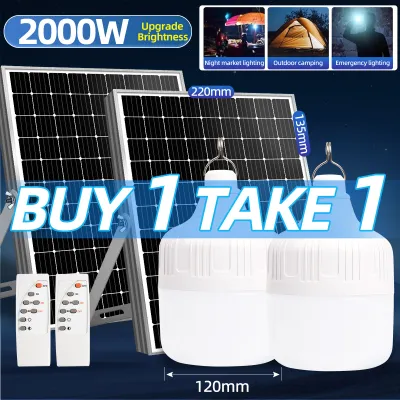
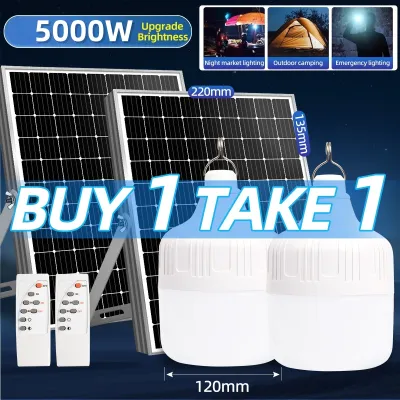
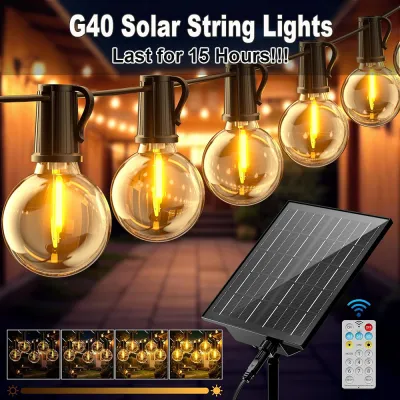
Prices are valid at publication and may change. Please refer to the product page for the latest price.
Material composition is another critical factor in determining long-term weather resistance. The intense ultraviolet (UV) radiation in tropical climates can rapidly degrade standard plastics, causing them to become brittle, yellow, and crack over time. Look for fixtures constructed from UV-stabilized polycarbonate or high-impact ABS plastics, which resist solar degradation. For metal components, anodized aluminum, brass, or stainless steel are preferred over painted carbon steel, which quickly rusts when exposed to high humidity and salty coastal air.
Over time, even high-quality waterproof seals can degrade due to constant thermal expansion and contraction. During the day, intense sunlight heats the air inside the fixture, causing it to expand; at night, sudden rain showers cool the fixture rapidly, creating a vacuum that can draw moisture past weakened seals. Regularly inspect your outdoor solar bulbs for signs of moisture accumulation, such as condensation on the inside of the lens or corrosion on the battery contacts. If you notice water droplets inside the housing, it is a clear indication that the waterproof seal has failed, and the fixture should be dried and resealed or replaced to prevent electrical short circuits.
Key Performance Features for Tropical Climates
Selecting the right solar bulb involves balancing light output, color temperature, and operational modes to suit your specific outdoor space. Light output is measured in lumens, which indicates the total amount of visible light emitted by the source. For decorative accent lighting along garden borders or pathways, a lower output of 50 to 150 lumens is usually sufficient to create a welcoming atmosphere without causing harsh glare. For security perimeters, driveways, or active work areas, you will require fixtures that deliver 300 to 800 lumens to ensure adequate visibility and safety.

Color temperature, measured in Kelvin (K), significantly influences both the visual appeal and the functionality of your outdoor lighting. Warm white light (2700K to 3000K) produces a soft, yellowish glow that is ideal for creating a relaxing ambiance in outdoor living areas, patios, and gardens. Additionally, warm white light is less attractive to nocturnal insects, which are highly drawn to the blue wavelengths of cool white light (5000K to 6500K). Cool white light, however, provides high-contrast illumination that is excellent for security lighting, as it enhances detail and visibility in dark corners.
The operational mode of your solar bulb directly impacts its energy consumption and nightly runtime. Dusk-to-dawn fixtures use a built-in photocell to automatically turn the light on at sunset and off at sunrise, operating continuously throughout the night. While this provides constant illumination, it can rapidly deplete the battery, especially during consecutive cloudy days when the solar panel cannot fully charge. This continuous drain can lead to premature battery failure and dark nights when you need light the most.
To optimize energy efficiency, consider fixtures equipped with Passive Infrared (PIR) motion sensors. These lights typically operate in a low-power dim mode or remain off entirely until they detect movement within a specified range, at which point they switch to full brightness for a set duration. This motion-activated system significantly reduces overall battery consumption, ensuring that the light remains functional even after several days of poor weather. For security applications, motion-activated lights also serve as an effective deterrent against unauthorized entry.
Evaluating Solar Panel and Battery Efficiency
The reliability of an outdoor solar bulb depends heavily on the efficiency of its solar panel and the storage capacity of its internal battery. Solar panels are primarily categorized into monocrystalline and polycrystalline types. Monocrystalline panels are constructed from a single, high-purity silicon crystal, which allows electrons to flow more freely, resulting in higher energy conversion efficiencies of 15% to 22%. This high efficiency makes monocrystalline panels the preferred choice for tropical regions with frequent afternoon cloud cover, as they can generate more electricity in low-light and diffused-light conditions.
Polycrystalline panels, made by melting multiple silicon fragments together, are more cost-effective to manufacture but offer lower conversion efficiencies, typically between 13% and 16%. While polycrystalline panels are suitable for areas that receive consistent, unobstructed sunlight throughout the day, they require a larger surface area to produce the same amount of power as a monocrystalline panel. If your installation site experiences partial shading from nearby trees or structures, investing in monocrystalline panels will ensure more reliable performance.
Battery chemistry is equally critical, as the battery must store the generated solar energy and discharge it safely over several hours. Traditional Nickel-Metal Hydride (NiMH) and standard Lithium-ion (Li-ion) batteries are common in budget-friendly fixtures, but they have limited lifespans and can degrade rapidly when exposed to high ambient temperatures. Lithium Iron Phosphate (LiFePO4) batteries represent a significant upgrade, offering exceptional thermal stability, a lower risk of thermal runaway, and a much longer cycle life. A LiFePO4 battery can often withstand over 2,000 charge-discharge cycles, compared to just 300 to 500 cycles for standard Li-ion batteries, making them highly durable for hot climates.
When evaluating manufacturer claims regarding charging and runtime, it is important to apply a realistic buffer. A product manual may state that a fixture requires 6 hours of charging to provide 12 hours of light, but this is typically based on ideal laboratory conditions with peak solar radiation. In practice, local weather patterns, seasonal variations, and atmospheric humidity will reduce the actual solar energy harvested. To ensure reliable performance year-round, look for fixtures with an oversized solar panel and a battery capacity that can support at least two nights of operation on a single full charge.
Installation and Safety Considerations
Proper installation is vital to maximize the efficiency of your solar bulbs and ensure they remain secure during severe weather. Begin by identifying installation locations that receive direct, unobstructed sunlight for at least 6 to 8 hours daily. Avoid placing solar panels directly under dense tree canopies, roof overhangs, or in the shadow of walls, as even partial shading on a single cell can drastically reduce the power output of the entire panel. If possible, angle the solar panel toward the south or south-southwest to capture the maximum amount of solar radiation throughout the year.
Mounting hardware must be selected based on the structural surface and the local wind conditions. During typhoon season, high winds can exert immense force on outdoor fixtures, easily dislodging poorly secured lights. For wall-mounted fixtures, use heavy-duty masonry anchors and stainless steel screws to secure the mounting brackets to concrete or brick walls. For ground-mounted pathway lights, ensure the stakes are driven deep into compacted soil; in loose or sandy soil, you may need to reinforce the base with a small concrete footing to prevent the fixture from tilting or blowing away.
While low-voltage solar lighting systems operating between 3.2V and 12V are generally safe for DIY installation, certain scenarios require professional assistance. If your installation involves mounting heavy fixtures at heights exceeding three meters, working near overhead power lines, or integrating solar components with existing 220V AC mains-powered outdoor lighting, you should consult a qualified electrical professional. Always ensure that the main power supply is isolated before performing any electrical work, and follow the manufacturer’s installation instructions precisely to maintain the validity of the product warranty and ensure long-term safety.
How to Build Your Shortlist: A Step-by-Step Checklist
To simplify your purchasing decision, you can build a practical checklist to evaluate different solar bulb options on ecommerce platforms or at local hardware stores. Start by defining your specific use case and setting a realistic budget. High-quality waterproof solar bulbs typically range from ₱300 to ₱1,500 per unit, depending on the materials, battery chemistry, and light output. By establishing your primary goal—whether it is pathway safety, decorative garden accenting, or high-intensity security—you can narrow down the required specifications and avoid overspending on unnecessary features.
Next, verify the technical specifications of each candidate on your shortlist. Ensure the product listing explicitly states an IP65 or IP67 rating, a monocrystalline solar panel, and a LiFePO4 battery. Avoid products that use vague terms like “highly waterproof” without providing an official IP rating, as these fixtures often fail during the first heavy rainstorm. Additionally, check if the manufacturer offers a clear warranty—ideally at least six months to one year—and verify if replacement batteries or parts are readily available, which can significantly extend the overall lifespan of your investment.
Finalize your selection by leveraging user reviews on online marketplaces to assess real-world performance. Look for reviews written by buyers who live in high-humidity or coastal areas, as their experiences will provide valuable insights into how the fixtures hold up against corrosion and moisture ingress. Pay close attention to any recurring complaints regarding rapid battery degradation, water accumulation inside the lens, or physical damage caused by wind. A fixture with consistently positive feedback regarding its durability during rainy seasons is a strong candidate for your outdoor lighting setup.
Frequently Asked Questions (FAQ)
How do I clean solar panels to maintain charging efficiency?
To clean your solar panels safely, use a soft microfiber cloth or a non-abrasive sponge dampened with clean, mild soapy water. Avoid using harsh chemical detergents, abrasive scrubbing pads, or high-pressure water sprays, as these can scratch the protective glass coating or compromise the waterproof seals around the panel frame. It is best to clean the panels early in the morning or late in the afternoon when the glass is cool; wiping a hot solar panel with cold water can cause thermal shock, leading to cracks in the glass. Regularly removing dust, bird droppings, and fallen leaves ensures maximum sunlight absorption and optimal charging efficiency.
Why is my solar bulb dimming earlier than expected?
A solar bulb that dims prematurely is often experiencing insufficient battery charging, which can be caused by several environmental factors. Check if the solar panel is shaded by growing foliage, accumulated dirt, or structural overhangs that block direct sunlight. Additionally, consecutive cloudy or rainy days will limit the amount of energy the panel can harvest, resulting in an incomplete charge. If the fixture is clean and receives ample sunlight, the issue may be due to natural battery degradation over time, which reduces its overall storage capacity. Finally, ensure that nearby artificial light sources are not tricking the built-in light sensor into turning the bulb off or dimming it prematurely.
Can I replace the battery inside a sealed solar bulb?
Whether you can replace the battery depends entirely on the design of the specific solar bulb fixture. Many high-quality fixtures feature a dedicated, accessible battery compartment with a rubber gasket seal, allowing you to replace the battery easily by following the manufacturer’s instructions. However, in many fully integrated, budget-friendly waterproof units, the battery is permanently soldered and sealed inside the housing to maintain a high IP rating. Attempting to open a permanently sealed unit will typically void the manufacturer’s warranty and compromise the waterproof integrity of the fixture, making it highly susceptible to water damage. If the battery in a sealed unit has reached the end of its lifespan, it is generally safer and more reliable to replace the entire fixture.
Community discussion
Share your experience or ask a question. Comments are reviewed before publication.