
Placing a floor lamp in a living room corner is one of the most effective ways to soften harsh shadows, reclaim underutilized space, and establish a warm, inviting atmosphere. However, selecting the wrong lamp shade can quickly turn a cozy nook into a cramped, poorly lit bottleneck. The ideal corner lamp shade must balance physical dimensions with light-distribution needs, ensuring the fixture complements your room layout without obstructing walkways.
In Philippine homes, where living spaces range from compact high-rise condominiums to breezy, open-plan suburban houses, choosing a shade requires careful consideration of both spatial dynamics and environmental factors. High humidity, dust, and varying ceiling heights all influence how a shade performs over time. By understanding how different shapes, materials, and fitters interact, you can select a shade that enhances your interior decor while providing the exact type of illumination your household requires.
Identifying Your Corner Lighting Purpose
Before browsing styles, you must define what you want the corner light to achieve. A corner lamp can serve as a primary source of ambient light, a focused task light for a nearby reading chair, or a subtle accent that highlights architectural features or indoor plants. Each of these functions demands a different style of light distribution, which is directly controlled by the design of the lamp shade.
Products mentioned in this guide
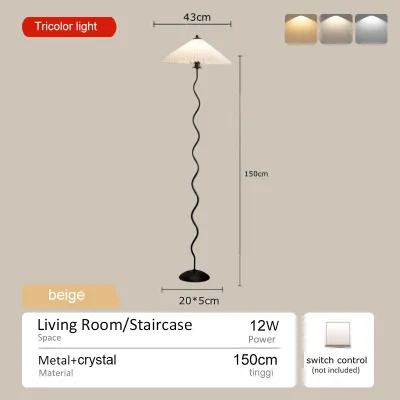
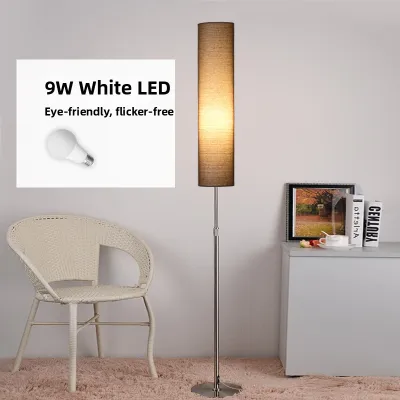
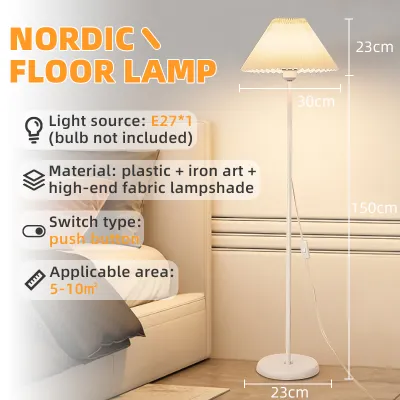
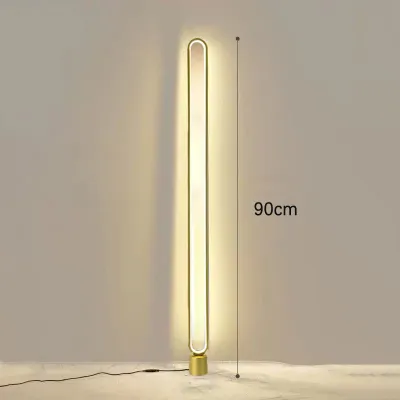
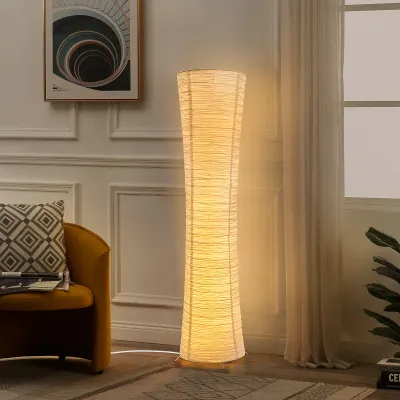
Prices are valid at publication and may change. Please refer to the product page for the latest price.
If your goal is ambient lighting to brighten the entire room, you need a shade that allows light to escape both upward and downward while diffusing light through its sides. This dual-direction output bounces light off the ceiling and walls, creating a soft, generalized glow that reduces eye strain during evening relaxation. For corners situated next to a deep armchair or a writing desk, task lighting becomes the priority. In this scenario, a semi-opaque shade that directs a concentrated beam downward is far more useful, as it prevents stray light from causing glare on television screens or reading materials.
Accent lighting, on the other hand, focuses on creating visual depth and drama. An opaque shade made of thick paper, metal, or heavy fabric restricts light from passing through the sides, channeling it instead into dramatic cones of light at the top and bottom. This effect is particularly striking in corners featuring textured walls, indoor palms, or artwork, as it casts intriguing shadows and highlights vertical lines. Assessing the proximity of the corner to high-traffic walkways is also essential; a lamp placed too close to a main path requires a streamlined profile to prevent accidental bumps.
Choosing the Right Shape and Size for Tight Spaces
The physical shape of a lamp shade dictates how well it tucks into a corner and how much physical and visual space it occupies. Traditional drum shades, characterized by their symmetrical vertical sides, are highly popular for their clean, modern aesthetic. Because they maintain the same diameter at the top and bottom, they distribute light evenly but can feel visually heavy in exceptionally tight corners. If you select a drum shade, ensure its diameter leaves at least a few inches of clearance from the adjacent walls to prevent the fabric from pressing against the paint.

Empire and coolie shades feature a tapered design, with a narrow top opening that flares out significantly at the bottom. This classic silhouette is excellent for directing a wide pool of light downward, making it a traditional favorite for reading corners. However, the wide bottom flare can be problematic in narrow spaces, as it may protrude into walkways or collide with nearby furniture. For tight corners, a rectangular or oval shade offers an ingenious solution. These shapes feature a shallow depth that allows the lamp to sit flush against the wall while still presenting a wide, decorative front profile.
To calculate the ideal shade size, you must measure both the lamp base and the available corner clearance. As a general guideline, the shade’s diameter should be approximately two inches smaller than the height of the lamp base from the bottom to the socket. Additionally, the height of the shade should be roughly two-thirds of the height of the lamp base. In compact living rooms, keeping the shade diameter between 12 and 16 inches usually prevents the fixture from overwhelming the space. Always measure the distance from the corner walls to the center of the lamp base to ensure the shade will not touch the wall surface once installed.
Selecting Materials for Optimal Light Diffusion
The material of your lamp shade determines how light behaves as it passes through the sides, directly affecting the room’s overall ambiance and comfort. Fabric shades, particularly those made of linen or cotton, are celebrated for their ability to diffuse light beautifully. They soften the harsh glare of LED bulbs, transforming the corner into a warm, inviting glow. Linen, with its natural slub texture, adds a touch of organic warmth that pairs exceptionally well with tropical and contemporary interior styles alike.
Paper shades offer a minimalist, clean look and are highly effective at diffusing light, but they require delicate handling and are susceptible to tearing. For a more dramatic or industrial aesthetic, metal and glass shades are excellent alternatives. Glass shades can range from frosted options that offer soft diffusion to clear, amber-tinted glass that showcases decorative filament bulbs. Metal shades, being completely opaque, block all lateral light, directing the entire output upward and downward to create high-contrast, focused illumination.
When selecting a material, pay close attention to the interior lining of the shade. A white or silver lining reflects the maximum amount of light, preserving the true color temperature of your bulb and maximizing brightness. Conversely, a gold or brass lining warms up the light, casting a rich, amber glow that enhances cozy evening moods but may alter the perceived colors of your living room decor. If you use smart bulbs with color-changing capabilities, a neutral white fabric shade with a white lining is essential to ensure colors are rendered accurately without distortion.
Ensuring Hardware and Fitter Compatibility
A common mistake when purchasing a replacement lamp shade is overlooking the fitter mechanism, which connects the shade to the lamp base. The three most common fitter types are spider, uno, and clip-on. Spider fitters are the most prevalent for floor lamps; they feature a central ring supported by spokes that rests on top of a metal support structure called a harp. If your lamp base utilizes a harp, you must ensure the new shade has a spider fitter and that the harp height matches the shade’s drop to prevent the bulb or socket from peeking out from underneath.
Uno fitters, by contrast, do not require a harp. Instead, they feature a larger central ring that slips directly over the lamp socket and is secured in place by a threaded ring or the bulb itself. These are commonly found on smaller floor lamps or downward-pointing reading lamps. Clip-on fitters attach directly to the glass envelope of the light bulb. While convenient for small accent lamps, clip-on fitters are generally not recommended for large floor lamp shades due to stability issues and the risk of heat transfer from the bulb to the shade frame.
Before finalizing your purchase, verify the manufacturer’s maximum wattage and heat clearance specifications. Even when using energy-efficient LED bulbs, which generate significantly less heat than traditional incandescent options, adequate ventilation is crucial. Ensure there is at least a two-inch gap between the bulb and the inner surface of the shade to prevent heat buildup. This clearance is vital for preserving the integrity of fabric linings and preventing discoloration or premature wear of the shade material over time.
Adapting to Philippine Living Room Layouts and Conditions
Operating a home in the Philippines introduces unique environmental factors that directly impact the longevity and maintenance of your home decor. High relative humidity throughout the year can cause certain materials to deteriorate rapidly. Paper shades, for instance, can absorb moisture from the air, leading to sagging, warping, or the development of unsightly water spots. Similarly, cheap fabric shades with cardboard backings may delaminate or warp in humid conditions, making durable linen or synthetic-blend fabrics with sturdy plastic backings a much more reliable choice.
Dust accumulation is another common challenge, particularly in urban areas or homes that rely on natural ventilation through open windows. Intricate textures, pleated fabrics, and dark-colored shades tend to show dust and pet dander much faster than smooth, light-colored surfaces. If you prefer a low-maintenance setup, opt for smooth drum shades made of linen or easy-to-wipe materials like glass or treated metal. These surfaces can be quickly dusted with a microfiber cloth or a soft brush, keeping your corner looking fresh with minimal effort.
The layout of your home also dictates your lighting strategy. In open-plan condominium units where the living room, dining area, and kitchen merge into a single space, a corner floor lamp serves as an excellent zoning tool. A translucent fabric shade can help define the living room boundary by casting a soft, localized glow that separates the relaxation area from the brighter task lighting of the kitchen. In traditional, enclosed living rooms, a corner lamp can be used to soften dark corners, making the entire room feel larger and more balanced.
Final Safety and Sizing Checklist Before Buying
Before purchasing your new floor lamp shade, take a moment to perform a final safety and stability check. A larger or heavier shade can alter the center of gravity of your floor lamp, making it prone to tipping over if bumped. Gently nudge the top of your lamp base to test its stability; if the base feels light or wobbly, avoid heavy glass or metal shades and opt instead for lightweight fabric or synthetic alternatives. This is especially important in households with active pets or young children.
Next, double-check the product label for heat tolerance and electrical compatibility. Ensure the shade’s frame does not obstruct the ventilation paths of your lamp base, and verify that the socket is rated for the weight of the new shade if you are using an uno-style fitter. If your floor lamp features integrated smart home technology, dimming capabilities, or complex multi-bulb configurations, ensure the shade does not block any infrared sensors or wireless receivers located near the socket.
For any installations involving fixed wall-mounted fixtures, damp-rated outdoor corners, or complex rewiring of vintage floor lamps, always prioritize safety. Turn off the main power supply before handling any electrical components, and do not hesitate to consult a qualified professional electrician if you encounter damaged wiring, loose sockets, or incompatible electrical interfaces. Taking these precautions ensures your new corner lighting setup remains a safe, beautiful, and functional addition to your home for years to come.
Frequently Asked Questions (FAQ)
Can I use a drum shade on a torchiere floor lamp?
Torchiere floor lamps are specifically designed to project light upward toward the ceiling to provide indirect ambient illumination. Because of this upward-facing design, they typically feature a specialized bowl-shaped glass or metal shade that is integrated into the fixture. Standard drum shades, which rely on a spider or uno fitter to sit around a downward-pointing or upright bulb, are generally incompatible with torchiere bases. Attempting to force a drum shade onto a torchiere can block the upward light path, cause overheating, and create a tipping hazard due to improper weight distribution.
How do I clean fabric lamp shades in humid environments?
To clean fabric lamp shades in humid climates, always start by reviewing the manufacturer’s care label for specific instructions. For regular maintenance, use a dry microfiber cloth, a soft-bristled brush, or a lint roller to gently remove accumulated dust and pet hair. Avoid using wet cloths or unverified liquid cleaners, as moisture can dissolve the water-soluble glues holding the fabric to the inner frame, leading to staining, warping, or mold growth. If a deep clean is necessary, consult a professional cleaner or use a dry-cleaning sponge designed specifically for delicate fabrics.
What is the best shade color to maximize brightness in a dark corner?
To maximize brightness in a dark corner, select a light-colored shade, such as white, cream, or soft beige, with a highly reflective white or metallic silver interior lining. These light colors allow the maximum amount of light to pass through the fabric while reflecting light efficiently out of the top and bottom openings. Additionally, check the opacity rating of the shade material and pair it with a bulb that offers a high lumen output. Darker shades, such as navy, black, or deep forest green, absorb a significant portion of the light, making them better suited for mood lighting rather than brightening a dark space.
Community discussion
Share your experience or ask a question. Comments are reviewed before publication.