
A Japanese-style floor lamp brings a serene, minimalist elegance to a living room, offering soft, diffused illumination that transforms a busy household into a tranquil sanctuary. In the Philippines, finding the right fixture requires balancing this delicate aesthetic with practical considerations like tropical humidity, local electrical standards, and daily household activity. By focusing on authentic design elements, structural stability, and electrical compatibility, you can select a lamp that not only enhances your interior decor but also operates safely and stands the test of time.
Integrating Japanese lighting into a modern home is more than just an aesthetic choice; it is an investment in how your living space feels during the evening hours. Traditional Japanese interiors rely heavily on low-level, warm light sources that sit close to the floor, creating a grounded and cozy atmosphere. Selecting a high-quality floor lamp allows you to recreate this calming environment, providing a gentle alternative to harsh overhead lighting that can make a living room feel sterile and uninviting.
Defining the Japanese-Style Aesthetic for Living Rooms
To find a truly authentic Japanese-style floor lamp, it helps to understand the core design philosophies that shape these fixtures. Traditional Japanese design is rooted in the concepts of simplicity, natural beauty, and subtle elegance. Rather than drawing attention with ornate details or bright, reflective metals, these lamps rely on clean lines, geometric symmetry, and organic textures to make a quiet statement in your living room.
Products mentioned in this guide
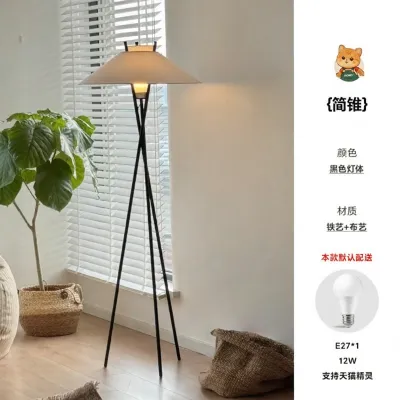
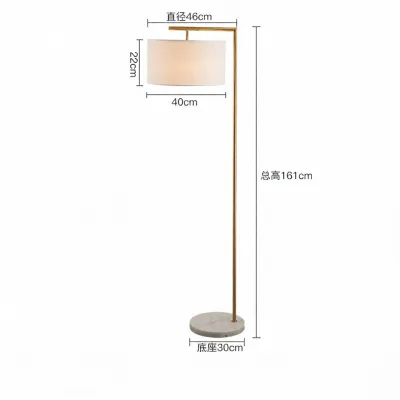
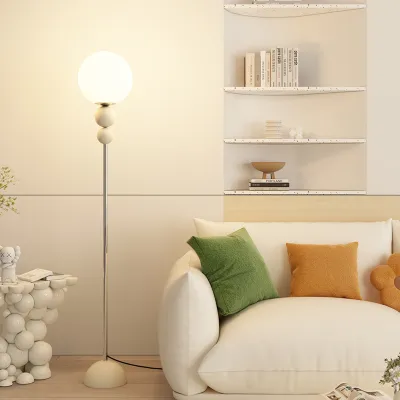
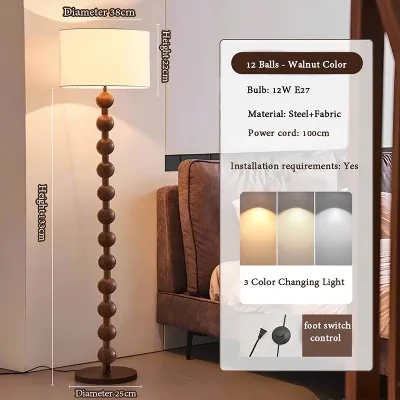
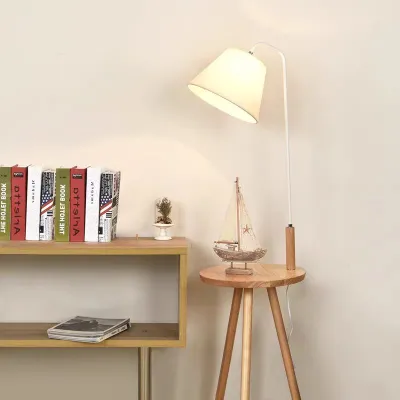
Prices are valid at publication and may change. Please refer to the product page for the latest price.
Minimalist silhouettes are a hallmark of this style, often featuring straight vertical columns, simple wooden lattices, or clean cylindrical shapes. This understated structure allows the lamp to blend seamlessly into various interior styles, from modern minimalist to rustic Japandi. The balance is always deliberate, ensuring that the fixture occupies its physical space without overwhelming the surrounding furniture or visual flow of the room.
Natural materials play a vital role in establishing this aesthetic connection to the outdoors. Authentic designs frequently incorporate sustainably sourced woods, bamboo, rattan, or traditional handmade paper. These materials possess inherent textures and imperfections that add warmth and character to the room, reflecting a deep appreciation for the natural aging process of organic elements.
Perhaps the most critical element of a Japanese floor lamp is how it manages light distribution. The light source is almost always completely shielded by a translucent shade, which scatters the light evenly in all directions. This heavy diffusion eliminates harsh shadows and glare, casting a warm, ambient glow that mimics the soft quality of filtered sunlight passing through a paper sliding door.
Key Selection Criteria for Philippine Homes
When shopping for a Japanese-style floor lamp in the Philippines, electrical safety must be your primary consideration. Many authentic lamps imported directly from Japan are manufactured to operate on a 100V or 110V electrical system. Connecting a 110V lamp directly to a standard Philippine 220V outlet will cause immediate electrical damage, ruin the fixture, and pose a serious fire hazard. Always verify that the lamp is rated for 220V compatibility before making a purchase.

In addition to voltage, pay close attention to the plug type attached to the power cord. Standard outlets in the Philippines typically accommodate Type A (two flat parallel pins) or Type B (two flat pins with a round grounding pin) plugs. If your chosen lamp features a different plug standard, you will need a safe, high-quality adapter. Ensuring the plug fits securely into your wall outlet prevents loose connections that can cause sparking or electrical shorts.
Structural stability is another crucial factor, especially in active households with children, pets, or high foot traffic. Lightweight paper lamps can easily tip over if they are bumped or exposed to strong drafts from open windows or floor fans. Look for models that feature a weighted base made of solid wood, metal, or stone to lower the center of gravity and keep the lamp firmly anchored to the floor.
Finally, check the bulb socket specification and maximum wattage limits of the fixture. The standard screw-in bulb base in the Philippines is the E27 socket, which is widely available in local hardware stores and supermarkets. Choosing a lamp with an E27 socket ensures you can easily find energy-efficient LED replacement bulbs in your preferred color temperature without needing specialized adapters or hard-to-find bulb sizes.
Matching Lamp Styles to Living Room Layouts
Different areas of your living room serve distinct purposes, and your choice of floor lamp should reflect the specific activities that take place in those zones. For a dedicated reading nook or a cozy armchair setup, look for a Japanese-style lamp that offers a balance of ambient diffusion and functional downward light. A lamp with an adjustable height or a cantilevered wooden arm allows you to direct the light exactly where you need it without creating distracting glare on your book or tablet.
If you plan to place the floor lamp directly beside a sofa or sectional, prioritize mid-height designs with heavily diffused shades. These lamps should stand at a height where the light source remains shielded from your eyes when you are seated. A well-diffused shade prevents the light from reflecting off television screens or mobile devices, ensuring a comfortable viewing experience for everyone in the room while maintaining a warm, social atmosphere.
For empty corners or transition zones between rooms, taller and more sculptural silhouettes work exceptionally well. Column-style lamps that stand over five feet tall can act as functional art pieces during the day and beautiful light sources at night. Placing these lamps in corners allows the light to wash gently against the adjacent walls, which bounces indirect illumination back into the room and helps make smaller living spaces feel larger and more open.
Consider the overall scale of your living room furniture when selecting the physical footprint of the lamp. A massive, wide-shaded lamp can crowd a compact apartment living room, while a tiny, slender column lamp might get lost next to a large, plush sectional. Aim for visual harmony by matching the visual weight of the lamp to the scale of your seating arrangements and coffee tables.
Evaluating Materials and Build Quality
Living in a tropical climate like the Philippines means your home furnishings are constantly exposed to high humidity, warmth, and seasonal dust. Traditional paper shades, while beautiful, require careful consideration in these conditions. Standard untreated paper can absorb moisture from the air, leading to sagging, discoloration, or even mold growth over time. If you prefer the look of paper, look for modern alternatives like polymer-protected paper, polyester-blend fabrics, or heat-resistant acrylic shades that mimic the texture of paper but resist moisture and are much easier to clean.
Wooden components require equal scrutiny to ensure they can withstand the local climate. Inspect the wooden base, stem, and lattice frame to confirm they have been treated with a protective sealant, lacquer, or polyurethane finish. Properly sealed wood is highly resistant to warping caused by humidity fluctuations and is less likely to attract wood-boring insects, such as termites or bukbok, which can compromise the structural integrity of the lamp.
Take the time to examine the physical hardware, joints, and electrical assembly of the lamp before finalizing your decision. Metal joints should fit together tightly without any wobbling, and the power cord should feature thick, durable insulation that resists wear. If the lamp includes a foot-pedal switch, test the mechanism to ensure it clicks cleanly and feels sturdy, as cheap plastic switches are often the first component to fail on floor lamps.
If you are purchasing a lamp that requires assembly, review the manufacturer’s instructions carefully to ensure all parts align correctly. Poorly cut joints or misaligned screw holes can result in a crooked frame that compromises both the aesthetic appeal and the physical stability of the fixture. High-quality craftsmanship is evident in clean seams, smooth wooden surfaces, and a balanced, upright posture.
Where to Source Authentic and Compatible Options
Finding high-quality Japanese-style floor lamps in the Philippines involves exploring a mix of local specialty retailers, dedicated lighting showrooms, and online platforms. Specialty home decor boutiques and Japanese-inspired furniture showrooms are excellent places to start, as they often curate pieces that are already wired and certified for the local 220V electrical system. Visiting a physical showroom also allows you to inspect the materials, feel the weight of the base, and see the actual light quality in person.
If you choose to browse general online marketplaces or international ecommerce platforms, you will find a much wider variety of designs, but you must exercise extra caution. Always read the product specifications carefully to confirm the voltage rating, plug type, and dimensions. Avoid listings that do not clearly state the electrical specifications, as these are often designed for foreign markets with different voltage standards.
Before making an online purchase, contact the seller directly to request actual, unedited photos or videos of the lamp in a real home setting. This helps you verify the true color of the wood finish, the texture of the shade, and the overall build quality, which can sometimes look different in polished promotional images. Additionally, inquire about the seller’s return policy and packaging methods, as fragile paper and wooden lamps require robust protection to survive transit without damage.
Finally, check if the retailer offers any warranty coverage or local customer support for their lighting fixtures. A reliable seller should stand behind the quality of their products and offer assistance if you encounter any electrical issues or manufacturing defects. Investing in a lamp from a reputable source gives you peace of mind and ensures you receive a safe, durable product that will illuminate your home beautifully for years to come.
Frequently Asked Questions (FAQ)
Can I use a 110V Japanese floor lamp in the Philippines?
You cannot plug a 110V Japanese floor lamp directly into a standard 220V outlet in the Philippines. Doing so will cause the bulb to blow instantly, damage the internal wiring, and potentially start an electrical fire. If you have a 110V lamp that you absolutely want to use, you must connect it to a high-quality step-down transformer that converts the local 220V power to 110V.
When selecting a step-down transformer, ensure its wattage rating exceeds the maximum wattage of your lamp by at least fifty percent to prevent overheating. Place the transformer in a well-ventilated area where it will not be covered by curtains or furniture, as these devices generate heat during operation. For a cleaner look and maximum safety, it is always highly recommended to purchase a lamp that is natively rated for 220V use.
How do I clean a traditional paper lampshade?
Traditional paper lampshades are delicate and require gentle, dry cleaning methods to prevent tearing, staining, or warping. Never use water, liquid cleaners, wet wipes, or chemical sprays on a paper shade, as moisture will dissolve the fibers, leave permanent water stains, and ruin the structural integrity of the paper. Instead, use a soft-bristled brush, a clean microfiber cloth, or a static duster to gently sweep away accumulated dust from the surface.
For deeper cleaning or to remove dust trapped in tight crevices, you can use a vacuum cleaner equipped with a soft brush attachment. Set the vacuum to its lowest suction setting and hold the brush slightly away from the paper surface to avoid pulling or tearing the material. Regular, gentle dusting once a week will keep your Japanese-style paper shade looking bright and clean without causing any physical damage.
Community discussion
Share your experience or ask a question. Comments are reviewed before publication.