
Transforming your outdoor space in the Philippines into a beautifully illuminated sanctuary does not require complex electrical wiring, trenching, or high utility bills. Movable solar lights offer a flexible, cost-effective, and energy-efficient way to light up garden paths, highlight landscaping features, and secure dark corners. Because these fixtures are not anchored by permanent electrical lines, you can easily reposition them to accommodate growing foliage, changing seasonal sun patterns, or outdoor gatherings. This adaptability makes them an excellent choice for dynamic tropical gardens that evolve throughout the year.
To make a smart investment, you must understand how to evaluate the technical specifications, materials, and designs available on the market. Selecting the right fixtures involves balancing aesthetic preferences with practical durability, especially given the intense sun and heavy rainfall characteristic of the local climate. By focusing on key performance indicators and maintenance practices, you can establish a reliable outdoor lighting system that enhances both the beauty and safety of your home.
How to Evaluate Brightness, Battery, and Portability
When shopping for movable solar lights, brightness is one of the first specifications you should verify on the product packaging. Brightness is measured in lumens, which indicates the total amount of visible light emitted by the source. For gentle pathway guidance or border marking, fixtures emitting 10 to 50 lumens are generally sufficient to create a clear trail without causing harsh glare. If your goal is security, accentuating large trees, or illuminating active outdoor seating areas, look for high-output spotlights or floodlights that deliver 100 to 300 lumens or more.
Products mentioned in this guide
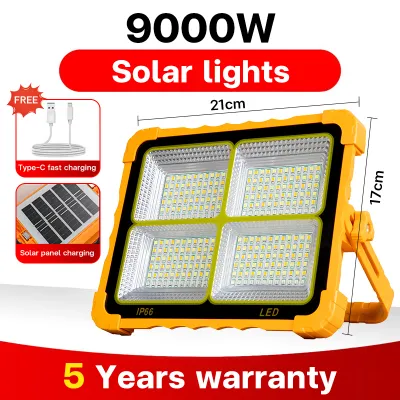
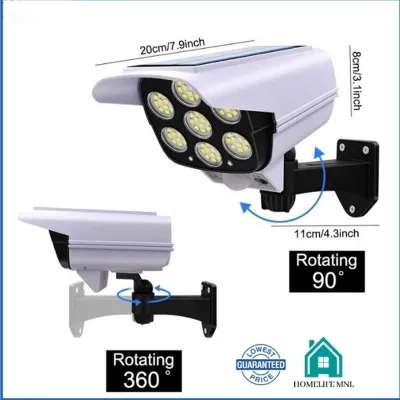
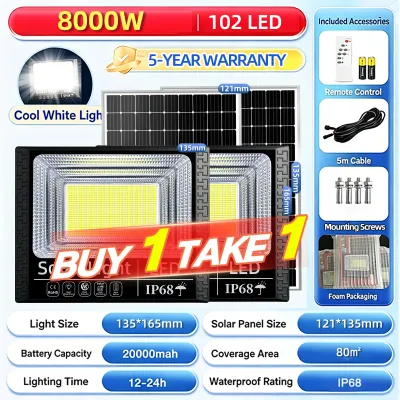
Prices are valid at publication and may change. Please refer to the product page for the latest price.
Light color temperature, measured in Kelvin (K), also plays a significant role in the overall ambiance of your garden. Warm white light, typically ranging from 2700K to 3000K, casts a soft, yellowish glow that mimics traditional incandescent bulbs, making it ideal for cozy patios and relaxing garden paths. Cool white light, ranging from 5000K to 6500K, produces a bright, bluish-white illumination that enhances contrast and visibility. Cool white is highly effective for security lighting and highlighting modern architectural features, though it can sometimes feel clinical if overused in purely decorative landscapes.
The battery is the heart of any solar light, determining how long the fixture can remain illuminated after the sun goes down. Check the product label to identify the battery chemistry and capacity, which is measured in milliampere-hours (mAh). Older or budget-friendly solar lights often utilize Nickel-Metal Hydride (NiMH) batteries, which are functional but have a shorter lifespan and lower energy density. Modern, high-quality fixtures typically feature Lithium-ion (Li-ion) or Lithium Iron Phosphate (LiFePO4) batteries, which offer superior energy storage, faster charging cycles, and better thermal stability in warm tropical climates.
Solar panel efficiency directly impacts how quickly and effectively the battery charges during the day. Monocrystalline solar panels are highly efficient and perform relatively well even on overcast days, making them a premium choice for year-round reliability. Polycrystalline panels are more affordable but require more direct sunlight to achieve a full charge. Additionally, consider the panel’s placement: integrated panels are built directly into the top of the light fixture, which keeps the design compact but requires the entire unit to be placed in direct sun. Separate, adjustable panels connect to the light via a cable, allowing you to position the light in a shaded garden bed while placing the solar panel in an unshaded, sun-drenched spot.
Portability mechanisms determine how easily you can move and adapt your lighting setup. Ground stakes, usually made of plastic or metal, allow you to push the lights directly into soil, lawns, or garden beds, making them highly stable yet easy to pull up and relocate. Hanging hooks and loops enable you to suspend lanterns from tree branches, shepherd’s hooks, or patio rafters for elevated illumination. Freestanding flat bases provide the ultimate flexibility, allowing you to place the fixtures directly on flat surfaces like concrete pathways, wooden decks, or outdoor dining tables without any installation.
Choosing the Right Light Form Factor for Your Garden
Selecting the appropriate form factor ensures that your movable solar lights serve their intended purpose effectively without cluttering your landscape. For pathways, walkways, and garden borders, low-glare stake lights are the standard choice. These fixtures are designed to direct light downward toward the ground, illuminating your footsteps while shielding your eyes from direct glare. Frosted or textured diffusers can further soften the light, creating a continuous, safe path of travel through your yard without disrupting the natural nighttime environment.

If you want to draw attention to specific focal points in your garden, such as a mature palm tree, a stone sculpture, or a water feature, adjustable spotlights are the ideal tool. These lights feature directional heads that can be tilted and locked into place, allowing you to practice uplighting or downlighting techniques. When positioning spotlights, ensure the beam is angled away from windows and seating areas to prevent unwanted glare from disturbing your family or neighbors.
For social spaces like patios, decks, and outdoor dining areas, decorative lanterns and hanging lights offer excellent ambient illumination. These portable fixtures often feature intricate cutouts, frosted glass, or simulated candle flicker effects that cast beautiful patterns and a warm, inviting glow. Because they are completely wireless and highly portable, you can easily bring them indoors during severe weather or move them to different tables depending on where your guests are gathering.
It is important to recognize the trade-offs between highly decorative aesthetic designs and functional, wide-area illumination. A beautifully crafted metal lantern with intricate filigree patterns may look stunning on a patio table, but its light output is often limited and heavily diffused, making it unsuitable for illuminating a dark, uneven pathway. Conversely, a high-output utility spotlight will provide exceptional visibility and security along a driveway, but its stark, industrial appearance may detract from the soft, natural beauty of a flower bed. A balanced garden lighting plan typically combines both functional path lights for safety and decorative accent lights for atmosphere.
Weatherproofing and Durability Checks for Philippine Gardens
The tropical climate of the Philippines presents unique challenges for outdoor electronics, making weatherproofing and material durability critical factors in your purchasing decision. Before buying any movable solar light, verify its Ingress Protection (IP) rating, which is typically printed on the packaging or product manual. The IP rating consists of two digits: the first represents protection against solid objects like dust, and the second represents protection against liquids. For general garden use, look for a minimum rating of IP44, which protects against splashing water from any direction.
For lights that will be placed directly in lawns, low-lying garden beds, or areas prone to heavy monsoon downpours, prioritize fixtures with IP65 or IP67 ratings. An IP65-rated light is completely dust-tight and can withstand low-pressure water jets, ensuring it remains functional even during torrential tropical storms. An IP67-rated fixture offers even greater protection, allowing the light to withstand temporary submersion in water, which is highly beneficial for low-lying garden areas that may experience brief flooding during heavy rains.
Material selection is equally important for ensuring long-term durability in high-humidity environments. Cheap, untreated metals will quickly rust and corrode when exposed to constant moisture and coastal salt air. Look for fixtures constructed from UV-resistant ABS plastic, high-grade stainless steel, or powder-coated aluminum. UV resistance is particularly vital, as the intense tropical sun can cause standard plastics to become brittle, yellow, and crack within a few months, leading to water leaks and electrical failure.
When purchasing solar lights from e-commerce platforms or local retail stores, take the time to review manufacturer warranties, return policies, and seller ratings. Reputable brands often provide a warranty of at least six months to a year, which gives you recourse if a fixture fails prematurely due to manufacturing defects. Be cautious of unbranded, ultra-cheap listings that offer no warranty or clear contact information, as these products are often built with sub-standard components that degrade rapidly.
Finally, check for basic electrical safety marks and compliance labels on the product or its packaging, such as CE, RoHS, or local quality assurance seals. Even though solar garden lights operate on low-voltage direct current (typically 1.2V to 3.7V) and do not pose a severe shock hazard, these certifications indicate that the internal circuitry, battery management systems, and soldering materials have been manufactured to recognized safety and environmental standards, reducing the risk of battery swelling or short circuits.
Building Your Shortlist: Balancing Cost, Value, and Lifespan
Creating a practical shortlist of movable solar lights requires balancing the upfront purchase price against the expected lifespan and overall value of the fixtures. While it is tempting to purchase cheap multi-packs that cost only a few hundred pesos (₱) online, these budget options often turn out to be more expensive in the long run due to frequent failures and replacements. Investing a bit more upfront in mid-range or premium fixtures with robust housings, efficient solar panels, and high-quality batteries generally yields a much lower cost per year of use.
To gauge real-world performance, look past the initial five-star ratings on online marketplaces, which are often written immediately after unboxing before the product has been thoroughly tested. Instead, search for detailed user reviews that mention long-term durability, specifically how the lights perform after several months of exposure to rain and sun. Pay close attention to feedback regarding actual nighttime runtime, as manufacturer claims of “10 to 12 hours of light” are often based on ideal laboratory conditions that are difficult to replicate in real-world settings.
One of the most effective ways to extend the lifespan of your solar lights and reduce electronic waste is to prioritize models with user-replaceable batteries. Many low-cost solar lights feature permanently sealed or soldered batteries; once the battery naturally degrades and loses its capacity after a year or two, the entire fixture must be thrown away. In contrast, fixtures designed with accessible battery compartments—usually secured by a few simple screws—allow you to easily swap out the old rechargeable battery for a fresh one, restoring the light to its original performance for a fraction of the cost of a new fixture.
Be vigilant for common red flags when browsing product listings and packaging. Avoid products that make unrealistic performance claims, such as advertising thousands of lumens for a tiny, inexpensive stake light, as these figures are physically impossible for small solar panels and batteries to support. Other warning signs include completely missing technical specifications, vague or absent warranty details, and packaging that lacks clear manufacturer branding or contact information. Stick to transparent brands that clearly state their lumen output, battery capacity, IP rating, and material composition.
Maximizing Solar Efficiency and Maintaining Your Lights
To ensure your movable solar lights operate at peak efficiency and provide reliable illumination throughout the night, proper placement and routine maintenance are essential. Position your lights in areas where the solar panels will receive at least six to eight hours of direct, unobstructed sunlight daily. Because the angle of the sun shifts significantly between the dry and wet seasons in the Philippines, take advantage of the lights’ portability by adjusting their positions throughout the year to avoid shadows cast by growing garden plants, walls, or roof overhangs.
Regular cleaning is vital for maintaining solar charging efficiency. Over time, a fine film of dust, pollen, bird droppings, and dried water spots can accumulate on the surface of the solar panel, blocking sunlight and reducing the energy transferred to the battery. Wipe the panels down every few weeks with a soft, damp microfiber cloth. Avoid using abrasive scrubbing pads, harsh chemical cleaners, or detergents, as these can scratch or degrade the protective plastic or glass coating of the solar cell, permanently reducing its efficiency.
When the time comes to replace the batteries in your fixtures, always follow safe procedures to prevent damage to the light and ensure personal safety. Consult the manufacturer’s manual to verify the exact battery chemistry (such as NiMH or Li-ion), voltage, and capacity required. Never mix old and new batteries, and never attempt to use non-rechargeable alkaline batteries in a solar light, as they can leak, corrode the terminals, or even rupture when subjected to the solar charging current. Always dispose of old rechargeable batteries responsibly by bringing them to designated electronic waste recycling centers.
If a solar light stops working, perform basic troubleshooting before deciding to discard it. Clean the solar panel, ensure the power switch is in the “on” position, and place the unit in direct sunlight for a full day to see if it recovers. If the light still fails to turn on, try replacing the battery with a compatible, fully charged rechargeable battery to determine if the issue lies with the battery or the internal circuitry. However, if you observe severe physical damage, such as a cracked housing, water pooled inside the electronics compartment, or a heavily yellowed and degraded solar panel, it is best to stop troubleshooting and safely recycle or replace the unit.
Frequently Asked Questions (FAQ)
Do movable solar lights work effectively during the rainy season?
Yes, movable solar lights can still function during the rainy season, but their performance will be noticeably reduced. Cloud cover and heavy rain block direct sunlight, which limits the amount of solar energy the panels can absorb and store. As a result, the battery may not reach a full charge, leading to shorter runtimes at night and dimmer light output. To maximize performance during overcast periods, ensure the solar panels are completely clean and positioned in areas that receive the maximum possible ambient light, or consider models with separate, adjustable solar panels that can be mounted higher up away from ground-level shadows.
Can I replace the batteries in my solar garden lights myself?
Whether you can replace the batteries yourself depends entirely on the design of the specific light fixture. Many high-quality movable solar lights are designed with user-replaceable battery compartments that are easily accessed by removing a few screws on the underside of the housing. For these models, you can easily swap out the old rechargeable battery for a new one of the same size, voltage, and chemistry. However, some budget-friendly or ultra-compact models feature permanently sealed housings or soldered batteries that cannot be replaced without damaging the unit. Always check the product specifications or user manual before purchasing to confirm if the battery is user-replaceable.

Community discussion
Share your experience or ask a question. Comments are reviewed before publication.