
Fire light lamps offer a safe, energy-efficient way to bring the warm, dynamic glow of a real flame into your living space without the hazards of open fire. These decorative fixtures use modern LED technology to simulate the organic movement of fire, transforming the atmosphere of any room. Whether you want to create a cozy, rustic sanctuary or add a vibrant, modern accent, choosing the right type of flame lamp depends on matching its physical design and light output with your existing interior style. By understanding the available options and verifying key electrical specifications, you can easily find a fixture that enhances your home safely and beautifully.
Understanding the Main Types of Fire Light Lamps
To select the perfect flame-effect lighting, it helps to understand the distinct structural and visual categories available. Manufacturers have developed several creative ways to mimic the organic, unpredictable motion of fire using modern electronics.
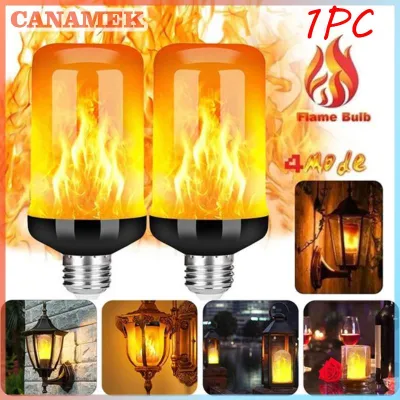
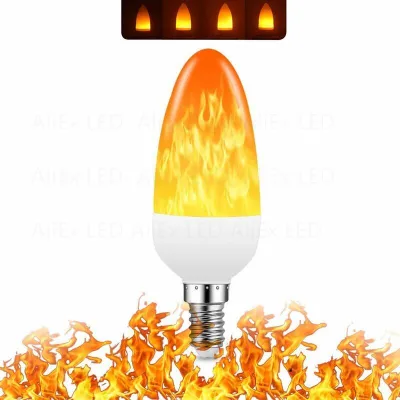
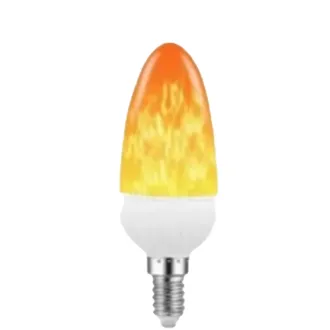
Bulb-type flame lamps are highly versatile options designed to fit into standard light sockets. These bulbs typically contain arrays of individual LEDs that light up in sequence to simulate rising flames. Many models feature built-in gravity sensors, which automatically detect the orientation of the bulb and ensure the flame always burns upward, whether the bulb is installed pointing up or hanging down. Other variations use rotating internal reflectors or static flame-shaped filaments to scatter light in a flickering pattern, making them excellent choices for outdoor post lights or indoor frosted glass fixtures.
Products mentioned in this guide
Prices are valid at publication and may change. Please refer to the product page for the latest price.
Candle-type flame lamps replicate the intimate, gentle glow of traditional wax candles. Available as slender tapers or thick pillar shapes, these lamps often feature a realistic wax-like exterior made of plastic or paraffin. The flame itself is usually a small, teardrop-shaped plastic wick that physically moves via an electromagnetic coil, or a static bulb that flickers softly using programmed LED chips. These fixtures provide a safe, smoke-free alternative for dining tables, shelves, and bedside stands where real candles would pose a fire hazard.
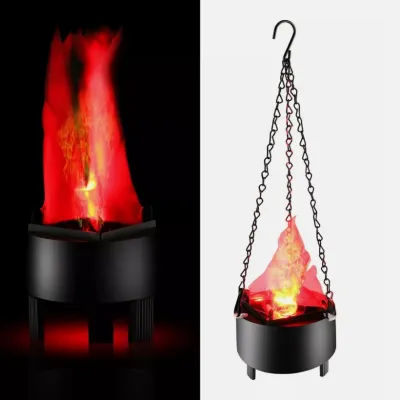
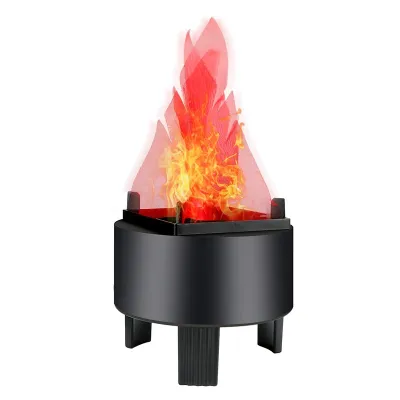
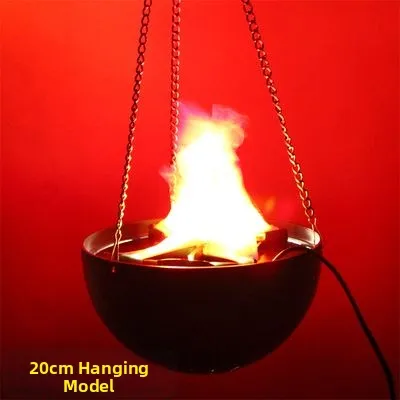
Torch-type flame lamps are larger, more structural fixtures designed to resemble medieval or rustic torches. These can be wall-mounted sconces or tall, floor-standing units. They often utilize a combination of multiple LED light strips and integrated fans that blow lightweight orange fabric to create a highly realistic, three-dimensional flame effect, or they rely entirely on advanced, high-density LED matrices to project a moving flame pattern. They serve as bold architectural statements, particularly in entryways, hallways, or themed entertainment rooms.
Neon flame lamps offer a contemporary, artistic interpretation of fire. Instead of trying to replicate a realistic flickering flame, these lamps use flexible LED neon tubing to outline the silhouette of a fire or create abstract flame patterns. They emit a bright, continuous, and highly saturated glow, typically in vibrant shades of orange, red, or warm yellow. These are popular as wall art or tabletop novelty lights, appealing to those who prefer a retro-modern or playful aesthetic over traditional realism.
Matching Fire Lamps to Your Home Decor Style
Integrating a fire light lamp into your home requires balancing the fixture’s visual design with your room’s overall aesthetic. Because flame lamps vary from historic replicas to ultra-modern neon, selecting the right category ensures the lighting feels like a natural extension of your space rather than an out-of-place novelty.

For rustic, industrial, or vintage spaces, torch-type sconces and vintage-style bulb types are ideal choices. If your home features exposed brick, dark wood beams, or wrought-iron accents, a wall-mounted torch sconce can enhance the historic, castle-like atmosphere. Alternatively, installing LED flicker bulbs inside antique-style lanterns or industrial pipe fixtures provides an authentic, flickering ambiance that complements raw, textured materials. The warm, amber glow of these lamps softens the coldness of metal and concrete, making large industrial spaces feel more inviting.
Modern, minimalist, or eclectic rooms benefit from the clean lines and vibrant energy of neon flame lamps. In a minimalist space where decor is sparse, a sleek neon flame silhouette mounted on a neutral wall serves as a striking focal point without cluttering the room. Eclectic interiors, which thrive on mixing different eras and styles, can use neon flame lights to inject a playful, retro-pop vibe. These lamps work exceptionally well in creative workspaces, game rooms, or home bars where high-contrast visual accents are desired.
For cozy, traditional, or romantic settings, candle-type lamps are the most effective choice. The soft, subtle flicker of a pillar or taper LED candle adds warmth to a traditional living room mantelpiece or a romantic dining table setup. Because these lamps mimic the gentle, low-intensity light of real wax candles, they do not overwhelm the senses, making them perfect for spaces dedicated to relaxation, such as bedrooms or reading nooks.
To help you decide, consider how the lamp’s form and function align with your room’s purpose. In a bedroom, where relaxation is the primary goal, a low-intensity candle-type lamp on a nightstand provides a soothing, sleep-friendly environment. In contrast, an entertainment area or living room focal point benefits from the dynamic movement of a torch-type fixture or a neon flame lamp, which draws the eye and sparks conversation. Matching the lamp’s visual energy to the room’s daily use ensures a cohesive and comfortable living environment.
Essential Specifications to Check Before Buying
Before purchasing a fire light lamp, verifying its technical specifications is crucial to ensure compatibility with your home’s electrical system and physical layout. Decorative lighting must be both safe and functional within its intended environment.
First, evaluate the electrical compatibility of the fixture. In the Philippines, the standard household voltage is 220V at 60Hz. When buying imported lamps or ordering online, always verify that the product is rated for 220V to prevent electrical damage or fire hazards. If the lamp uses a plug, check that the plug type matches your wall outlets (typically Type A or Type B). Alternatively, many smaller decorative lamps, such as LED candles or neon silhouettes, rely on USB power or batteries. USB-powered models offer great flexibility, allowing you to power them via phone chargers, power banks, or laptops, while battery-operated units are highly portable but require regular battery replacements.
Next, pay close attention to interfaces and bases. If you are buying a bulb-type flame lamp, you must match the bulb’s base to your existing light fixture. The most common screw-in base in local households is E27, but smaller decorative fixtures may require an E14 candelabra base. For non-replaceable integrated LED units, such as neon flame lamps or certain torch sconces, review the manufacturer’s rated lifespan, as the entire fixture will need to be replaced once the LEDs reach the end of their operational life.
Physical dimensions and weight are also critical factors. Wall-mounted torch sconces require adequate structural support, especially if they are heavy or protrude significantly from the wall. Ensure you have sufficient wall space and that the mounting surface can securely hold the fixture’s weight. For tabletop or shelf-mounted lamps, measure the designated surface area to ensure the lamp fits comfortably without risking being knocked over, particularly in high-traffic areas or homes with pets and children.
Finally, consider the control features that match your lifestyle. Basic models may only feature a simple on/off switch on the cord. More advanced flame lamps offer remote controls, allowing you to adjust the flicker speed, change color modes, or set automatic timers. Some high-end models even integrate with smart home systems, enabling you to control the flame effect via voice commands or mobile apps, which is highly convenient for hard-to-reach fixtures or scheduled evening lighting.
Installation and Safety Boundaries for Flame-Effect Lighting
While LED-based fire light lamps are significantly safer than open flames, they are still electrical appliances that require proper handling and installation to prevent accidents. Establishing clear safety boundaries ensures your decorative lighting remains a source of comfort rather than a hazard.
Heat and ventilation must be managed carefully. Even though modern LEDs generate far less heat than traditional incandescent bulbs, the internal driver circuits of flame lamps can still warm up during extended use. Always keep flame-effect lamps away from highly flammable materials such as curtains, paper decorations, or delicate fabrics. Ensure there is adequate air circulation around the fixture to dissipate any heat generated by the electronics, which also helps prolong the lifespan of the LED chips.
For hardwired fixtures, such as permanent wall-mounted torches or outdoor post lights, safety requires strict adherence to electrical protocols. Before beginning any installation or maintenance, always turn off the main power supply at the circuit breaker. If you are not experienced with electrical wiring, consult a qualified professional to handle the installation. Proper grounding and secure wire connections are essential to prevent short circuits, electrical shocks, or localized fire hazards.
Enclosed fixtures present a specific challenge for bulb-type flame lamps. If you plan to install an LED flicker bulb inside an enclosed glass globe, lantern, or ceiling fixture, you must verify that the bulb is explicitly rated for enclosed use. Enclosed spaces trap heat, and using a non-rated bulb in these conditions can cause the internal electronics to overheat, leading to premature failure or melting of the plastic housing.
Lastly, always look for recognized electrical safety certifications on the product packaging or manufacturer specifications. In the Philippines, look for the Philippine Product Safety (PS) mark or the Import Commodity Clearance (ICC) sticker, which indicate that the product has undergone rigorous safety testing. For imported goods, look for equivalent international safety marks such as CE, UL, or FCC. Avoid purchasing unbranded, ultra-cheap lighting products that lack these certifications, as they often bypass essential safety standards.
Frequently Asked Questions (FAQ)
Do fire light lamps consume a lot of electricity?
Most modern fire light lamps utilize energy-efficient LED technology, which draws very low wattage compared to traditional incandescent bulbs. A typical LED flame bulb or candle lamp generally consumes between 2 to 9 watts of electricity, making them highly economical to run even for extended periods. To determine the exact energy consumption of your specific lamp, check the product label or manufacturer specifications for the wattage rating. You can calculate the daily cost by multiplying the wattage by the hours of use and your local utility rate.
Can I use a fire light lamp outdoors?
Whether you can use a fire light lamp outdoors depends entirely on its design and weatherproofing specifications. Indoor-only models are not built to withstand moisture, dust, or high humidity, and exposing them to the elements can cause short circuits or electrical hazards. To use a flame lamp in exterior spaces like gardens, patios, or open entryways, you must verify its Ingress Protection (IP) rating on the manufacturer’s specifications. Look for fixtures with a rating of at least IP44, which indicates protection against splashing water and solid objects, ensuring safe operation in outdoor environments.
Community discussion
Share your experience or ask a question. Comments are reviewed before publication.