
Living in a modern condominium in the Philippines often means navigating compact layouts and restricted vertical space. Standard concrete slab ceilings in many local developments typically limit clearance, making traditional hanging chandeliers or low-dropping pendant lights impractical. To maintain an open, airy feel while ensuring your living spaces are brightly illuminated, flush mount spotlight ceiling lights serve as an excellent design and functional choice. These fixtures sit close to or directly against the ceiling surface, providing targeted illumination without encroaching on valuable headroom.
Selecting the ideal spotlight ceiling lights for a low-ceiling condo requires a careful balance of physical dimensions, thermal management, and light distribution. Because concrete ceilings are difficult to modify, choosing fixtures that work with existing junction boxes and wiring layouts is essential. By focusing on low-profile designs, adjustable heads, and appropriate beam angles, you can create a layered lighting scheme that makes your condo feel more spacious and comfortable.
Understanding Flush and Semi-Flush Spotlight Profiles
When shopping for spotlight ceiling lights, you will primarily encounter two structural designs: flush mount and semi-flush mount. A flush mount fixture is designed to sit directly against the ceiling surface, leaving no open space between the fixture body and the ceiling. This profile is highly effective for maximizing vertical clearance, making it the preferred choice for rooms with ceilings under 2.4 meters. By keeping the light source as high as possible, flush mounts minimize visual clutter and reduce the risk of taller residents or guests accidentally bumping into the fixture.
Products mentioned in this guide
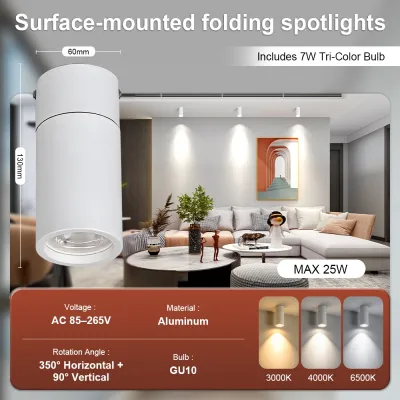
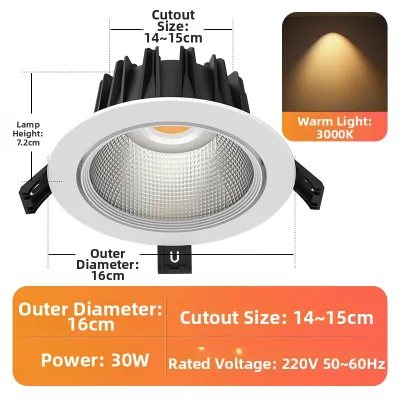
Prices are valid at publication and may change. Please refer to the product page for the latest price.
In contrast, a semi-flush mount fixture is suspended by a very short stem, collar, or mounting bracket, creating a small gap of a few centimeters between the ceiling and the light housing. While this design drops slightly lower into the room, it offers distinct functional advantages that may suit specific condo layouts. The gap allows air to circulate around the fixture, which can significantly improve heat dissipation—a crucial factor in the warm, humid climate of the Philippines. Additionally, semi-flush designs often provide easier access for bulb replacement and can accommodate decorative ceiling elements or uneven concrete surfaces more forgivingly than completely flat flush mounts.
Choosing between these two profiles depends on your specific room height and functional priorities. For ultra-low ceilings or high-traffic areas like hallways and entryways, a true flush mount spotlight keeps the pathway entirely clear. For living areas or dining zones where a tiny drop is visually acceptable, a semi-flush spotlight can offer better adjustability and thermal performance. Evaluating the exact clearance of your space will help you determine which profile maintains the best balance of headroom and utility.
Key Selection Criteria for Low-Ceiling Condos
To find the right spotlight ceiling lights for a restricted space, you must evaluate several physical and structural characteristics. The first consideration is the overall depth of the fixture. For low ceilings, look for ultra-slim profiles or compact canister designs that do not extend more than 10 to 15 centimeters downward. The diameter of the fixture should also scale with the room; a massive multi-light fixture can overwhelm a small condo bedroom or study, whereas a series of smaller, single-head spotlights can distribute light evenly without dominating the ceiling plane.

Material composition and housing design play a critical role in the longevity of both the fixture and your ceiling. Fully enclosed flush spotlight cans trap heat, which can degrade internal wiring and shorten bulb life over time. Look for fixtures constructed from high-quality aluminum or powder-coated metals, as these materials act as effective heat sinks to draw warmth away from the light source. In tropical environments where indoor humidity can remain high, choosing corrosion-resistant finishes helps prevent rust and discoloration over years of use.
Adjustability is another essential feature when selecting spotlight ceiling lights for compact spaces. Because you cannot drop the fixture lower to spread light across the room, you must rely on directional control to guide illumination where it is needed most. Look for fixtures equipped with gimbal rings, swivel heads, or multi-directional track bars. These mechanisms allow you to angle individual light beams toward walls, work surfaces, or decorative features. This directional flexibility lets you bounce light off vertical surfaces, which visually expands the room and reduces harsh, direct glare.
Evaluating Light Output and Beam Angles
The way light is distributed from your spotlight ceiling lights directly influences how spacious and comfortable your condo feels. Color temperature is a highly subjective preference, but it should align with the function of each zone. For instance, warm white light is often preferred for living areas and bedrooms to create a cozy, relaxing atmosphere after a long day. Cool white or daylight tones are highly practical for task-oriented zones like kitchen counters, home offices, and vanity areas where clear visibility is essential.
Beam angles are equally important in shaping the spatial perception of a low-ceiling room. A narrow beam angle creates a concentrated spot of light, perfect for highlighting artwork, architectural features, or specific task areas. However, relying solely on narrow spots in a low-ceiling room can create a dark, cave-like effect, leaving the upper walls and corners in deep shadow. To counter this, incorporate wider flood angles to wash light across walls. Washing vertical surfaces with light draws the eye upward, creating an optical illusion of greater ceiling height.
Always verify the manufacturer’s specified maximum wattage and lumen limits before purchasing. Low-profile housings have limited space for heat to escape, meaning installing a bulb that exceeds the recommended wattage can pose a serious fire hazard or melt plastic components. Opting for energy-efficient LED bulbs or integrated LED modules is highly recommended, as they produce significantly less heat per lumen compared to traditional halogen bulbs, keeping your condo cooler and reducing energy consumption.
Pre-Purchase Compatibility and Safety Checks
Before purchasing any spotlight ceiling lights, conducting a thorough compatibility check will save you from installation delays and safety hazards. First, verify that the fixture is compatible with the local electrical standard in the Philippines, which is typically 220V at 60Hz. If you are importing fixtures or buying from international online marketplaces, double-check that the voltage rating matches this standard to prevent electrical shorts or premature fixture failure. Additionally, confirm the bulb base type; common standards like GU10 or E27 are widely available locally, making future bulb replacements straightforward.
Next, assess the structural capacity of your ceiling’s junction box. While single flush mount spotlights are generally lightweight, multi-head spotlight bars or heavier metal fixtures require robust structural support. In many Philippine condos, ceilings are made of solid poured concrete, meaning any mounting screws must be secured with appropriate masonry wall plugs or concrete anchors. If your condo has a suspended gypsum or plasterboard ceiling, ensure the junction box is securely fastened to the metal framing studs rather than just the drywall sheet itself to prevent sagging or collapse.
Finally, inspect the product packaging or manufacturer documentation for official safety certifications. Look for recognized quality marks, such as the Philippine Standard (PS) mark or the Import Commodity Clearance (ICC) sticker, which indicate the product has undergone rigorous safety testing. If you plan to install spotlights in damp environments like bathrooms or near kitchen sinks, verify the fixture’s Ingress Protection (IP) rating. A rating of IP44 or higher is recommended for areas exposed to moisture to protect the internal electrical components from water vapor and splashes.
Installation Boundaries and Professional Requirements
Installing new spotlight ceiling lights requires strict adherence to electrical safety protocols. Before attempting any physical installation or removing an existing fixture, always isolate the power supply. Turn off the corresponding circuit breaker at your condo’s main electrical panel and use a non-contact voltage tester to verify that no electrical current is flowing through the wires. Never rely solely on a wall switch to cut the power, as improper wiring could leave live currents active in the ceiling box.
Working with concrete ceilings presents unique challenges that often require specialized tools. If your condo has solid concrete slabs, drilling mounting holes requires a rotary hammer drill and masonry bits. Standard hand drills will struggle to penetrate the concrete and can easily overheat or damage the ceiling structure. Furthermore, if you discover that your existing junction box is damaged, missing, or lacks a proper grounding wire, attempting a DIY fix can lead to dangerous electrical faults or void your building’s fire insurance.
Knowing when to stop and call a licensed electrician is vital for your safety and the integrity of your home. If your lighting upgrade requires routing new electrical conduits through concrete, installing a dimmer switch on non-compatible wiring, or handling exposed, deteriorating wires, always hire a qualified professional. A certified electrician will ensure all connections are secure, properly insulated, and compliant with the Philippine Electrical Code, giving you peace of mind that your new spotlights will operate safely for years to come.
Frequently Asked Questions (FAQ)
Can I use smart bulbs in enclosed flush mount spotlights?
Using smart bulbs in fully enclosed flush mount spotlight fixtures is generally not recommended unless the bulb is explicitly rated for enclosed use. Smart bulbs contain sensitive internal electronic components, including wireless receivers and microcontrollers, which are highly susceptible to heat damage. Because enclosed flush housings trap heat, the operating temperature inside the fixture can quickly exceed safe limits, leading to flickering, connectivity drops, or premature bulb failure. Always check both the fixture’s thermal guidelines and the smart bulb manufacturer’s specifications before installation.
How do I clean and maintain flush mount spotlight fixtures?
To keep your spotlight ceiling lights looking and performing their best, regular, gentle cleaning is essential. Always turn off the power at the wall switch and allow the bulbs to cool completely before touching the fixture to avoid burns or electrical shocks. Use a dry, clean microfiber cloth to gently wipe away dust and cobwebs from the housing and gimbal rings. For stubborn dirt on metal or glass surfaces, use a slightly damp cloth with water only; avoid harsh chemical sprays, abrasive pads, or solvents, as these can strip protective coatings and cause corrosion.
Community discussion
Share your experience or ask a question. Comments are reviewed before publication.