
Choosing the right glass wall lamp depends entirely on where it will live. While a corridor demands wide, diffused illumination to guide your steps safely through high-traffic zones, a bedside setup requires localized, glare-free light designed for winding down or reading. The physical environment of each space also dictates different design choices, from the fixture’s physical profile to the opacity of its glass shade. Understanding these distinct roles ensures you select a fixture that is both highly functional and visually cohesive.
Core Functional Differences Between Corridor and Bedside Lighting
The fundamental difference between corridor and bedside lighting lies in their primary tasks. Corridors are transitional zones where the main objective is safe navigation and wayfinding. In these narrow pathways, wall lamps must project light outward and along the walls to eliminate dark corners, helping residents and guests move confidently without stumbling. This requires a broad, ambient light distribution that illuminates a larger physical footprint.
Conversely, bedside lighting is highly localized and task-oriented. The goal here is to create a relaxing sanctuary conducive to sleep, or to provide focused illumination for reading in bed. Bedside fixtures must deliver glare-free light that does not shine directly into your eyes when you are lying down, nor should they disturb a sleeping partner.
Products mentioned in this guide
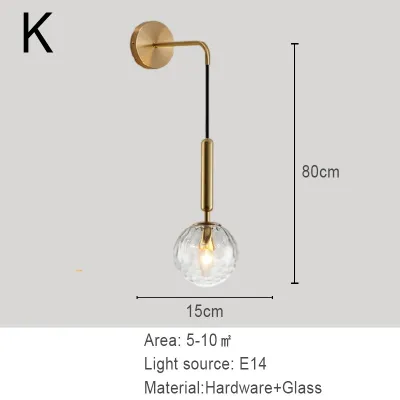
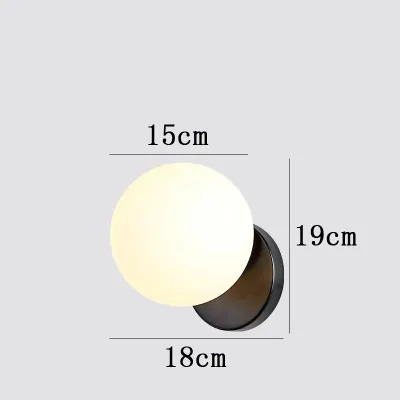
Prices are valid at publication and may change. Please refer to the product page for the latest price.
These contrasting functional needs directly dictate the physical specifications of the glass wall lamp. For corridors, clear, ribbed, or lightly frosted glass shades paired with higher-output bulbs are common to maximize light spread. For the bedside, heavily frosted, opal, or colored glass shades are preferred to diffuse the light source completely, alongside lower-wattage or dimmable bulbs that support healthy sleep hygiene.
How to Select Glass Wall Lamps for Corridors
When selecting glass wall lamps for corridors, safety and spatial constraints are your primary considerations. Because hallways are typically narrow, high-traffic areas, you must carefully evaluate the fixture’s protrusion and profile. Sconces that stick out too far from the wall can become physical hazards, easily bumped by passing shoulders or carrying bags. Look for low-profile or flush-mount designs that extend minimally into the walkway to keep the path clear.

The finish of the glass shade plays a critical role in preventing glare in tight spaces. Clear glass can expose the bare bulb, creating harsh, blinding hotspots at eye level as you walk down the hall. Opting for frosted, etched, or textured glass finishes helps scatter the light evenly, providing comfortable visibility while softening the overall aesthetic.
Brightness and color temperature must also be balanced. A cool-to-neutral white light (around 3000K to 4000K) is often suitable for corridors to ensure clear visibility, but it should not be so bright that it causes eye strain when stepping out of a dark room.
Additionally, consider the specific environment of your corridor. In tropical climates like the Philippines, hallways near open entryways, patios, or bathrooms are frequently exposed to high humidity and ambient moisture. Always verify the IP (Ingress Protection) rating on the product label to ensure the fixture is rated for damp locations if it will be installed in these semi-exposed zones.
How to Select Glass Wall Lamps for Bedside Use
Bedside glass wall lamps require a design that prioritizes comfort, adjustability, and scale. The primary objective is to eliminate harsh shadows and direct bulb visibility. When you are lying down, your viewing angle is much lower than when standing, making you highly susceptible to glare. Selecting fixtures with fully enclosed opal glass globes or downward-facing frosted shades ensures the bulb remains hidden from direct sight, casting a soft, soothing glow instead.
Control and functionality are equally important next to the bed. Consider whether you need integrated dimmers, physical switches on the fixture base, or compatibility with smart bulbs. Reaching for a wall switch across the room defeats the purpose of bedside convenience, so having a localized control mechanism within arm’s reach is essential. If you enjoy reading, look for hybrid designs that combine a soft glass ambient shade with an adjustable, directional reading arm.
The scale of the glass sconce must harmonize with your bedroom furniture. A massive glass fixture can overwhelm a small nightstand or a low-profile headboard, while a tiny sconce might look lost next to a grand king-sized bed. Measure the height of your headboard and the width of your bedside tables to ensure the fixture’s proportions feel balanced.
Finally, review the bulb compatibility of the fixture. Bedside lamps should utilize warm color temperatures (typically 2700K or lower) to minimize blue light exposure before sleep. Ensure the glass shade can accommodate warm LED bulbs that are compatible with your chosen dimming system.
Cross-Scenario Compatibility: Can One Glass Sconce Work for Both?
While corridors and bedside areas have distinct lighting requirements, it is possible to use the same glass wall lamp design in both spaces if you select a highly versatile fixture. To achieve this cross-scenario compatibility, look for neutral glass finishes, such as a classic opal or lightly frosted white glass, paired with clean, minimalist metalwork. These designs blend seamlessly into transitional spaces while providing the soft diffusion needed for a bedroom.
The key to making a single fixture design work in both zones lies in adaptability. You must use dimmable drivers or smart bulb compatibility. This allows you to run the corridor fixtures at a higher, steady brightness for safe navigation, while dimming the exact same model to a low, warm glow at the bedside.
However, keep in mind the physical limitations of this approach. A fixture with a highly adjustable, protruding reading arm that works beautifully next to a mattress will likely present a bumping hazard in a narrow hallway. Conversely, an ultra-flat, flush-mounted corridor disc might not project light downward effectively enough for comfortable bedside reading.
Installation and Safety Checks for Glass Wall Sconces
Before purchasing or mounting any glass wall lamp, conducting thorough electrical and structural safety checks is vital. First, verify the local voltage requirements on the product label; in the Philippines, residential electrical systems standardly operate at 220V. Ensure the fixture’s base, interface, and maximum wattage limits match your intended bulb type to prevent overheating the glass shade or damaging the internal wiring.
The physical weight of glass components requires careful structural assessment. Unlike lightweight plastic fixtures, heavy glass shades demand secure anchoring. If you are mounting the lamp on concrete walls—common in many Filipino homes—you must use appropriate masonry wall plugs and screws. For drywall or hollow block walls, ensure you use heavy-duty anchors or mount the bracket directly to a wall stud.
Always prioritize safety when dealing with electrical installations. For any fixed wiring, working at heights, or installing new junction boxes, isolate the power at the main circuit breaker before starting. While replacing an existing fixture on an established wall box can sometimes be a DIY task if you follow the manufacturer’s instructions carefully, running new wiring or installing complex dimming systems requires hiring a qualified, licensed electrician.
Frequently Asked Questions (FAQ)
How do I clean glass wall lamp shades without leaving streaks?
To clean glass wall lamp shades safely, always turn off the power and allow the bulb and glass to cool completely to avoid thermal shock or electrical hazards. Carefully remove the glass shade if the design allows, or wipe it in place using a dry, lint-free microfiber cloth to remove loose dust. For deeper cleaning, spray a small amount of mild glass cleaner onto the cloth rather than directly onto the fixture, which prevents liquid from seeping into the electrical sockets or damaging sensitive metal finishes.
What is the ideal mounting height for glass wall lamps in these spaces?
For corridors, glass wall lamps are typically mounted so the center of the fixture sits between 150 to 170 centimeters (approximately 60 to 66 inches) above the finished floor. This height ensures even light distribution along the path while keeping the light source out of the direct line of sight for most walking adults.
For bedside placement, the ideal mounting height depends on your mattress and headboard height. Generally, the bottom of the glass shade should sit roughly 55 to 75 centimeters (22 to 30 inches) above the mattress surface when you are sitting up. This position provides excellent illumination for reading and allows you to easily reach the physical switch without stretching, though you should always check the manufacturer’s specific instructions and adjust for your personal proportions.
Community discussion
Share your experience or ask a question. Comments are reviewed before publication.