
Quick Answer: Which Clip Light Design Suits Your Bed?
Selecting the ideal clip spot light for bedside reading depends heavily on your headboard geometry, mattress thickness, and how often you adjust your position. Neither design is universally superior, but each excels in distinct bedroom environments.
Gooseneck flexible arms offer fluid, 360-degree bendability, allowing you to snake the light source around awkward headboard shapes or low-clearance spaces. This makes them highly adaptable for thick pillow-top mattresses or shared beds where you must direct the beam away from your sleeping partner.
Rigid adjustable arms use segmented metal rods connected by mechanical hinges or ball joints. This design provides exceptional structural stability, precise horizontal and vertical beam control, and a significantly lower risk of drooping over years of use, making them perfect for dedicated reading spots with flat, sturdy mounting surfaces.
Products mentioned in this guide
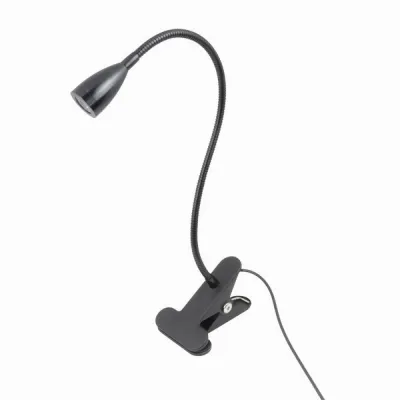
Prices are valid at publication and may change. Please refer to the product page for the latest price.
Choose a gooseneck light if: You have an upholstered, curved, or unusually thick headboard, require highly localized light to avoid disturbing a partner, or frequently change your posture from sitting upright to lying down.
Choose an adjustable arm light if: You prefer a modern, industrial, or minimalist aesthetic, want a fixture that stays perfectly still even when the bed moves, and have a flat wooden or metal frame suitable for a heavy-duty clamp.
Core Differences: Flexible Gooseneck vs. Rigid Adjustable Arms
A gooseneck design consists of a tightly wound spiral steel wire core, often encased in a secondary metal sheath or a smooth, modern silicone sleeve. This construction allows for continuous, incremental bending in any direction, relying on the friction between the metal coils to hold its shape. However, this friction-based system is subject to physical limits. If the lamp head is disproportionately heavy—containing thick glass lenses, heavy aluminum heat sinks, or integrated transformers—the neck may struggle to support the weight at extreme horizontal extensions, leading to gradual drooping. In humid tropical climates, choosing a silicone-coated gooseneck or rust-resistant treated steel is crucial to prevent moisture from degrading the internal metal coils over time.

An adjustable arm design relies on segmented, rigid metal or composite tubes linked by mechanical joints. These joints are typically tightened with thumbscrews, internal tension springs, or ball-and-socket mechanisms. Unlike the infinite, smooth curves of a gooseneck, an adjustable arm moves along specific geometric planes, resembling a miniature drafting lamp. Once the joints are locked into place, the arm maintains its exact position indefinitely without any risk of sagging. Adjusting the direction requires loosening and retightening the joints, or gently pivoting the articulated segments within their designed range of motion.
The internal wiring of a clip spot light is a critical point of long-term durability. In a gooseneck design, the electrical wire runs through the center of the flexible tube. Every time you bend or twist the neck, the wire experiences minor bending stress. High-quality manufacturers use highly flexible, multi-strand copper wire with durable insulation to prevent internal cracking. In contrast, rigid adjustable arms route the wire either externally along the segments or internally through hollow tubes that pivot around the joints. Because the joints have fixed rotation limits, the wire is subjected to less severe twisting, which often translates to a longer electrical lifespan. When evaluating joint materials, cast metal or heavy-duty brass joints offer far greater durability than thin plastic collars, which can crack under the tension required to keep the lamp steady.
Matching the Clip to Your Mattress and Headboard
The relationship between your mattress height and your headboard is a primary factor in clip light placement. Modern plush mattresses, particularly multi-layer memory foam or thick pillow-top configurations, can rise significantly above the bed frame, reducing the exposed surface area of your headboard. If your headboard is low, a rigid adjustable arm lamp may struggle to clear the top of the mattress unless clamped high up. The rigid segments require vertical clearance to pivot downward. A gooseneck light, however, can be clamped lower down on the side of the headboard or frame and bent upward and over the edge of the mattress, offering a practical workaround for tight spatial constraints.
Flat, rectangular wooden headboards or metal bars provide the most secure grip for standard spring-loaded or screw-clamp mechanisms. However, curved wooden headboards, cylindrical metal posts, or thick upholstered headboards present unique mounting challenges. Standard spring clips with flat jaws often slip off curved surfaces. For upholstered headboards, a tight clamp can compress the fabric and foam, potentially leaving permanent indentations or tearing delicate materials. To prevent damage and ensure stability, look for clips equipped with thick, high-friction silicone or rubber pads. These pads distribute the clamping force evenly, prevent slipping on polished wood or metal, and protect delicate finishes from scratches.
Before finalizing a purchase, do not guess your bed frame’s dimensions. Use a measuring tape to determine the exact thickness of the mounting surface (whether it is a headboard, bedpost, or side rail). Compare this measurement against the manufacturer’s specified maximum jaw opening for the clip spot light. A spring clip forced beyond its designed capacity will not only have a weak, unstable grip but will also put excessive stress on the spring mechanism, leading to premature failure or sudden snapping. If your headboard exceeds 5 centimeters (approximately 2 inches) in thickness, a screw-tightened C-clamp design is generally far more secure and reliable than a simple tension-based spring clip.
Light Control and Reading Posture: Stability vs. Flexibility
Bedside reading is rarely a static activity. You might begin sitting upright against a pile of pillows and gradually slide down into a reclined position as you grow tired. A gooseneck clip spot light excels at accommodating these subtle shifts in posture. With a simple, single-handed twist of the flexible neck, you can reposition the light beam to follow your book without disturbing the clamped base. Conversely, adjusting a rigid arm lamp often requires two hands—one to hold the base steady and prevent the clamp from twisting off the headboard, and the other to loosen, reposition, and retighten the joint. If you frequently adjust your light while half-asleep, the effortless, tool-free manipulation of a gooseneck is highly advantageous.
A common annoyance with bedside clip lights is mechanical vibration. When you toss and turn, adjust your pillows, or get out of bed, the entire bed frame experiences minor vibrations. Because gooseneck arms are designed to be flexible, they act like springs and can sway or wobble for several seconds after an impact. This oscillation can cause the light beam to dance across your book, leading to temporary eye strain. Rigid adjustable arms, especially those with dual-bar designs and tension springs, absorb these vibrations much faster. They remain rock-solid, ensuring that the light beam stays perfectly focused on your reading material regardless of movement on the mattress.
Precise light control is essential for a comfortable reading environment, especially if you share a bed. Spotlights are characterized by a narrow, focused beam of light. A gooseneck allows you to position the light source very close to your page, minimizing the spill of light across the bed and keeping your partner’s side of the room dark. However, the physical body of a thick gooseneck can sometimes get in your line of sight, casting a shadow if positioned directly between your eyes and the book. Rigid adjustable arms allow you to position the light source higher and further back, casting a wider, more even pool of light. While this provides excellent glare-free reading for you, it may result in more ambient light spilling onto your partner’s side of the bed.
Feature Comparison: Gooseneck vs. Adjustable Arm Clip Lights
To help you quickly compare the structural and functional differences between these two clip spot light designs, the table below outlines how each performs across key decision-making dimensions.
| Feature / Dimension | Gooseneck Flexible Arm | Rigid Adjustable Arm |
|---|---|---|
| Range of Motion | Infinite 360-degree fluid bending | Segmented, multi-angle jointed movement |
| Vibration Stability | Moderate; prone to temporary swaying when bed moves | High; rigid segments remain locked and stable |
| Best Mattress Type | Thick pillow-top, memory foam, or low-clearance setups | Standard mattresses with high, clear headboards |
| Long-Term Droop Risk | Higher; metal fatigue can cause sagging over time | Very low; mechanical joints can be retightened |
| Aesthetic Style | Casual, organic, and unobtrusive | Modern, industrial, or classic architectural |
| Ease of Adjustment | High; quick, single-handed twisting | Moderate; may require loosening and tightening joints |
Final Decision Guide: Choose Based on Your Setup
To make a final, confident decision, evaluate your specific bedroom configuration against these practical guidelines.
Choose Gooseneck if:
- Your headboard has an irregular, curved, or heavily upholstered profile that requires a flexible mounting angle.
- You share your bed and need to bend the light source low and close to your book to prevent light spill from waking your partner.
- You frequently change your reading posture from sitting to lying down and want to adjust the light effortlessly with one hand.
- Your mattress is exceptionally thick, leaving very little exposed headboard space, which forces you to clamp the light low or to a side rail.
Choose Adjustable Arm if:
- You want a durable, long-term fixture with mechanical joints that can be tightened to eliminate any risk of drooping or sagging.
- You prefer a structured, industrial, or mid-century modern look that complements your bedroom decor.
- Your bed frame is highly stable, and you want a light that remains perfectly still without swaying when you move on the mattress.
- You have a flat, solid wooden or metal headboard that can easily accommodate a heavy-duty screw clamp.
Verify Before You Buy:
- Power Source and Cable Length: Determine whether a rechargeable battery-powered model or a plug-in AC model fits your setup. Battery-powered models offer clean, wire-free aesthetics but require regular charging, while plug-in models provide consistent brightness but require an outlet close to the bed. Ensure the power cord is long enough to reach your bedside outlet without stretching tightly.
- Switch Placement and Controls: A bedside light must be easy to turn off when you are drowsy. Avoid models with switches located near the plug end of a long cord. Look for easily accessible inline switches, touch-sensitive controls on the lamp head, or wireless remote controls.
- Voltage and Electrical Safety: In the Philippines, the standard household voltage is 220V at 60Hz. If you are purchasing an AC-powered plug-in clip light, verify that the device is rated for 220V to prevent damage or electrical hazards. Look for local safety certifications, such as the Philippine Standard (PS) mark or Import Commodity Clearance (ICC) sticker, to ensure the product meets national safety standards. Always isolate the power by unplugging the fixture before replacing any bulbs or cleaning the unit.
- Color Temperature and Dimming: For nighttime reading, warm light (between 2700K and 3000K) is highly recommended as it minimizes blue light exposure, helping your body prepare for sleep. Avoid cool white light (above 5000K) in the bedroom. Selecting a model with step-less dimming or multiple brightness levels allows you to adjust the light intensity to match your eye comfort throughout the night.
Frequently Asked Questions (FAQ)
Can I use a clip spot light on a curved or upholstered headboard?
Standard tension spring clips often struggle to maintain a secure grip on curved wood or thick, padded upholstery. The curved surface can cause the clip to slip off, while thick padding may prevent the jaws from closing fully, leading to instability. If you have an upholstered headboard, look for a clip spot light featuring a wide-jaw screw clamp (C-clamp style) with thick silicone padding. This design allows you to adjust the clamping pressure manually, securing the light without damaging or permanently indenting the fabric. Alternatively, if your headboard cannot safely support a clamp, consider mounting the light to a nearby floating shelf or opting for a wall-mounted reading light instead.
Do gooseneck clip lights eventually droop over time?
Yes, gooseneck clip lights can experience gradual drooping over extended use due to metal fatigue in the internal spiral coils. This issue is accelerated if the light head is relatively heavy or if the neck is constantly bent at extreme, sharp angles. To minimize the risk of sagging, check the product specifications for the neck’s material and diameter; a thicker, silicone-coated steel neck generally offers superior long-term tension compared to thin, bare metal alternatives. Additionally, choosing a lightweight LED head rather than a heavy halogen fixture reduces the downward gravitational pull, helping the gooseneck maintain its shape for years to come.
Community discussion
Share your experience or ask a question. Comments are reviewed before publication.